
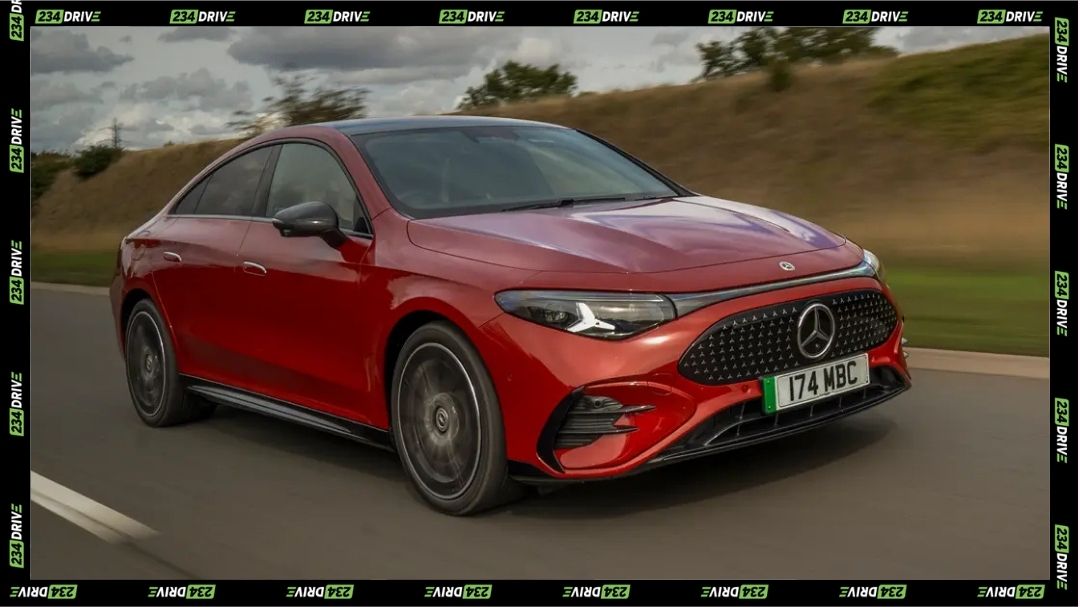
A pivotal shift is underway in the automotive world, one that sees software architecture, rather than engine displacement, defining the parameters of luxury motoring. Mercedes-Benz has launched its comprehensive 2025 technology suite across the UK market, centred on the new MB.OS operating system and the next-generation MBUX infotainment platform. This is more than a simple upgrade; it represents the brand’s ambitious move to become a “Digital First” company, placing the cloud-connected car at the core of the driving experience. Key models like the CLA, E-Class, and GLC are the initial beneficiaries, with the CLA 250+ model kicking off the digital transition for buyers at an estimated starting price of around £45,000.
The technological overhaul focuses on seamlessly blending digital intelligence with physical comfort. At the forefront of this initiative is the MBUX Virtual Assistant, now significantly enhanced with short-term memory and generative AI capabilities, allowing for more natural, conversational interaction. This is supported by 5G connectivity modules for ultra-fast data transmission and real-time services. The driver interface itself champions simplicity through a “zero-layer” concept, ensuring that core functions—such as navigation, media, and climate controls—are instantly available on the home screen, negating the need for drivers to constantly dive into complex submenus. For premium specifications, this system is projected across massive display areas, including the expansive, immersive Superscreen, which leverages Unity-engine graphics to create a high-resolution, smart TV-like experience in the cabin.
The entire digital ecosystem is structured with clear responsibilities. MB.OS serves as the proprietary ‘super-brain’, controlling and integrating all vehicle domains, from automated driving to charging infrastructure. The MBUX interface is the conduit that delivers the user experience, complete with fluid animations and graphics. Finally, the AI Virtual Assistant proactively manages personalisation, learning driver habits—such as suggesting a specific massage programme after a long commute or preloading a preferred application like BBC Sounds before a regular journey. This chip-to-cloud architecture is key to future-proofing the vehicles.
Strategically, this shift signals Mercedes-Benz’s determination to retain full control over the customer relationship and future revenue streams. By decoupling hardware from software, MB.OS enables continuous evolution via over-the-air (OTA) updates, turning the vehicle into a perpetually improving product. This move solidifies the brand’s long-term positioning against tech-focused competitors and ensures rapid adaptation to changing consumer tastes and regulatory frameworks, such as the UK’s Zero Emission Vehicle mandates.
In the global context, the new suite positions Mercedes strongly against rivals like the BMW i4 and the Tesla Model 3. While some rivals may offer larger screens or comparable range, Mercedes aims to edge them out in AI-driven personalisation and the sophisticated blend of physical and digital safety nets. For the UK market specifically, the 5G integration and cloud connectivity are immediately tailored to local needs, supporting fast syncing with Highways England traffic data and providing real-time data for locating 800V rapid chargers essential for the growing national EV infrastructure.
Early execution details show a high level of success, though not without nuance. Initial UK reviews have praised the system’s “logical layout” and have positioned the infotainment as a new benchmark for usability. The safety enhancements, which include Active Brake Assist with complex junction detection, Lane Keeping Assist, and the Guard 360° surveillance system, are deeply integrated, helping the new platforms target top-tier Euro NCAP ratings. However, critics have noted minor ergonomic adjustments needed, such as the digital climate controls perhaps benefiting from haptic feedback, and some users have reported minor delays in the OTA update rollout, suggesting room for refinement in the digital delivery pipeline.
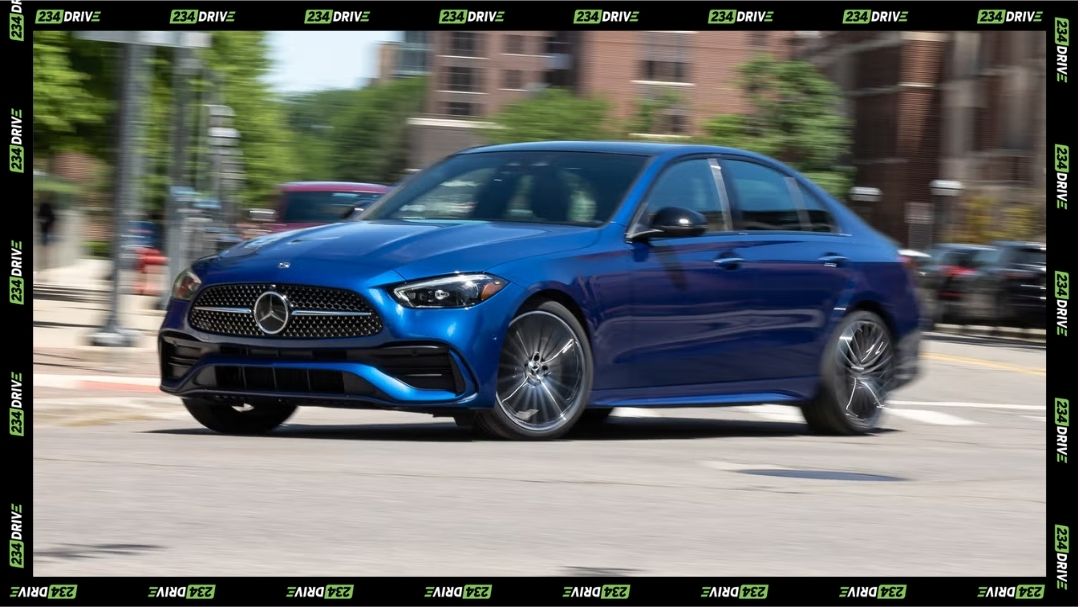
The company’s capability to manage this massive digital undertaking is underpinned by a proven track record. The deployment of this new ecosystem was foreshadowed by the large-scale OTA rollout of the MBUX 3.3 software update to over 700,000 existing vehicles globally, demonstrating the infrastructure required to manage continuous fleet updates. This is crucial as the 2025 Mercedes-Benz C-Class Review shows the integration complexity. Furthermore, the dedication to achieving high Euro NCAP safety scores—with a focus on adult, child, and vulnerable road user protection—proves that digital sophistication is being built upon a solid foundation of physical safety engineering.
Ultimately, the 2025 technology suite marks the transition of the luxury car from a sophisticated machine to an empathetic digital partner. By embedding generative AI and full software control, Mercedes-Benz is not merely keeping pace but is actively redefining the customer experience. This signals a monumental shift from hardware dependence to digital service delivery, confirming that the new frontier of automotive luxury lies in the quality of the silicon, the depth of the code, and the seamless intelligence it offers the driver.