
The arrival of the 2026 Porsche Macan GTS Electric marks a billion-pound gamble as the German marque transitions its most successful volume model entirely to battery power, signaling a definitive end to the internal combustion era for the compact SUV segment. This new variant seeks to justify a starting price of approximately £89,000 by delivering a level of driver engagement that has historically been missing from the heavy, often clinical world of premium electric vehicles. By bridging the gap between the mid-tier 4S and the range-topping Turbo, Porsche is positioning the GTS as the enthusiast’s choice for those who demand Porsche’s hallmark handling without the six-figure excess of the flagship.
This launch represents a pivotal rollout for Porsche AG, utilising the new Premium Platform Electric (PPE) architecture developed in collaboration with Audi. The Macan GTS Electric is a dual-motor, all-wheel-drive powerhouse capable of producing 509 horsepower in standard operation, which rises to a formidable 571 horsepower (420 kW) during launch control overboost. With a peak torque of 704 lb-ft, the vehicle can propel its 2.4-tonne frame from 0 to 62 mph in just 3.8 seconds. Beyond raw speed, the technical focus remains on its 800-volt system, which enables 270 kW ultra-rapid charging, allowing a 10% to 80% replenishment in just 21 minutes a crucial target for securing large-scale adoption among long-distance drivers.
The engineering roles within this project are clearly defined: while the PPE architecture provides the structural skeleton, Porsche’s Weissach engineers have developed the bespoke GTS software that manages the dampers, anti-roll bars, and rear-axle steering. The platform powers the vehicle’s immense torque, the motors provide the propulsion, and a sophisticated thermal management system manages the 100-kWh battery to ensure “Track Endurance” mode can maintain performance without the power derating seen in many competitors. This specific focus on sustained performance rather than just a single “hero lap” is intended to silence critics who view EVs as one-trick acceleration ponies.
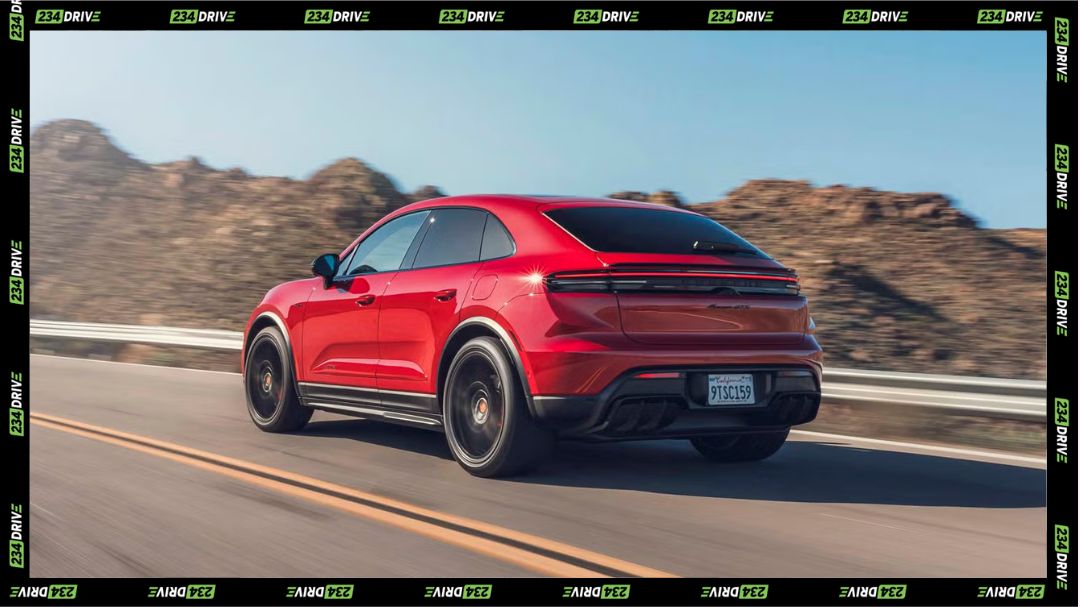
This move signals a massive strategic shift for the brand, as Porsche prepares to sunset the petrol-powered Macan in the UK and European markets by late 2026 due to evolving cybersecurity regulations. By scaling the EV production now, Porsche is securing its supply chain and entering a new market phase where electric SUVs must act as primary family vehicles rather than secondary commuters. This transition is essential for long-term profitability, as the Macan has historically accounted for nearly a third of all Porsche sales, and transitioning that loyal customer base to electric power is the brand’s most significant hurdle this decade.
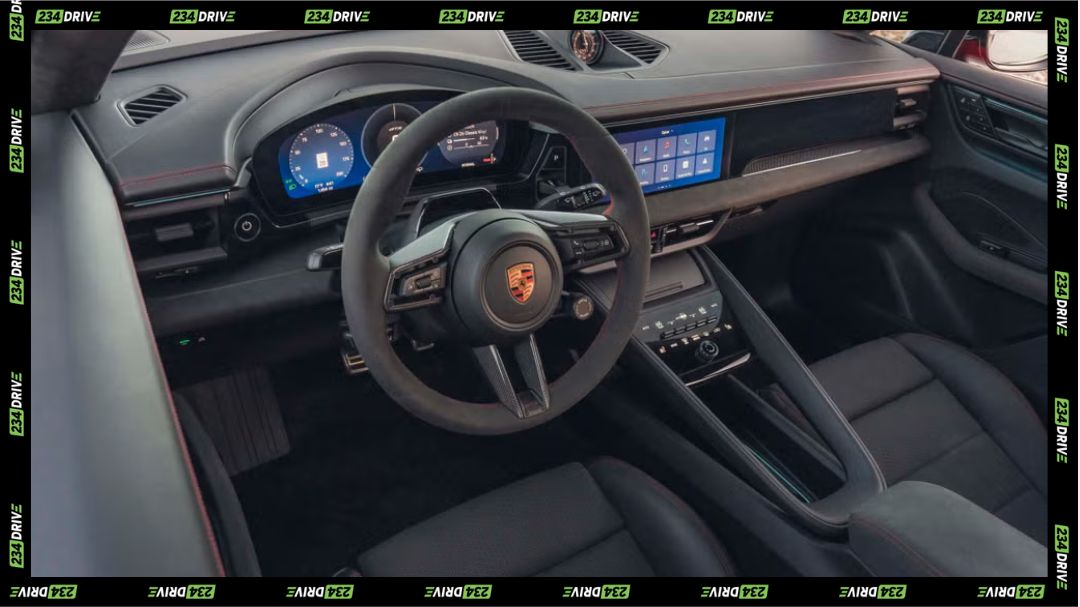
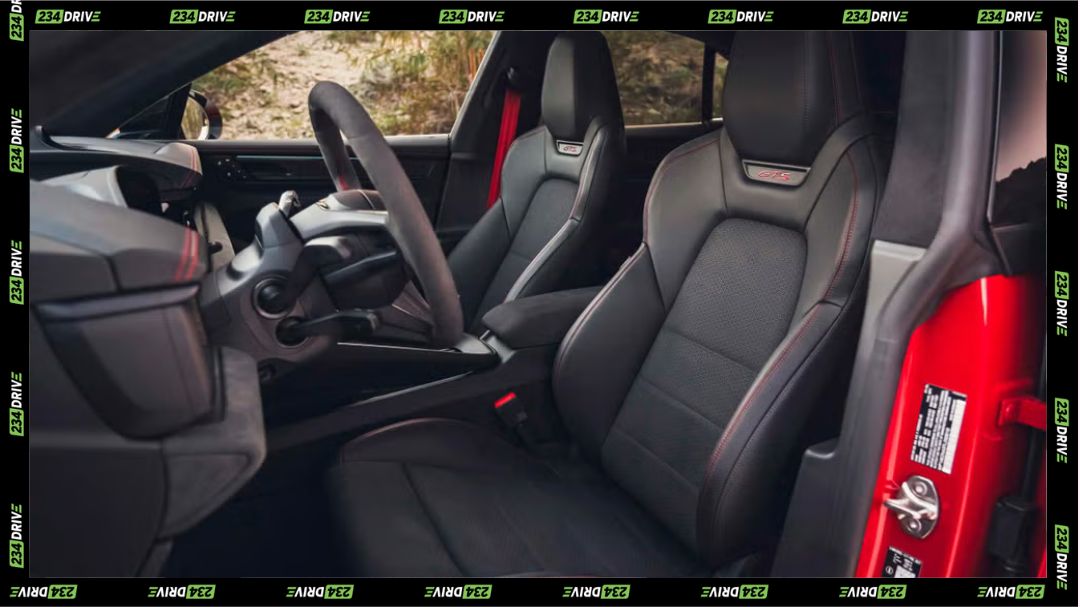
When compared to the global market, the UK’s adoption of the Macan GTS Electric is heavily influenced by fiscal policy. While a petrol-powered Macan GTS faces the highest 37% Benefit-in-Kind (BIK) tax rate for company car users, the electric variant sits at just 2% to 5%. This financial chasm makes the EV version significantly more attractive to executive fleet managers than its internal combustion predecessor, even with the higher initial list price. In contrast, competitors like the Tesla Model Y Performance have already established a massive service infrastructure, though they lack the bespoke chassis tuning and premium interior materials that Porsche users expect.
Competitors have already shown how quickly this segment can move; Tesla cleared the path for high-performance SUVs years ago, and Lotus recently launched the Eletre to compete directly with Porsche’s performance credentials. However, Porsche’s execution relies on its deep track record of chassis excellence rather than just software features. In just a few months, the brand has moved from prototype testing to full-scale service delivery, leveraging a decade of Macan history which saw over one million units sold to prove it can maintain premium brand value in a post-petrol world.
Ultimately, the success of the Macan GTS Electric will be measured by whether it can retain the “soul” of the brand in a silent environment. It proves that EVs can be thrilling through sheer torque and precise handling, but its success hinges on whether buyers prioritise zero-emissions efficiency and massive tax savings over the analog charm of a twin-turbo V6. This marks the shift from electric cars being a niche choice to becoming the fleet-scale standard for luxury motoring. Should regulators and infrastructure providers now treat high-speed charging networks like essential public utilities to match the pace of this rapid high-end adoption?