
The Renault 4 E-Tech Electric represents a thoughtful fusion of automotive heritage and contemporary electric vehicle technology, reviving the iconic Renault 4 nameplate for a new generation of environmentally conscious drivers. Originally produced from 1961 to 1994, the classic Renault 4 became one of the world’s most successful vehicles, selling over 8 million units globally. This modern interpretation, unveiled at the 2024 Paris Motor Show and entering production in April 2025 at Renault’s Maubeuge factory in France, transforms the beloved compact car into a fully electric subcompact crossover SUV positioned within the competitive B-segment.
As part of Renault’s ambitious “Renaulution” electrification strategy, the 4 E-Tech targets everyday motorists seeking affordable, practical electric mobility without sacrificing style or technological sophistication. With pricing starting at £26,995 in the UK after potential government grants, the vehicle competes directly with established rivals including the Peugeot e-2008, MG ZS EV, and Vauxhall Mokka Electric. Built on the innovative AmpR Small platform shared with the Renault 5 E-Tech, it promises to deliver approximately 241-247 miles of WLTP-rated range from its 52 kWh battery, alongside cutting-edge connectivity features powered by Qualcomm’s advanced Snapdragon technology.
Design and Exterior Presence
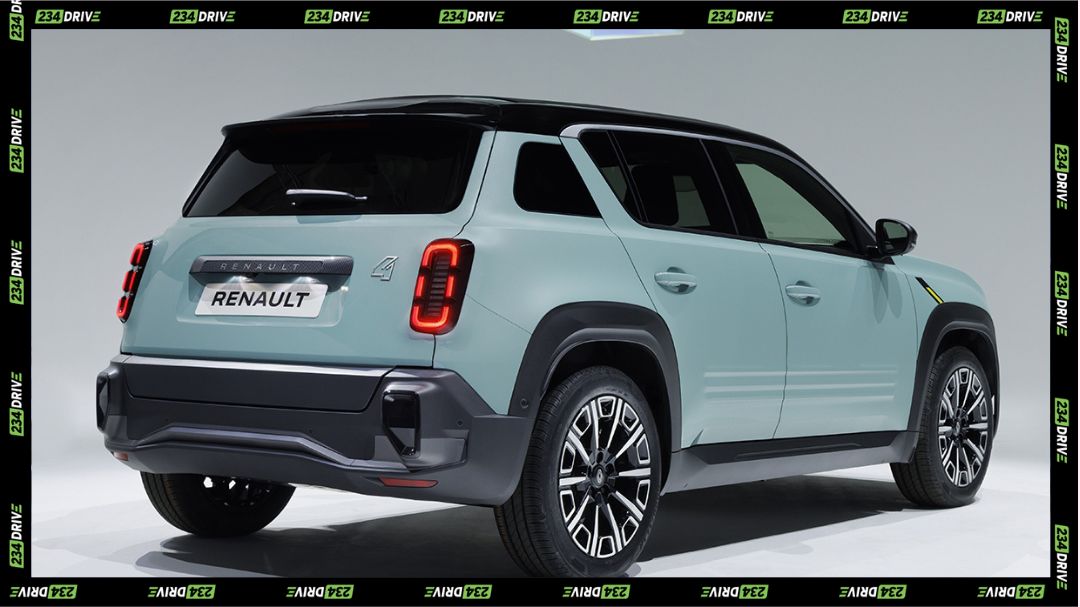
The Renault 4 E-Tech Electric’s exterior design successfully balances nostalgic references to its 1960s predecessor with contemporary crossover proportions and modern electric vehicle aesthetics. Measuring 4,140 mm in length, 1,800 mm in width, and 1,570 mm in height, the vehicle occupies a compact footprint ideal for urban environments whilst maintaining a commanding road presence through its elevated stance. Designer Gilles Vidal has incorporated distinctive retro elements including rounded headlamp clusters, a simplified front grille befitting its electric powertrain, and characterful body lines that echo the original R4’s utilitarian charm without appearing dated.
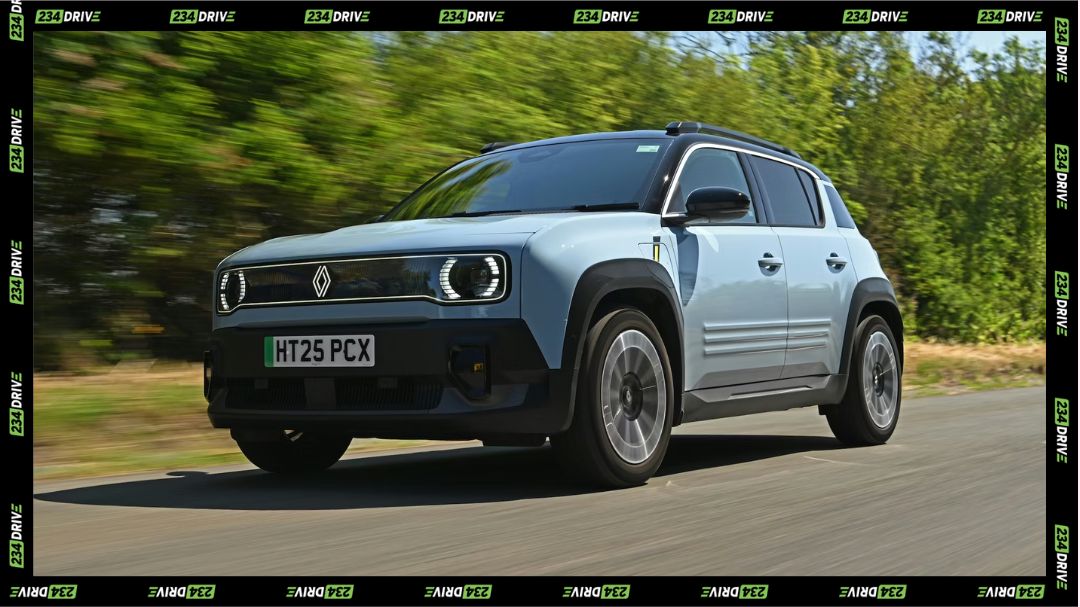
Particularly noteworthy is the optional fabric roof available from spring 2026, a feature reminiscent of the classic model’s canvas top that adds personality and visual interest. The compact 2,620 mm wheelbase contributes to excellent manoeuvrability in tight spaces, whilst the short overhangs and upright silhouette maximise interior volume despite the modest external dimensions. Customisation options extend beyond traditional colour choices, with Renault offering 3D-printed accessories that allow owners to personalise their vehicles with unique touches. The kerb weight ranges from 1,410 to 1,521 kg depending on specification, positioning it competitively within the subcompact electric crossover segment for efficiency and handling dynamics.
Interior Comfort and Technology
Step inside the 4 E-Tech Electric and you’re greeted by an interior that prioritises sustainability, tactility, and technological integration. The cabin features recycled upholstery materials aligned with Renault’s environmental commitments, whilst maintaining a welcoming atmosphere through thoughtful design details including the quirky baguette holder—a playful nod to French culture. The dashboard layout centres around dual 10-inch screens powered by Renault’s openR link infotainment system, itself underpinned by Qualcomm’s Snapdragon Cockpit and Auto Connectivity Platforms. This advanced setup delivers seamless integration with built-in Google services including Google Maps for navigation, Google Assistant for voice control, and access to over 50 applications via Google Play such as Waze and Amazon Music.

The technology experience extends beyond basic connectivity, incorporating Renault’s AI companion “reno,” powered by ChatGPT-4o mini, which handles natural language voice commands for tasks ranging from climate control to charging scheduling. Wireless Apple CarPlay and Android Auto come standard, ensuring compatibility across device ecosystems, whilst physical climate controls provide tactile feedback appreciated by drivers who find touchscreen-only interfaces frustrating. Optional features include a premium Harman Kardon audio system delivering immersive sound quality. However, practicality receives mixed reviews: the 420-litre boot offers reasonable cargo capacity for the segment, enhanced by a 55-litre underfloor compartment for charging cables (though this space is sacrificed for speakers on Harman Kardon-equipped models). The absence of a front trunk limits additional storage options, whilst rear seating proves cramped for taller passengers, with limited legroom and headroom constrained by the sloping roofline—a compromise inherent to the compact crossover format that may not suit families with teenagers or adults regularly occupying the back seats.
Pricing Structure in the UK
Renault has positioned the 4 E-Tech Electric competitively within the affordable electric vehicle segment, with UK pricing structured across three main trim levels designed to accommodate varying budgets and feature preferences. The entry-level evolution trim commences at £26,995 after accounting for potential government grants such as the £3,750 UK Electric Car Grant for 2025 where applicable, delivering essential features including the 52 kWh battery, 150 hp motor, dual 10-inch screens with Google integration, adaptive cruise control, and LED lighting throughout.
Mid-range techno specification increases the price to £28,995, adding enhanced convenience features such as steering wheel-mounted regenerative braking paddles for one-pedal driving, upgraded upholstery, additional USB-C charging ports for rear passengers, and refined interior trim materials. The top-tier iconic trim commands £30,995, incorporating premium elements including the optional Harman Kardon audio system, enhanced safety features such as blind-spot warning and reversing camera, distinctive styling accents, and expanded customisation options. These prices position the 4 E-Tech Electric favourably against competitors: the MG ZS EV starts around £30,000, the Peugeot e-2008 from approximately £32,000, and the Vauxhall Mokka Electric at roughly £31,000, making Renault’s offering particularly attractive for budget-conscious buyers seeking comprehensive standard equipment without premium pricing.
Performance and Driving Dynamics
The Renault 4 E-Tech Electric employs a front-mounted 150 hp electric motor paired with a 52 kWh lithium-ion NMC battery as standard across UK models, though a smaller 40 kWh LFP battery variant exists in select markets but remains unconfirmed for British specification. This powertrain configuration delivers sprightly urban performance with immediate torque delivery characteristic of electric motors, making city driving and overtaking manoeuvres effortless. Sport mode enhances throttle response for more spirited driving, though the vehicle’s taller crossover stance introduces noticeable body lean through corners and increased sensitivity to road imperfections compared to lower-slung hatchbacks.
The official WLTP range rating spans 241-247 miles depending on specification and driving conditions, though real-world testing reveals more conservative figures: mixed driving typically yields 200-240 miles, whilst sustained motorway cruising at 70 mph reduces this to approximately 200 miles—a common trait among electric vehicles where aerodynamic efficiency suffers at higher speeds. Charging capabilities include 100 kW DC rapid charging, enabling 10-80% replenishment in 35-40 minutes at compatible stations, alongside standard vehicle-to-load (V2L) functionality permitting external devices to draw power from the battery. Bidirectional vehicle-to-grid (V2G) technology also features, allowing owners to sell energy back to the grid during peak demand periods or power their homes during outages, adding financial and practical value. A heat pump comes standard, improving cold-weather efficiency by recycling waste heat rather than relying solely on battery power for cabin heating. Regenerative braking offers three intensity levels plus a one-pedal driving mode accessible via steering paddles on mid-specification models, maximising energy recovery during deceleration. Whilst no four-wheel-drive option currently exists, Renault has acknowledged consideration of such a variant for future model years.
Real-World Ownership Experience
Owners and reviewers consistently praise the 4 E-Tech Electric’s charming design and intuitive Google-integrated software ecosystem, which provides seamless navigation, voice control, and application access without the frustrating learning curves associated with proprietary infotainment systems. The vehicle’s compact dimensions prove ideal for urban environments, facilitating easy parking and manoeuvrability through congested city centres, whilst the punchy electric motor delivers satisfying acceleration from standstill. Charging versatility—spanning home wallbox installation, public rapid chargers, and bidirectional capabilities—adds practical flexibility rarely found at this price point.
However, certain compromises emerge through extended use. The indicator stalk placement receives criticism for being awkwardly positioned, whilst the indicator sound itself proves unnecessarily loud and irritating during routine signalling. Rear passenger space genuinely restricts comfort for adults on longer journeys, limiting the vehicle’s appeal as a primary family car for households with older children. Range anxiety may affect some users, particularly on longer motorway journeys where the real-world 200-mile capability requires careful journey planning and potentially midpoint charging stops. Some reviews note that whilst the ride quality suits urban environments, the suspension setup occasionally struggles with sharper bumps and potholes, transmitting impacts into the cabin more prominently than expected. Warranty coverage spans 3 years or 60,000 miles for the vehicle itself and 8 years or 100,000 miles for the battery pack, though these terms fall slightly short of competitors like Kia or MG offering 7-year vehicle warranties.
Suitability for British Driving Conditions
The Renault 4 E-Tech Electric demonstrates particular aptitude for British urban and suburban environments, where its compact dimensions, immediate electric torque, and comfortable ride quality align perfectly with congested city streets, frequent speed cameras, and stop-start traffic conditions. The elevated driving position provides excellent visibility through Britain’s often unpredictable weather conditions, whilst the standard heat pump ensures efficient cabin heating during cold months without excessive battery drain. Google Maps integration with real-time traffic updates proves invaluable for navigating Britain’s complex road networks and avoiding congestion, whilst the wireless smartphone connectivity eliminates cable clutter.
For those undertaking regular motorway journeys or living in rural areas with limited charging infrastructure, the vehicle’s real-world range limitations warrant consideration. Whilst 200 miles suffices for most daily routines and weekend excursions, longer trips to Scotland, Wales, or southwestern England may necessitate charging stops that extend journey times. Britain’s expanding rapid charging network mitigates this concern somewhat, though availability and reliability remain inconsistent outside major routes. The absence of a front trunk limits practical storage for charging cables and emergency equipment, a minor but noteworthy inconvenience. The vehicle’s front-wheel-drive configuration handles British road conditions adequately, though drivers in particularly rural or challenging terrain might prefer all-wheel-drive alternatives. Overall, the 4 E-Tech Electric suits urban professionals, couples, and small families prioritising affordability, environmental consciousness, and ease of use over maximum range or passenger space, particularly those with access to home charging facilities.
Competitive Analysis and Market Position
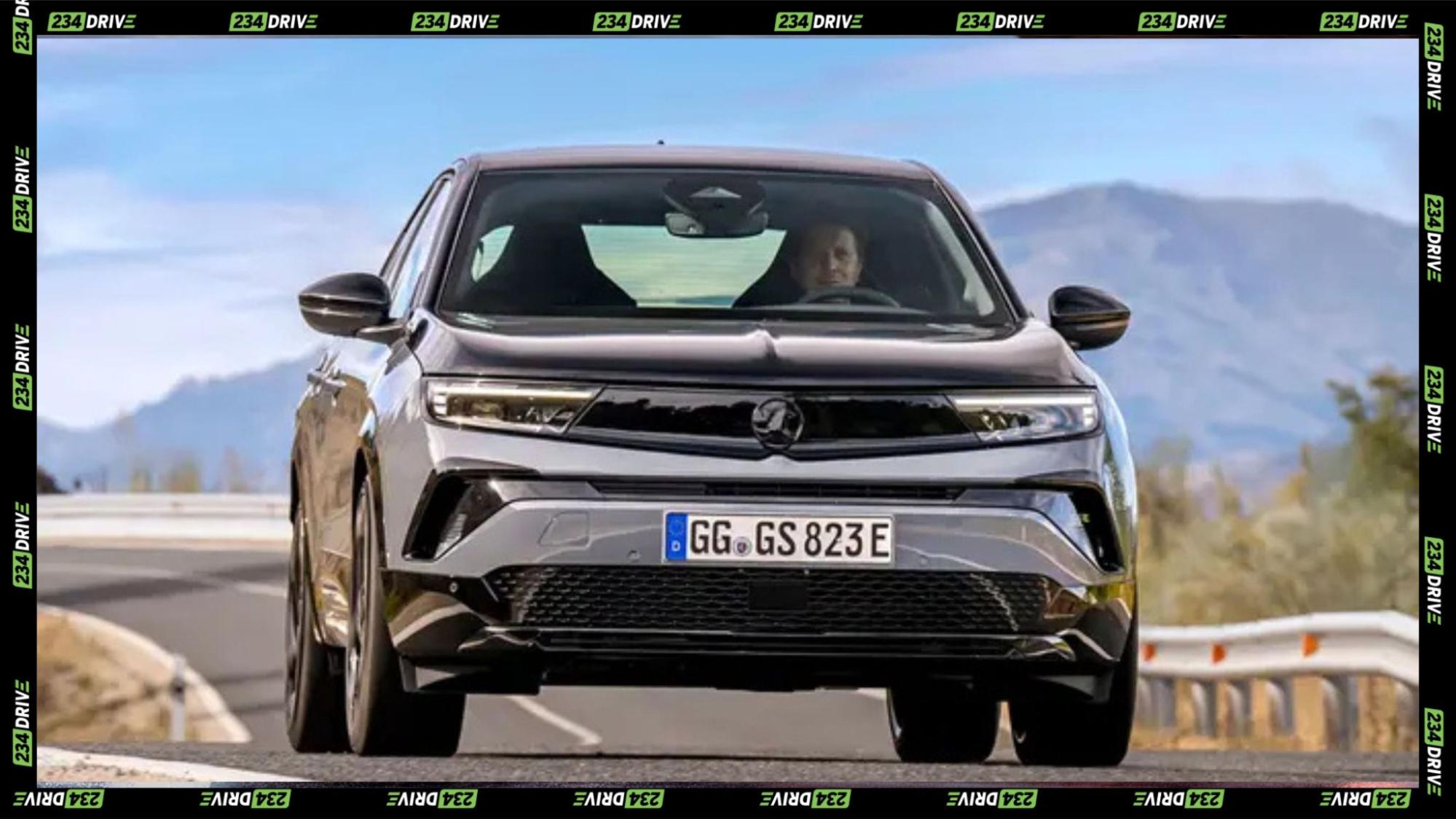
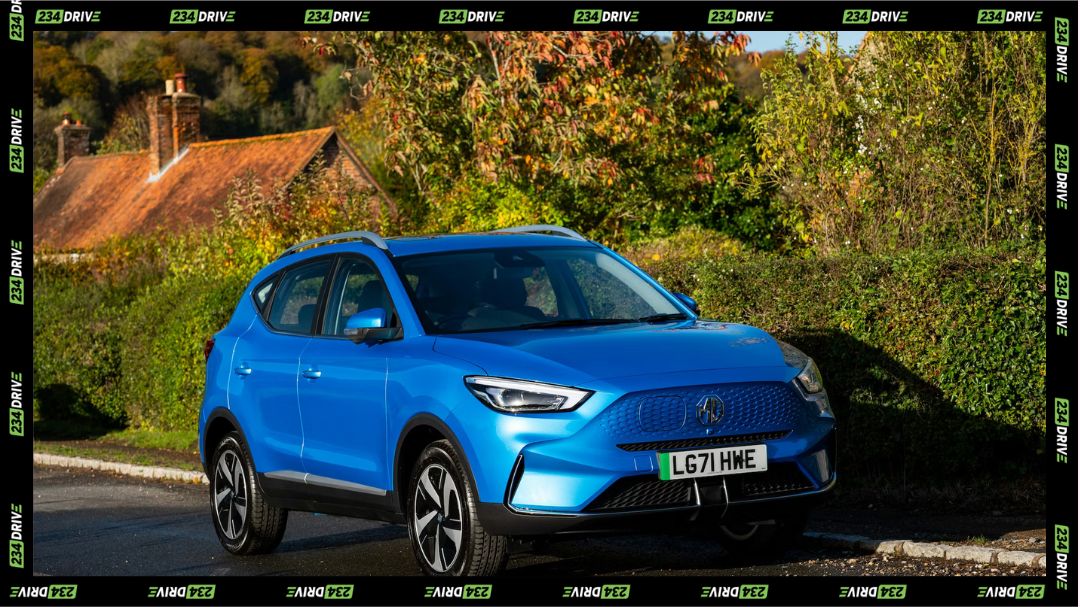
Within the burgeoning affordable electric crossover segment, the Renault 4 E-Tech Electric faces established competition from the MG ZS EV, Peugeot e-2008, Vauxhall Mokka Electric, and Nissan Ariya (at the higher end). The MG ZS EV offers a larger 72.6 kWh battery delivering approximately 273 miles of range and a more spacious interior, though it commands £30,000-plus pricing and lacks the sophisticated Google integration and bidirectional charging capabilities. The Peugeot e-2008 provides comparable range (around 214 miles) with distinctive styling and Peugeot’s i-Cockpit interior, yet starts from approximately £32,000, positioning it less competitively on value. The Vauxhall Mokka Electric delivers similar specifications to the 4 E-Tech but typically costs slightly more and offers less comprehensive standard technology.
From a value perspective, the Renault 4 E-Tech Electric distinguishes itself through aggressive pricing, particularly at the £26,995 entry point, combined with remarkably comprehensive standard equipment including Google services, V2L/V2G functionality, and a heat pump—features often reserved for higher trim levels or expensive options packages on rivals. Resale values remain uncertain given the model’s recent introduction, though Renault’s strengthening electric vehicle lineup and the nostalgic appeal of the R4 nameplate suggest reasonable residual value retention. Maintenance costs should prove minimal given electric powertrains’ reduced servicing requirements, with no oil changes, spark plugs, or exhaust systems requiring attention. Battery degradation warranties matching industry standards at 8 years/100,000 miles provide reassurance, though MG’s 7-year vehicle warranty offers superior peace of mind. For buyers prioritising cutting-edge connectivity, environmental credentials, and budget-conscious pricing, the 4 E-Tech Electric represents exceptional value. Those requiring maximum range, spacious rear seating, or extended warranty coverage might find better alternatives elsewhere, though few rivals match its combination of character, technology, and affordability.
Safety and Reliability Considerations
The Renault 4 E-Tech Electric achieved respectable Euro NCAP safety ratings with scores of 79% for adult occupant protection, 85% for child occupant protection, 73% for vulnerable road users, and 68% for safety assistance features. Standard equipment includes adaptive cruise control, lane departure warning, and multiple airbags throughout the cabin, with higher trims adding blind-spot monitoring and a reversing camera. These ratings position it competitively within the segment, though they fall slightly short of five-star ratings achieved by some premium rivals.
Reliability remains difficult to assess given the model’s recent market introduction, though Renault’s expanding experience with electric powertrains through models like the Zoe and Mégane E-Tech suggests reasonable dependability. The AmpR Small platform benefits from component sharing with the Renault 5 E-Tech and future Nissan Micra EV, spreading development costs and validation testing across multiple vehicles—a strategy that typically improves reliability. Electric vehicles generally require less maintenance than combustion equivalents, reducing potential failure points, though battery degradation over time remains an inherent consideration for all electric vehicles. Renault’s 3-year/60,000-mile vehicle warranty and 8-year/100,000-mile battery warranty provide standard industry protection.
Conclusion
The Renault 4 E-Tech Electric successfully reimagines a beloved automotive icon for the electric age, delivering an appealing blend of nostalgic charm, contemporary technology, and affordable pricing. Its strengths lie in the sophisticated Google-integrated infotainment system powered by Qualcomm’s Snapdragon platforms, comprehensive standard equipment including bidirectional charging capabilities, and competitive pricing starting at £26,995. The charming design pays tasteful homage to the original R4 whilst incorporating modern crossover proportions suited to today’s preferences, and the punchy electric motor ensures satisfying urban performance.
However, prospective buyers must weigh these advantages against genuine limitations including cramped rear passenger space, modest real-world range particularly on motorways, and the absence of practical features like a front trunk. The vehicle excels as a stylish, efficient urban runabout for couples, small families, or individuals prioritising environmental consciousness and technological sophistication over maximum practicality or range. Recognition as a shortlisted finalist for the 2026 Car of the Year award underscores its appeal within the competitive electric vehicle landscape. For those with access to home charging, predictable daily routines within its range capabilities, and appreciation for distinctive design, the Renault 4 E-Tech Electric represents a compelling proposition that successfully balances heritage, innovation, and value.
We invite readers to share their thoughts on the Renault 4 E-Tech Electric and whether this modern interpretation of a classic nameplate resonates with your electric vehicle requirements. Have you experienced the vehicle firsthand, or are you considering it as your next purchase?