
The era of niche, luxury electric vehicles is rapidly giving way to a high-stakes volume game, and Rivian’s latest gamble suggests that the American start-up is ready to fight for the soul of the suburban driveway. With initial test vehicles officially rolling off the production line in Normal, Illinois as of January 2026, the Rivian R2 represents a fundamental shift in the company’s DNA. By pivoting from the six-figure luxury of the R1 series to a mid-sized SUV starting at approximately £35,000 ($45,000), Rivian is directly challenging the dominance of the Tesla Model Y. This move signals a transition from high-margin exclusivity to fleet-scale operations, aiming to capture the hearts of adventure-seekers who find current electric offerings a bit too sterile for the great outdoors.
The core of this announcement lies in the scale of Rivian’s industrial ambition and its ability to navigate a shifting economic landscape. The company has successfully executed a massive £1.2 billion ($1.5 billion) expansion of its primary manufacturing facility, adding over 2.6 million square feet of space in under a year. This fast-track development includes innovative underground tunnels for material flow and precast concrete structures that allowed the plant to reach a total capacity of 215,000 vehicles annually. Within this footprint, 155,000 units are dedicated specifically to the R2. While current production is centralised in Illinois to preserve cash, the company remains committed to its multi-billion-pound Georgia plant, a strategic expansion project designed to cement Rivian’s position as a high-volume manufacturer in the long term.
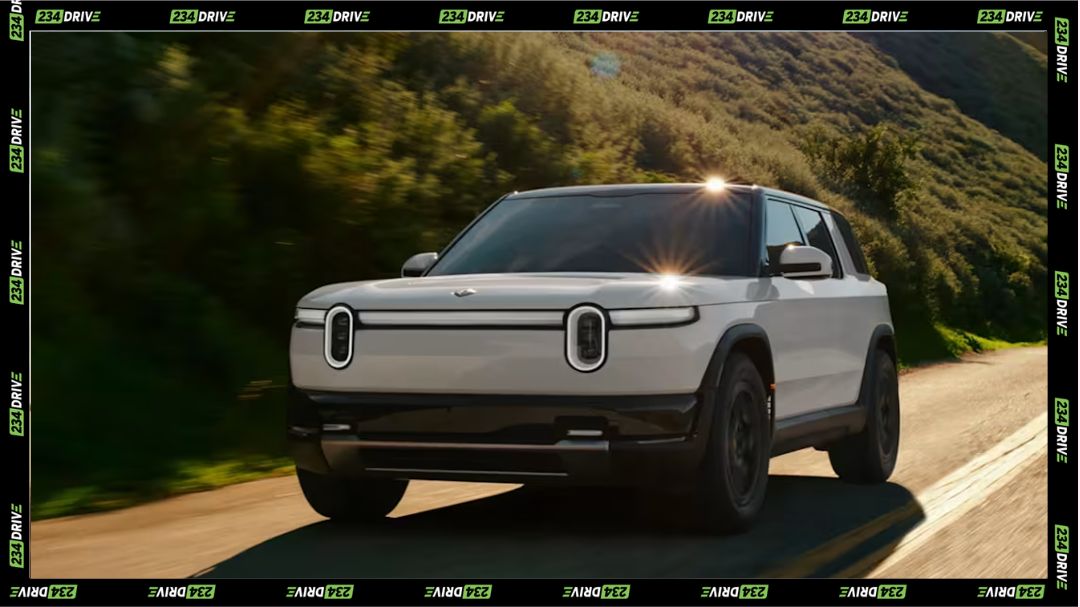
Technologically, the R2 is built upon a brand-new, in-house connected vehicle platform that prioritises both performance and practicality. It is a compact, five-seat SUV that retains the rugged, ‘boxy’ aesthetic of its larger siblings but in a more manageable 185.6-inch frame. The vehicle will be offered in single-motor rear-wheel-drive, dual-motor all-wheel-drive, and a flagship tri-motor configuration. This top-tier variant is designed to be a performance titan, capable of reaching 60 mph in under three seconds—a feat that matches or exceeds the most expensive performance SUVs currently on the market. With battery options estimated to provide a range of over 300 miles, the R2 addresses the primary concern of ‘range anxiety’ while offering the utility of fold-flat seating, dual glove boxes, and a unique powered rear glass that slides down into the liftgate for easier loading of long items.
The roles within this ecosystem are clearly defined: Rivian builds the hardware and designs the chassis, the proprietary battery tech powers the journey, and a sophisticated software stack manages everything from the drive-train to the infotainment. This software prowess has led to a seismic Rivian and Porsche shift in strategy, as the Volkswagen Group—including its premium Porsche and Audi brands—has invested over £4.5 billion ($5.8 billion) into a joint venture with Rivian. This partnership allows Porsche to leverage Rivian’s “zonal architecture” and advanced software platform for its future electric models, moving away from in-house battery production to focus on high-margin digital experiences and research. This vertical integration is a strategic masterstroke intended to secure the supply chain and reduce reliance on third-party vendors.
This business shift signals a pivot toward long-term profitability and market securing. Rivian’s recent financial results, showing a 78% surge in revenue to over £1.2 billion, reinforce the market’s confidence in this volume-first strategy. By entering the mid-sized SUV segment—the most popular vehicle category in the United States and a growing force in the UK—Rivian is positioning itself to scale beyond its initial niche. The R2 is the vehicle intended to achieve gross margin positivity, a milestone that has eluded most electric vehicle start-ups. The move effectively transitions Rivian from a boutique manufacturer of ‘weekend toys’ for the wealthy into a mainstream automotive powerhouse capable of competing with legacy giants like Volkswagen and Silicon Valley incumbents alike.
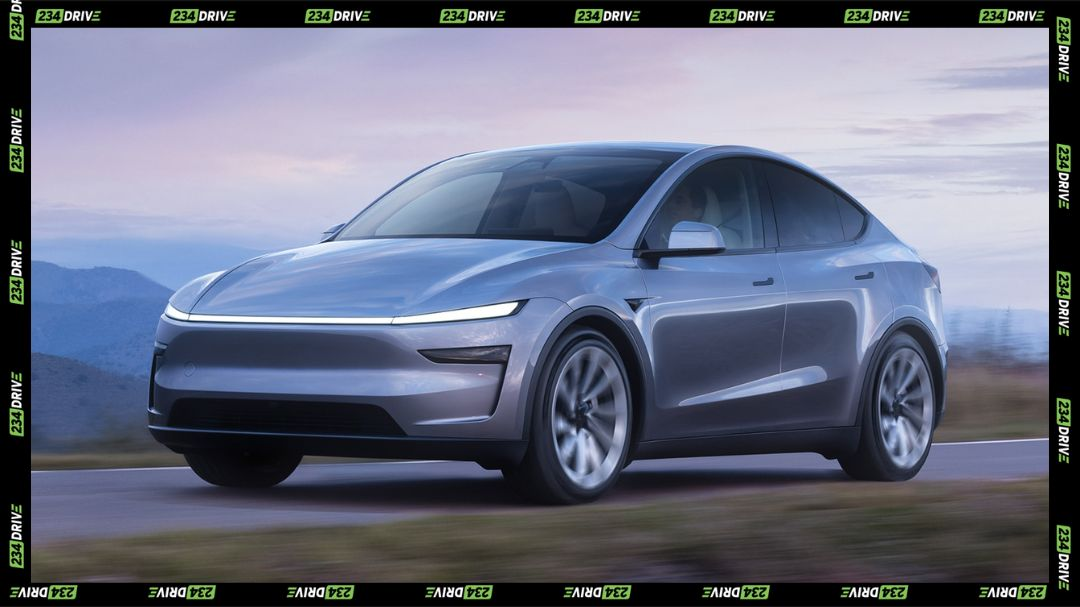
When comparing this to the global market leader, the Tesla Model Y, the differences in execution and philosophy become stark. The Model Y has long been the gold standard for efficiency, minimalist design, and software integration, benefiting from an unparalleled Supercharger network. However, the electric mid-sized SUV from Rivian seeks to exploit the ‘adventure’ gap that Tesla has arguably ignored. With a ground clearance of 9.8 inches and superior approach and departure angles, the R2 is a genuine off-roader. Furthermore, the move to NACS (North American Charging Standard) ports ensures that Rivian owners can access Tesla’s infrastructure natively. This is part of a broader industry trend where even established players are seeking standardised charging solutions to lower the barriers to EV adoption and improve the customer experience across diverse brands.
However, the competition is no longer limited to the battle between Rivian and Tesla. The global market is being reshaped by the Chinese innovation battle, where companies like BYD are aggressively challenging established Western brands with rapid-fire technological advancements and highly competitive pricing. While Rivian focuses on the adventure-lifestyle niche, BYD and Tesla are engaged in a fierce war of attrition over battery efficiency and manufacturing costs. For Rivian to succeed, the R2 must not only beat the Model Y on off-road specs but also defend its premium-adjacent branding against a wave of highly capable, cost-effective alternatives arriving from Asia. Rivian’s focus on the ‘North American made’ identity and its distinct rugged design language are its primary shields in this increasingly globalised market.
Rivian’s track record provides the necessary context for why this launch is being taken so seriously by stakeholders. From delivering the first electric pickup truck to the market to securing a massive 100,000-unit van order from Amazon, the company has proven it can manufacture complex vehicles at scale. The expansion of the Normal plant was completed in just 11 months, a pace that rivals the legendary speed of Tesla’s ‘Giga’ factories. This previous success in high-pressure manufacturing environments suggests that the January 2026 production start for test vehicles is a reliable milestone rather than a hopeful projection. The inclusion of sustainable materials, such as upcycled wood and ocean plastics, further cements the brand’s credibility with the eco-conscious demographic that drives EV adoption.
Looking ahead, the success of the R2 will likely be the primary indicator of whether the EV market can sustain multiple major players or if it will consolidate around one or two dominant forces. There are, however, significant external factors to consider, such as the shifting landscape of federal and local tax incentives. In the US, the potential loss of tax credits for vehicles not meeting strict domestic battery sourcing requirements adds a layer of uncertainty. Rivian’s CFO has noted that such challenges only reinforce the need for ‘inherently affordable’ designs that do not rely on government subsidies to be competitive. As the R2 prepares for its full market launch, it faces a crowded field including the Hyundai Ioniq 5 and Ford Mustang Mach-E, all of which are fighting for the same mid-priced territory.
Ultimately, the Rivian R2 marks the definitive shift from the era of ‘EV hype’ to the era of ‘fleet-scale operations.’ It is no longer enough to have a revolutionary prototype; success now depends on the ability to manufacture hundreds of thousands of units with consistent quality and a reliable software experience. The R2 is the vehicle that must prove Rivian can transition from a loss-making innovator to a profitable industry titan. As consumers weigh the minimalist efficiency of the Model Y against the rugged, utilitarian charm of the R2, the outcome will decide the trajectory of the electric SUV market for the next decade. Should regulators and infrastructure providers treat these new high-volume vehicles as essential public infrastructure to speed up adoption, or will the market be left to find its own equilibrium amidst varying international trade tariffs and shifting consumer tastes?