
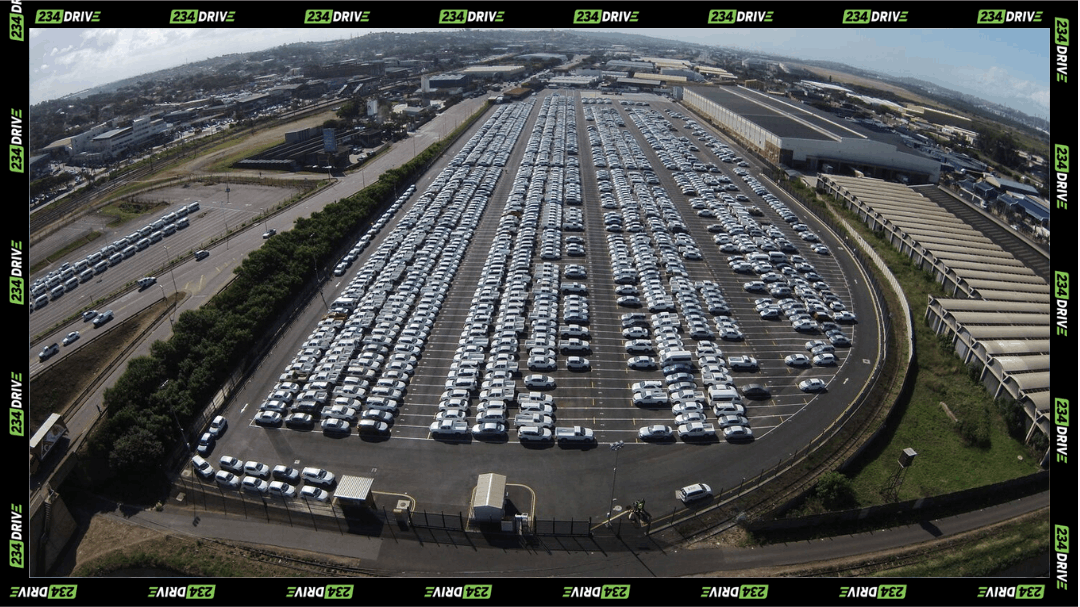
Thousands of newly built cars sit ready for export in South Africa, showcasing the scale of the country’s car production. | Source: Walleniuswihelmsen
South Africa saw its car industry hit a new export record in 2025, shipping 414,268 vehicles around the world, up 5.9% from 2024, according to NAAMSA. Even with trade pressure in some key markets, local factories still found buyers in 109 countries.
That’s not a small feat. This achievement is particularly noteworthy given the current state of trade in the world.
Why South Africa’s Record Stands Out Even More
This wasn’t a smooth year globally. Exports to the United States dropped sharply—from 25,554 vehicles in 2024 to just 6,530 in 2025, largely because of tariff pressure. That kind of fall would normally hurt overall numbers.
Instead, Europe stepped in. Shipments to the European Union and the UK jumped from 295,762 to 332,695 units. Together, they made up more than 80% of South Africa’s total vehicle exports.
Even toward the end of the year, momentum held. Fourth-quarter exports rose 1.7% compared to the same period in 2024. Asia saw some pullback, especially from Japan, but overall demand stayed strong.
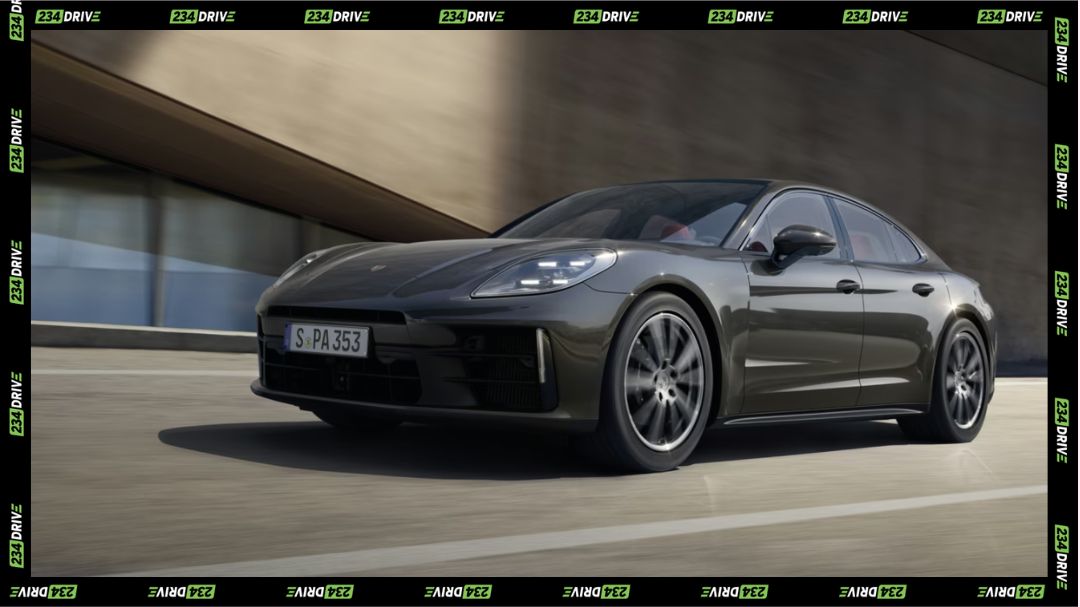
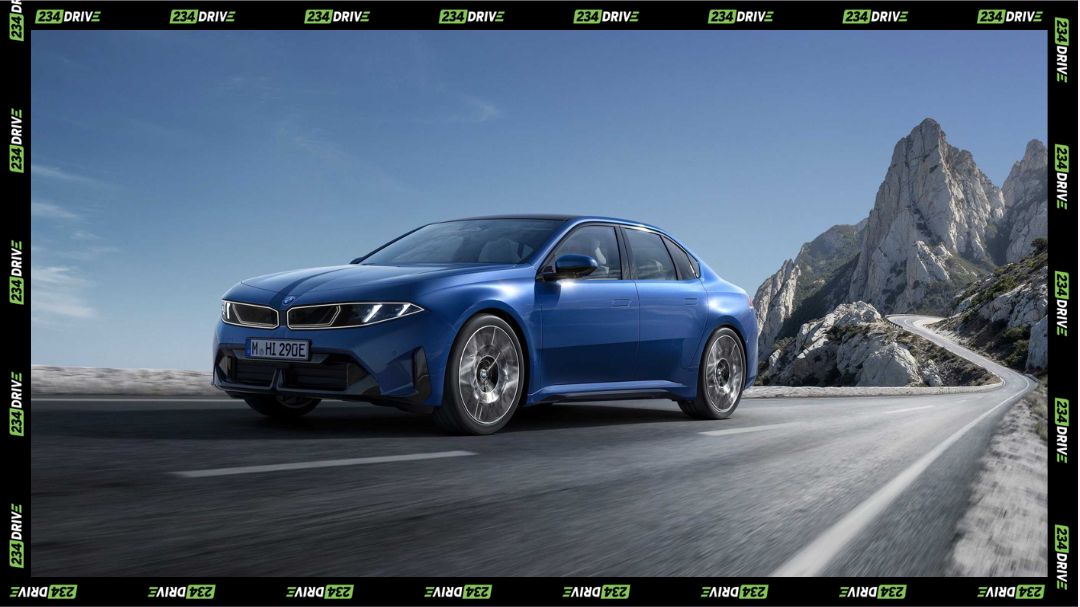
Behind these numbers is a solid manufacturing base. Global brands like BMW, Mercedes-Benz, Toyota, Ford, Volkswagen Nissan, and Isuzu all build vehicles in South Africa. There are also local players like Birkin Cars, Bailey Cars, and EV-focused EVerione.
The sector supports over 115,000 direct manufacturing jobs and more than 500,000 jobs across the wider value chain, with a contribution of about 5.3% to the South African GDP.
The government now wants to push further. Plans unveiled in January aim to double automotive employment by 2035, increase local component sourcing to as much as 60% and grow South Africa’s share of global vehicle production to 1%.
Should Africa Build More Serious Production Hubs?
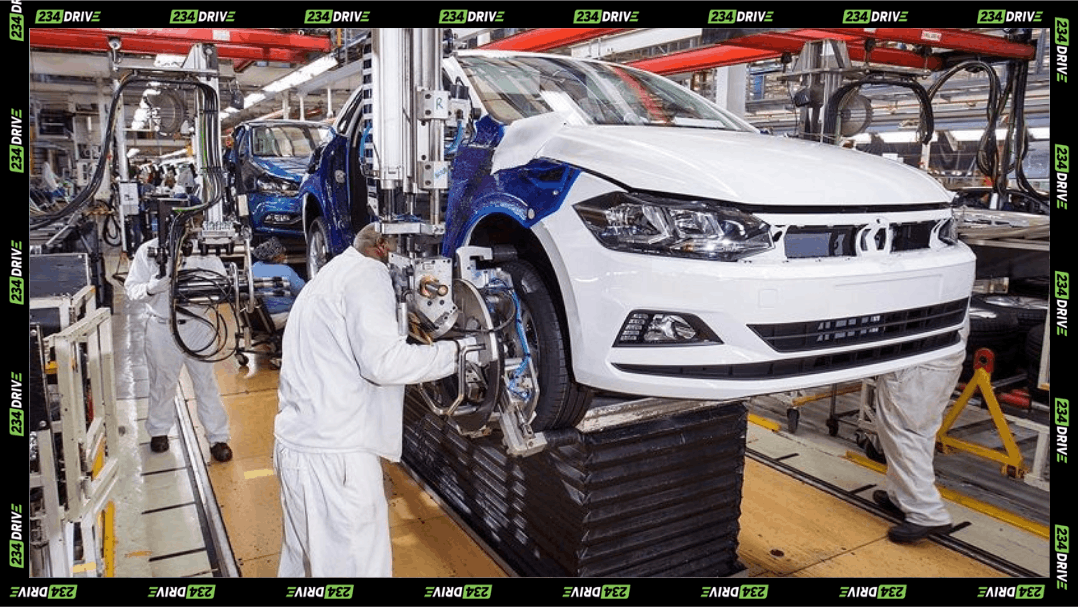
Workers assemble vehicles inside a South Africa factory, highlighting active car production and modern manufacturing. | Source: TheSouthAfrican
South Africa and Morocco already lead vehicle production on the continent. Morocco has built a strong export pipeline to Europe; nevertheless, South Africa remains Africa’s most established automotive production centre.
But most operations across Africa focus heavily on assembling imported parts.
Nigeria’s Innoson shows that local manufacturing ambition exists and can be sustained. Egypt could strengthen its supply side with tire production, which already supports regional demand. Still, Africa largely consumes vehicles or assembles them—it rarely leads global supply.
Now imagine a fully integrated electric vehicle plant on African soil. Not just assembly. A proper, high-speed facility that handles battery systems, automation, robotics and final production in one location—similar to the scale of BYD’s factories in China.
That kind of factory would shift the continent forward. It would grow local supply chains, create more skilled jobs and help Africa move from just buying cars to building them for the world.
Of course, that level of manufacturing needs stable electricity, strong logistics and clear long-term policy. But should these pieces come together, Africa could move from assembling cars to exporting them at scale, essentially reshaping its place in the global auto industry.