
The launch of the Mahindra XUV 3XO marks a significant chapter in the Indian automaker’s strategy for the competitive South African market. As a substantially updated and enhanced iteration of the popular XUV 300, this compact SUV launched in South Africa in September 2024, immediately positioning itself as a challenger in the budget-friendly crossover segment. Exported directly from its manufacturing hub in India, the XUV 3XO aims to appeal to value-conscious buyers by blending modern design, a host of tech-focused amenities, and a compelling price point, leveraging the groundwork laid by Mahindra’s established presence since 2004.
Reviewers and market analysts generally commend the XUV 3XO for its exceptional value-for-money proposition, noting its feature-rich cabin and a refined driving experience that excels particularly in urban environments. While the vehicle is praised for its quality and modern appeal, real-world tests reveal areas for potential improvement, primarily concerning power delivery on highways and actual fuel consumption figures, which deviate notably from official claims. Overall, the vehicle is recommended as a highly compelling choice for city drivers and those seeking maximum specification for their expenditure.
The Mahindra XUV 3XO: Design and Presence
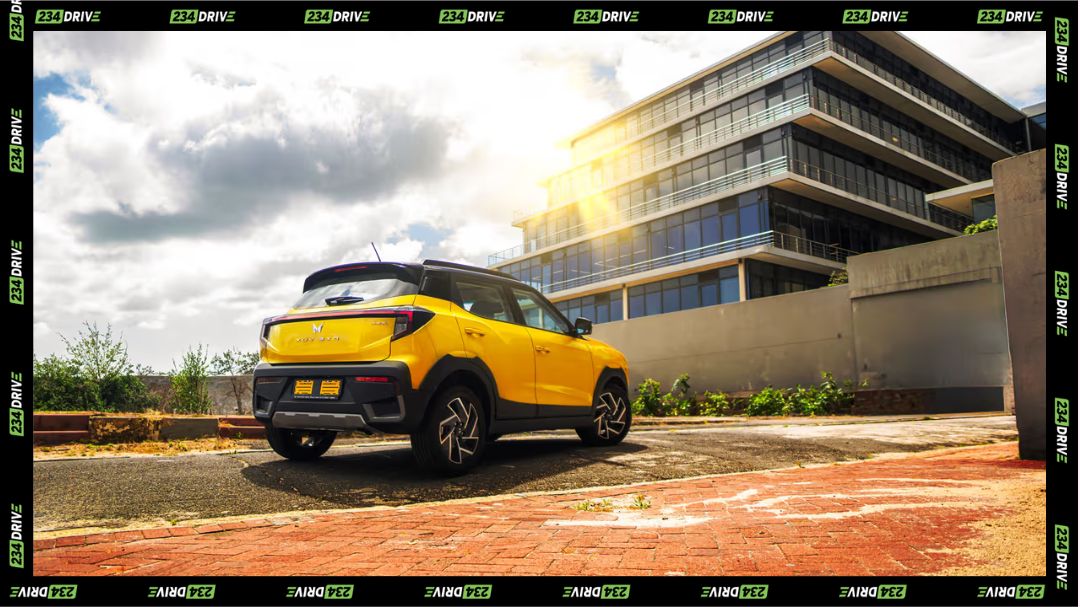
Externally, the XUV 3XO has undergone a dramatic aesthetic transformation, adopting a sharp, contemporary look that sheds the relatively dated appearance of its predecessor. The new design language features bold styling elements, including modern LED headlight signatures and a distinctive grille, culminating in a compact SUV that projects a strong, appealing road presence. Its sleek lines and well-proportioned stance give it a sophisticated, mini-SUV character that is widely described by testers as both “cool” and visually impactful, successfully challenging the perception of budget-segment design.
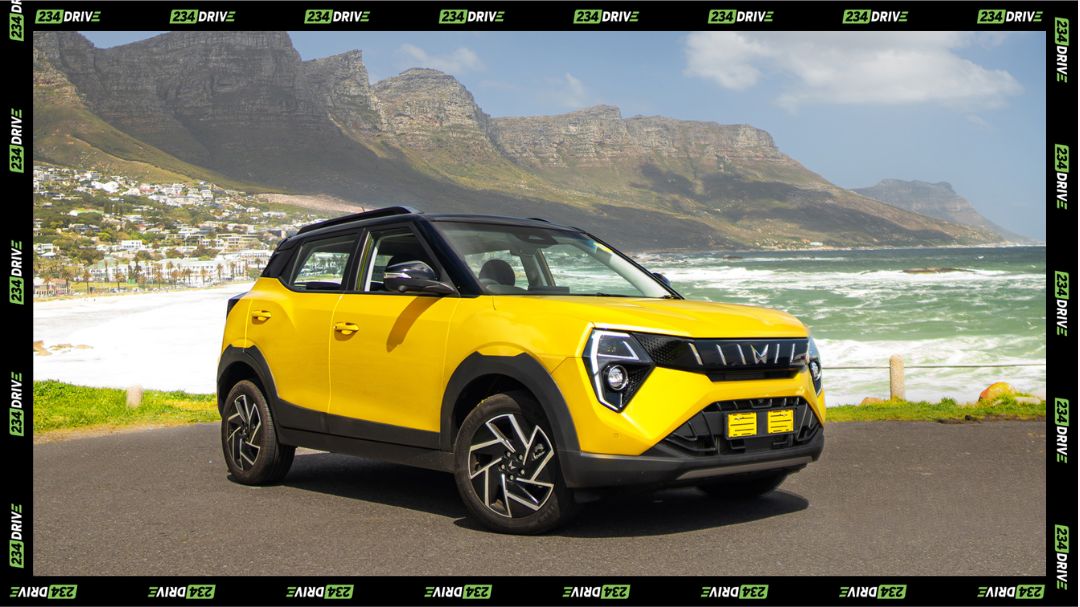
The physical dimensions of the XUV 3XO firmly establish it within the sub-four-metre compact segment, measuring 3,990 mm in overall length, yet it boasts an impressively long 2,600 mm wheelbase. This efficient packaging is key to its appeal, promising—and largely delivering—a surprisingly spacious cabin for its size. The body shell is ruggedly built, and while it has not yet received a local crash-test rating equivalent to ANCAP, its standard safety suite, including six airbags and electronic stability control, underscores an emphasis on occupant protection, with plans already underway to meet newer safety protocols by 2026.
Interior, Technology, and Performance
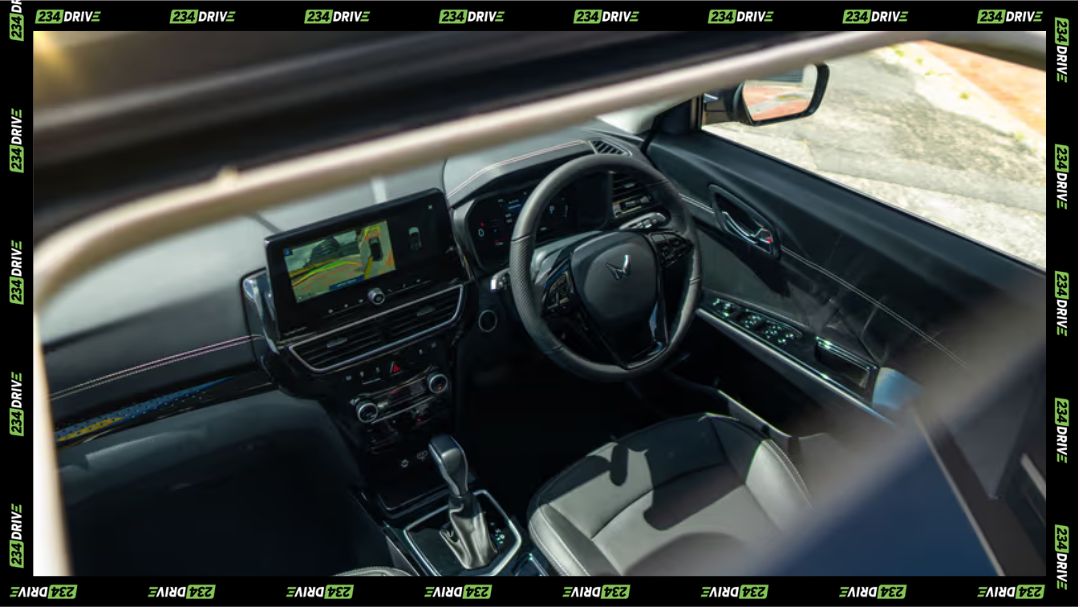
The interior of the XUV 3XO is where its value proposition truly shines, offering an impressive blend of comfort and technology often reserved for more expensive vehicles. Higher specification models feature stitched leatherette surfaces, while the dashboard integrates dual 10.25-inch high-resolution screens—one for intuitive infotainment (supporting wireless Apple CarPlay and wired Android Auto) and the other serving as a fully digital instrument cluster. Convenience features in top trims include dual-zone climate control, keyless entry with push-button start, rain-sensing wipers, a 360-degree camera, and, notably, a panoramic sunroof and a premium Harman Kardon seven-speaker audio system. Rear passengers also benefit from generous headroom and legroom, supplemented by dedicated air vents and charging ports.
Powering all South African variants is a sole 1.2-litre, three-cylinder turbo-petrol engine, known as the mStallion TCMPFi unit. This engine produces a respectable 82 kW at 5,000 rpm and 200 Nm of torque, which is readily available from 1,500 rpm. This early torque delivery ensures responsive urban acceleration and effortless overtaking manoeuvres in city traffic. Transmission options include a smooth-shifting 6-speed manual or a 6-speed Aisin automatic, both routing power to the front wheels. Drivers can select from ‘Zip’ (economy), ‘Zap’ (normal), and ‘Zoom’ (sport) drive modes, offering subtle adjustments to the vehicle’s dynamics. The full specification list confirms competitive pricing, starting from R259,999 for the entry-level 1.2T MX2 MT and peaking at R404,999 for the flagship 1.2T AX7L AT.
Driving Dynamics and Real-World Suitability
The XUV 3XO is engineered primarily for city and suburban driving, and its dynamics reflect this focus. The vehicle’s handling is described as nimble and easy to manoeuvre, making parking and navigating narrow streets straightforward. Its soft suspension tuning aids in absorbing typical urban road imperfections and speed bumps effectively, ensuring a comfortable ride within city limits while maintaining adequate body control. The steering, though quick and responsive, is often criticised for being overly light and lacking in feedback, which reduces driver confidence slightly when pushing harder through corners.
In terms of practicality in the South African environment, the vehicle’s 1.2-litre engine can feel noticeably strained on steeper ascents or during high-speed highway cruising, suggesting that more powerful units available elsewhere in the global lineup might have offered greater versatility. Furthermore, the claimed fuel economy (5.3–5.5 L/100km) is frequently missed in real-world testing, with reviewers reporting averages closer to 11.7 L/100km, which is a significant factor in higher daily running costs. While safety is prioritised with standard six airbags, the advanced driver-assistance systems (ADAS) in top trims—such as adaptive cruise control and lane-keep assist—are noted for being overly sensitive and intrusive, often leading to excessive beeping or abrupt vehicle corrections. The 364-litre boot capacity is also viewed as somewhat restrictive for large family items, lacking the overall utility of some segment rivals.
Comparison to Segment Rivals
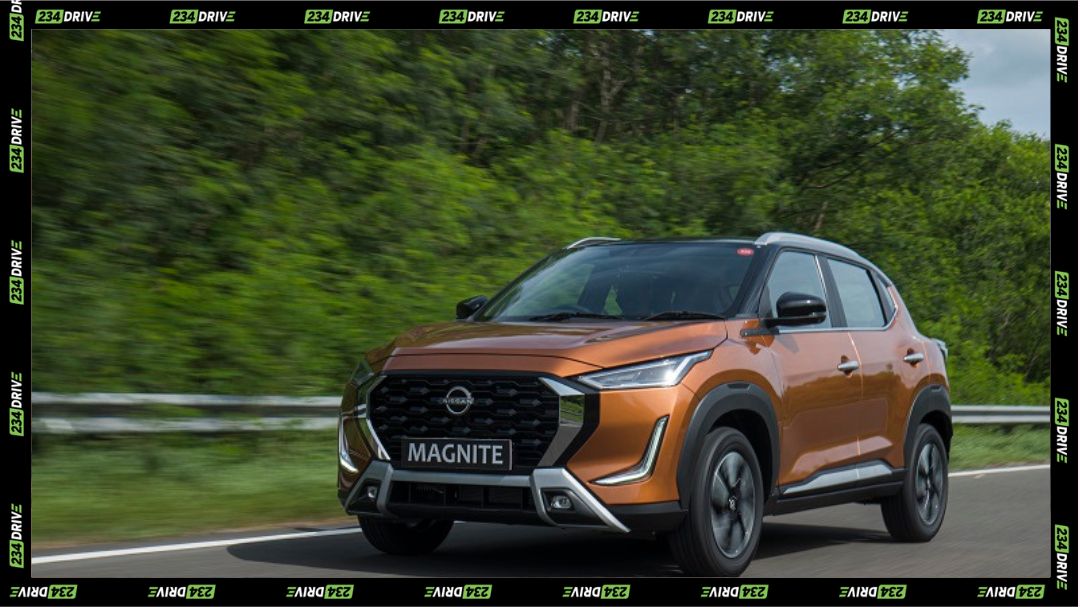
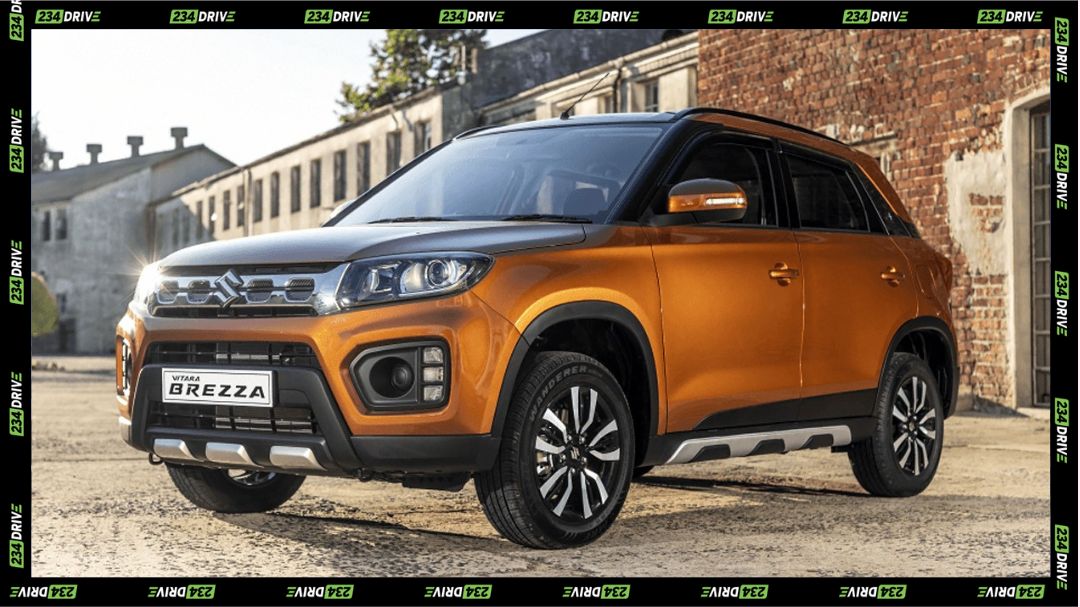
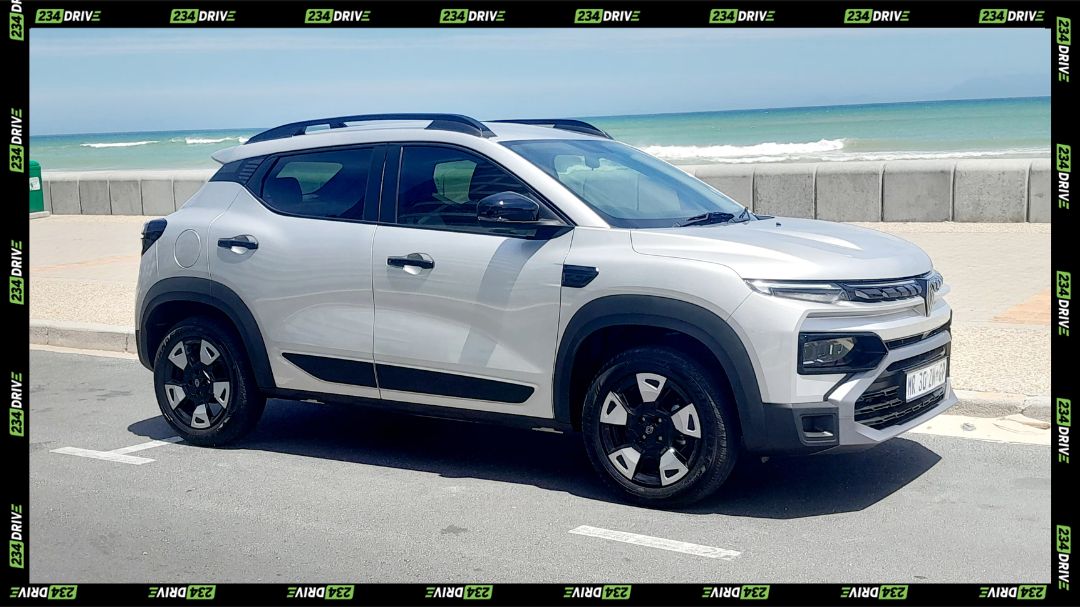
The Mahindra XUV 3XO enters a highly contested segment, facing off against established market leaders such as the Hyundai Venue, Suzuki Vitara Brezza, Nissan Magnite, and Renault Kiger. Its competitive positioning is defined by its aggressive pricing—with the base model starting at R259,999—and its unmatched feature density at various price points. Checking the AX5-auto Specs in South Africa shows that variants like the 1.2T MX3 MT, priced at R279,999, offer premium features such as a single-pane sunroof, 10.25-inch infotainment, and a wireless charger, making it a compelling value sweet spot that rivals struggle to match for the same outlay. While top variants approach R405,000, where value is harder to justify against more premium offerings, the mid-range XUV 3XO consistently delivers more kit for less capital.
In terms of resale value, durability, and maintenance, the XUV 3XO benefits from Mahindra’s well-established network in South Africa and a reputation for low ownership costs. The comprehensive 5-year/150,000 km warranty and specific service plans (3 years/55,000 km for MX; 5 years/100,000 km for AX) keep the running expenses below the segment average. While competitors like the Hyundai Venue might currently hold a slight edge in perceived quality and fuel efficiency, the XUV 3XO counteracts this with superior interior space, a more modern design, and highly competitive capped-price servicing, making it a genuinely viable long-term proposition for budget-conscious buyers who prioritise feature content.
Conclusion
The Mahindra XUV 3XO is a significant, well-executed evolution of its predecessor, marking a clear intent by the brand to disrupt the compact SUV segment in South Africa. Its greatest strengths lie in its modern, appealing design, a remarkably feature-packed interior, and its excellent value proposition, particularly in the mid-range MX3 variant. While minor drawbacks such as the engine’s performance at highway speeds, sensitive safety systems, and disappointing real-world fuel economy figures exist, the XUV 3XO provides a level of specification and comfort rarely found at its price point. It represents a compelling, modern choice for the urban driver and a substantial step forward for the Mahindra brand. Readers interested in browsing XUV 3XO cars for sale can explore current listings.
We invite readers to share their thoughts: Have you test-driven the new XUV 3XO, and how do you feel it stacks up against its established segment rivals in the South African market?