
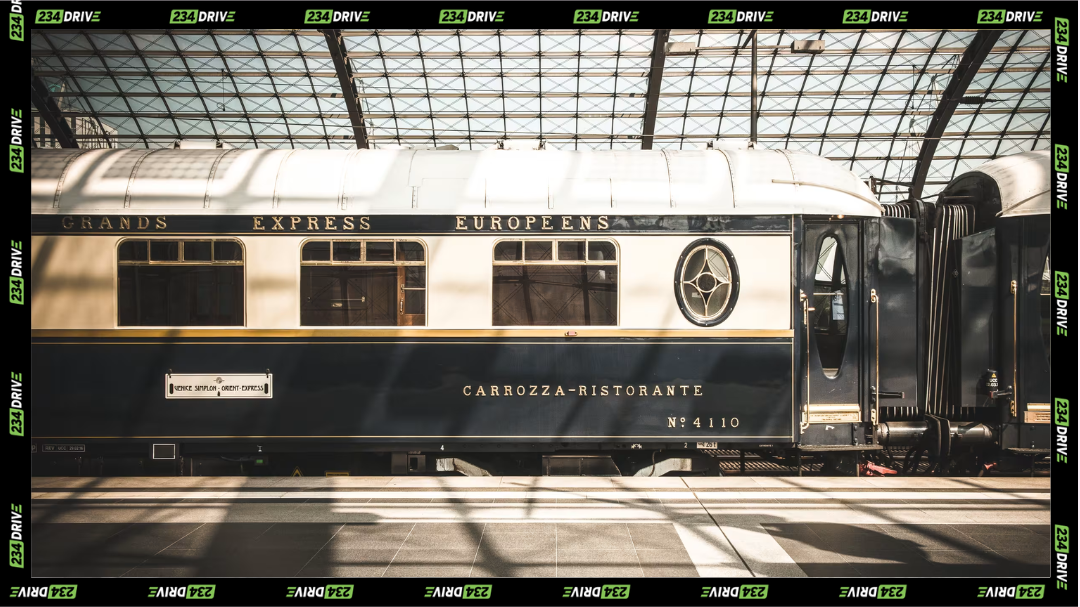
Bathed in filtered station light, the Orient Express stands still, moments before turning time and distance into part of the experience. | Source: Belmond
The Venice Simplon-Orient-Express still sets the standard for overnight luxury rail travel in Europe, carrying guests from Paris to Venice in one seamless, carefully purposed journey. Departing Paris in the late afternoon and arriving in Venice the following day, a route that turns a simple location transfer into a full experience built around comfort, food, scenery, and time well spent.
From Dinner in Paris to Morning in the Alps, Aboard the Orient-Express
The journey begins before dinner in Paris. So right after guests board the train and settle into their cabins, they prepare for a luxury welcome of an evening on the rails. As the train moves through France and into the Alps, dinner becomes the main event. Chefs serve seasonal menus in restored dining cars, guided by Jean Imbert, with wines chosen by onboard sommeliers. Later, the bar car takes over, mixing cocktails, live piano music, and easy conversation that carries on until midnight brunch.
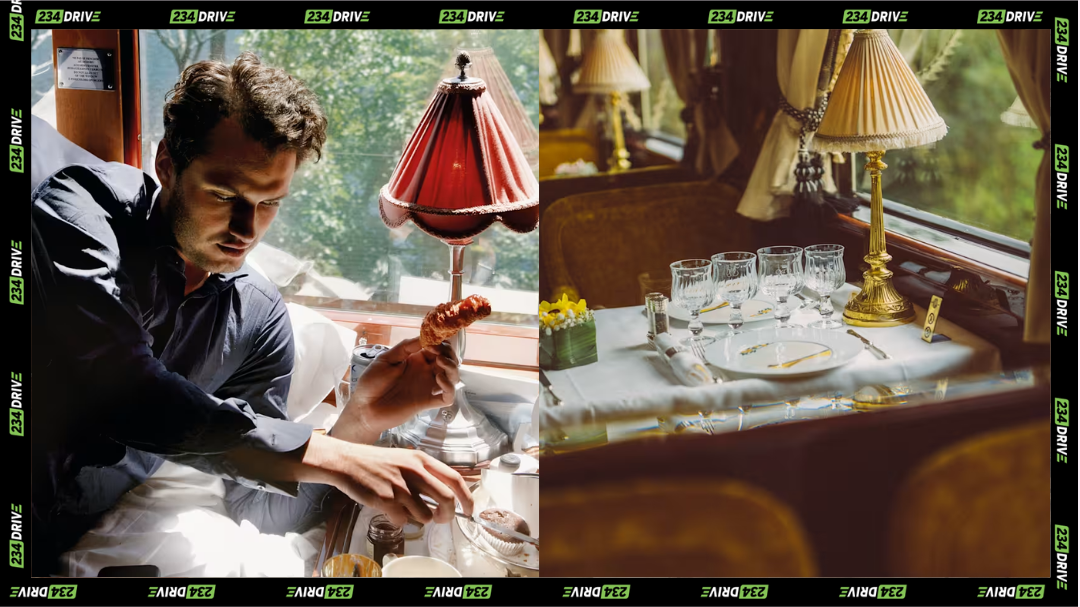
As your mornings unfold slowly, you can decide to have breakfast served in your cabin or enjoy it in the dining car with passing scenery. | Source: Belmond
If you decide to turn in early, stewards will have already prepared your sleeping quarters while you enjoy the evening. Cabins prioritise privacy and rest, with staff available throughout the night. Morning arrives with coffee and pastries served directly to the cabin, or you could choose to use the dining cart and enjoy breakfast with views of Switzerland’s mountain routes. The pace slows during the day. Guests move between carriages, enjoy lunch in the dining car, browse the onboard boutique, or simply watch the scenery change as Italy approaches. By late afternoon, the train crosses the Venetian Lagoon and arrives at Santa Lucia Station.
Where You Sleep, What It Costs, and How to Dress
Accommodation ranges from historic twin cabins to full suites and grand suites. Historic cabins offer private seating by day and sleeping berths by night, with shared facilities. Suites add double or twin beds and private marble bathrooms. Grand suites expand the space further, with living areas, private dining, butler service, and free-flowing champagne. But at the peak luxury level is L’Observatoire, which occupies an entire carriage designed as a private apartment on rails. Prices vary by accommodation and season, starting at around £4,000 per person for historic cabins, rising to around five figures for suites and grand suites.
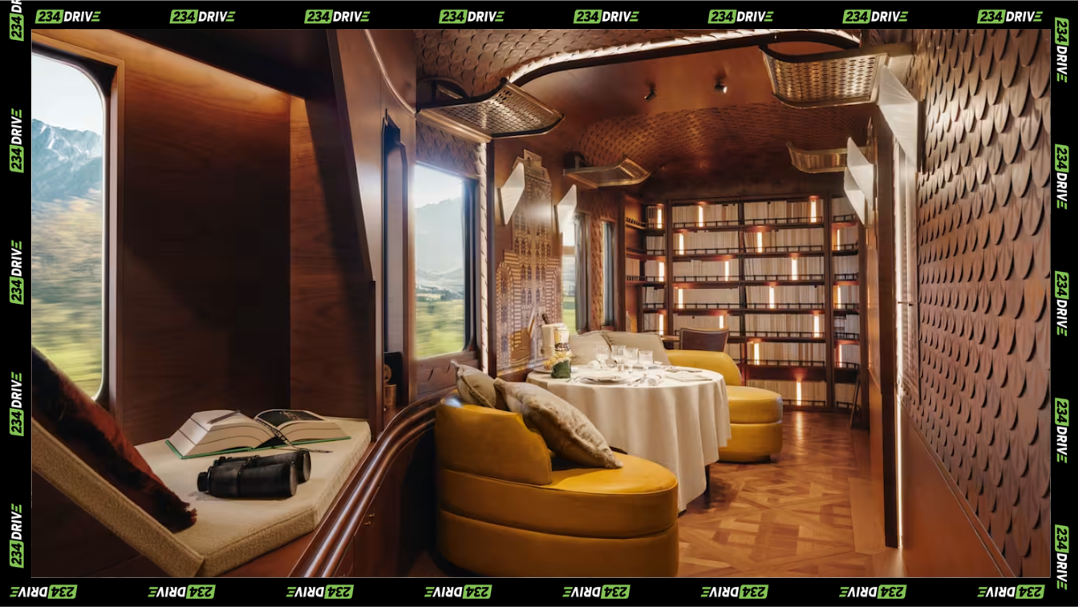
L’Observatoire. A private cabin that shifts easily from day to night, offering space to relax, dine, and watch Europe pass quietly outside. | Source: Belmond
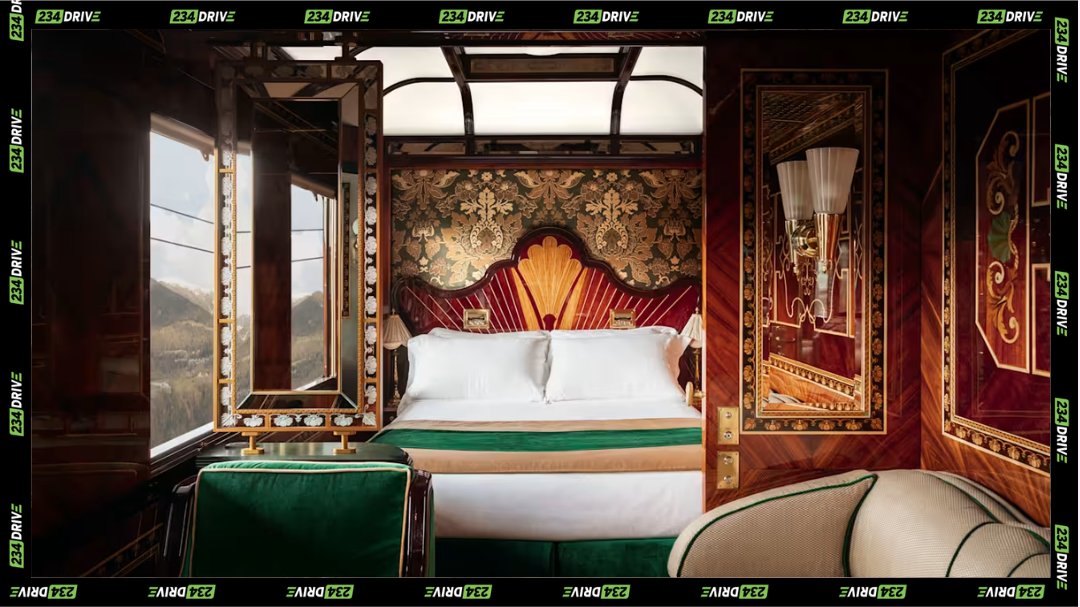
A Master suite for a more spacious retreat with refined details, soft lighting, and wide windows, designed for deep rest as the train glides onward. | Source: Belmond
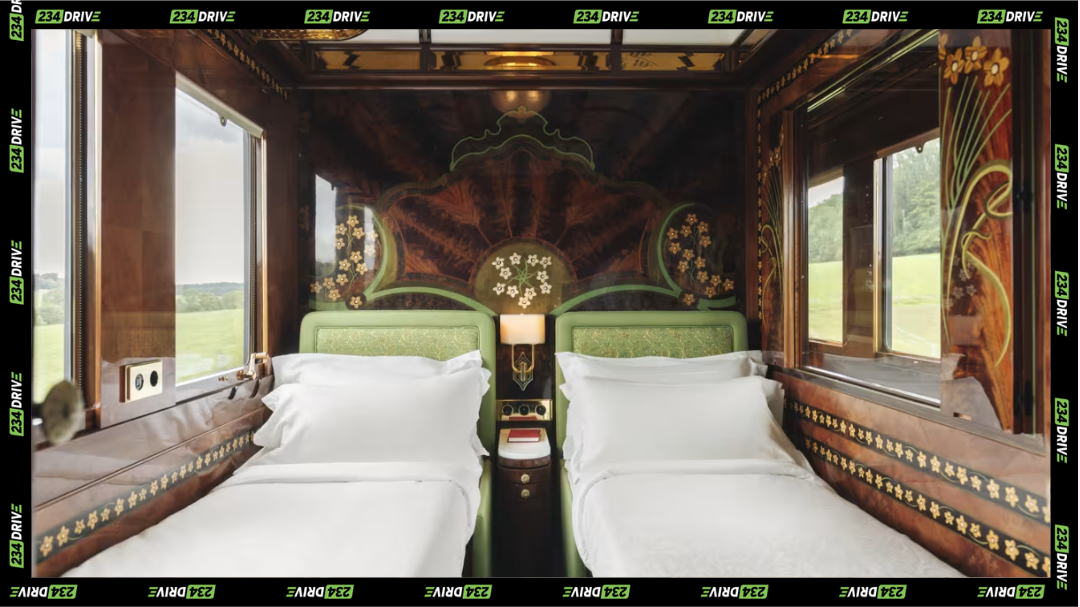
Suites offer a proper bed, private bathroom, and comfortable living space, balancing everyday ease with subtle luxury throughout the journey. | Source: Belmond
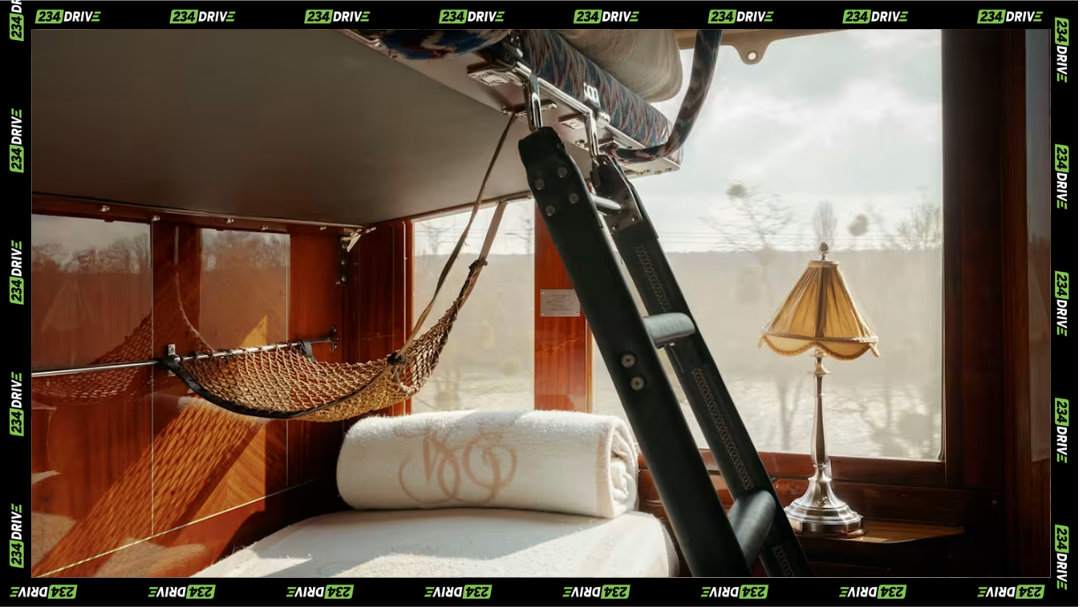
Historic Cabin has the classic twin cabins that preserve the original Orient-Express feel, with daytime seating that converts into sleeping berths by night. | Source: Belmond
The train welcomes children, including infants, though it maintains an adult-focused atmosphere. Families are advised to go for the larger accommodations, while the train manager oversees access to public cars.
Dressing matters on this journey, though there are no rigid rules, just gentle guidance to help guests feel comfortable and at ease. Evenings lean toward formal wear, with many choosing black tie or full evening gowns. During the day, guests wear smart attire. A jacket suits lunch service, and the train does not permit jeans at any time.
The Golden Age Returns, and Prices Are Rising
Looking ahead, prices are expected to rise from 2027 as full Orient-Express services return across Europe, making current departures an attractive window to travel. And for those seeking rail experiences beyond Europe, luxury routes in South Africa and Zambia offer memorable alternatives that capture the romance of slow travel closer to home.