
The transition towards sustainable transport in Kenya has reached a pivotal juncture as of early 2026. While the automotive landscape was historically dominated by internal combustion engines, a dramatic 561% surge in electric vehicle (EV) registrations throughout 2025 has signaled a profound shift in consumer appetite. Although e-motorcycles and buses lead the volume, the passenger car segment is expanding rapidly, supported by government tax incentives, a growing network of over 300 charging facilities, and the emergence of local assembly hubs in Mombasa and Naivasha. Modern Kenyan buyers are increasingly prioritising long-term fuel savings and reduced maintenance costs over traditional automotive prestige.
This evolving market is now defined by a diverse range of options, from affordable used imports to cutting-edge luxury sedans. Leading the charge are established brands like Nissan and Hyundai, alongside disruptive Chinese manufacturers such as BYD and Dongfeng, which are leveraging local assembly to offer competitive pricing. As the infrastructure expands along major corridors like the Nairobi-Mombasa highway, electric cars are transitioning from niche curiosities to practical daily drivers. This guide explores the top five electric cars currently defining the Kenyan market, assessing their design, performance, and suitability for the unique local driving environment.
1. Nissan Leaf
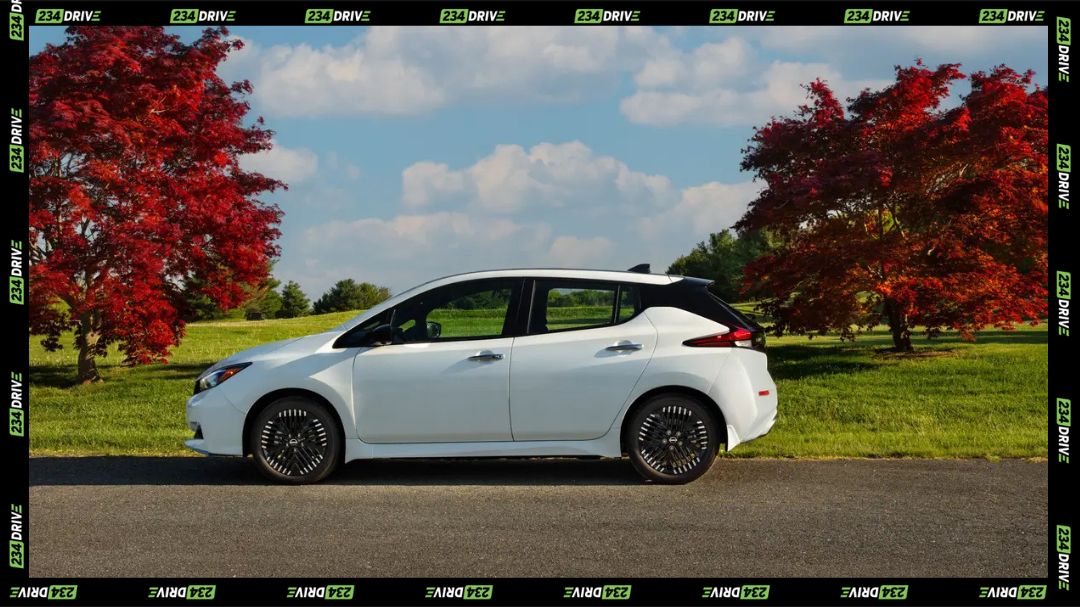
The Nissan Leaf remains the most recognisable face of the electric revolution in Kenya, primarily dominating the “foreign used” import market. Its exterior design is characterised by a sleek, aerodynamic profile with a distinctive V-motion grille and signature “boomerang” LED lighting. The car’s low-slung stance and smooth contours are not merely aesthetic; they are engineered to reduce drag and maximise battery efficiency. On Kenyan roads, its compact hatchback dimensions make it exceptionally nimble for navigating the dense traffic of Nairobi’s Central Business District or the narrow streets of Old Town Mombasa.
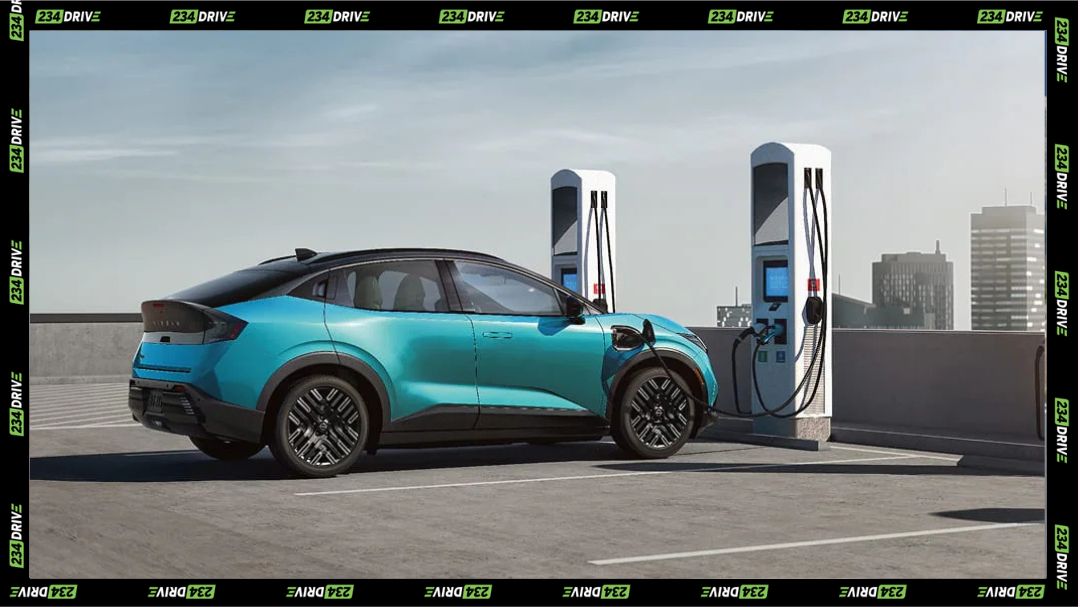
Inside, the Leaf offers a surprisingly spacious cabin focused on user-friendly technology. It features an intuitive infotainment system and the innovative e-Pedal, which allows drivers to start, accelerate, decelerate, and stop using only the accelerator pedals, a feature particularly useful in “stop-and-go” Kenyan traffic. Performance is delivered via a 40kWh or 62kWh battery, providing a range between 240km and 270km. For those looking to buy in Kenya, the used price point typically ranges from Ksh 2.5 million to Ksh 4 million, representing the most accessible entry point for middle-class Kenyans.
2. BYD Dolphin
The BYD Dolphin has quickly become a standout contender in the budget-conscious segment, praised for its modern “Ocean Aesthetics” design language. The exterior features a short overhang and a long wheelbase, giving it a playful yet sophisticated appearance that stands out amongst traditional hatchbacks. Its rounded edges and vibrant colour options appeal to a younger demographic of urban professionals. Despite its compact footprint, the Dolphin possesses a confident road presence, assisted by sharp LED headlamps and a continuous rear light bar that mimics the movement of waves.
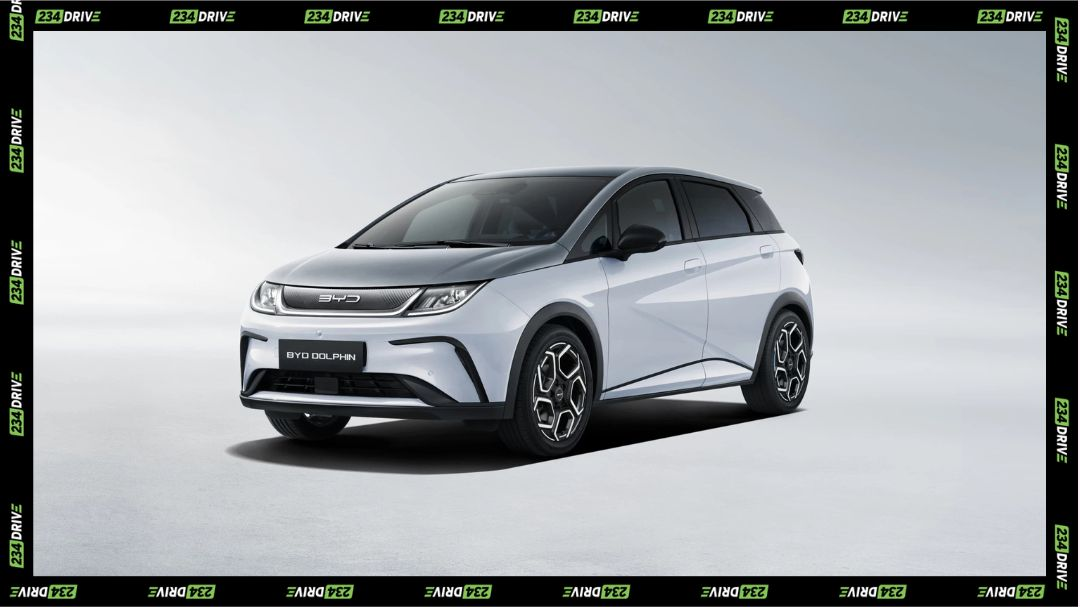
Technologically, the Dolphin punches well above its weight class. The interior is defined by a rotatable 12.8-inch touchscreen that controls almost all vehicle functions, providing a high-tech feel rarely found at this price point. It utilises BYD’s acclaimed Blade Battery technology, which is widely regarded as one of the best value electric cars currently entering the African market. With a battery delivering roughly 295km of range and a price tag between Ksh 2.4 million and Ksh 3.8 million, it offers an exceptional balance of price and performance for city commuters.
3. Hyundai Kona Electric
As one of the few long-range electric SUVs widely available through official dealerships like Hyundai Kenya, the Kona Electric offers a premium, versatile experience. Its exterior is distinguished by a closed-off grille and “twin” headlamp design, creating a futuristic look that separates it from its petrol-powered siblings. The rugged SUV styling, complete with protective cladding around the wheel arches, suggests a level of durability that resonates with Kenyan drivers who frequently transition from paved highways to more uneven suburban roads.
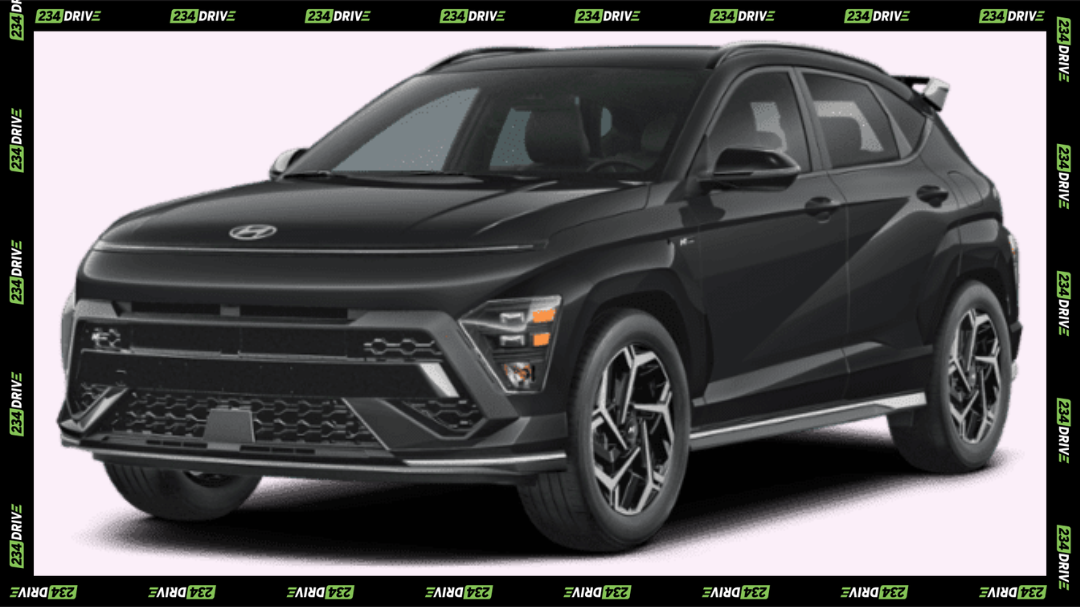
The Kona’s interior is a masterclass in ergonomic design, featuring high-quality materials and a bridge-type centre console that houses shift-by-wire buttons. Performance is robust, with the 64kWh version producing 201 horsepower and an impressive range of up to 480km, making it a comprehensive buying guide choice for those needing family-sized space. Advanced safety features, including lane-keeping assist and blind-spot collision warning, make it a top choice for families. Priced around Ksh 5 million, it justifies the cost through its range and build quality.
4. Tesla Model 3
The Tesla Model 3 represents the pinnacle of electric luxury and performance for the tech-savvy Kenyan elite. Its exterior is famously minimalist, devoid of a traditional grille and featuring a panoramic glass roof that stretches from front to back. The flush door handles and sleek, uncluttered lines contribute to a class-leading drag coefficient. On the streets of Runda or Karen, the Model 3 serves as a significant status symbol, signalling both wealth and a commitment to global technological trends.
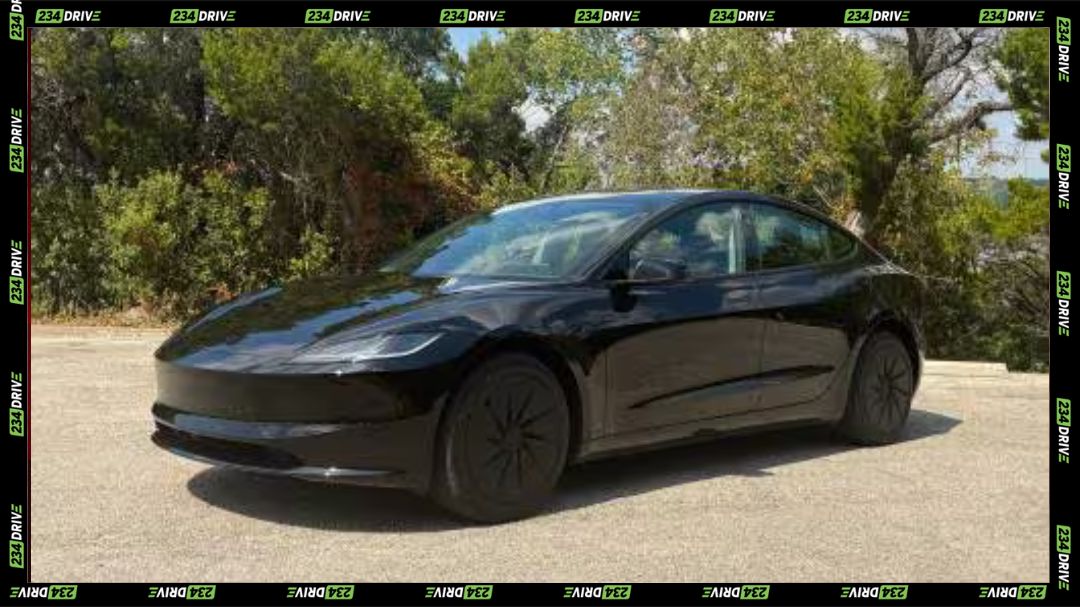
The interior is unlike any other car on this list, centred entirely around a 15-inch horizontal touchscreen that replaces almost all physical buttons. Tesla’s software-heavy approach allows for “over-the-air” updates, meaning the car’s performance and features can improve over time. With a staggering range of up to 570km and a 0-100km/h time of just 3.3 seconds, it remains one of the top 5 electric vehicles for high-spec performance enthusiasts. Prices vary based on import duties, typically ranging from Ksh 2.5 million for older used models to over Ksh 15 million.
5. Dongfeng ePureCitie
The Dongfeng ePureCitie is a symbol of the “new era” of Kenyan motoring local assembly. Assembled at the Associated Vehicle Assemblers (AVA) plant in Mombasa, this hatchback is designed specifically with the African urban market in mind. Its design is functional and modern, featuring a compact “city car” silhouette that prioritises visibility and ease of parking. While it may lack the aggressive styling of a Tesla, its clean lines and practical proportions make it an ideal fleet vehicle for taxis or corporate transport.
Performance-wise, the ePureCitie is tailored for the daily grind. It comes in trims offering ranges between 330km and 430km, which is more than sufficient for multi-day urban use. The interior is simple but effective, offering essential modern connectivity and a durable cabin built to withstand heavy daily use. As the Chinese electric car assembly sector continues to grow, this model benefits from significant tax waivers, allowing it to be priced competitively between Ksh 4 million and Ksh 4.5 million.
Regional Suitability and Lifestyle Integration
The relevance of these electric vehicles in Kenya is deeply tied to the country’s unique driving conditions. For urban residents in Nairobi or Kisumu, the daily commute rarely exceeds 70km, making even the entry-level Nissan Leaf or BYD Dolphin perfectly viable for a full week of driving on a single charge. Furthermore, Kenya’s reliance on renewable energy—primarily geothermal and wind—means that charging an EV is not only cheaper than petrol but also remarkably green. The instant torque of electric motors is also a hidden advantage for navigating the steep inclines of the Rift Valley or the Central Highlands.
However, practical considerations remain at the forefront of the ownership experience. While the climate is generally favourable for batteries (avoiding the extreme cold that saps range in Europe), the dust and occasional flooding during rainy seasons necessitate cars with decent ground clearance and robust sealing. The prestige associated with EVs is currently at an all-time high, often surpassing that of traditional luxury German marques, as early adopters are viewed as forward-thinking pioneers. Maintenance is another strong suit; with fewer moving parts, these vehicles avoid the frequent oil changes and spark plug replacements required by internal combustion engines, though buyers must ensure they have access to technicians trained in high-voltage systems.
Market Comparison and Resale Value
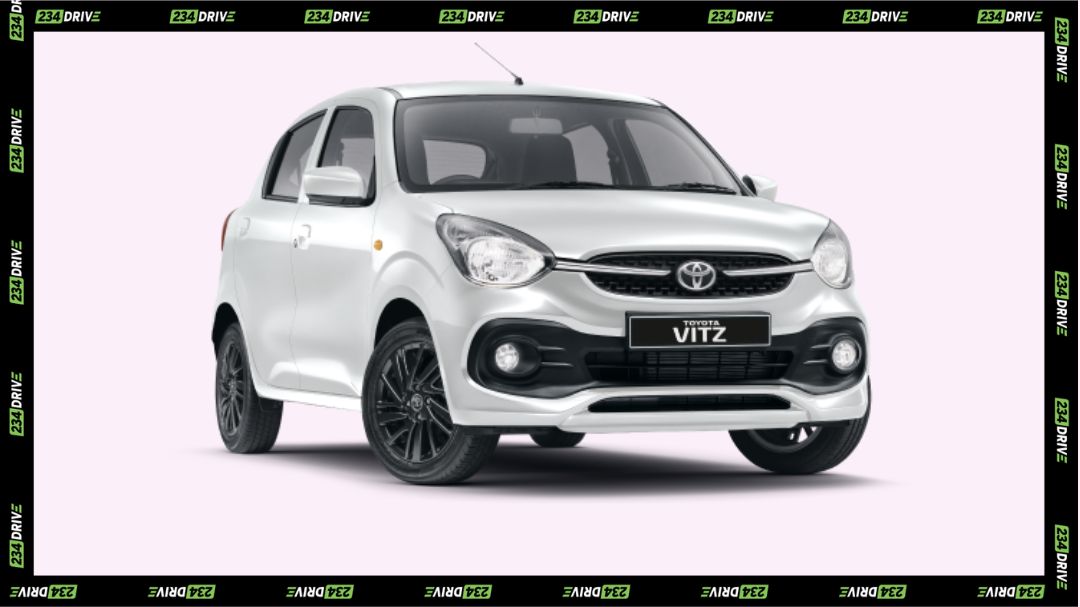
When compared to their segment rivals, these EVs offer a compelling but distinct value proposition. In the compact hatchback category, the BYD Dolphin and Nissan Leaf are significantly cheaper to run than a Toyota Vitz or Mazda Demio, although their initial purchase price is higher. The resale value of the Nissan Leaf is currently the most stable in Kenya due to its established presence and the availability of second-hand battery modules. In contrast, the Dongfeng ePureCitie is positioned as a durability leader for commercial use, offering a lower total cost of ownership over five years compared to a petrol-powered equivalent.
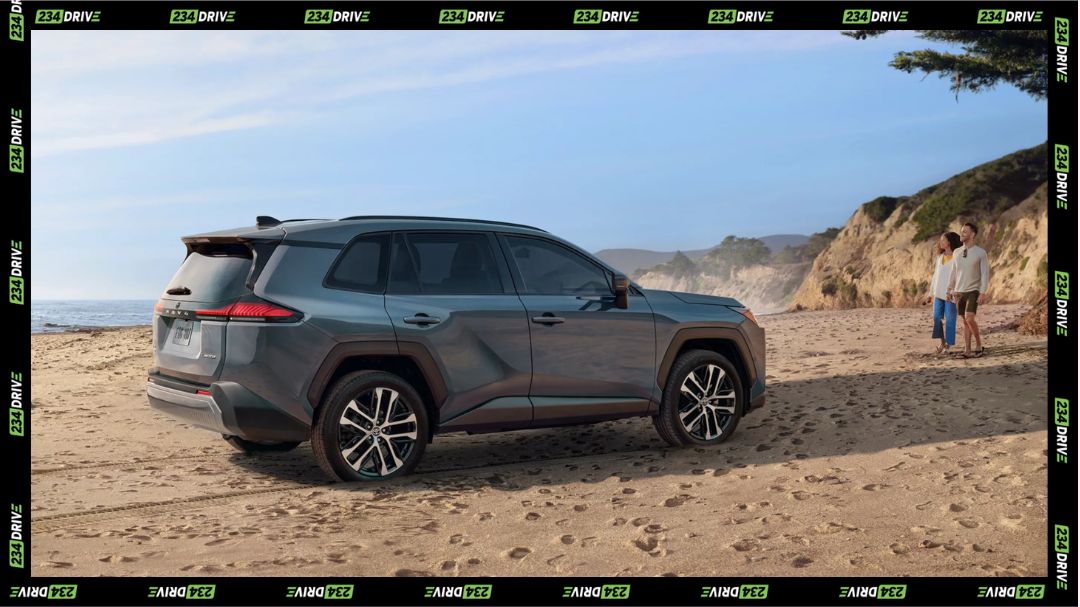
In the SUV and luxury segments, the Hyundai Kona Electric and Tesla Model 3 face competition from the likes of the Toyota RAV4 Hybrid or Mercedes-Benz C-Class. While the Tesla may have higher repair costs due to specialised parts, its prestige and “wow factor” currently allow it to command high prices on the used market. The Hyundai Kona, however, is likely to be the more practical long-term investment for the average family, as its components are more traditional and its dealership support in Kenya is more robust. As more charging stations appear at malls and petrol stations, the “range anxiety” that once hampered EV resale values is quickly evaporating.
Conclusion
Kenya’s electric vehicle market in 2026 offers a fascinating glimpse into the future of African mobility. Whether you prioritise the affordability of a used Nissan Leaf, the high-tech appeal of a BYD Dolphin, the rugged versatility of the Hyundai Kona, the prestige of a Tesla, or the local reliability of a Dongfeng, there is now an electric option for almost every lifestyle. These vehicles are no longer just environmental statements; they are practical, cost-effective solutions for the modern Kenyan driver.
What are your thoughts on the transition to electric cars? Would you consider trading in your current petrol vehicle for one of these top-tier EVs, or does the charging infrastructure still give you pause? Share your opinions and experiences in the comments below!