
The Toyota Matrix, officially known as the Toyota Corolla Matrix, has established a formidable legacy within the global automotive industry as a versatile and dependable compact hatchback. Throughout its production run from 2003 to 2014, the vehicle carved out a unique niche by blending the mechanical reliability of the world-renowned Corolla with a more adventurous, wagon-like utility. Its “career” is defined by a strategic partnership between Toyota and General Motors, resulting in a vehicle that offers the driving dynamics of a car with the interior flexibility of a small SUV. In the public eye, particularly across West African markets, the Matrix is viewed as a robust, no-nonsense choice for individuals who require a vehicle capable of navigating dense urban traffic while providing enough cargo space for diverse weekend activities.
In Nigeria, the public image of the Toyota Matrix is one of unparalleled resilience and practical sophistication. Owners often gravitate toward the model for its reputation for “bulletproof” engineering and its ability to maintain high resale value even after years of local use. The vehicle’s taste in design reflects a preference for functionality over fleeting trends; its tall, narrow profile and flared wheel arches suggest a sporty character that appeals to youthful professionals and small families alike. As we move out of early 2026, the Matrix remains a cornerstone of the secondary car market in Nigeria, holding its ground against newer crossovers due to its accessible maintenance costs and the widespread availability of skilled technicians familiar with its Corolla-based architecture.
The First Generation Toyota Matrix (2003–2008)
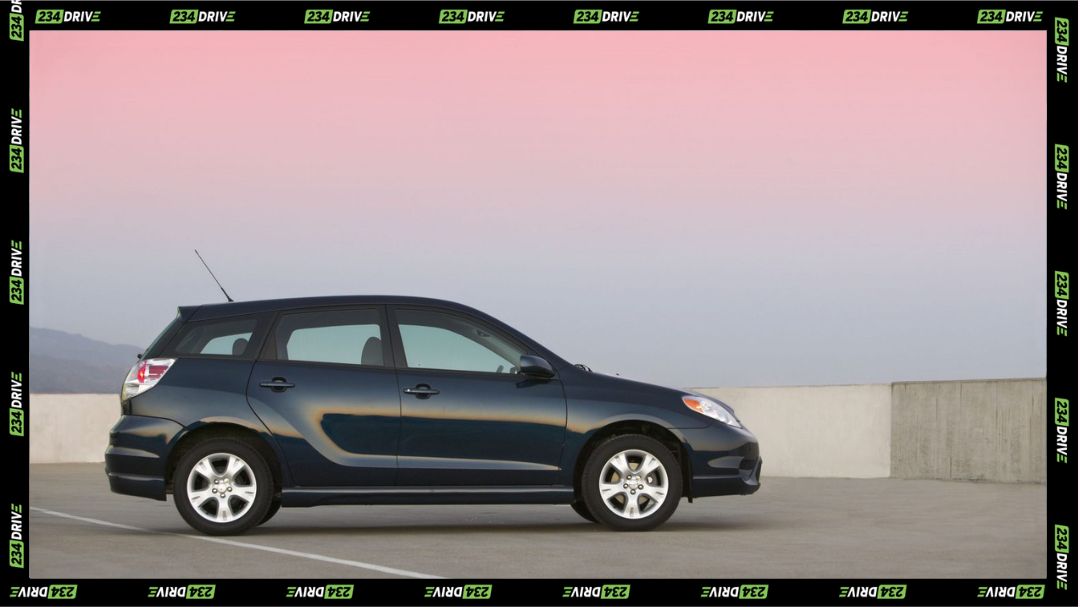
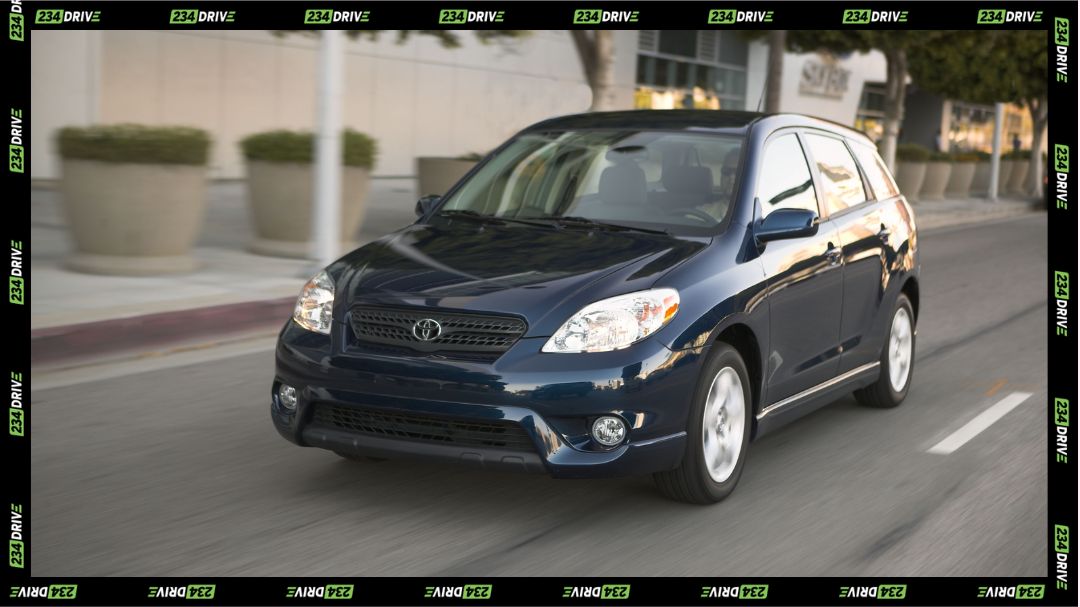
The exterior design of the first-generation Toyota Matrix, finalised by Craig Kember, introduced a “sport wagon” aesthetic that was ahead of its time. Its road presence is characterised by a distinctive tall roofline and a sharp, angular front fascia that distinguishes it from the more conservative Corolla saloon of the same era. The vehicle features a high beltline and integrated roof rails on higher trims, lending it a crossover-inspired silhouette that remains visually relevant on Nigerian roads today. With a compact wheelbase of 102.4 inches and a width of 69.9 inches, the first-generation Matrix offers an agile footprint, making it exceptionally easy to manoeuvre through the tight streets of Lagos or the busy commercial centres of Kano.
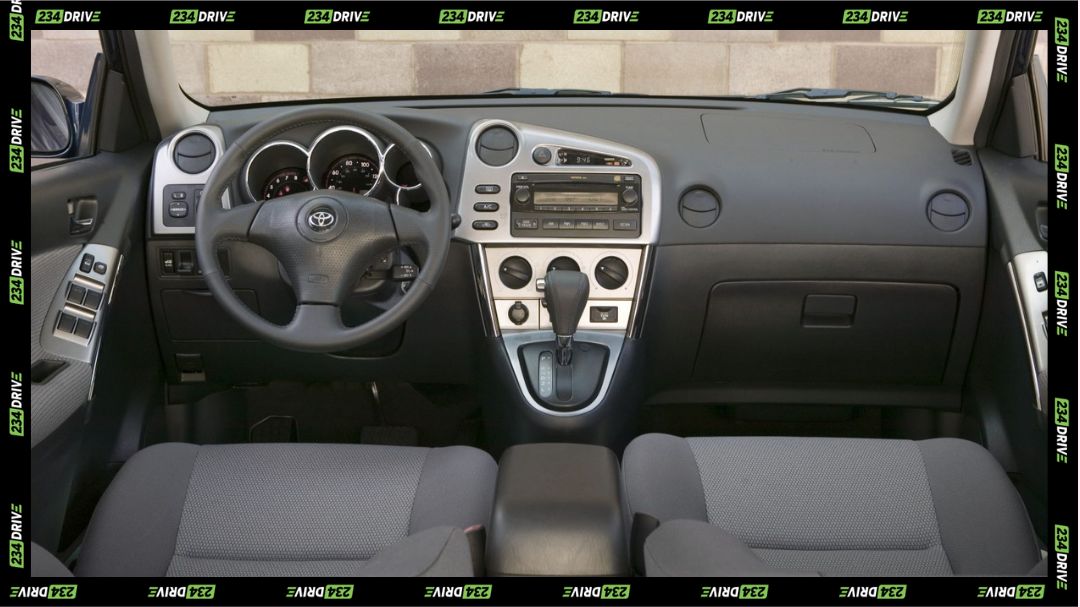
Internally, the first-generation Matrix prioritises utility without sacrificing driver comfort. The cabin is famously equipped with fold-flat rear seats that expand the cargo capacity to an impressive 53.2 cubic feet, complemented by a durable plastic floor lining designed for easy cleaning. Performance is anchored by the reliable 1.8-litre 1ZZ-FE engine, producing between 123 and 130 horsepower, though the performance-oriented XRS trim boasts the high-revving 2ZZ-GE engine with up to 180 horsepower. As of March 2026, recent market data indicates that locally-used units of this generation are typically priced between ₦3.36 million and ₦6 million, while well-maintained foreign-used (Tokunbo) models can fetch between ₦7 million and ₦9.5 million, depending on the mileage and specific trim level.
The Second Generation Toyota Matrix (2009–2014)
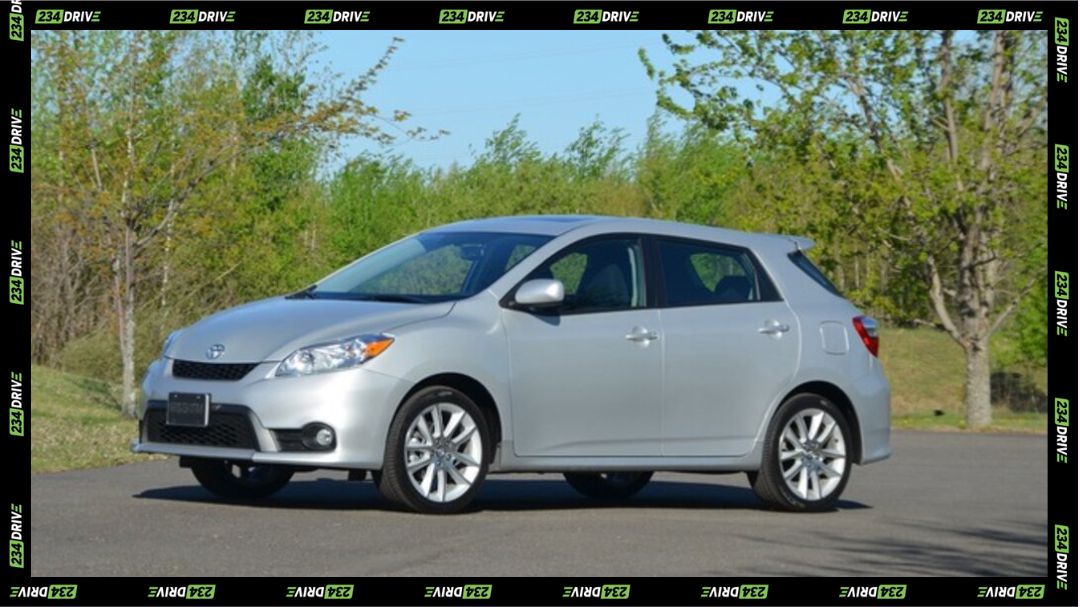
Redesigned by Hirofumi Fukui, the second-generation Toyota Matrix adopted a more refined and aerodynamic exterior that aligned with the tenth-generation Corolla’s design language. This iteration presents a more muscular road presence, featuring swept-back headlamps and a more pronounced shoulder line that flows into a sleek rear hatch. The S and XRS trims enhanced this aesthetic further with integrated body kits, fog lamps and larger alloy wheels, giving the vehicle a premium feel that belies its compact classification. Despite being discontinued in 2014, the styling of the second-generation Matrix remains sophisticated, often mistaken for a more modern hatchback by casual observers.
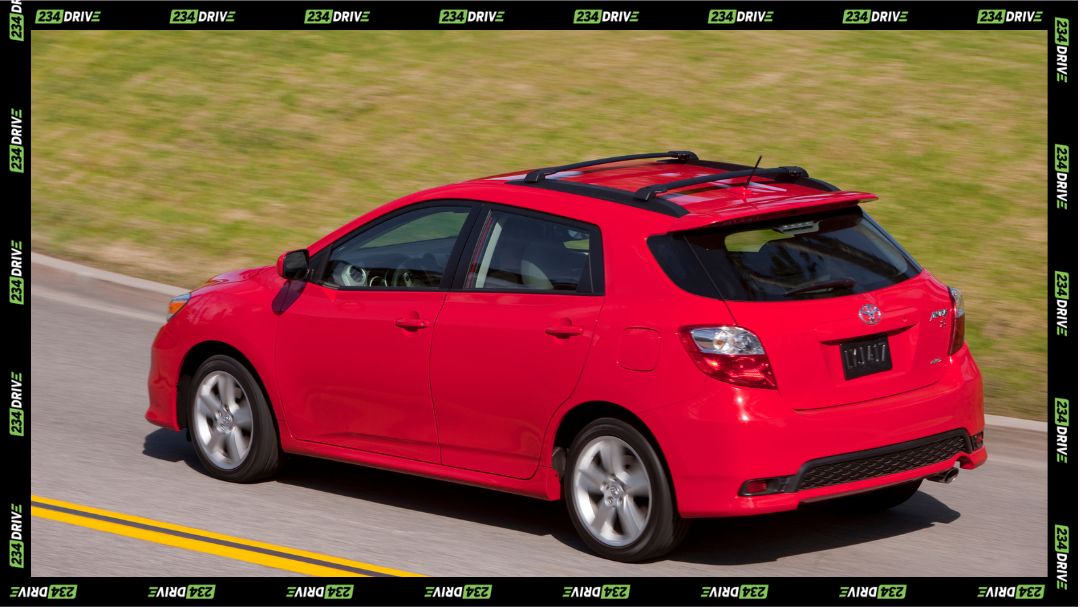
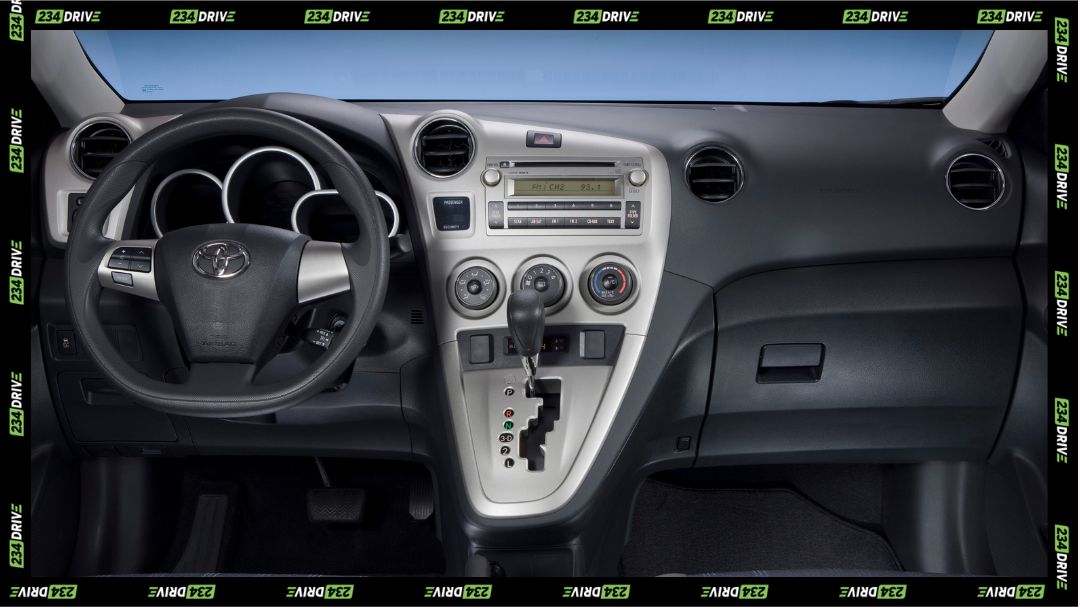
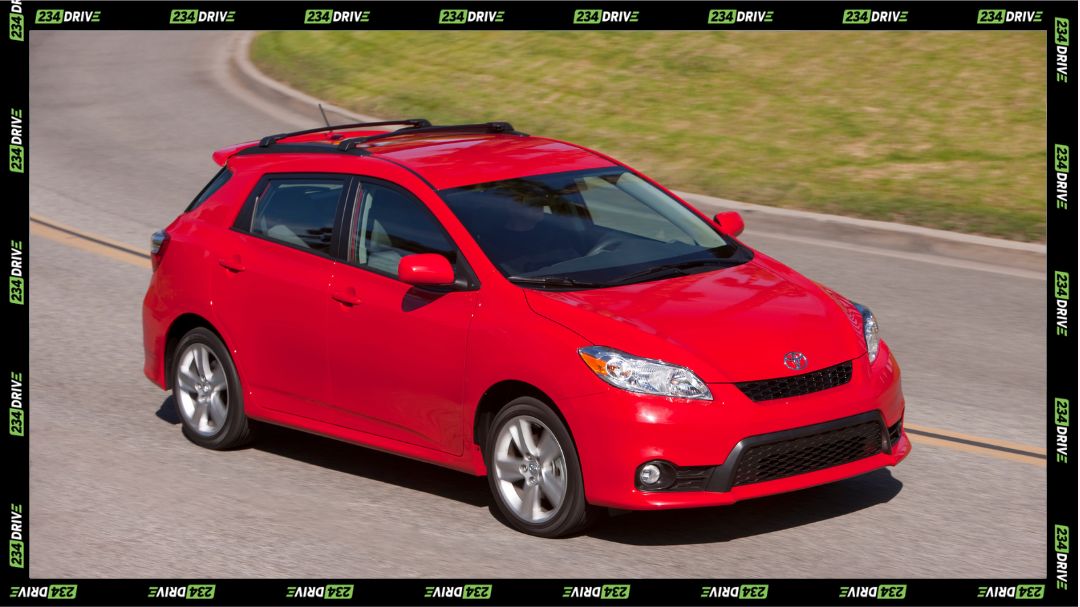
The interior of the second generation saw significant upgrades in materials and integrated technology, including the introduction of Bluetooth connectivity and improved seat ergonomics in the 2011 facelift. Safety was also a primary focus, with standard side airbags, Vehicle Stability Control (VSC) and Smart Stop Technology becoming standard features. Under the bonnet, buyers can choose between the fuel-efficient 1.8-litre 2ZR-FE engine (132 hp) or the more powerful 2.4-litre 2AZ-FE engine (158 hp) found in the S and XRS trims. Given the current economic landscape in 2026, foreign-used second-generation units are highly sought after, with prices ranging from ₦11.5 million to as high as ₦14.03 million for low-mileage 2012 or 2013 models. Locally-used equivalents generally range from ₦6.5 million to ₦9 million.
The Matrix in Nigeria
The relevance of the Toyota Matrix in Nigeria cannot be overstated, particularly when considering the specific driving conditions of the region. The vehicle’s ground clearance, while not as high as a dedicated SUV, is sufficient to navigate the majority of paved and semi-paved roads found in urban hubs like Abuja and Port Harcourt. Furthermore, the Matrix’s cooling system is renowned for its efficiency, a critical factor in Nigeria’s tropical climate where ambient temperatures frequently exceed 30 degrees Celsius. The ability of the air conditioning unit to remain effective during heavy traffic congestion is a significant selling point that directly impacts the comfort and well-being of the driver and passengers.
From a practical perspective, the prestige associated with the Toyota brand in Nigeria ensures a seamless ownership experience. The Matrix benefits from an extensive network of spare parts importers and local mechanics who possess deep technical knowledge of the vehicle’s components. This accessibility reduces downtime during repairs and keeps maintenance costs manageable compared to European rivals. For the everyday user, there are numerous verified Matrix listings available that offer a perfect balance: it is prestigious enough for a corporate office, yet rugged enough for the occasional long-distance journey. Its fuel efficiency, averaging between 25 and 30 mpg, also makes it an economically viable choice in an era of fluctuating petrol prices.
Competitive Positioning and Market Rivalry
When compared to its primary segment rivals, such as the Honda Fit (Jazz) or the Pontiac Vibe, the Toyota Matrix holds a distinct advantage in terms of resale value and brand trust within Nigeria. While the Honda Fit offers exceptional fuel economy and clever “Magic Seats,” the Matrix is often perceived as having a more durable suspension system, which is better suited to the rigours of Nigerian potholes. In terms of cost, the Matrix typically commands a premium of 15-20% over the Pontiac Vibe, despite the two sharing identical mechanical underpinnings. This price disparity is driven almost entirely by the Nigerian market’s strong preference for the Toyota badge, which translates into faster turnover when the owner eventually decides to sell.
In terms of durability and long-term maintenance, the Matrix consistently outshines many modern subcompact crossovers. While newer vehicles may offer more advanced infotainment systems, they often come with complex electronic sensors that can be difficult to calibrate or replace locally. The Matrix, by contrast, utilises straightforward mechanical systems that have proven their longevity over decades. Although the initial purchase price might seem high, searching for a Matrix in Lagos often reveals that the total cost of ownership over five years is lower due to minimal depreciation and affordable routine servicing. This makes it a strategic investment for buyers prioritising reliability over the latest gadgets.
Conclusion
The Toyota Matrix remains one of the most practical and respected vehicles in the Nigerian used car market in 2026. Its enduring popularity is a testament to Toyota’s commitment to building vehicles that transcend their original intended lifespan. With a price range spanning from ₦4 million for older workhorses to ₦14 million for pristine, late-model foreign-used units, there is a Matrix to suit a wide variety of budgets and needs. Whether you value the cargo-hauling capabilities of the first generation or the refined safety features of the second, the Matrix offers a compelling blend of utility, efficiency, and peace of mind.
We invite you to share your experiences with the Toyota Matrix in the comments below. Have you found it to be as reliable as its reputation suggests, or are you currently considering one as your next vehicle?