
There’s something almost mystical about the V12 engine. It’s the sound of royalty arriving, the mechanical heartbeat of automotive aristocracy, and the ultimate expression of engineering ambition. While the world races toward electrification, the V12 stands as a defiant monument to what internal combustion can achieve at its absolute peak.
Let me take you on a journey through the world of twelve-cylinder magnificence.
What Makes a V12 So Special?
Picture two straight-six engines joined at a common crankshaft, their cylinders splayed in a V shape, typically at a 60-degree angle. That’s your V12 engine configuration. This configuration isn’t just elegant on paper; it’s mechanically perfect. With twelve cylinders firing in sequence, three are always in their power stroke at any given moment. The result? A smoothness that makes even the finest V8 feel agricultural by comparison.
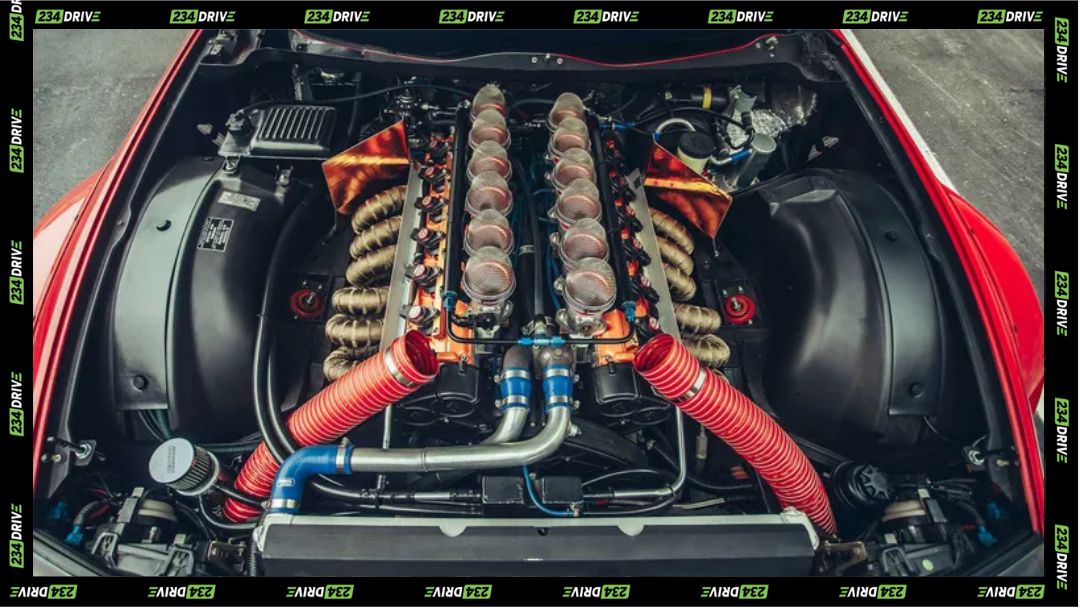
Every 60 degrees of crankshaft rotation brings another firing event, creating an almost seamless flow of power. The V12 achieves perfect primary and secondary balance without needing to balance shafts. It’s engineering poetry that translates into a driving experience unlike anything else. The engine doesn’t just run; it hums, purrs, and ultimately howls with a refinement that borders on the supernatural.
A Century of Cylinder Excess
The V12’s story doesn’t begin with cars at all. In 1904, London’s Putney Motor Works built the first V12 for racing boatsan 18.4-litre monster designed to slice through water faster than the competition. By 1913, the engine found its way into the custom “Toodles V” racing car, but mass production had to wait until 1915.
That year, three manufacturers simultaneously introduced V12-powered cars: Packard with its Twin Six, National, and Weidely. The Packard, producing a modest 88 horsepower, aimed squarely at Cadillac’s V8 and won the prestige battle decisively. Suddenly, twelve cylinders became the calling card of automotive luxury.
The 1930s represented the V12’s golden age. Daimler, Hispano-Suiza, Maybach, Rolls-Royce, and Cadillac all offered twelve-cylinder flagships. These weren’t just cars; they were rolling statements of wealth and refinement during an era when such displays mattered immensely.
Then came World War II, and V12s went to war. The Rolls-Royce Merlin engine, supercharged to produce up to 1,500 horsepower, powered the legendary Supermarine Spitfire. These aviation V12s proved that twelve cylinders could deliver not just smoothness, but devastating power.
Post-war, Americans abandoned the V12 in favour of simpler, cheaper V8s. Lincoln’s last V12 rolled off the line in 1948, and that seemed to be that for the United States. But Europe had other ideas.
The European Renaissance
In 1971, Jaguar dropped a 5.3-litre V12 into the E-Type, creating the Series 3a car that combined British elegance with Italian-grade performance. BMW followed in 1987 with the M70, an engine literally constructed by joining two inline-sixes. Mercedes-Benz unveiled its M120 in 1991. Aston Martin entered the V12 club in 1999.
These weren’t just engines; they were engineering statements. Each manufacturer proved that V12s could deliver modern performance while maintaining that characteristic smoothness that justified the complexity and cost.
The Engineering Trade-Off
Why aren’t V12s everywhere? Because excellence demands sacrifice.
On the positive side, you get unmatched smoothness, high-revving capability (the Gordon Murray T.50 screams to 12,000 rpm), and prestigious performance. The exhaust note alone justifies the engineering twelve cylinders creating a symphony that no V8 can replicate. As Enzo Ferrari famously believed, the engine is the heart of the car, and no heart beats quite like a V12.
But the downsides are substantial. V12s are long, requiring custom engine bays and careful chassis engineering. They’re heavy, demanding reinforced structures. Every component is double: twelve spark plugs, twice the camshafts, exponentially more complexity. Maintenance costs reflect this reality. Fuel efficiency? Let’s just say V12 owners don’t lose sleep over gas prices.
Modern emissions regulations make life even harder for these engines. That’s why contemporary V12s increasingly feature turbocharging or hybrid systems not just for power, but for survival. Understanding the V12’s pros and cons helps explain why they remain exclusive to the most premium vehicles.
The Survivors: V12s You Can Buy Today
In 2026, the V12 club has shrunk dramatically, but the remaining members are spectacular:
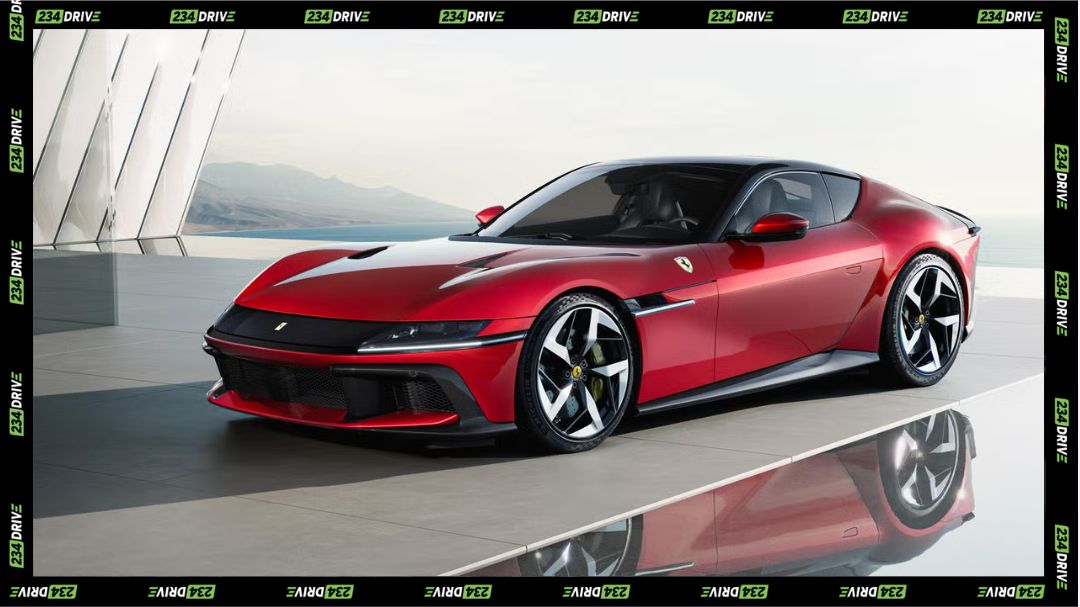
Ferrari 12Cilindri leads with a 6.5-litre naturally aspirated masterpiece producing 819 horsepower. Starting at $467,000, it represents Ferrari’s commitment to traditional V12 purity, no turbos, just revs and aural magnificence.
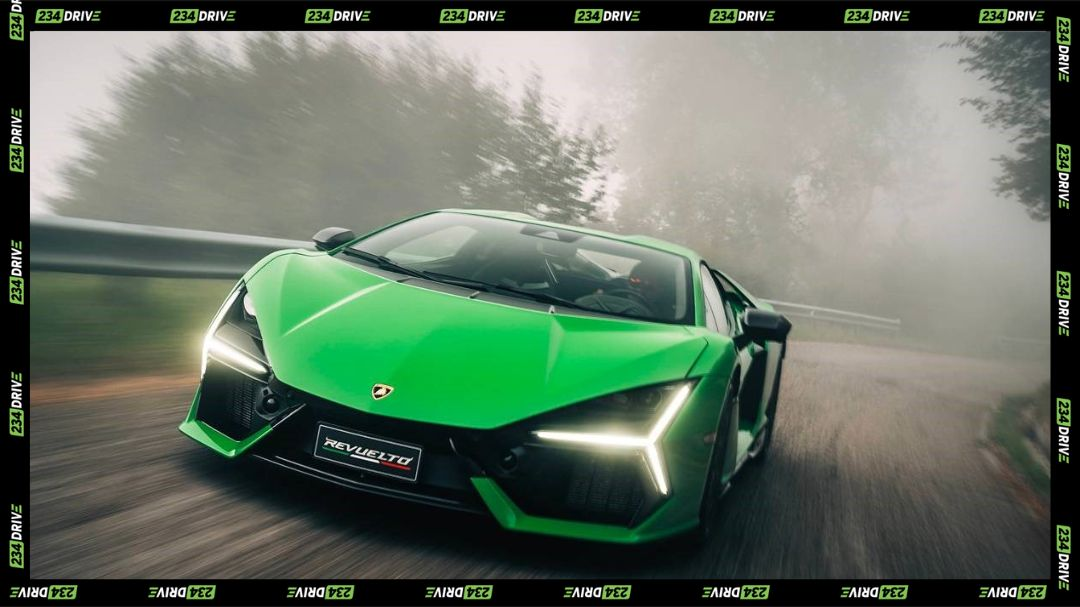
Lamborghini Revuelto takes a different approach: a 6.5-litre V12 paired with hybrid electric motors for a combined 1,001 horsepower. At $608,358, it proves electrification and V12 character can coexist.
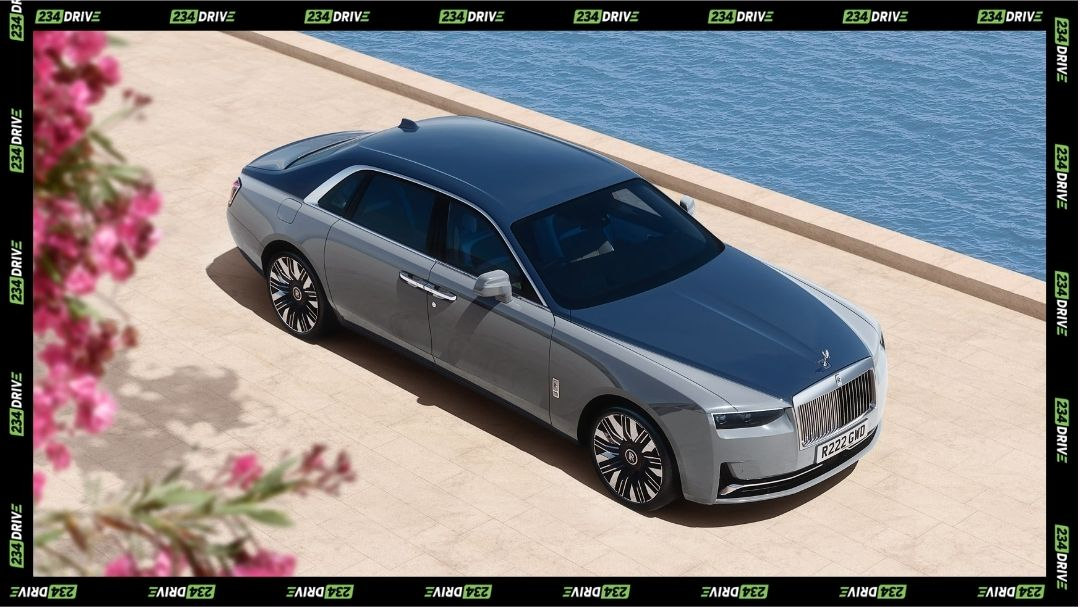
Rolls-Royce Phantom delivers 563 horsepower from a twin-turbocharged 6.7-litre V12, wrapped in unmatched luxury. The $505,750 starting price buys you the ultimate super-luxury sedan, where the V12’s smoothness perfectly complements Rolls-Royce’s obsession with silence.
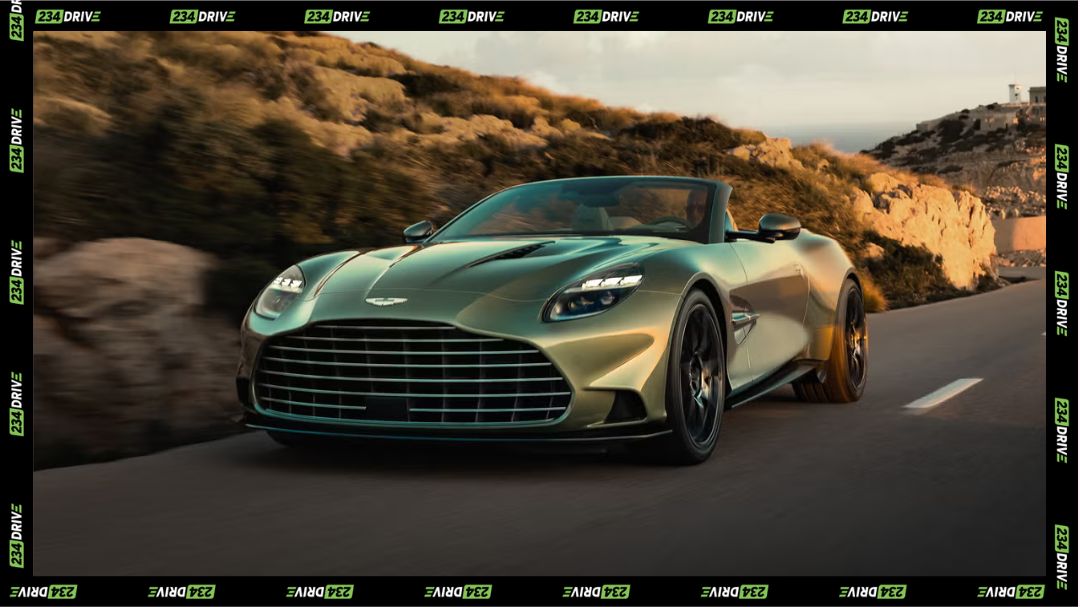
Aston Martin Vanquish offers 820 horsepower from a twin-turbo 5.2-litre V12, blending grand touring comfort with exotic performance for $429,000.
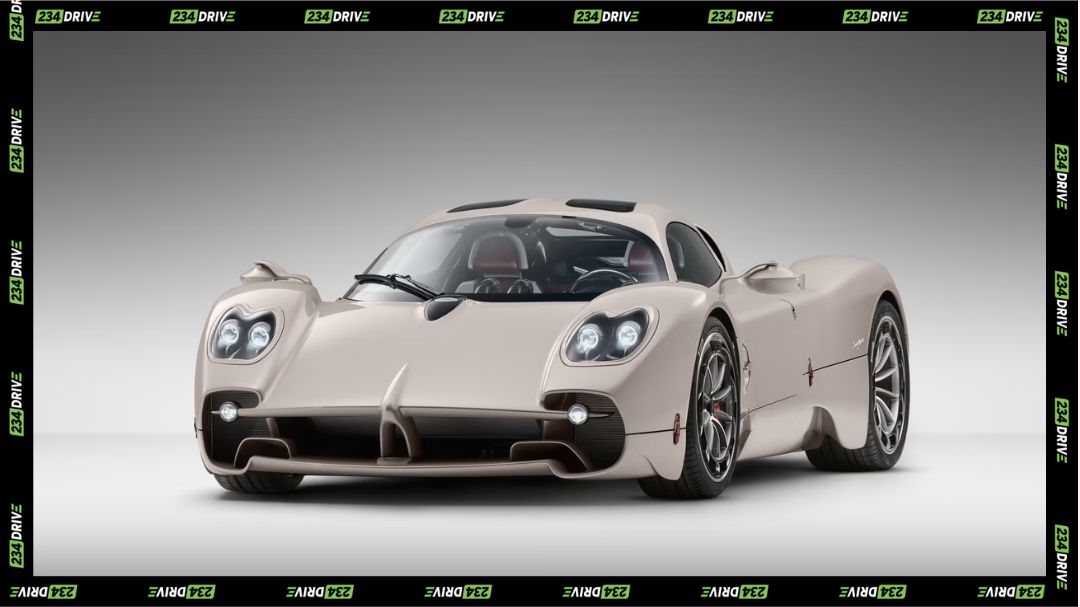
Pagani Utopia represents the hypercar extreme: 852 horsepower from an AMG-sourced twin-turbo 6.0-liter V12, wrapped in automotive sculpture. At an estimated $2.5 million, it’s V12 art.
For those seeking practical luxury (relatively speaking), the Mercedes-Maybach S680 delivers 621 horsepower and twelve-cylinder refinement starting at $235,450—the most accessible V12 sedan available.
If you’re curious about 12-cylinder cars available in today’s market, the selection is small but incredibly compelling.
Extinction or Evolution?
The European Union’s 2035 ban on new internal combustion engine sales looms large, but V12s aren’t finished yet. Markets in China, the Middle East, and other regions without such restrictions ensure continued demand.
Ferrari has pledged to offer V12s “as long as regulations allow,” targeting a 2030 lineup split between 40% pure combustion, 40% hybrid, and 20% fully electric. Lamborghini confirms its V12 future extends beyond 2030, primarily in hybridised form. Mercedes plans V12 production past 2030 wherever regulations permit, developing Euro 7-compliant versions and plug-in hybrid variants.
The future V12 won’t be the pure, naturally aspirated beast of yesteryear. It’ll be turbocharged, hybridised, and increasingly rare. But it will exist, serving buyers who value the experience above all else. The outlook for V8 and V12 survival suggests these engines will persist longer than many expect.
Why V12s Still Matter
In an age of electrification and efficiency, the V12 seems almost absurdly impractical. And that’s precisely the point. These engines exist not because they make economic sense, but because automotive passion demands expression beyond spreadsheets.
A V12 is automotive excess in its purest form: too many cylinders, too much complexity, too expensive to maintain. Yet when you experience that seamless power delivery, hear that glorious exhaust note, and feel the effortless thrust of twelve cylinders working in perfect harmony, practicality suddenly seems overrated.
The V12 represents what we lose when we optimise everything. It’s a reminder that sometimes, the best answer isn’t the most efficient one. As we march toward an electric future, the V12 stands as a testament to an era when engineering ambition and emotional appeal mattered as much as miles per gallon.
Looking back at the greatest V12 supercars ever created reminds us why these engines have earned their legendary status. These magnificent engines won’t last forever. But while they’re here, they remain automotive royalty loud, proud, and utterly unapologetic. Long may they reign.