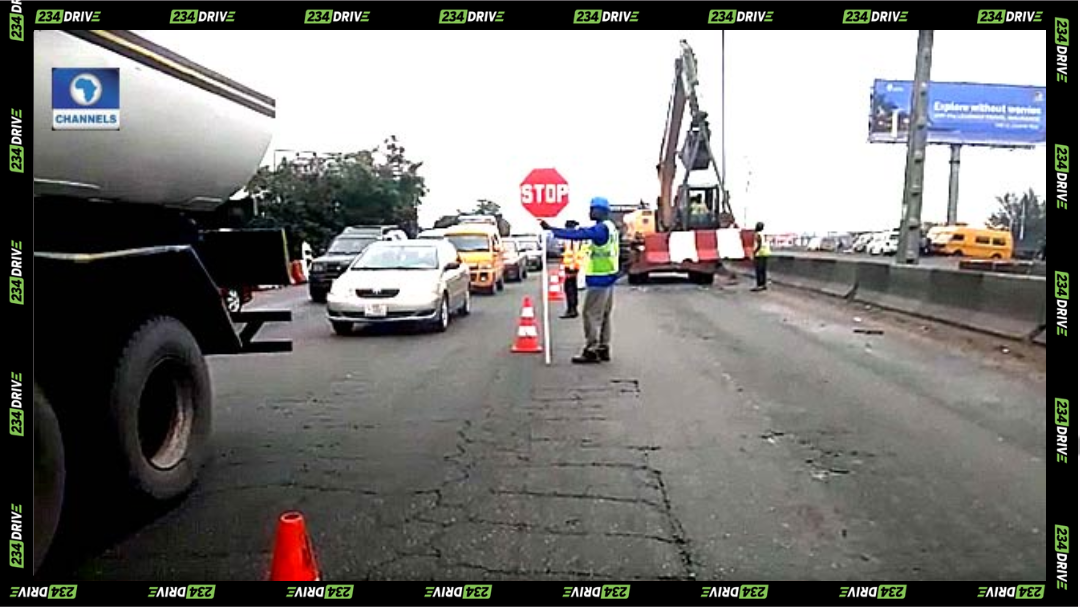

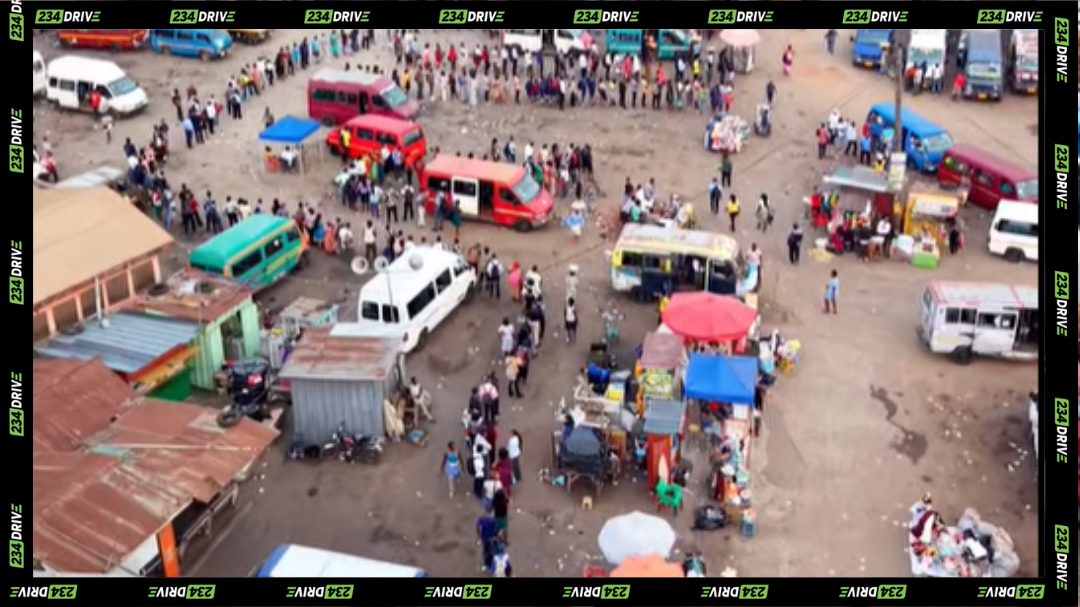
Long Queues, Slow Movement: Where Urban Transit Gaps in West Africa Become Visible. | Source: gbcghana
West Africa is home to some of the fastest-growing cities on the continent—including Accra, Lagos, Dakar, and Abidjan—and the region is facing one of Africa’s most severe urban mobility crises. Rapid population and economic growth across coastal cities has outpaced transport planning, leaving millions stuck in daily congestion and inefficient road networks.
Accra’s Road-Based Crisis
In Ghana’s capital, commuters still endure long queues and costly travel despite recent transport reform efforts. Workers, students, traders, and various commuters report waiting 30–40 minutes in the morning rush to board buses or shared vehicles, delaying arrival at work and various destinations. Many vehicles, especially minibuses known locally as “trotros,” are scarce, driving up fares without official approval.
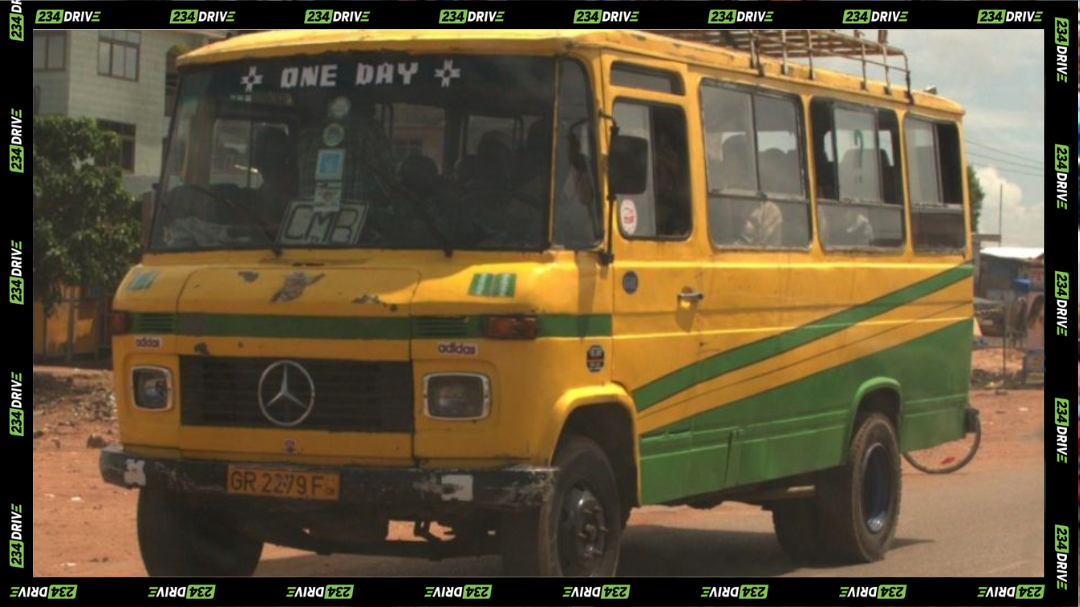
TroTro at the Centre: Aging Minibuses Still Carry the Weight of Accra’s Daily Commute | Source: Nextcity
At major transport nodes, buses often fill up before all waiting passengers can board, forcing many to stand for long and uncomfortable journeys. Commercial drivers and transport groups have called for the dismissal of the Transport Minister and faster delivery of long-promised transport master plans. They argue that rising operating costs are not reflected in current fare structures, while government officials insist that unauthorised fare hikes burden commuters and threaten economic stability.
Providing more buses may appear to be the most straightforward response many governments would take. But the reality is that the problem—and the solution—is not that simple.
More Buses May Ease the Pressure Briefly—but They Won’t Fix the Problem Long Term
Many bus procurement drives and reforms in Accra have not fixed the underlying problem: a public transit model that relies too heavily on its congested roads. Ghana’s existing rail lines between Accra and surrounding areas, such as Tema and Amasaman, are underused, despite tracing the natural corridors commuters follow.
According to transport policy analyst Joseph Fuseini, buses alone cannot carry the enormous daily passenger volumes in a large metro region—even with better management—because they share congested roads with private vehicles. He argues that rail must be the backbone of a sustainable system, with buses acting as feeder services rather than the core solution.
Rail-based systems move people quickly and predictably and reduce pressure on roads, making fleets more durable and efficient. Existing corridors offer opportunities to link rail with buses, extend services to growing suburbs and shorten long bus routes that wear out vehicles faster.
Rail Must Become a Core Part of How African Cities Fix Their Transport Problems
Adding more buses and high-occupancy services can provide short-term relief—much like how the City of Johannesburg uses private cars and road services where rail is absent—but these are stopgap measures in the face of deep structural needs.
Other African countries are already investing in rail at scale. Egypt, for example, has unveiled 250 km/h Siemens Velaro high-speed trains as part of a planned 2,000-kilometre rail network, aiming to transform passenger mobility and economic corridors.