
The Kia Niro Hybrid continues to establish itself as a compelling proposition in the UK’s increasingly competitive subcompact crossover segment. Blending the practicality of an SUV with the efficiency of hybrid technology, this South Korean contender offers a sensible alternative for families and commuters seeking to reduce fuel costs without sacrificing versatility. With its refreshed design introduced in 2023 and carried forward into 2025, the Niro positions itself as an accessible entry point into electrified motoring, underpinned by Kia’s renowned warranty coverage.
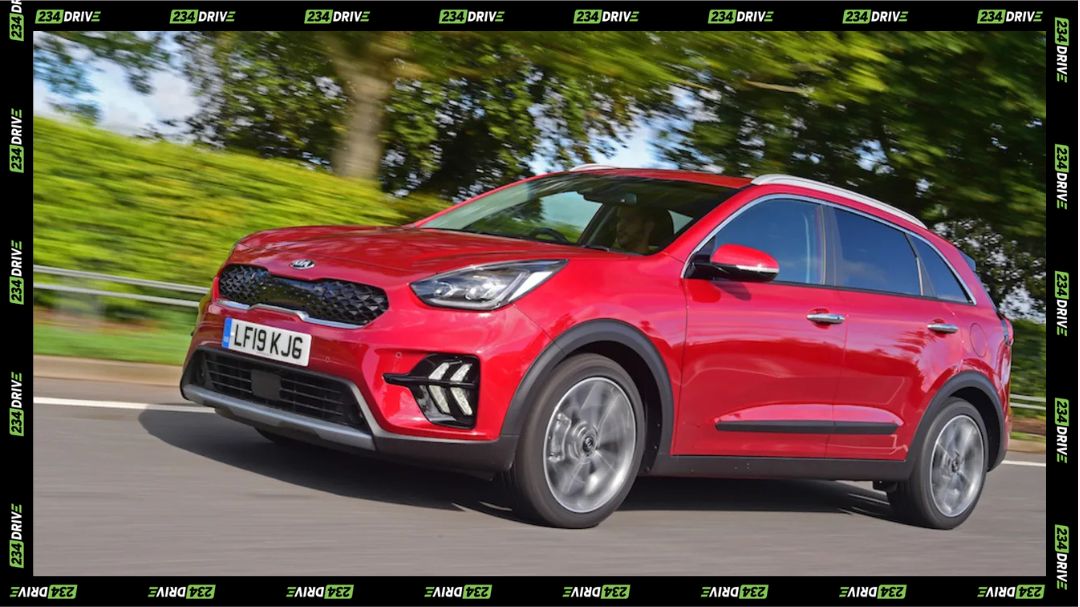
This front-wheel-drive crossover prioritises economy and everyday usability over outright performance, making it particularly well-suited to Britain’s congested urban centres and motorway networks. Starting from approximately £24,000 (based on US pricing converted and adjusted for UK market positioning), the Niro Hybrid competes directly with established players whilst offering impressive fuel economy figures that translate to genuine savings at the pump. For drivers navigating the UK’s varied driving conditions from stop-start city traffic to lengthy motorway journeys the Niro presents a balanced package worthy of serious consideration.
Exterior Design and Road Presence
The 2025 Kia Niro Hybrid showcases contemporary styling that distances itself from the quirky aesthetics of earlier generations. Measuring 4,420mm in length, 1,825mm in width, and 1,545mm in height, the Niro occupies a compact footprint ideally suited to Britain’s narrower urban streets and tight car parks. Its wheelbase of 2,720mm provides a stable platform whilst maintaining manoeuvrability in confined spaces. The front fascia features Kia’s signature tiger-nose grille, flanked by sleek LED headlamps that lend a modern, approachable character. Body-coloured door handles and available roof rails enhance the crossover aesthetic without venturing into overtly rugged territory.
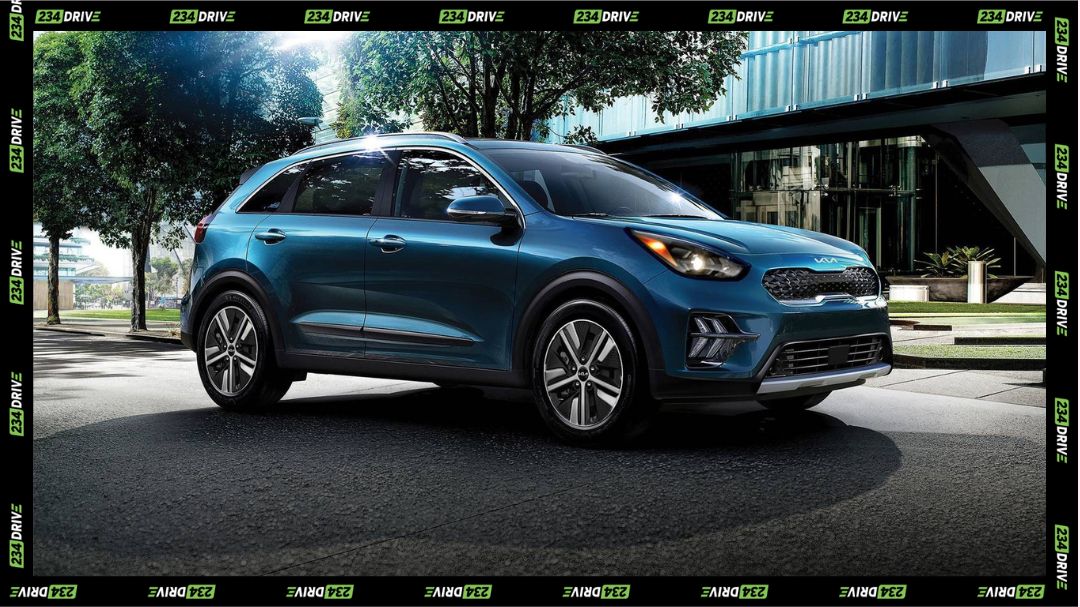
The Niro’s silhouette strikes a balance between aerodynamic efficiency and practical form, with a gently sloping roofline that doesn’t significantly compromise rear headroom. Ground clearance of 160mm proves adequate for navigating speed bumps and uneven surfaces common to UK roads, though the modest approach and departure angles of 15.2° and 27.4° respectively confirm this vehicle’s urban orientation. Higher specification Touring trims ride on 18-inch alloy wheels shod with 225/45R18 tyres, whilst base models feature 16-inch wheels with 205/60R16 rubber, the latter offering slightly better ride compliance over Britain’s increasingly deteriorated road surfaces. Finish quality appears robust, with panel gaps and paintwork reflecting Kia’s improved manufacturing standards.
Interior Comfort and Technology
Step inside the Niro Hybrid and you’ll find a cabin that prioritises functionality over flamboyance. Passenger volume totals 2,974 litres, with front occupants enjoying 1,054mm of legroom and rear passengers afforded a respectable 1,011mm sufficient for adults on longer journeys. Headroom measures 1,029mm in the front and 1,003mm in the rear, ensuring comfort for taller passengers. Boot capacity stands at 646 litres with the rear seats in place, expanding to an impressive 1,805 litres when folded flat, making it genuinely versatile for family duties, from weekly shopping runs to transporting larger items. The 60/40 split-folding rear bench adds practical flexibility, though the absence of a spare wheel (replaced by a tyre mobility kit) may concern some buyers.
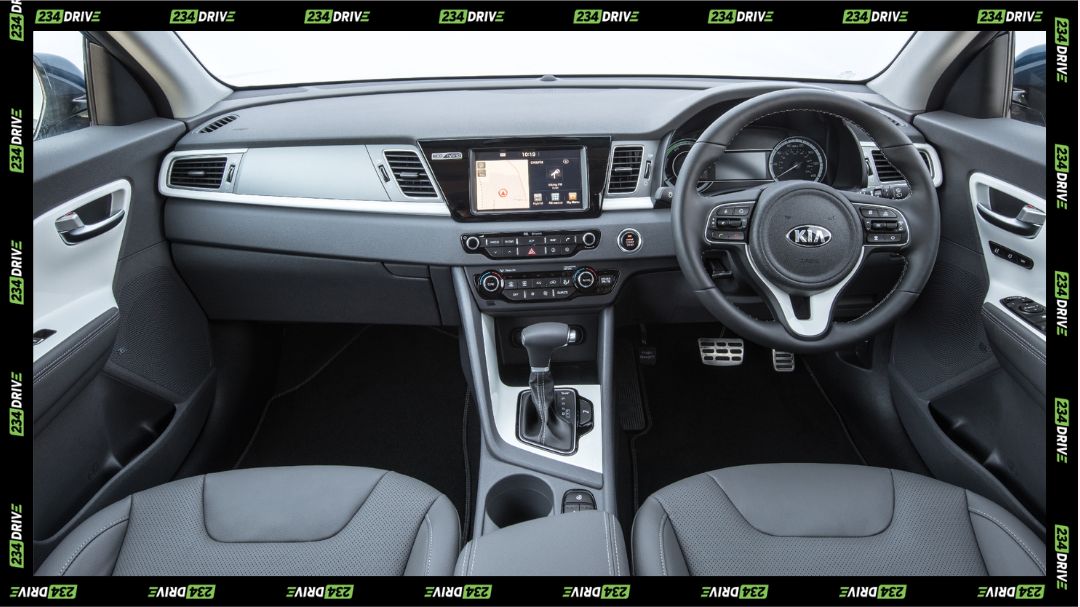
Material quality varies by trim level, with entry-level LX models featuring cloth upholstery and harder plastics on lower surfaces, whilst range-topping SX Touring variants benefit from synthetic leather seating, heated and ventilated front seats, and improved soft-touch materials. All models come equipped with at least an 8-inch touchscreen infotainment system, upgrading to a 10.3-inch display on higher specifications. Apple CarPlay and Android Auto connectivity comes as standard, a crucial feature for modern buyers alongside wireless charging on mid-range and above models. The driving position offers good visibility, thanks to relatively slim A-pillars, whilst controls are logically arranged and intuitive to operate. Reviewers consistently praise the cabin’s quietness, with effective sound insulation dampening road and wind noise, particularly at motorway speeds where many hybrids can become intrusive.
Performance and Driving Dynamics
Under the bonnet, the Niro Hybrid employs a 1.6-litre GDI four-cylinder petrol engine producing 105PS at 5,700rpm and 144Nm of torque, paired with a 32kW permanent magnet synchronous electric motor delivering 43PS and 170Nm. Combined system output reaches 139bhp with 265Nm of total torque, channelled through a six-speed dual-clutch automatic transmission. This powertrain configuration, known as Transmission-Mounted Electric Device (TMED), delivers smooth transitions between electric and petrol propulsion. A 1.32kWh lithium-ion polymer battery enables brief electric-only running at speeds up to 119km/h, though pure EV range remains limited to short urban bursts rather than extended zero-emissions driving.
Performance figures reflect the Niro’s efficiency-first philosophy: the 0-100km/h sprint requires approximately 10.4 seconds for base models, extending to 10.8 seconds for heavier Touring variants adequate rather than exhilarating. Top speed is electronically limited to 165km/h, sufficient for UK motorway driving with reserves. The dual-clutch transmission generally operates seamlessly, though occasional hesitancy can manifest during aggressive throttle inputs. Where the Niro truly excels is fuel economy: official WLTP-equivalent figures suggest 4.5 litres per 100km (approximately 63mpg) for LX and EX models, dropping slightly to 4.9 litres per 100km (58mpg) for Touring trims due to larger wheels and additional weight. Real-world testing indicates achievable figures between 45-52mpg depending on driving style and conditions, impressive returns that translate to genuine cost savings. The 42.5-litre fuel tank provides a theoretical range exceeding 900 kilometres between fill-ups, reducing refuelling frequency for high-mileage drivers.
How it Stacks Up for Driving Around the UK
The Kia Niro Hybrid’s characteristics align remarkably well with British motoring realities. Britain’s predominantly temperate climate, characterised by moderate temperatures and regular precipitation suits hybrid technology, which can suffer efficiency losses in extreme cold experienced in Northern European markets. The front-wheel-drive configuration proves adequate for UK conditions, where heavy snow remains relatively infrequent outside Scottish Highlands and elevated regions. Urban congestion, particularly acute in London, Manchester, Birmingham, and other major cities, plays directly to the Niro’s strengths: low-speed electric running reduces fuel consumption and emissions in stop-start traffic, whilst regenerative braking recovers energy that would otherwise dissipate as heat. For commuters navigating ULEZ and Clean Air Zones, the Niro’s low emissions ensure compliance without penalty charges.
Motorway driving represents a significant portion of UK motoring, and here the Niro demonstrates competence if not excitement. Cruising at 70mph, the petrol engine shoulders most propulsion duties whilst the electric motor provides supplementary assistance during acceleration. Fuel economy remains respectable even at sustained higher speeds, outperforming conventional petrol rivals significantly. The suspension setup—MacPherson struts at the front and torsion beam at the rear—delivers a composed ride over Britain’s increasingly compromised road surfaces, absorbing potholes and expansion joints with reasonable compliance. Kia’s extensive UK dealer network ensures maintenance accessibility, with authorised service centres distributed across the country. Parts availability poses no concerns, and the brand’s improved reliability reputation underscored by extended warranty coverage provides reassurance for buyers wary of potential hybrid system complications.
Where It Fits in the Market
Within its segment, the Kia Niro Hybrid faces formidable competition from established Japanese and European manufacturers. The Toyota Corolla Cross Hybrid, priced similarly from approximately £28,000, offers proven reliability and strong residual values but achieves a combined 45mpg noticeably less efficient than the Niro’s 58-63mpg figures. Toyota’s reputation for hybrid durability remains unmatched, though Kia’s 10-year/100,000-mile powertrain warranty provides comparable peace of mind. The Honda HR-V, available in hybrid form from around £29,000, delivers refined driving dynamics and Honda’s reputation for longevity, yet its combined fuel economy of 52mpg trails the Niro. Meanwhile, the Hyundai Tucson Hybrid, positioned slightly upmarket from £32,000, offers more interior space and available all-wheel drive but sacrifices efficiency with 38mpg combined, a significant disparity for cost-conscious buyers.

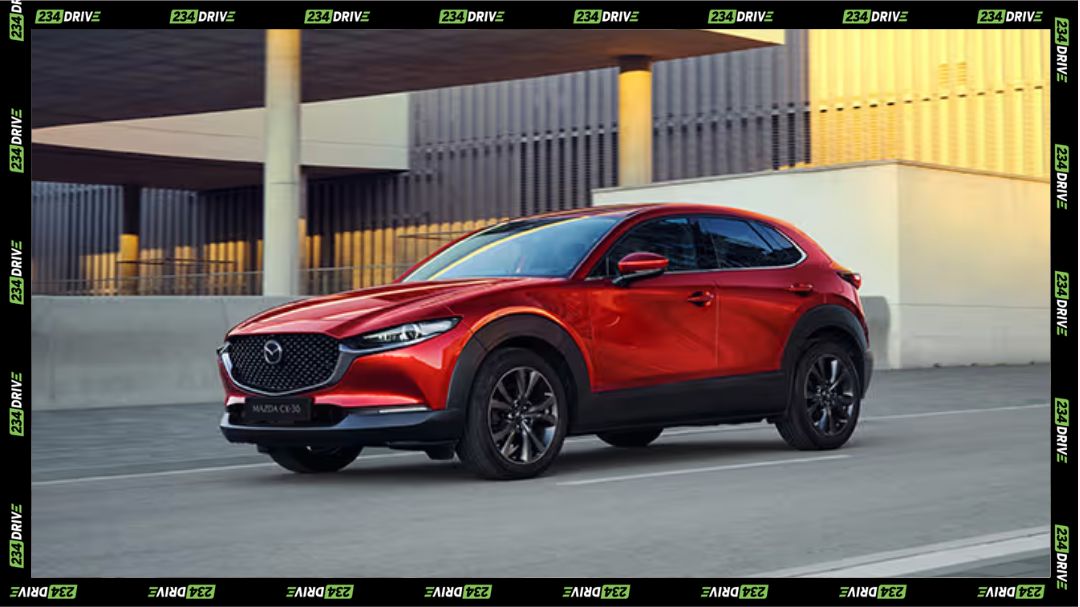
The closest platform relative, the Hyundai Kona Hybrid, shares mechanical components but packages them in a smaller, more style-focused wrapper. Priced competitively from £26,000, the Kona appeals to urban singles and couples, whilst the Niro’s additional practicality suits growing families. Looking at non-hybrid alternatives, the Mazda CX-30 delivers superior driving engagement and premium interior finishes from £27,000 but manages only 42mpg combined with a 35% penalty in fuel costs. Residual values for the Niro have strengthened as hybrid acceptance grows; three-year retained values typically hover around 50-55%, competitive within the segment though trailing Toyota’s class-leading 60-65%. Maintenance costs prove reasonable: annual servicing averages £350-400, with hybrid system components covered under extended warranty reducing long-term risk. Insurance groups range from 12E for base models to 15E for top specifications, affordable premiums reflecting the Niro’s sensible character and modest performance.

Conclusion
The 2025 Kia Niro Hybrid represents a thoroughly accomplished offering for British drivers prioritising efficiency, practicality, and value. Its standout fuel economy, genuinely achievable rather than laboratory friction, translates to meaningful savings over conventional alternatives, particularly for higher-mileage users. The spacious, well-equipped interior accommodates family duties comfortably, whilst Kia’s comprehensive warranty coverage provides financial protection that rivals struggle to match. Admittedly, the Niro won’t stir enthusiast souls with its measured performance and sensible demeanour, and the absence of all-wheel drive may deter buyers in rural locations prone to challenging winter conditions.
However, for the vast majority of UK drivers, urban commuters, suburban families, and motorway mile-munches the Niro Hybrid delivers precisely what matters most: dependability, economy, and usability. Its competitive pricing undercuts premium rivals whilst matching or exceeding their capabilities in key areas. As petrol prices remain elevated and environmental consciousness grows, the Niro’s proposition strengthens further. For those seeking a rational, cost-effective gateway into electrified motoring without the range anxiety of full battery-electric vehicles, the Kia Niro Hybrid deserves serious consideration. We’d welcome your thoughts: does the Niro’s efficiency-focused approach resonate with your motoring priorities, or do you value driving engagement and prestige more highly? Share your perspectives in the comments below.