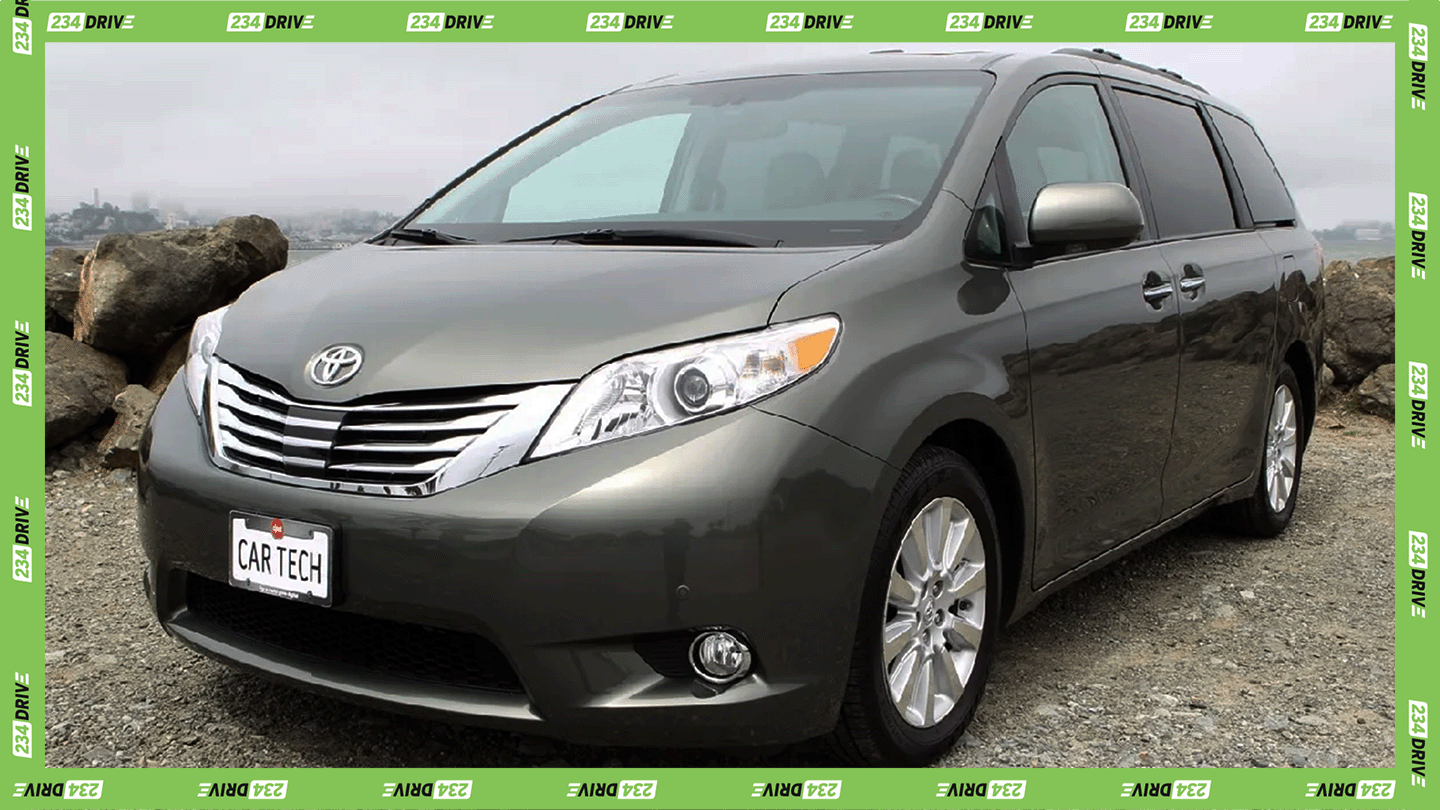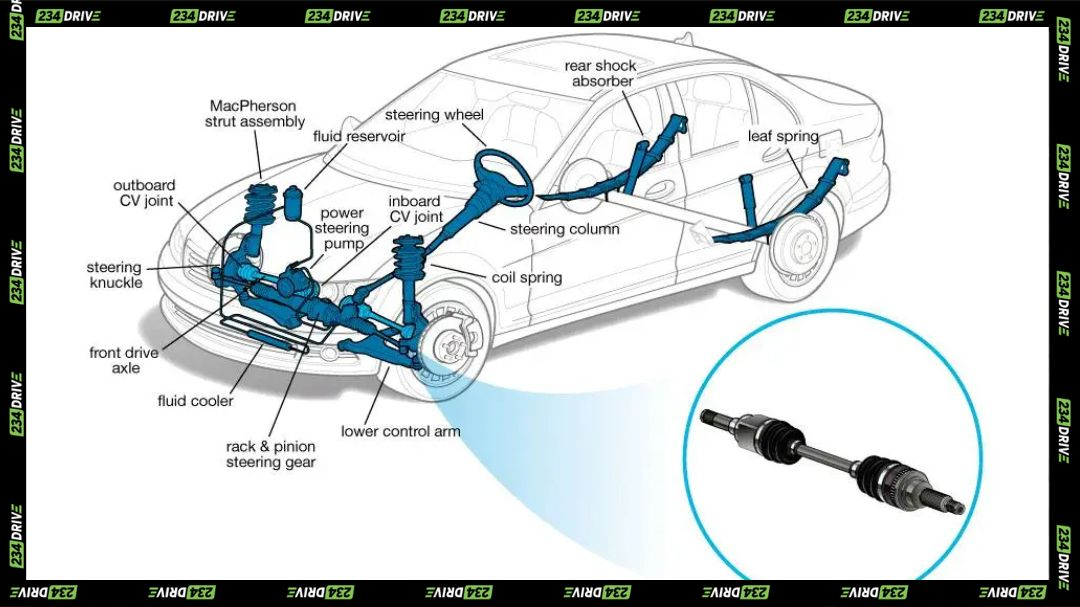

You are navigating the Eko Bridge at 3:00 pm. The air conditioning is working overtime to fight off the 35°C afternoon, the radio is playing and the traffic is inching forward. Suddenly, the engine sputters. You turn the ignition key, and instead of a roar, you hear a dreaded, rapid clicking sound. The battery is dead, and you are officially stranded.
For everyday Nigerians navigating our cities, this scenario is an all too common mobility crisis. When asking exactly how long do car batteries last, the answer you receive depends entirely on geography.
Global manufacturers will print warranties promising five years of flawless performance. However, applying European or North American maintenance assumptions to vehicles operating in West Africa is an economic miscalculation. Understanding the true lifespan of this vital component requires ignoring the marketing literature and accepting the severe physics of our local operating environment, where extreme heat, infrastructure deficits and unique market realities routinely cut a battery’s life in half.
The Global Standard vs. Local Reality
In temperate climates, the average global battery lifespan for a standard flooded lead-acid unit sits comfortably between three and five years. Premium Absorbent Glass Mat (AGM) batteries can often push that figure up to seven years.
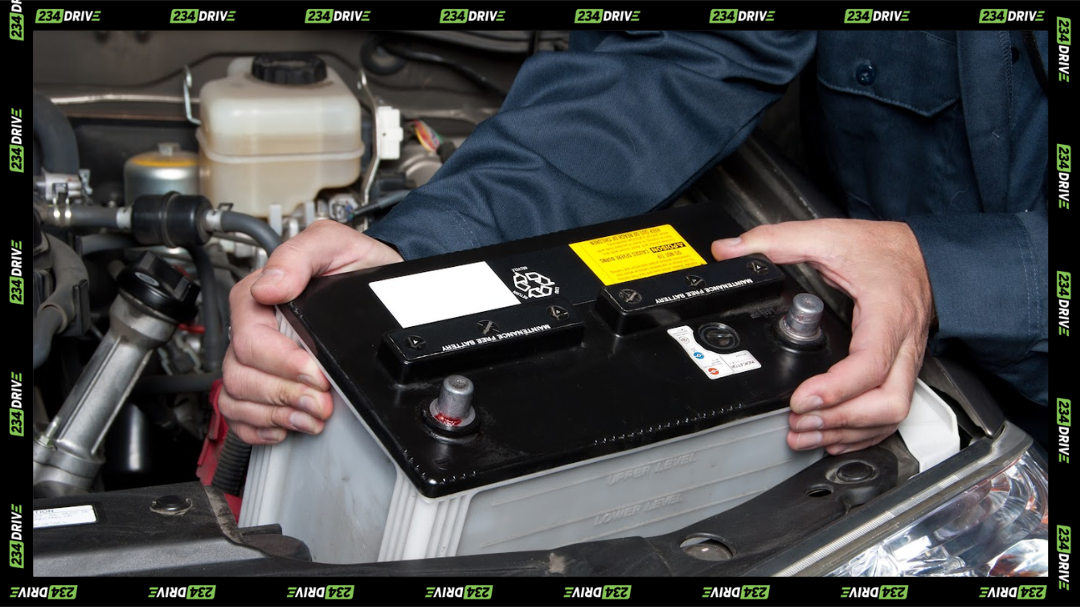
In Nigeria, those figures are a mechanical fantasy.
Mechanics and automotive electricians across Lagos, Abuja and Port Harcourt consistently report that the real-world lifespan of a standard car battery on our roads is between two and three years. Budget or generic imported units frequently fail within 12 to 18 months. Even high-quality Korean brands, which currently dominate the market for reliability, typically max out at four years under perfect conditions.
Why the Environment Accelerates Failure
The drastic discrepancy between global promises and local reality is not a mystery. It is a direct result of environmental hostility.
The ideal operating temperature for a standard lead-acid battery is roughly 25°C. Nigeria’s ambient temperatures routinely exceed 30°C. Once trapped under the bonnet in heavy, gridlocked traffic, the internal engine bay temperature can easily soar beyond 60°C. The intense strain this places on electrical systems in heat is the primary killer of automotive components. Every 8°C rise above the optimum level roughly halves a battery’s functional life through accelerated chemical reactions, rapid electrolyte evaporation and positive grid corrosion.
Furthermore, a battery relies on the vehicle’s alternator to recharge during steady driving. The constant stop-and-go nature of Nigerian urban commutes prevents the alternator from fully replenishing the power drained during the starting process. Add in the heavy electrical loads of aftermarket sound systems, constantly running air conditioning and dashcams, and the battery is in a permanent state of discharge.
Our infrastructure deficit also plays a destructive physical role. Repeated shock and intense vibration from deep potholes physically damage the internal lead plates, particularly in standard flooded batteries, causing premature internal short circuits.
Navigating the Local Battery Market
Not all batteries respond to these harsh conditions equally. When evaluating the best batteries for Nigerian heat, the market separates into clear tiers.
Budget and unbranded Chinese imports usually retail between ₦40,000 and ₦70,000 but offer very poor longevity. Mid-range Korean brands like Solite, Hankook, Rocket and Atlas BX represent the sweet spot for everyday drivers. Priced between ₦60,000 and ₦130,000, they offer superior heat resistance and a reliable two to four-year window.
For modern vehicles equipped with start-stop technology or heavy electronic demands, AGM or Enhanced Flooded Batteries (EFB) are strictly required. While they can push the overall car battery replacement cost well past ₦250,000, they offer unmatched durability against deep discharge and violent vibrations. The appeal of ‘tokunbo’ batteries remains strong for budget-conscious drivers, but purchasing a used electrical component is a high-stakes gamble with no reliable lifespan guarantee.
A critical issue in the local automotive market is the actual age of ‘new’ stock. Due to port delays and extended demurrage, a battery might sit on a shipping pallet or a warehouse shelf for nearly a year before reaching a retailer. Always check the manufacturing date code stamped directly into the plastic casing, not the paper warranty sticker, before handing over payment. A code like ‘C25’ indicates March 2025. Purchasing a battery that is already more than six months old guarantees a shortened lifespan.
Warning Signs and Proactive Maintenance
A battery rarely dies without issuing warnings. Slow or hesitant engine cranking, dim headlights that visibly brighten when you rev the engine, clicking sounds from the starter motor or a visibly swollen plastic casing are clear indicators of impending failure.
While you cannot change the climate, you can significantly extend your battery life through disciplined, proactive maintenance.
Clean the battery terminals every two months using a simple baking soda and water mixture to prevent the highly restrictive corrosive buildup that is exacerbated by coastal humidity in cities like Lagos. Ensure the battery is firmly clamped down in its tray; a loose battery amplifies vibration damage. If you are running a traditional wet-cell battery, check the fluid levels monthly and top them up strictly with distilled water, never tap water or battery acid. Finally, take the vehicle for a sustained, unbroken highway drive periodically to allow the alternator the necessary time to perform a full recharge.
A sudden electrical failure in heavy traffic or during a fuel scarcity crisis is more than an inconvenience; it is an expensive logistical nightmare. The directive for everyday drivers is to shift from reactive anxiety to proactive management. Plan for a replacement every two to three years, request a professional load test from your mechanic after 18 months and understand that investing in a reputable, heat-resistant brand is the smartest economic decision you can make to keep moving.