
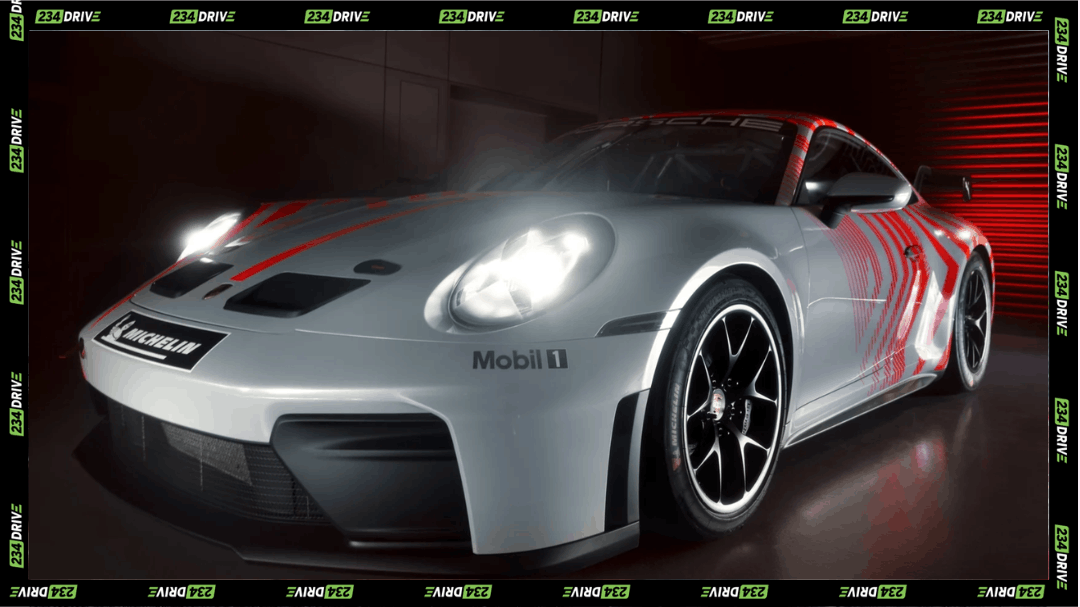
A new gateway into customer racing will open in 2027 with the arrival of the Porsche 911 Challenge.
Built around 911 GT3 technology, the $275,000 track-only car gives drivers a more accessible route from high-performance road driving to organised competition, complete with dedicated racing dynamics and professional safety equipment.
Porsche Equips the 911 Challenge for Customer Racing
The 911 Challenge uses a 4.0-litre six-cylinder engine based on the road-going GT3. It produces 508 horsepower, revs up to 9,000 RPM and works with a seven-speed PDK gearbox. Drivers can change gears with the steering-wheel paddles or leave the car in automatic mode.
Inside, Porsche keeps the GT3 RS steering wheel and air conditioning. Drivers can also adjust systems such as ABS, traction control and stability control to match their experience and track conditions.
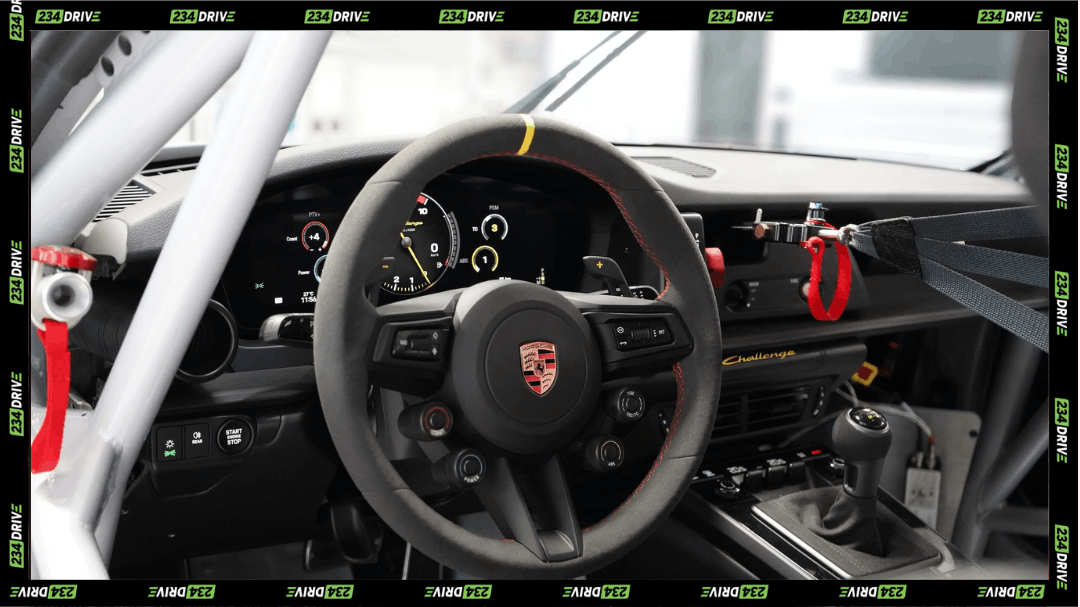
The company has made bigger changes elsewhere. The car gets racing suspension, adjustable handling settings, 18-inch wheels with slick tyres and large steel brakes.
Porsche has also stripped away the airbags, carpets, soundproofing and regular interior trim. It replaces them with a roll cage, racing seat, six-point harness, fire-extinguishing system and 110-litre fuel cell. An air-jack system helps teams lift the car quickly during pit stops, while an adjustable rear wing supports its track performance.
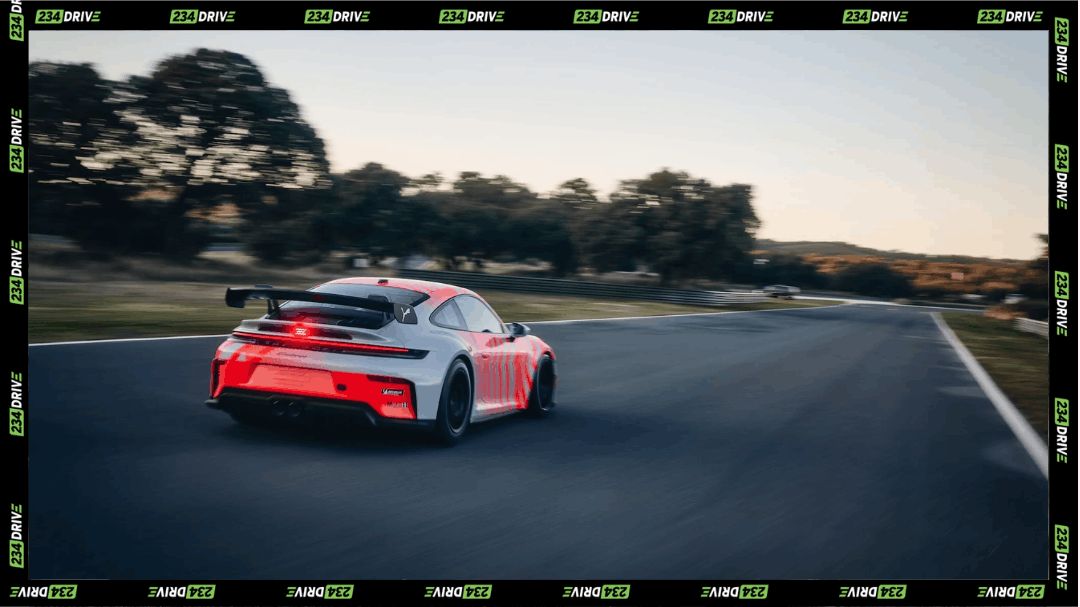
The 911 Challenge is not legal for public roads. Porsche built it for racing, testing, driver training, track days and private motorsport events. It can compete in several Porsche one-make series, including the Sprint and Endurance Challenge North America.
Porsche Motorsport North America will sell the car to eligible 2027 competitors for $275,000, including import and delivery within the US. Wider sales will begin later in 2027.
Other Luxury Brands Took Track Performance Beyond the Road
Before the 911 Challenge arrived, wealthy enthusiasts could already buy cars designed only for circuit use. Ferrari reserved the FXX-K Evo for customers in its XX Programme, while McLaren made the Senna GTR lighter and more powerful than the road-going Senna. Lamborghini joined this exclusive class with the 830-horsepower Essenza SCV12, producing just 40 examples.
The Aston Martin Valkyrie AMR Pro brought a 1,000-horsepower V12 that revs to 11,000 rpm, while Bugatti limited the 1,600-horsepower Bolide to 40 buyers at €4 million each.