
The Nigerian consumer landscape, long dominated by the ubiquitous petrol motorcycle, is poised for a significant, almost seismic, shift. The late 2025 entry of REVOO, a global electric vehicle brand backed by the colossal Transsion Holdings—the powerhouse behind TECNO, Infinix, itel, and Oraimo—signals not just a new product launch, but a fundamental challenge to the nation’s internal combustion engine reliance. This strategic move, which culminated in a high-profile grand opening in Lagos, places affordable, zero-emission transportation directly in the hands of urban commuters and the vital okada and delivery rider ecosystem. The launch is a sharp, punchy statement on scale and sustainability, coming precisely when the volatility of fuel prices makes the running costs of traditional bikes unsustainable for the average Nigerian.
The core announcement arrived with flair on 25th November 2025, at the Lagos Trade Fair Complex, marking the simultaneous unveiling of three flagship stores, each strategically equipped to double as comprehensive service centres. Attended by influential local business figures, including the ASPAMDA president and ECOWAS representatives, the event transitioned from ribbon-cutting ceremony to practical experience through live test rides of the four debut models: the A11, A12, C32, and the flagship E52. This initial rollout is not merely symbolic; it is a laser-focused commercial manoeuvre aimed squarely at the traffic-heavy, high-demand metropolitan environment of Lagos, positioning REVOO as a practical, high-frequency solution to daily mobility challenges.
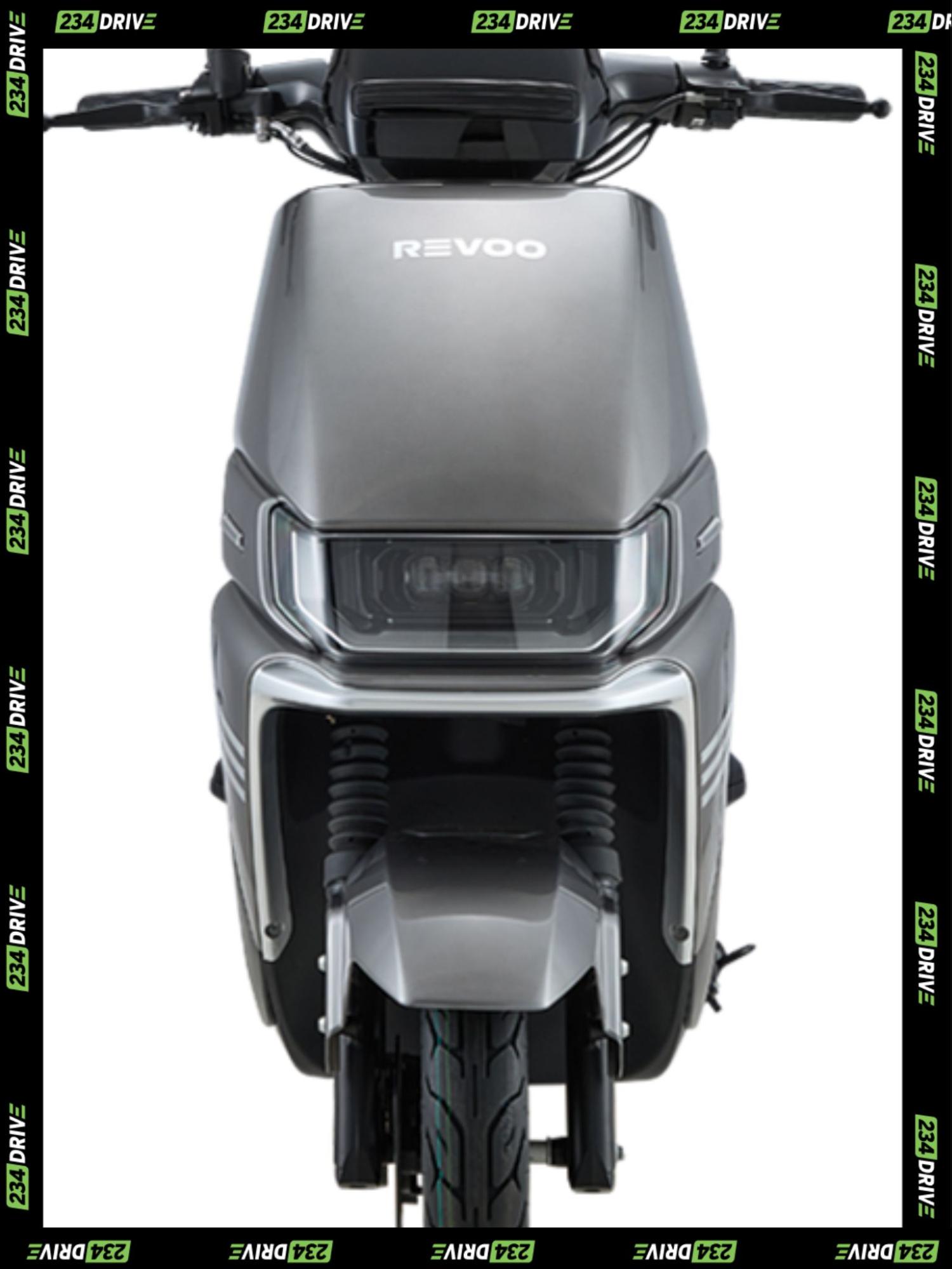
The initiative’s primary focus is electric accessibility, leveraging advanced technology to address Nigerian pain points. The entire REVOO lineup is built around durability and affordability. Critically, these motorcycles are powered by graphene batteries, a choice that enhances performance and promises a vastly superior lifespan compared to standard lithium-ion packs. The convenience factor is arguably the biggest selling point for the end-user: charging is as simple as plugging in a mobile phone at home, and the daily operating cost is revolutionary. Official reports suggest some models can run on electricity for as low as ₦70 per day, a figure that pales in comparison to the thousands spent daily on petrol, labouring the point of financial prudence. The baseline promise across the range includes robust hydraulic suspension, dependable vacuum tires, and, crucially, a comprehensive 1-year or 6,000 km warranty. The brand is offering a highly attractive entry point, with initial promotional prices starting around ₦ 950,000 for base models, making this transition a viable economic decision rather than a luxury choice.
In this strategic undertaking, the roles are clearly defined. Transsion Holdings, with its decade-long, deeply entrenched distribution and retail network across Nigeria (built via TECNO, Infinix, etc.), is the crucial facilitator, providing the financial backing, logistical infrastructure, and, most importantly, the reliable after-sales support system. This existing ecosystem of spare parts and skilled personnel is REVOO’s competitive trump card. REVOO itself is the product engine, the global specialist in electric two-wheelers, delivering the technology, design, and manufacturing expertise. This synergy ensures that the commitment to affordability and performance is matched by a guaranteed support structure, making the proposition attractive to both individual commuters and fleet operators.
This market entry signifies a profound business and strategy shift for Transsion Holdings. Known predominantly for democratising mobile technology across Africa, their move into electric mobility is a bold diversification that acknowledges and addresses Nigeria’s pressing macroeconomic and environmental issues. By targeting the urban mass transit sector, Transsion is effectively securing a position in the future of the continent’s transport infrastructure, pivoting its expertise in mass-market distribution to a high-growth, necessity-driven sector. This move signals a commitment to long-term profitability by aligning their business advantage—affordability and reach—with a global push for sustainable, green solutions, thereby mitigating the ongoing risk associated with imported fossil fuels.
Globally, REVOO is not a fledgling operation; it was established in 2023 and already operates in over ten countries, supported by more than 250 stores worldwide. Nigeria is receiving a globally proven model adapted for local road conditions and user demands. This provides a compelling contrast to other local players in the nascent EV two-wheeler space; while domestic competitors may have local insight, REVOO benefits from the financial muscle, manufacturing scale, and extensive local presence of Transsion. This combination gives it an immediate, undeniable advantage in securing market share and delivering dependable service at scale, something competitors are often challenged to match.
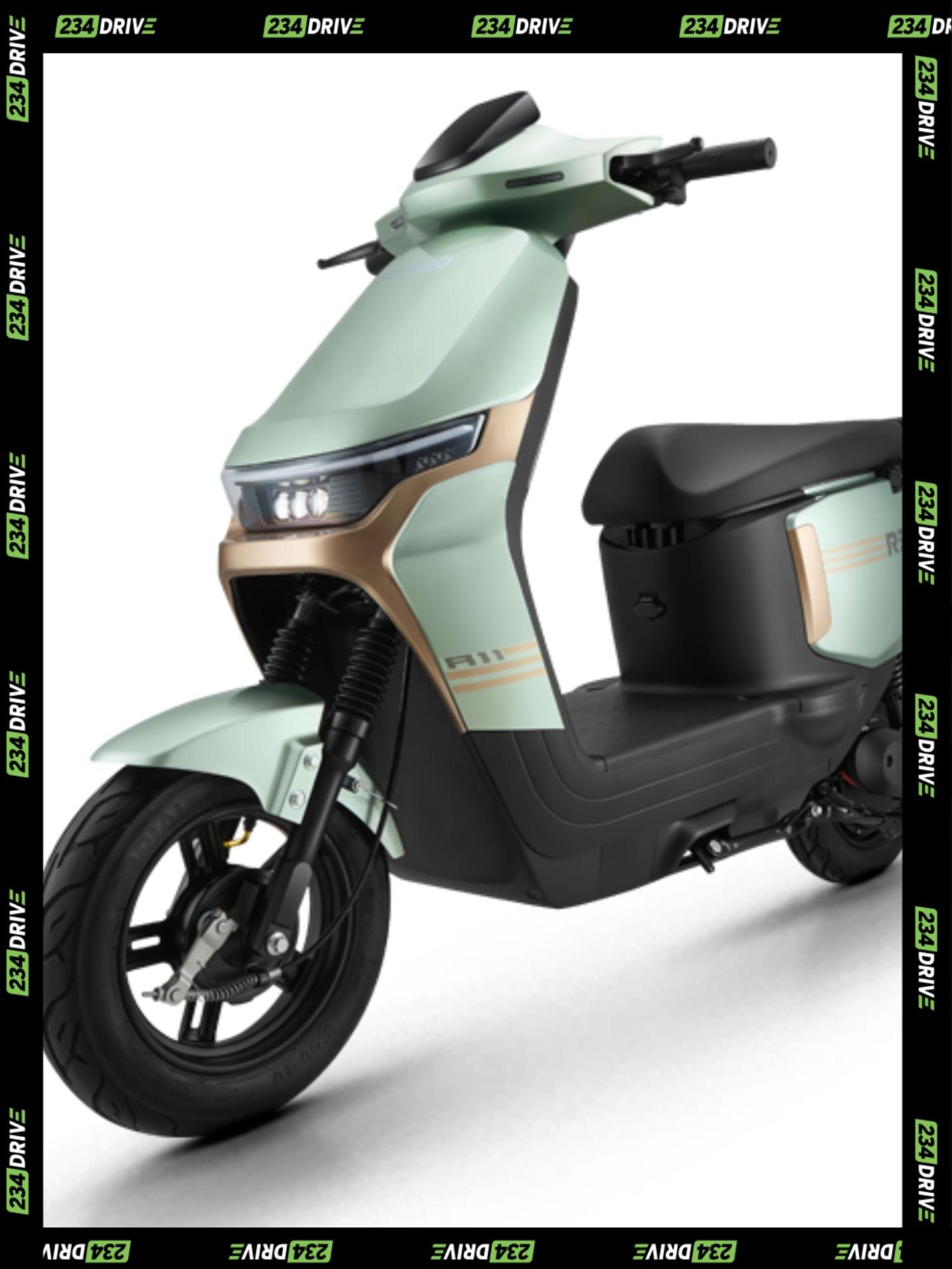
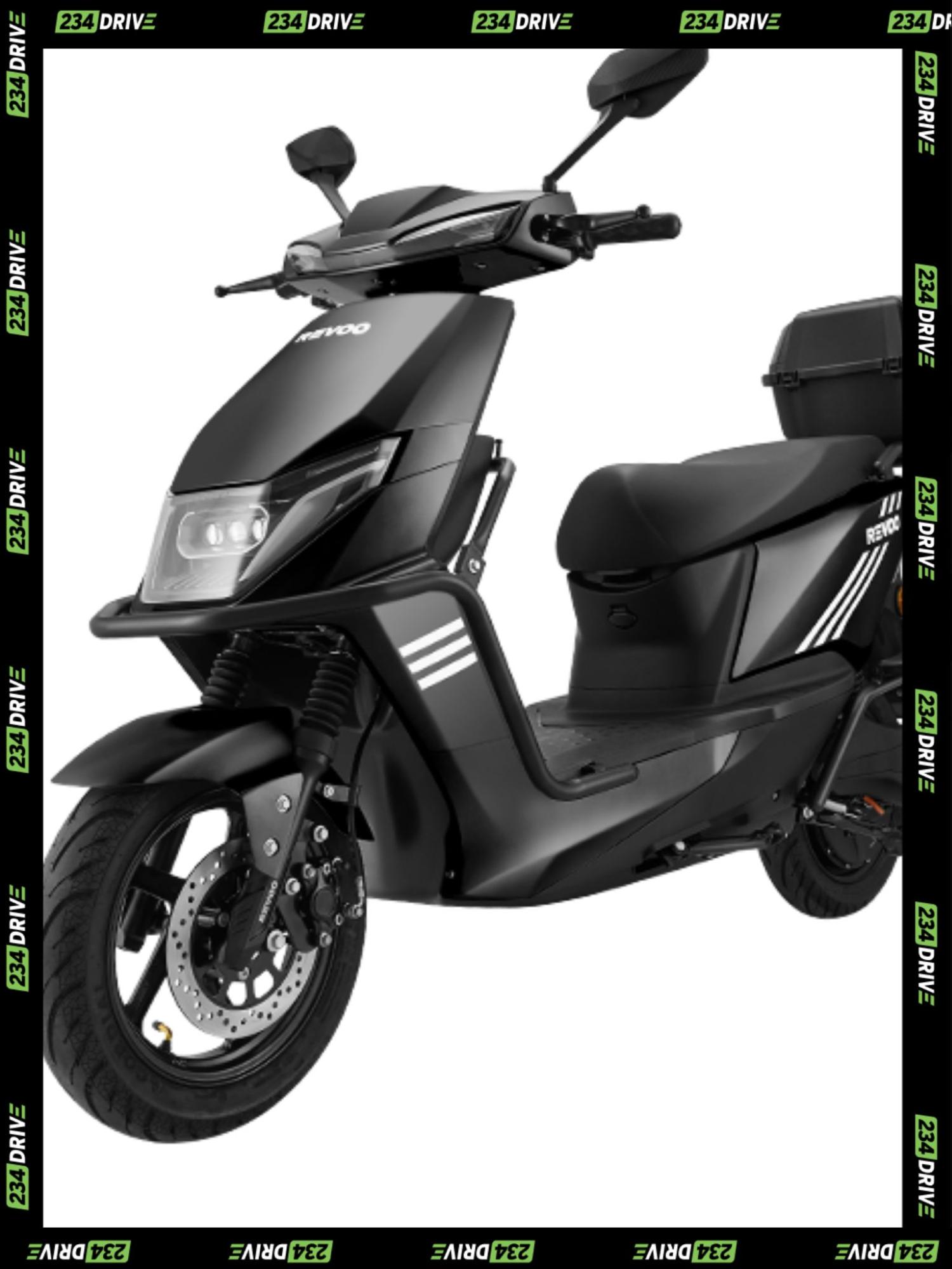
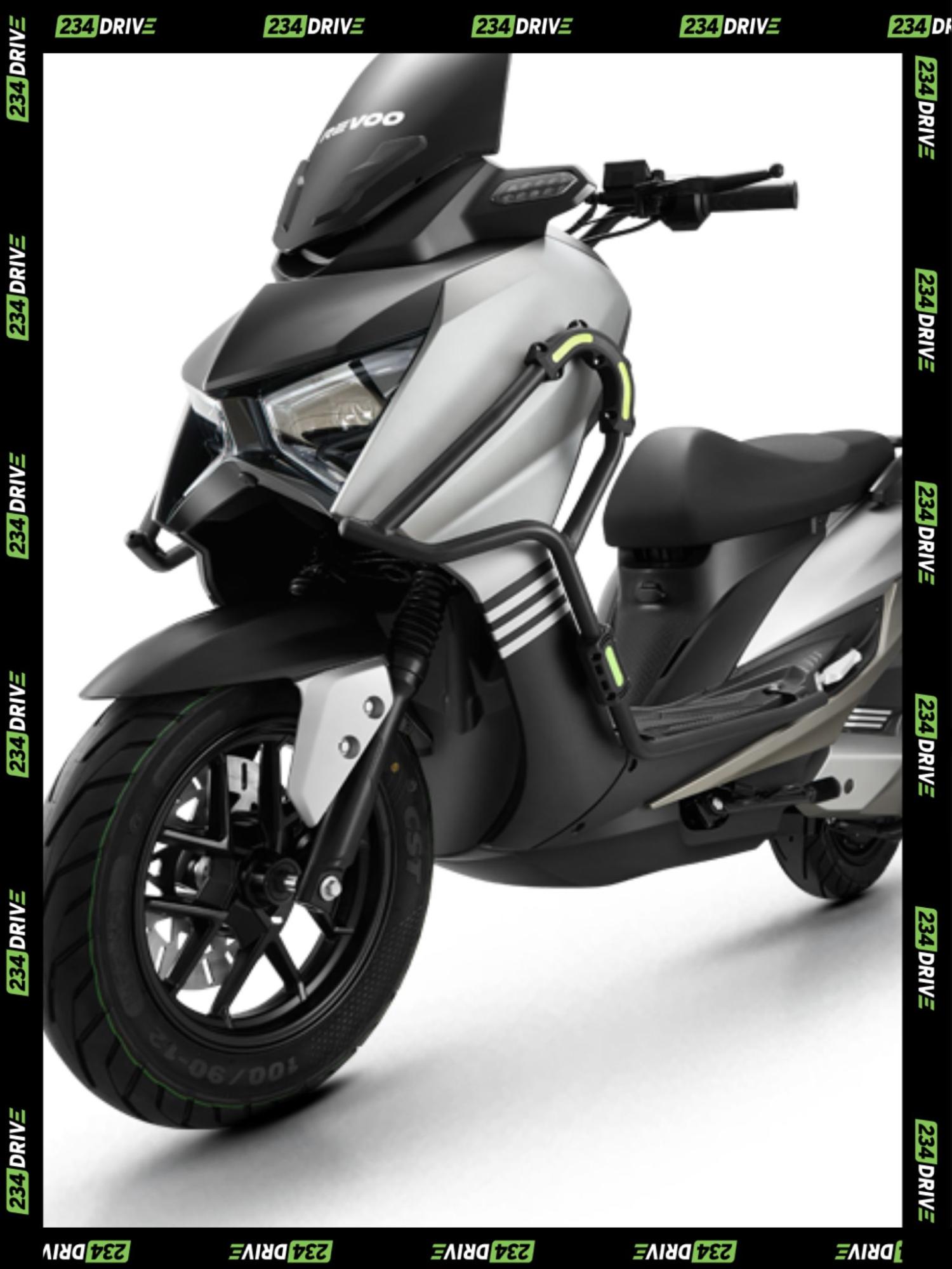
The execution details of this market entry demonstrate an intent to dominate swiftly. The brand did not delay between the global establishment in 2023 and the late 2025 launch in Nigeria. The immediate deployment of three simultaneous flagship stores that serve dual functions as sales and service centres in Lagos showcases a ‘hit-the-ground-running’ approach. This rapid execution ensures that test rides, purchases, and, critically, technical support, are available concurrently, reducing the friction points often associated with adopting new technology. The key models, while technically diverse, speak to specific needs: the A-Series (A11/A12) as the compact urban commuter, the C32 as the robust workhorse for delivery and rougher roads (boasting a higher ground clearance of 200 mm and 1800W motor power), and the E52 as the high-performance flagship (up to 3000W motor power and 120 km range). This tiered offering ensures immediate addressability of multiple segments of the Nigerian mobility market.
The track record of Transsion provides invaluable context, underwriting the credibility of REVOO’s promise. The success and pervasive presence of TECNO and Infinix in every Nigerian street corner translate directly into trust in the logistics chain. This existing infrastructure guarantees the availability of spare parts and maintenance expertise—often the Achilles’ heel of new vehicle technology launches—while simultaneously contributing to job creation in the sales, service, and technical support sectors. This is not just a commercial venture; it is a localised investment in skill and employment.
This Nigerian rollout thus marks the true shift from electric vehicle hype to fleet-scale operational reality. It is a moment where market forces—fuel costs, population density, and environmental pressure—have aligned perfectly with a mass-market solution, backed by a proven local giant. Moving forward, the open-ended policy question for regulators and city planners is how quickly EV adoption—currently focused on two-wheelers—should be accelerated through policy incentives. Should REVOO’s quiet, affordable, and eco-friendly bikes be treated as public infrastructure to speed up the country’s inevitable move towards sustainable urban mobility? The answer will define the speed and shape of Nigeria’s transport future.