
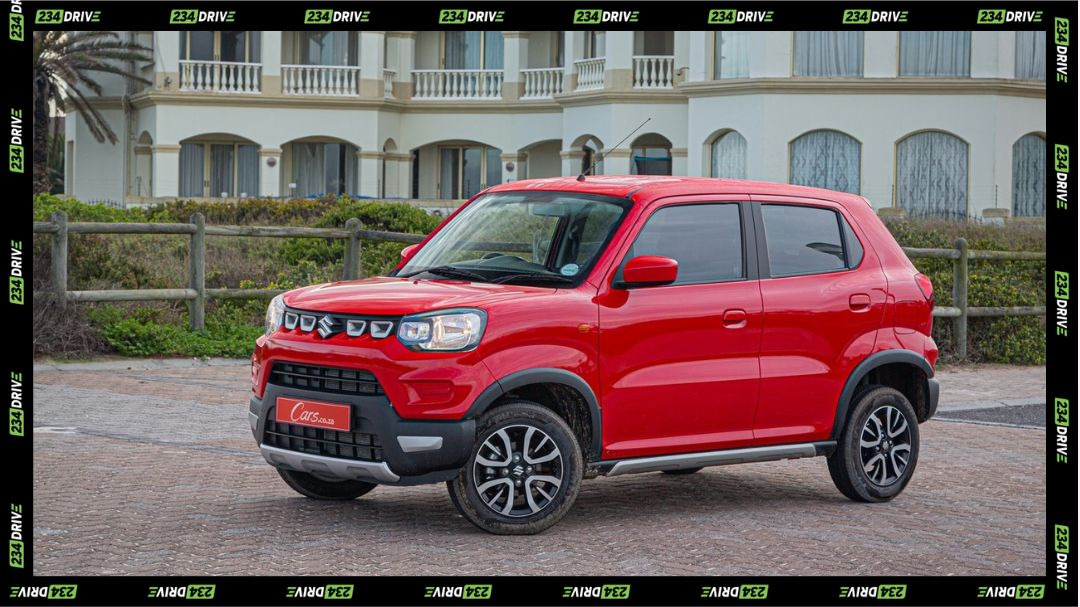
Suzuki has firmly established its reputation in the Nigerian automotive landscape through a singular, focused strategy: delivering robust, highly fuel-efficient vehicles that are specifically engineered for challenging African road conditions. Officially backed by CFAO Mobility, the brand avoids the high-volume, premium segment, instead positioning itself as the mobility solution of choice for the budget-conscious professional, the growing family, and the first-time car owner. This public image is built on tangible, practical attributes—reliability, low ownership costs, and superior ground clearance across the entire model range. Unlike competitors who focus on outright luxury or performance, Suzuki’s appeal lies in its unwavering commitment to utility, underscored by a standard 3-year/100,000 km warranty and a strong nationwide service network.
The current market focus, particularly highlighted by the aggressive promotional campaign running through the end of December 2025, sees Suzuki successfully migrating from being known purely for city runabouts like the S-Presso and Dzire, into the popular crossover and SUV segments. The introduction of models like the Fronx and the Grand Vitara, many featuring mild-hybrid technology, demonstrates the brand’s adaptability to consumer demand for modern aesthetics and reduced environmental impact, without sacrificing the core ethos of value. This strategic evolution ensures that Suzuki remains critically relevant in a market where unpredictable fuel costs and infrastructure demands necessitate durable, smart, and affordable vehicular choices.
Detailed Model Analysis: Flagship Vehicles
This section provides an in-depth review of Suzuki’s most prominent models in the Nigerian market, focusing on design, technology, and driving dynamics, incorporating the current promotional pricing where applicable.
1. Suzuki Fronx
The Suzuki Fronx, a newer addition to the lineup, represents a significant step forward in design for the brand, offering a bold coupe-SUV profile that strongly appeals to the urban, style-conscious driver. The exterior styling is characterised by a sloping roofline that meets a muscular rear haunch, creating a dynamic road presence far exceeding its compact footprint. At the front, the prominent, upright grille and split-headlamp design (integrated LED daytime running lights sitting above the main lamp clusters) give it a sophisticated, modern look that borrows cues from larger SUVs. This elevated stance, combined with sturdy body cladding and high ground clearance, ensures the Fronx is visually striking while remaining highly practical for negotiating Lagos traffic or navigating rough feeder roads.
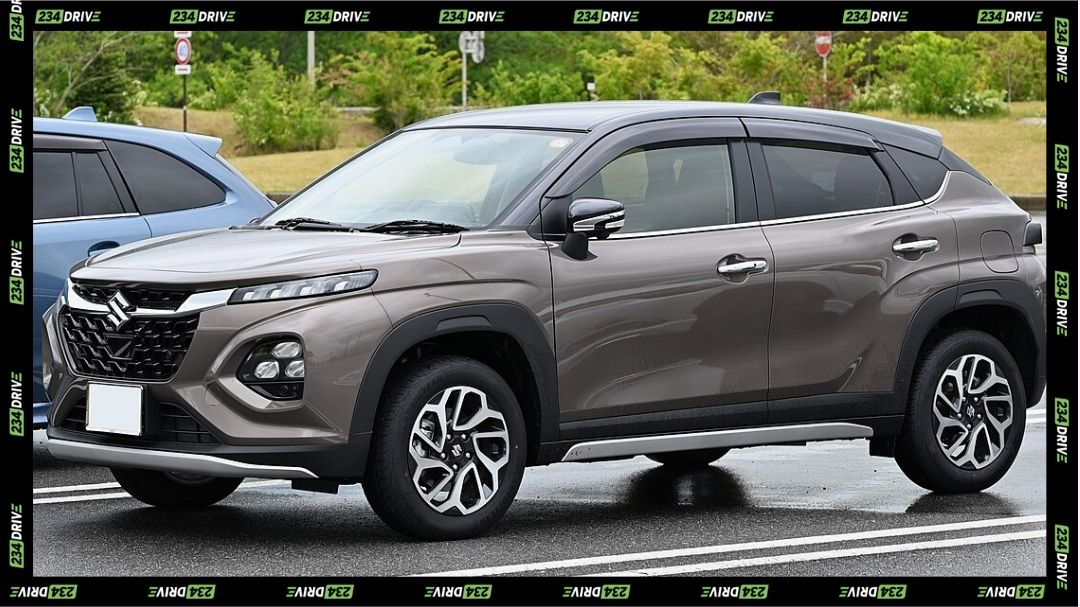
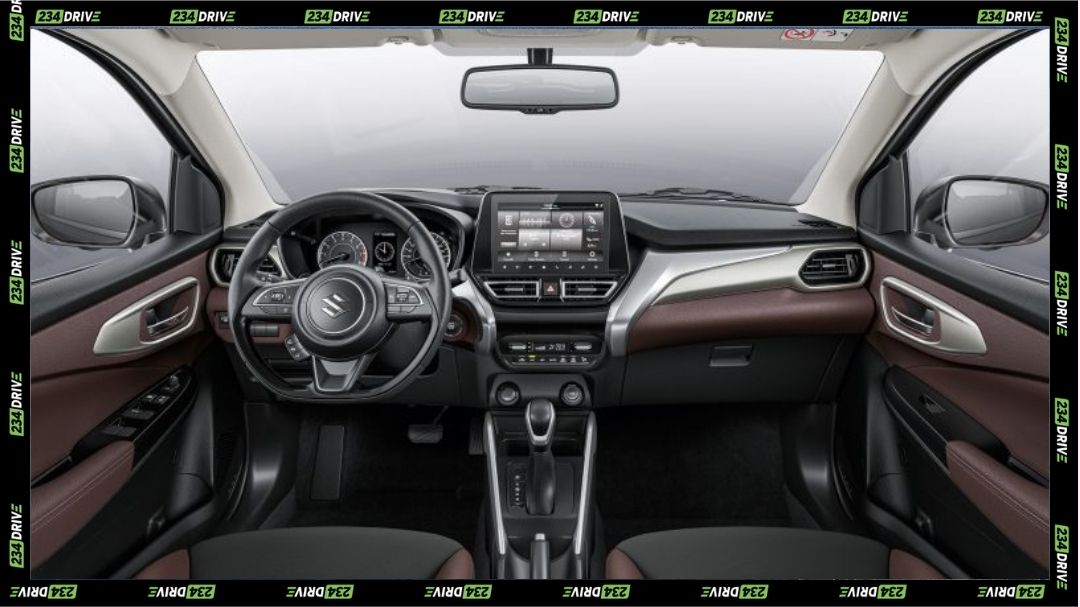
Internally, the Fronx GLX, currently priced at a compelling ₦44,000,000 (down from ₦45,000,000), elevates the segment with a generous suite of technology. The cabin features a driver-oriented cockpit dominated by a large 9-inch touchscreen infotainment system that offers seamless integration with Android Auto and Apple CarPlay. Performance comes via either an efficient 1.2L naturally aspirated engine or a more responsive 1.0L turbo mild-hybrid system, coupled with either manual or automatic transmission options. The mild-hybrid unit provides a noticeable boost in torque, making acceleration in city driving feel punchy and immediate. Crucially for peace of mind, the top GLX trim includes six airbags and a heads-up display, ensuring a comfortable, connected, and safe daily driving experience.
2. Suzuki Grand Vitara
The Grand Vitara is positioned as Suzuki’s flagship family SUV, competing directly at the higher end of the compact SUV segment. Its exterior design language is mature and assertive, blending classic SUV proportions with contemporary elements such as slim, triple-dot LED signature headlamps and a chunky, chrome-accented front grille. The overall road presence is substantial and premium, a departure from the brand’s previous lightweight styling. The high-spec Grand Vitara GLX, available at around ₦4,500,000 to ₦60,000,000, features panoramic sunroof options and distinct alloy wheel designs that enhance its sophisticated appeal, making it an attractive alternative to segment stalwarts.
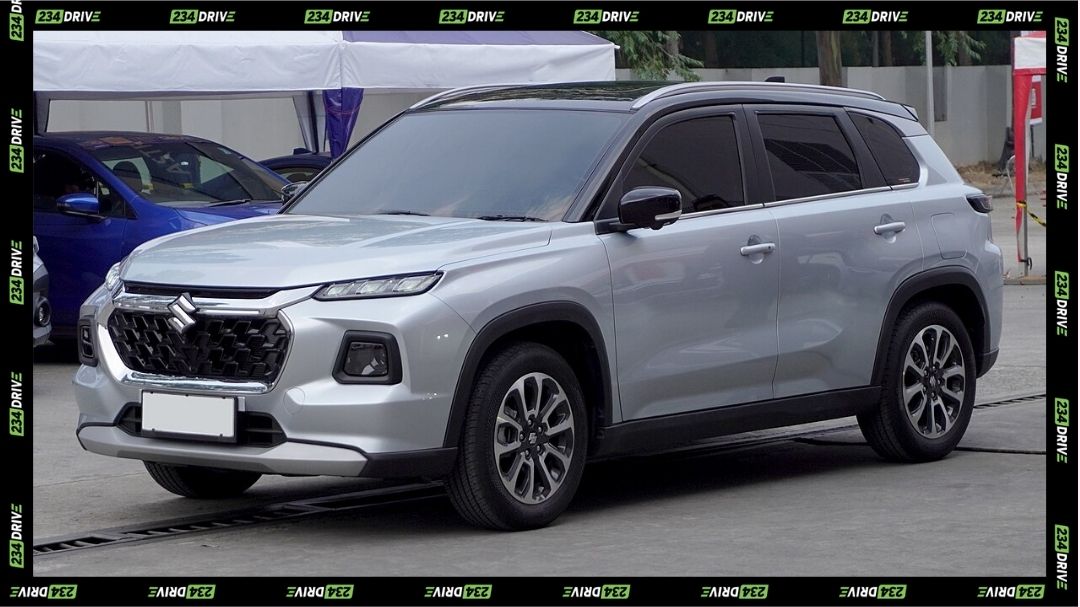
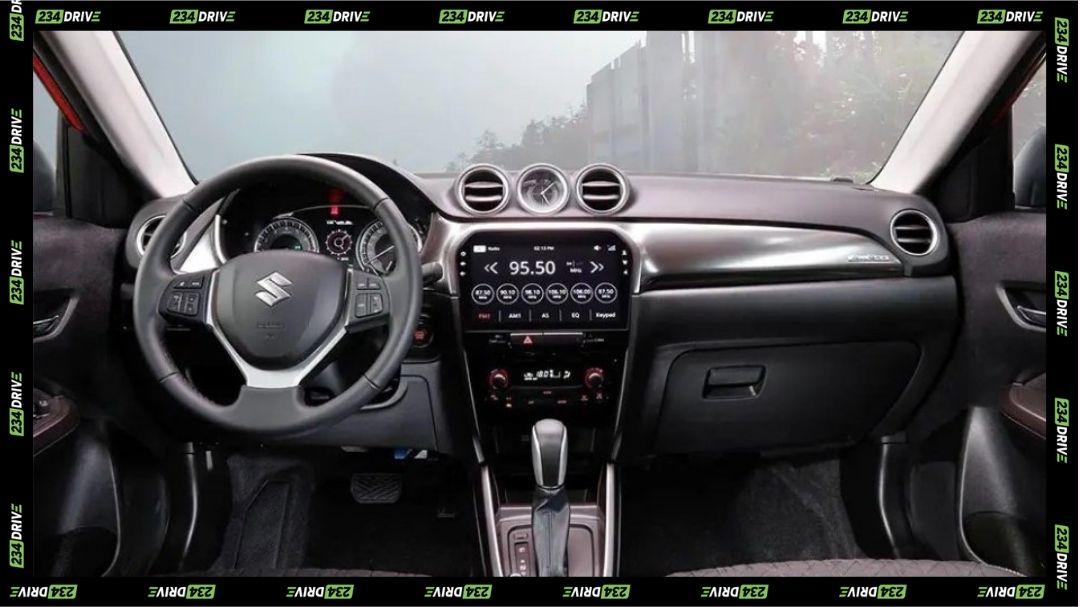
The interior of the Grand Vitara is marked by comfort and advanced technology, reflecting its flagship status. High-quality upholstery and soft-touch materials are used more liberally throughout the cabin, creating an air of refinement. The GLX trim is particularly well-equipped, boasting features like a 360-degree camera system, Advanced Driver Assistance Systems (ADAS), and plush seating for five adults. Performance is primarily derived from a reliable 1.5L mild-hybrid powertrain, which delivers smooth power output while achieving impressive fuel economy, reportedly up to 20 km/L in optimal conditions—a major advantage in the Nigerian market. The availability of an optional All-Wheel Drive (AWD) system in the GLX trim also provides enhanced grip and confidence for challenging weather or extended journeys outside metropolitan areas. The base GL trim is currently offered at ₦43,000,000 (down from ₦48,000,000).
3. Suzuki Jimny (5-door)
The Jimny, especially in its newer, more practical 5-door configuration, is less a conventional SUV and more of a rugged icon. Its exterior design is defiantly retro, featuring a boxy silhouette, circular headlights, and a clamshell bonnet—a design language that speaks directly to its legendary off-road capability. The 5-door version retains the diminutive charm of the original but extends the wheelbase to enhance passenger and cargo capacity, making it a viable daily driver while preserving its crucial 4×4 integrity. Its high ground clearance and exposed spare wheel mounted on the rear door emphatically broadcast its function as a genuine, uncompromised off-roader. The Jimny 5-door is currently priced between ₦5,000,000 to ₦53,000,000.
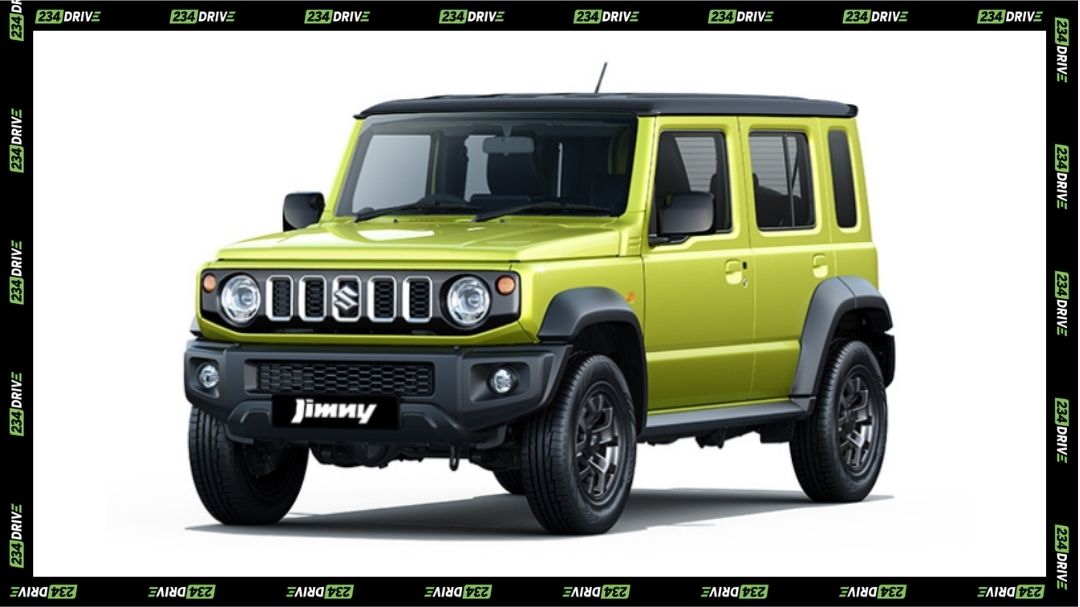
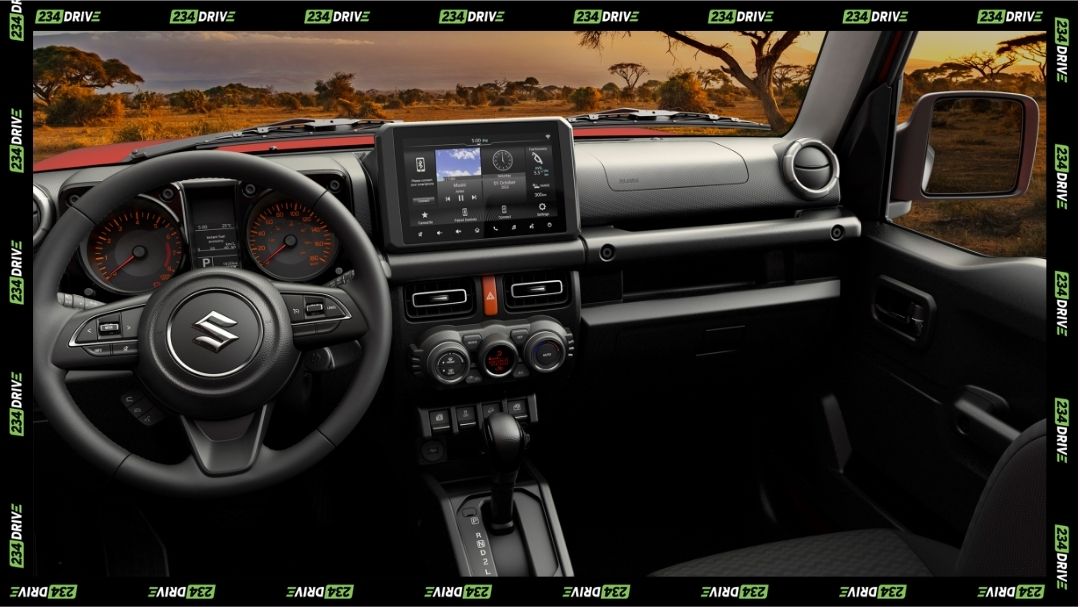
Inside, the Jimny prioritises durability and functionality over luxury. The cabin is minimalist, with hard-wearing plastics and rugged switchgear designed to withstand dust, mud, and moisture. The 5-door format significantly improves rear passenger legroom and makes accessing the back seats much easier than in the 3-door model. Performance is handled by a proven 1.5L naturally aspirated engine, producing 101 horsepower. Critically, the Jimny employs a proper ladder-frame chassis, rigid axles, and a low-range transfer case, providing unmatched capability in severe off-road environments. While its city fuel economy and highway manners are understandably less refined than its crossover stablemates, its legendary mechanical robustness and durability are its key selling points, establishing a strong cult following among adventure enthusiasts.
4. Suzuki Ertiga
The Ertiga is Suzuki’s practical and versatile response to the need for a compact, affordable 7-seater Multi-Purpose Vehicle (MPV). Its exterior design is functional and well-proportioned, featuring a longer body and higher roofline compared to the brand’s hatchbacks, which maximises interior space. Recent iterations feature modernised elements, including a refreshed grille, updated headlamp clusters, and distinctive taillight treatments that provide a more contemporary appearance than its utilitarian predecessors. It maintains a decent road stance, necessary for its family-carrying duties, and is valued for its compact dimensions, which aid manoeuvrability in congested areas. Recent listings place the Ertiga’s price point around ₦48,000,000.
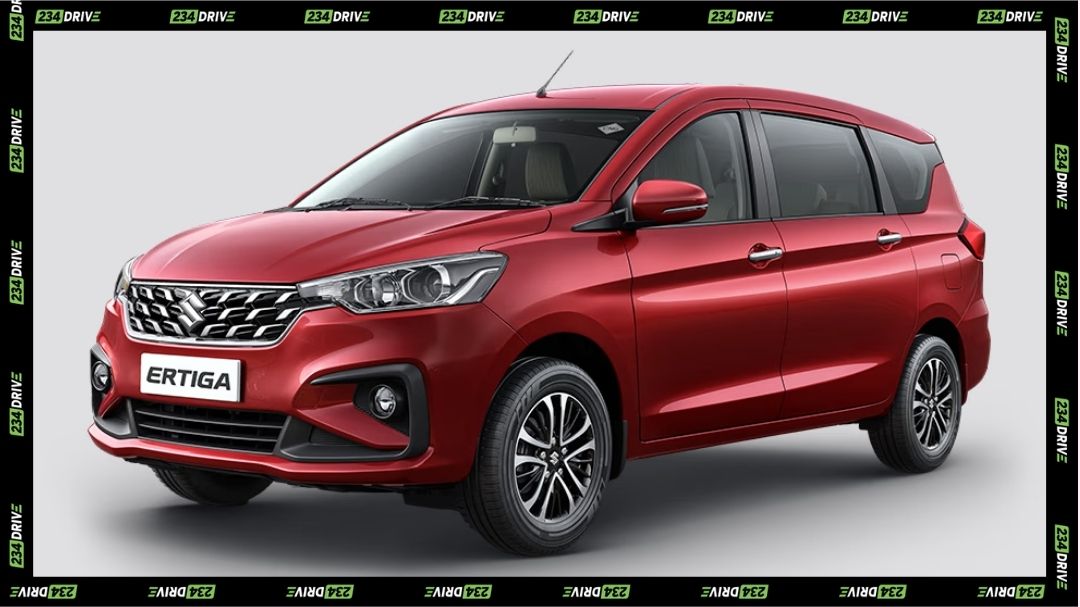
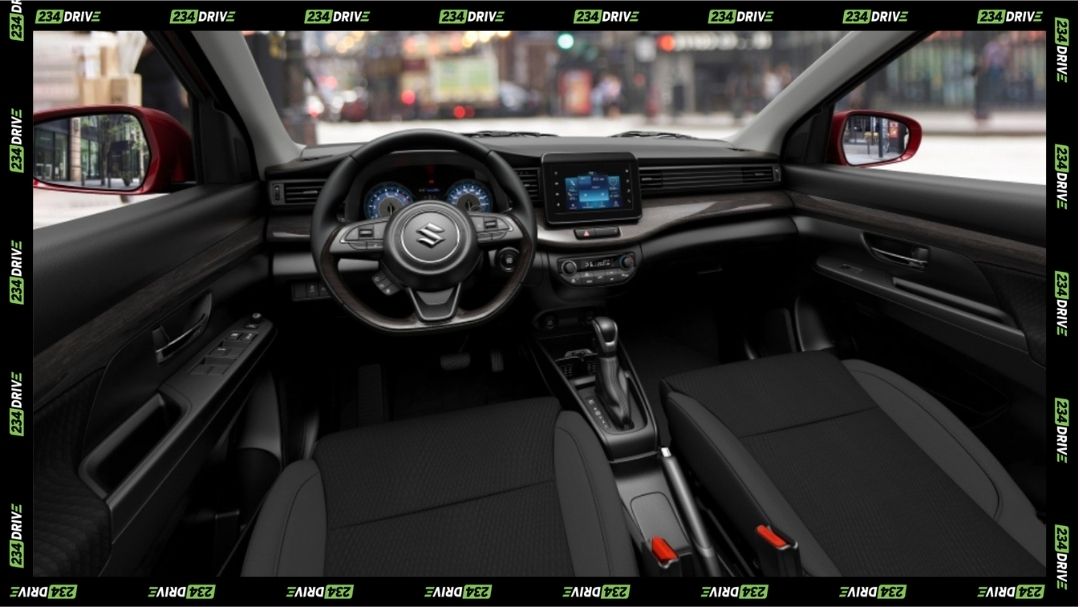
The Ertiga’s strength lies in its spacious and highly adaptable interior. The three rows of seating offer genuine flexibility for large families, ride-share operators, or those requiring significant cargo space (with the third row folded). Interior features are practical, including dual air conditioning to ensure comfort for all seven occupants, which is a major benefit in Nigeria’s high temperatures. Power comes from a fuel-efficient 1.5L engine, producing 103 horsepower. This powertrain is tuned for reliability and economy rather than speed, providing a smooth and predictable driving experience essential for ferrying passengers. The Ertiga’s running costs and maintenance profiles are among the lowest in the 7-seater segment, making it an economically sound choice for commercial and family use.
Relevance in the Nigerian Automotive Context
Suzuki’s product offering holds profound relevance to the unique socio-economic and infrastructural demands of Nigeria, making it one of the most practical mainstream brands available. The single most important factor is the engineering philosophy: virtually all Suzuki models, from the entry-level S-Presso to the Grand Vitara, boast ground clearances between 170mm and 210mm. This attribute is non-negotiable in Nigeria, where roads are frequently marred by deep potholes, unannounced speed bumps, and seasonal flooding. A car with sufficient ride height significantly reduces the risk of costly undercarriage damage, offering owners greater peace of mind and significantly extending the vehicle’s functional lifespan in the local environment.
Furthermore, the brand thrives due to its economical operation. With fluctuating fuel prices, the reliance on small, efficient engines (1.0L to 1.5L) is a huge draw. Suzuki’s focus on mild-hybrid technology in models like the Fronx and Grand Vitara ensures fuel efficiency that surpasses many rivals. CFAO Mobility’s established presence guarantees the ready availability of genuine spare parts and high-quality maintenance, mitigating one of the biggest anxieties of car ownership in the region. While some critics may cite a lack of premium prestige compared to legacy brands like Toyota or Mercedes, Suzuki owners prioritise tangible economic benefits and durability over superficial status, finding value in a car built to handle the rigorous reality of the Nigerian driving landscape.
Competitive Analysis and Market Positioning
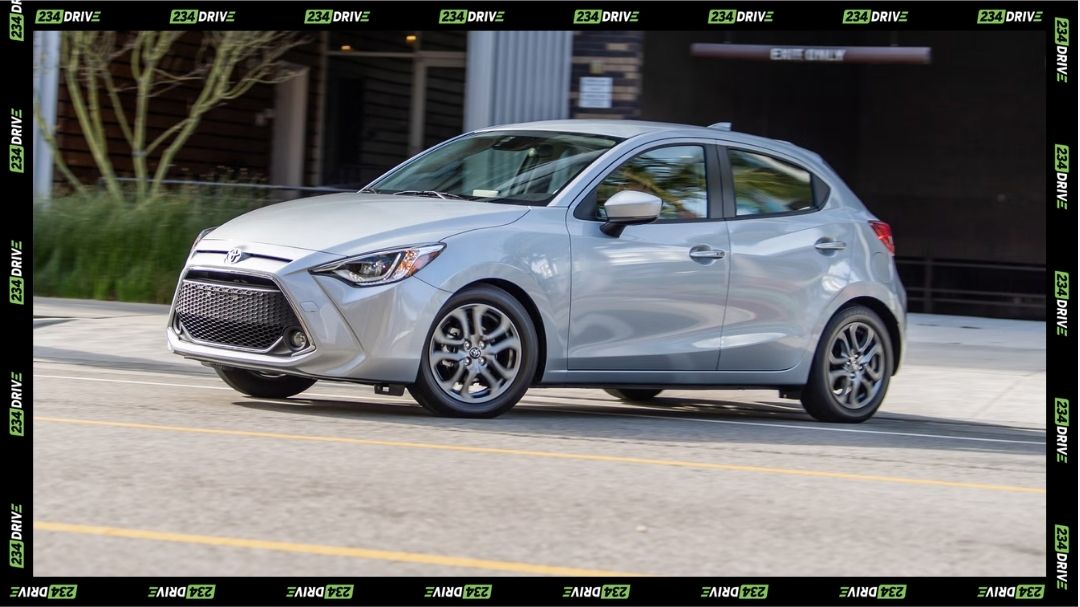
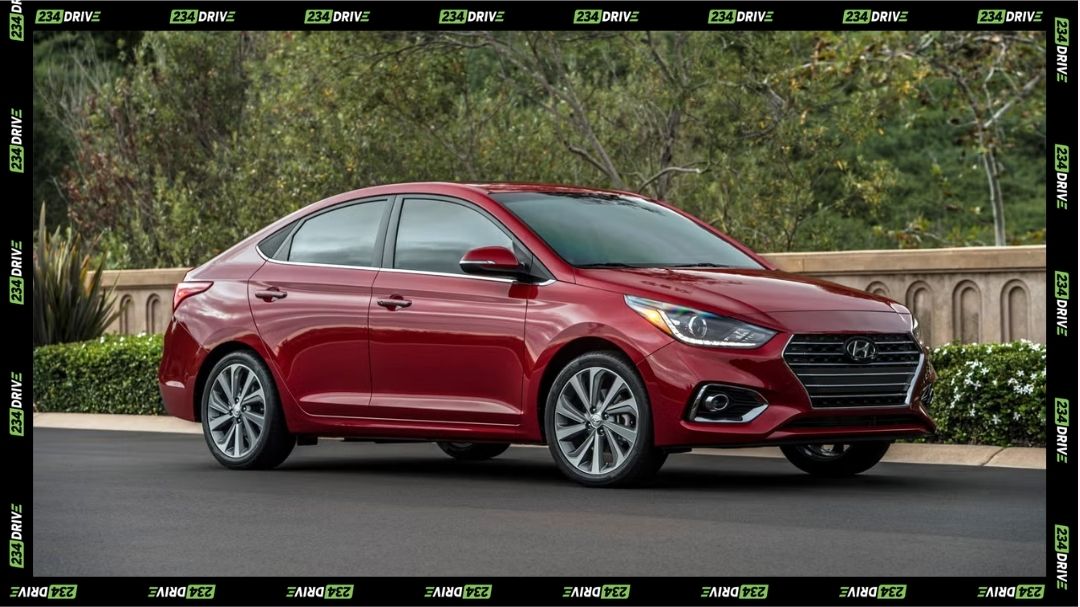
In the Nigerian compact car and SUV segments, Suzuki primarily competes against established rivals such as Toyota, Kia, and Hyundai, positioning itself as the ‘smart value’ alternative. For instance, the Suzuki Dzire competes with the Toyota Yaris and Hyundai Accent. While Toyota holds the superior brand recognition and resale value (due to its long history), the Dzire typically offers superior standard safety and technology features for a lower initial purchase price, alongside arguably better fuel efficiency. Suzuki’s edge often lies in its competitive upfront cost and lower maintenance burden.
In the crucial SUV market, the Fronx and Grand Vitara target rivals like the Kia Seltos, Hyundai Creta, and the Toyota Corolla Cross. The Grand Vitara, particularly with its hybrid option and current promotional pricing, often undercuts its rivals on cost while matching or exceeding them on modern tech (like 360-degree cameras and ADAS). Durability is comparable across all Japanese and Korean brands, but Suzuki, through CFAO’s support, ensures parts accessibility and low servicing costs, making it a compelling, reliable option. While the resale value might historically lag behind Toyota, the gap is closing as newer, feature-rich Suzuki models cement their reputation for resilience and reliability.
Conclusion
The Suzuki range in Nigeria, spearheaded by the stylish Fronx, the refined Grand Vitara, the capable Jimny, and the practical Ertiga, offers a compelling blend of affordability, durability, and contemporary technology. Backed by the robust CFAO Mobility network and significant end-of-year pricing, the brand presents exceptional value across various categories, from efficient city cars to rugged off-roaders. Its primary strengths lie in engineering tailored for Nigerian roads, remarkable fuel economy, and peace-of-mind maintenance support.
What are your thoughts on Suzuki’s aggressive pricing strategy in the SUV market, and which model do you feel is best suited for the unique demands of Lagos traffic? Let us know below.