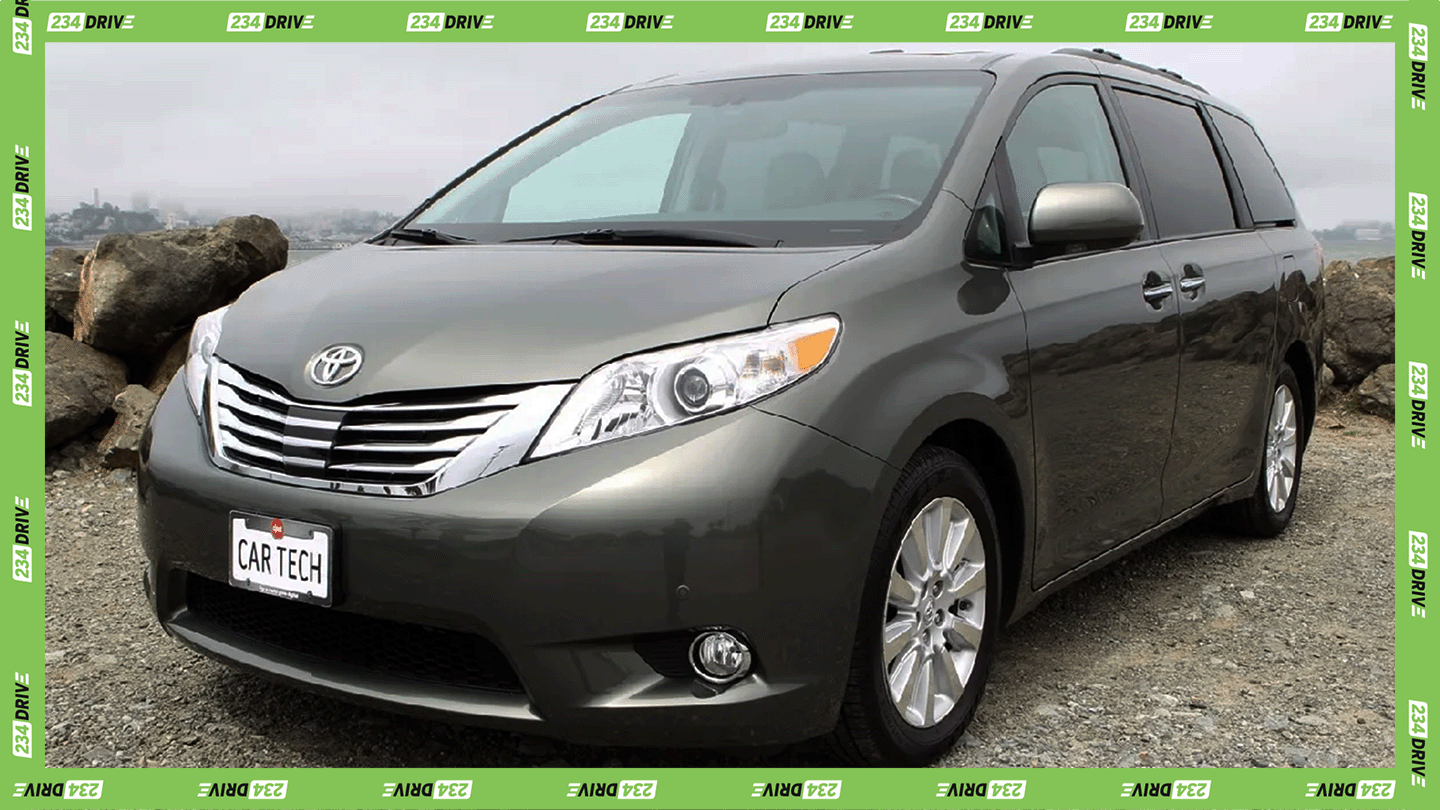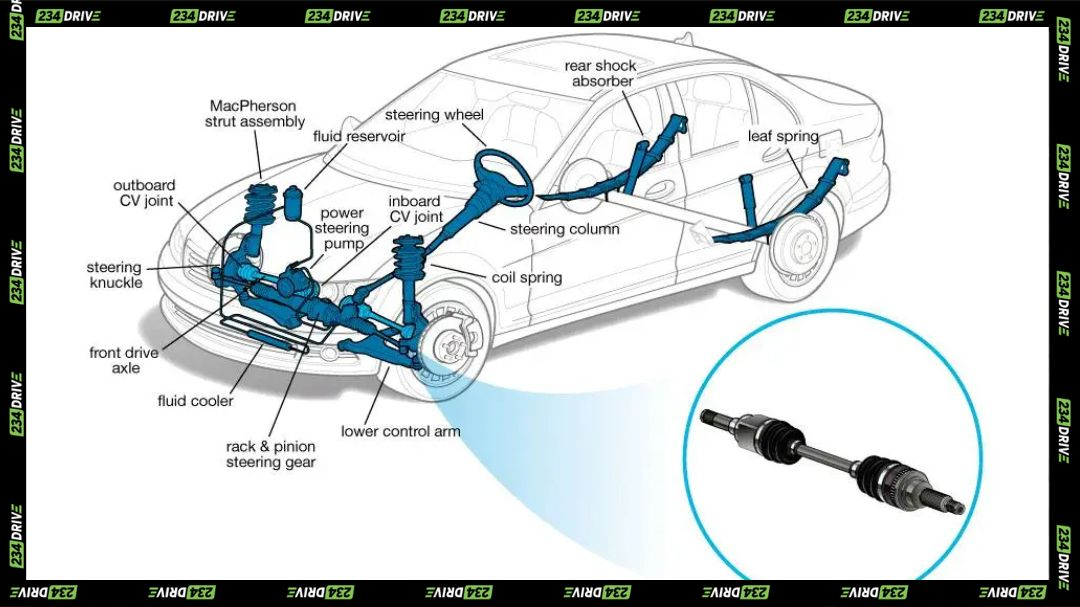

The fifth-generation Toyota Camry, globally designated as the XV30 series and produced between 2001 and 2006, enjoys a near-legend status in Nigeria, where it is affectionately and sometimes critically referred to as “Big Daddy” in Nigeria. This nickname arose immediately after its launch, distinguishing it from its leaner predecessors by its notably larger, rounder, and more muscular styling. The vehicle’s substantial road presence, coupled with Toyota’s unrivalled reputation for durability, cemented its position as the archetypal mid-size sedan for Nigerian families and businesses. Even nearly two decades after its introduction, the Big Daddy remains a staple on Nigerian roads, prized for its sheer practicality and robust engineering, which are the main reasons this Camry is so popular.
Its enduring popularity is a direct consequence of its functional suitability for the local environment. Beyond being simply a dependable mode of transport, the Big Daddy Camry addresses core Nigerian ownership requirements: exceptional interior and boot space, a smooth ride capable of absorbing road imperfections, and most critically, an infrastructure of low-cost, readily available spare parts. This combination has made it a financial sanctuary—a vehicle with low running costs that retains strong residual value, offering an accessible and reliable mobility solution for a broad demographic, from private owners to ride-hailing and taxi operators.
Detailed Model Analysis: The ‘Big Daddy’
Exterior Design, Styling Features, and Road Presence
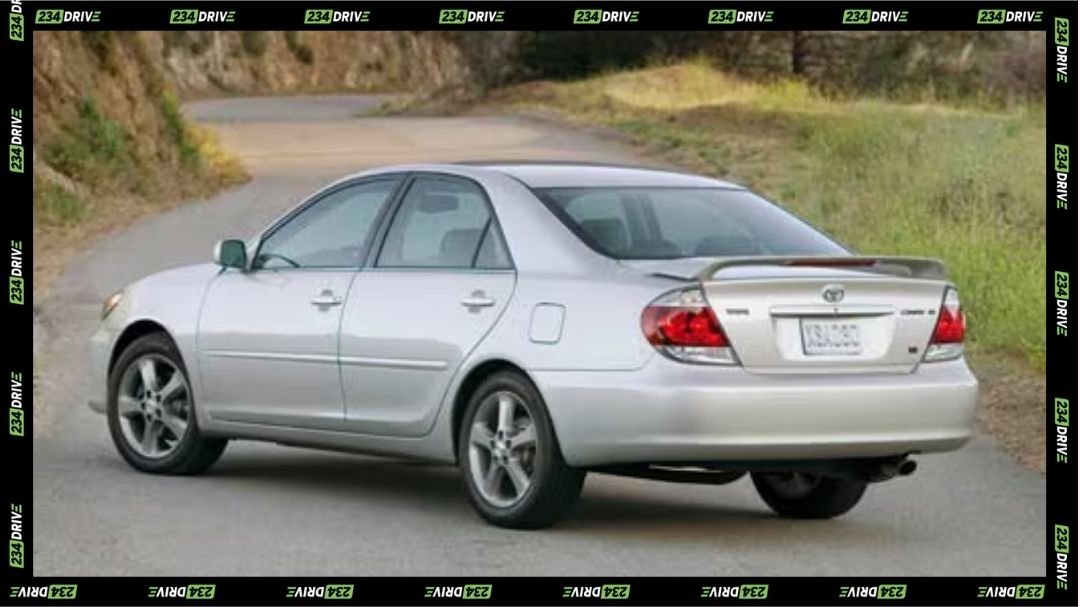
The exterior design of the 2002–2006 Camry was a significant departure from the conservative lines of earlier models. Its styling is characterised by a muscular, somewhat bulky profile, defined by rounded corners and an overall taller stance. The commanding front fascia is dominated by a wide, chrome-accented grille and large, swept-back headlamp clusters—features often locally described as the car’s “big lights.” This design bestows the Big Daddy with an imposing road presence, contributing to the feeling of safety and substance that many Nigerian drivers desire.
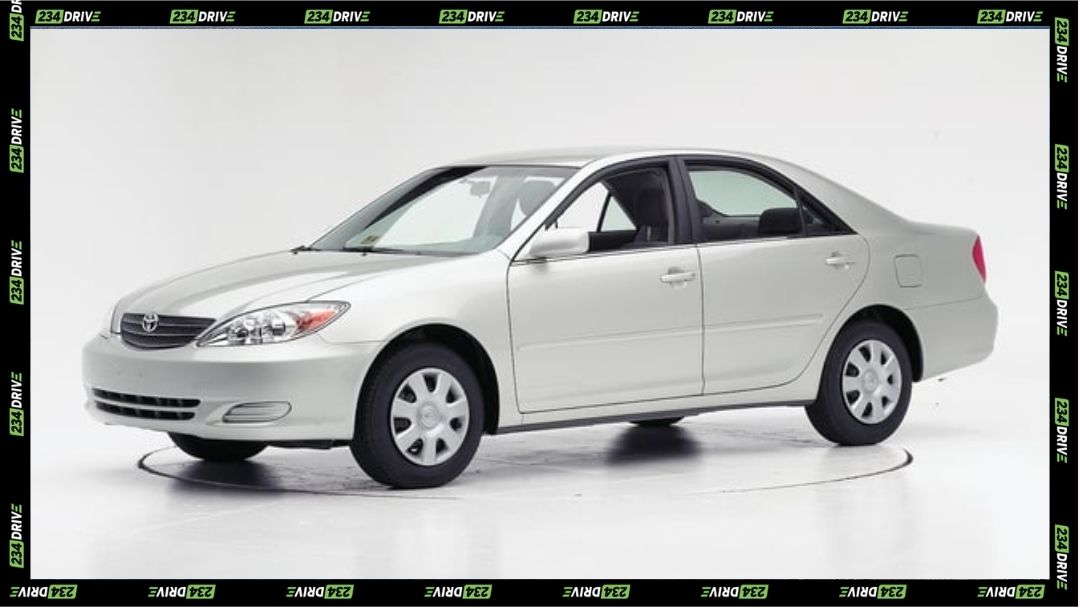
However, the design remains divisive; while many appreciate the bold, almost commanding posture it strikes on the road, others find the appearance somewhat ungainly or “fat” compared to sleeker modern sedans. Standard wheel sizes generally range from 15 to 16 inches, offering a decent tyre sidewall for comfort and puncture resistance. Despite the overall solid build reputation, a common observation is that the body panels are relatively thin, meaning they can dent more easily than one might expect, particularly a concern given the sometimes chaotic traffic conditions in major urban centres.
Interior Comfort, Technology, and Performance Details
The true strength of the Big Daddy lies in its cabin, which is celebrated for its exceptional roominess. The interior space, particularly the generous rear legroom, made it a class leader and remains one of the primary reasons for its enduring success as a family or commercial vehicle. The seats are typically plush and supportive, offering a smooth, comfortable, and quiet ride quality that effectively shields occupants from the noise and bumps of rough Nigerian roads. High-specification XLE models often feature conveniences such as wood trim, automatic climate control, and power-adjustable seating, lending a slightly more upscale feel.
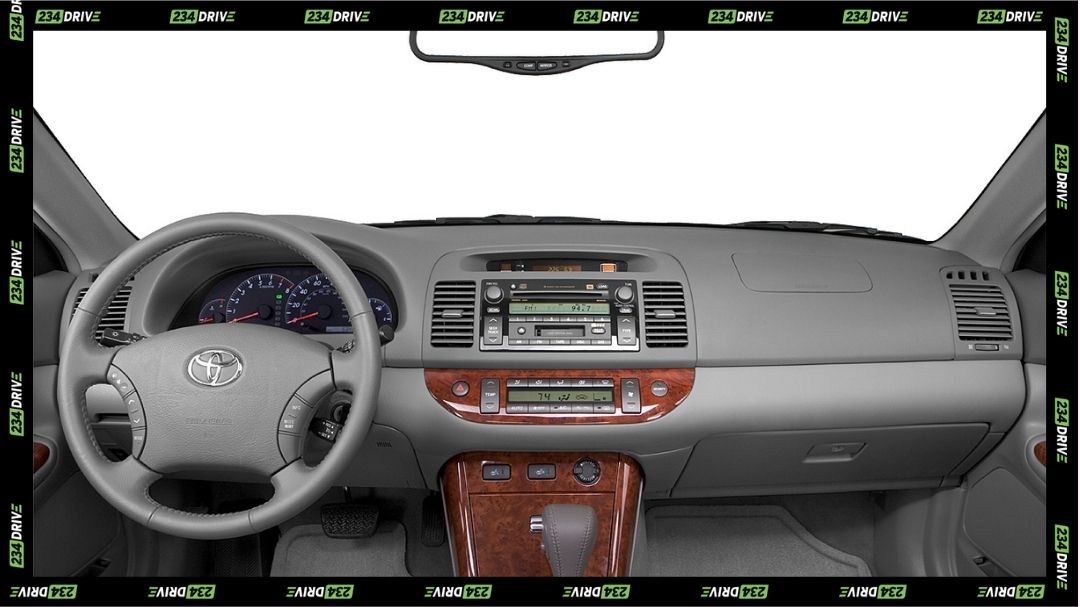
However, technology and materials in the more common LE and base models are distinctly functional and, by 2025 standards, appear dated. The dashboard layout is simple and highly functional, but the materials predominantly feature hard plastics, which can suffer cosmetic issues like cracking in extreme heat, although this is less common than often reported. Performance is governed by two main engine options: the most prevalent is the 2.4-litre, 4-cylinder (2AZ-FE) unit, producing approximately 157–160 horsepower. This engine delivers smooth, predictable power, achieving 0–100 km/h in around 9–10 seconds, which is adequate for city cruising but can feel laboured when the vehicle is fully laden or the air conditioning is running.
The more coveted option is the 3.0-litre V6 (1MZ-FE), which delivers a more robust 210 horsepower. This V6 significantly improves the driving experience, offering much stronger acceleration (0–100 km/h in approximately 7–8 seconds) and superior highway overtaking capability. Both engines are paired with a highly durable 4-speed or 5-speed automatic gearbox, renowned for its reliability if serviced correctly. The suspension setup, featuring MacPherson struts at the front and a dual-link arrangement at the rear, is tuned specifically for comfort, resulting in safe, predictable handling that prioritises passenger serenity over outright sporty dynamics. Fuel consumption figures are respectable for a car of its age and size, typically yielding between 10 km/L and 13 km/L in mixed driving conditions.
How the ‘Big Daddy’ Fits the Nigerian Driving Landscape
The operational relevance of the Toyota Camry Big Daddy in Nigeria is unparalleled because its core engineering perfectly aligns with local demands. The combination of high mechanical durability and relative simplicity makes the Camry ideally suited to the dual challenges of the region: poor road infrastructure and volatile economic conditions. Its comfortable, absorbent suspension handles the infamous potholes and poorly maintained surfaces with ease, offering a significantly smoother ride than many lower-riding or technologically complex European alternatives. Furthermore, its robust air conditioning system is critical for maintaining passenger comfort during the intense heat and humidity of the dry season, a climate resilience factor that the Camry consistently delivers upon, and its story has even received local media coverage.
The true integration of the Big Daddy into the Nigerian lifestyle stems from its maintenance and cost-of-ownership profile. From this perspective, it stands out as arguably the smartest used car investment. Toyota parts are not just available—they are universally stocked, from authorised distributors to massive informal auto markets like Ladipo. This ubiquity ensures components are inexpensive, effectively mitigating the high running costs typically associated with vehicle ownership. Since virtually every roadside mechanic is intimately familiar with the common 2.4L 4-cylinder engine, repairs are swift, affordable, and accurate, drastically reducing vehicle downtime. This established ecosystem for parts and labour, coupled with the car’s famously strong resale value, means that the Big Daddy is perceived less as a depreciating asset and more as a highly liquid and indispensable tool for everyday mobility.
Competitive Positioning and Market Rivalry
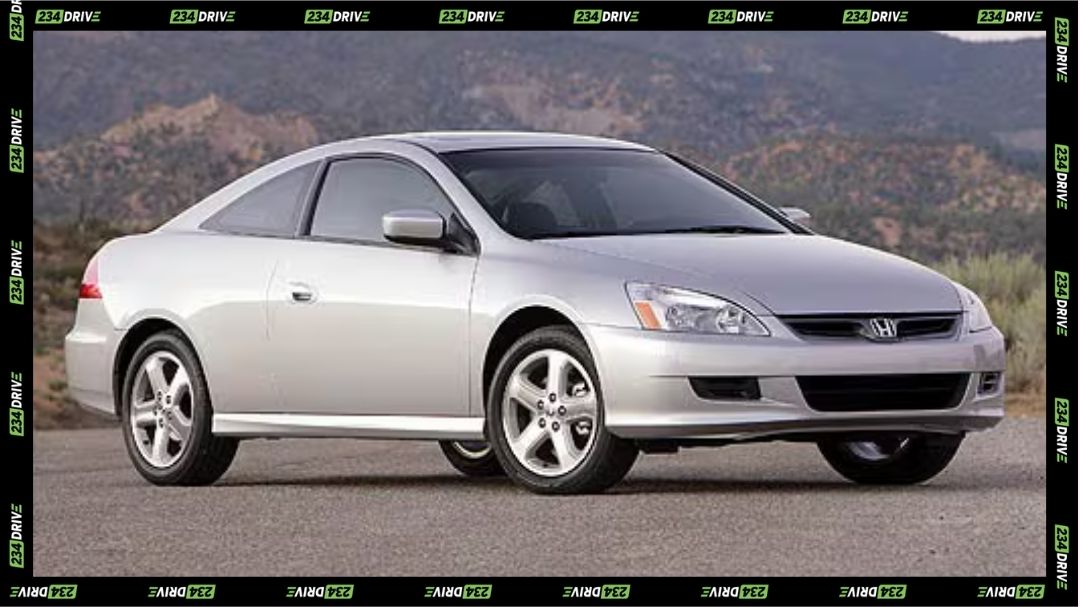
The ‘Big Daddy’ Camry’s market position is unique, sitting predominantly in the premium used car segment, where it competes with vehicles like the Honda Accord (especially the 2003–2007 “Evil Spirit” generation) and, to some extent, with modern, small, new cars like the Suzuki Dzire or S-Presso. In comparison to used segment rivals like the Accord, the Camry often boasts marginally lower maintenance costs, though the Accord typically offers a slightly sportier drive. Crucially, the Camry’s reputation for oil consumption on the 4-cylinder models (a known issue globally for the 2AZ-FE engine) requires careful management. For deeper insight into specific failure points, consult resources detailing common problems and reliability. V6 models are generally more robust and preferred by those seeking higher durability.
When pitted against modern, entry-level, new vehicles, such as the Suzuki Dzire (estimated ₦25–35 million), the Big Daddy’s price point of roughly ₦4–7 million (foreign-used) makes it accessible to a much wider economic bracket. While a new Suzuki offers contemporary safety features, a full warranty, and superior fuel economy (around 15 km/L), the used Camry provides significantly more space, comfort, and road presence for a fraction of the cost. The sheer volume of parts and the easy maintainability of the Camry often make it a more durable long-term investment than a complicated, imported modern car, solidifying its place as the definitive mid-size sedan for those balancing budget, comfort, and reliability.
Conclusion
The 2002–2006 Toyota Camry, the venerable ‘Big Daddy’, is much more than just a used car in Nigeria; it is a cultural icon and a benchmark for automotive resilience. Its key strengths—enormous interior space, a comfortable and quiet ride, robust mechanicals, and unparalleled ease of maintenance—make it a supremely intelligent choice for the pragmatic Nigerian consumer. Despite its dated styling and the notorious oil consumption caveat on the 4-cylinder engine, its combination of low running costs and enduring resale value ensures it remains a top-tier mobility solution.
Do you agree that the V6 model is the true “Big Daddy” due to its enhanced durability and performance, or is the ubiquitous 4-cylinder version the real MVP for its sheer availability and fuel efficiency? For community discussions and advice, share your thoughts below.