
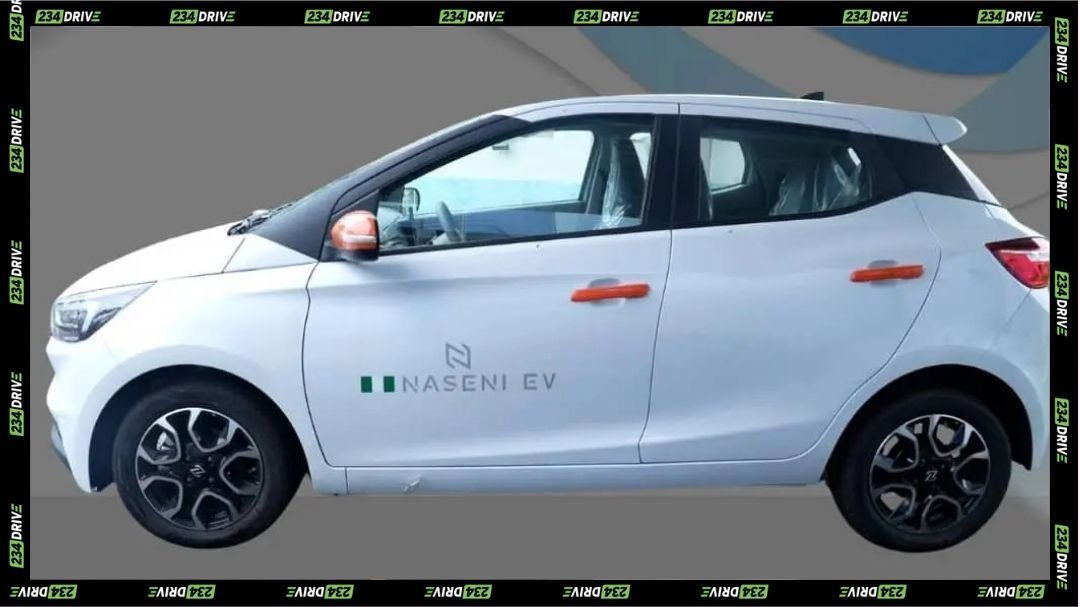
In a decisive pivot from reliance on foreign automotive manufacturing, the National Agency for Science and Engineering Infrastructure (NASENI) has unveiled its first locally assembled electric vehicle (EV) car. This momentous launch, which garnered widespread publicity in early December 2025, signals Nigeria’s firm commitment to both industrial self-reliance and the global energy transition. The vehicle is a hybrid model, cleverly blending battery power with a fuel backup system for enhanced efficiency and extended range, addressing the nation’s infrastructural realities. With an estimated initial market price of approximately N80 million (c. £44,000) for a brand-new unit, this initiative is positioned not just as a technological breakthrough, but as a critical driver for job creation and the curbing of foreign exchange expenditure on imported fuels and vehicles.
The new car, assembled by local engineers in Abuja, embodies a sleek yet robust design suitable for the rigorous demands of Nigerian logistics and urban hauling. It features a spacious cab and a practical cargo bed. Technical highlights include a seamless hybrid powertrain that offers a smooth, almost “air-like” drive, highly sensitive regenerative braking for energy recapture, and a user-friendly touchscreen infotainment system with Bluetooth connectivity. Critically, the vehicle is designed to be highly versatile, capable of performing on varied terrains, leveraging its hybrid nature to ensure long-range efficiency where dedicated charging infrastructure is scarce. The design team has prioritised local assembly of the chassis and aimed to localise 60 to 70 per cent of components as production scales, a necessary step for achieving the targeted 20-30 per cent cost reduction compared to fully imported electric counterparts.
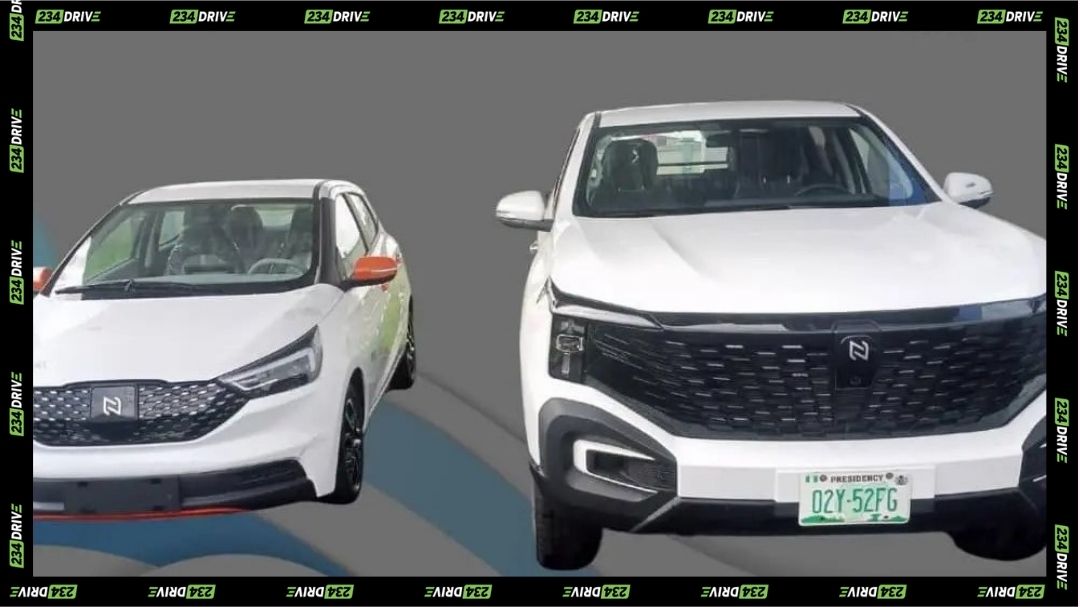
The strategic shift signalled by this launch is profound, moving Nigeria from being a consumer of foreign technology to a developer and manufacturer. Under the leadership of Executive Vice Chairman/CEO Khalil Suleiman Halilu, the strategy involves engaging hundreds of local engineers, welders, and technicians through targeted training and assembly programmes, thereby tackling youth unemployment which currently hovers around 40 per cent for the under-35s. NASENI’s role is to drive the prototyping and local assembly, while global collaborations, such as the discussions with Chery Automobile, are explicitly focused on technology transfer and establishing domestic battery production at a planned Renewable Energy Park. This multi-faceted approach directly supports the nation’s industrialisation goals and is aimed at securing supply chains by reducing the dependence on billions spent annually on vehicle and fuel imports.
In a global context, this hybrid approach sets Nigeria’s execution apart. While developed markets prioritise pure EVs and advanced charging networks, NASENI’s model is pragmatic, ensuring viability in a nation with currently limited charging infrastructure (estimated at only 500 public stations nationwide). Domestically, the N80 million estimated price point, while premium, is positioned to undercut fully imported electric rivals, which can exceed N100 million. The strategic roadmap counters scepticism about scalability with a phased execution: initial fleets will be rolled out to government agencies, followed by integration with private logistics partners like DHL and Jumia, aiming for a thousand units by 2027. This controlled deployment serves as the essential stepping stone for market adoption.
This ambitious programme is built on a track record of indigenous innovation, including earlier successes with the zero-emission Electric KEKE tricycle prototype. The momentum for the heavy-duty car project built throughout 2025, culminating in the December high-profile publicity, solidifies NASENI’s credibility as a national technology champion. By demonstrating the potential to produce complex, environmentally friendly vehicles on African soil, Nigeria is actively positioning itself as the continent’s premier EV manufacturing hub. The question now remains whether government policy—through crucial incentives like tax breaks and the rapid rollout of solar-powered charging depots—can match the speed of NASENI’s engineering to ensure this pivotal breakthrough translates into fleet-scale revolution and true national impact.