
The Volkswagen Sharan stands as a testament to German automotive practicality, serving for decades as the go-to multi-purpose vehicle (MPV) for European families needing genuine seven-seat capacity. Engineered for versatility and reliability, the Sharan, whose name translates from the Persian as ‘Carrier of Kings,’ has carved out a niche in African markets like Nigeria, where large family transport is a daily necessity. Despite Volkswagen ceasing production around 2022–2023, its robust construction and clever, flexible interior design ensure its continued relevance, primarily available now through the “tokunbo” (foreign-used) vehicle import market.
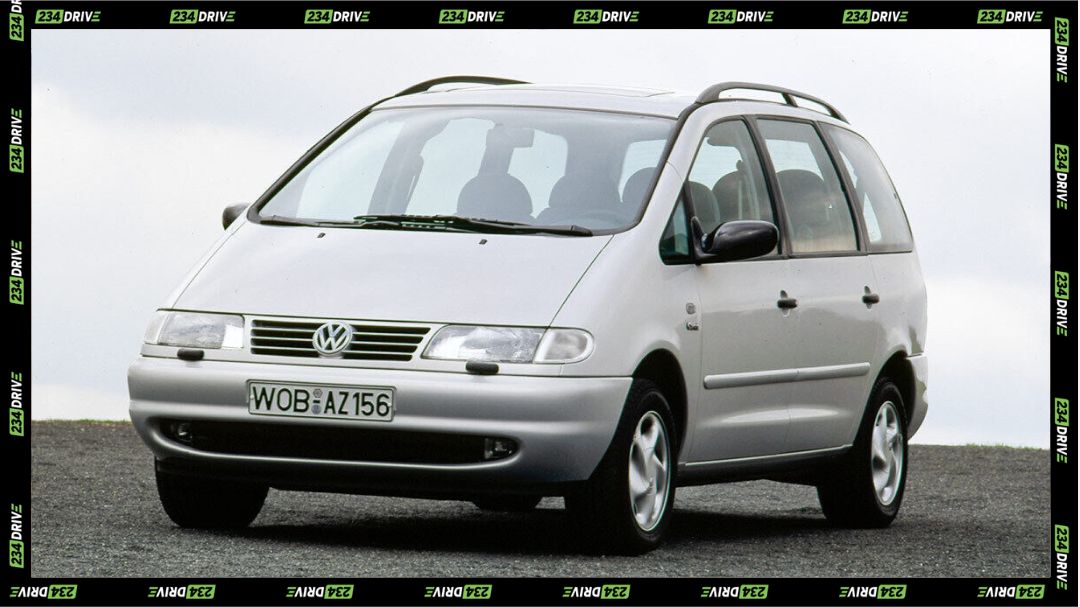
For Nigerian buyers, this MPV presents a strong case for combining durability with high-quality interior refinement—hallmarks of the Volkswagen brand. Unlike the proliferation of modern seven-seat SUVs, the Sharan prioritises space and access, making it a compelling, albeit more conservatively styled, option for those prioritising function over form. It remains a sturdy and efficient choice for navigating long distances and challenging urban environments, offering diesel economy and a build quality that often surpasses segment rivals, provided the prospective owner is prepared for the specific maintenance demands of a sophisticated imported vehicle.
Exterior Design, Styling, and Road Presence
The Sharan’s exterior design ethos is unashamedly focused on maximising interior volume, leading to a tall, boxy silhouette that prioritises utility over dynamic flair. Post-2010 models feature a more contemporary appearance than their predecessors, incorporating sharper headlights, a deep front bumper, and the distinctive angular Volkswagen design language of the time. While critics often label its aesthetic as “dull” or “conservative,” its sheer size and height—around 1730mm—give it a commanding and solid road presence that projects confidence and competence, rather than sporting pretension.
Crucially for family utility, the second-generation Sharan introduced large, sliding rear doors. This feature is transformative, offering unparalleled ease of access to the middle and third rows, especially in the tight confines of urban Nigerian parking spaces. The large window lines also contribute to excellent visibility for the driver and an airy feel for passengers. Its dimensions—4634mm long and 1810mm wide—mean it occupies a significant footprint, but the refined build quality and robust panels reflect its origin as a vehicle designed to withstand the rigours of busy family life, offering reassuring solidity wherever it travels.
Interior Comfort, Technology, and Performance Details
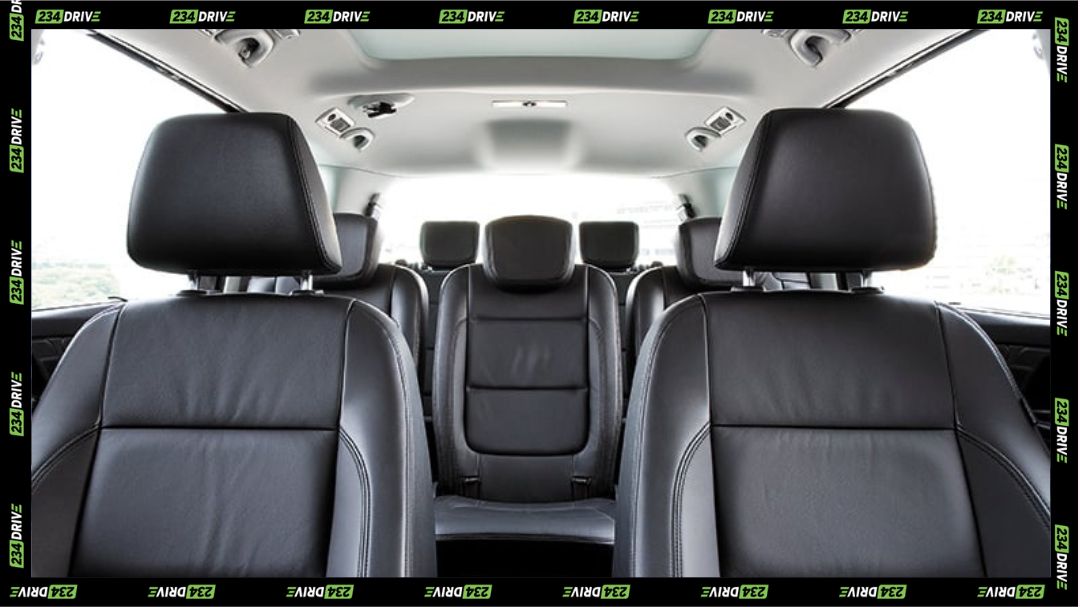
The Sharan truly shines inside, delivering a high-quality cabin environment built to withstand wear and tear. The interior boasts soft-touch plastics, glossy trims, and robust switchgear that feel instantly more premium than many Japanese and American competitors of the same vintage. Passenger comfort is exceptional, supported by a highly versatile seating arrangement, including individual sliding middle-row seats and the ingenious EasyFold system, which allows the third-row jump seats to fold flat into the floor, creating a vast, van-like load area of up to 2423 litres. Even with all seven seats in use, the boot retains a usable 300 litres of space, far exceeding many contemporary seven-seat SUVs.
Under the bonnet, the Sharan’s engine options are geared towards efficiency and dependable performance. The most common powertrains available in the used Nigerian market are the 1.4-litre TSI petrol (producing 150 hp) and the 2.0-litre TDI diesel, often found in 150 hp and 184 hp outputs. The diesels are overwhelmingly preferred due to their superior torque and remarkable fuel economy, achieving figures between 53 and 56 miles per gallon (mpg), a critical factor with fluctuating fuel prices in Nigeria. While the 2.0-litre TSI (around 200 hp) offers brisk acceleration of approximately eight seconds for the 0-100 km/h dash, the TDI variants provide a better balance for fully-loaded, long-distance cruising. Paired with either a manual gearbox or Volkswagen’s Direct Shift Gearbox (DSG), performance is best described as adequate and refined, rather than exhilarating.
A little more detail on the engine variants:
- 1.4 TSI (150 hp, Petrol): This is the entry-level turbocharged petrol engine for the Sharan range, producing 150 horsepower and paired with either a manual or automatic transmission. It offers moderate performance, taking approximately 10 seconds to accelerate from 0 to 100 km/h, with a top speed of around 200 km/h.
- 2.0 TDI (150 hp, Diesel): This highly fuel-efficient diesel variant also generates 150 horsepower, prioritising torque and economy over outright speed. Its performance figures are comparable to the 1.4 TSI petrol model, with a 0-100 km/h time of approximately 10 seconds and a maximum speed of 195 km/h.
- 2.0 TDI (184 hp, Diesel): This represents the more powerful diesel option, delivering 184 horsepower and often found linked to the sophisticated Direct Shift Gearbox (DSG). The increased output allows for swifter acceleration, achieving the 0-100 km/h sprint in about 9 seconds, and an improved top speed of 215 km/h.
- 2.0 TSI (older, 200 hp, Petrol): This is the range-topping, older generation petrol engine, generating 200 horsepower and exclusively utilising an automatic transmission. It provides the quickest acceleration of the available options, hitting 100 km/h in roughly 8 seconds, and boasts the highest quoted top speed of 220 km/h.
In Nigeria, the Volkswagen Sharan is exclusively available as a used import, or tokunbo vehicle, with pricing highly dependent on the model year, overall condition, and engine variant. Current market listings show a broad range, reflecting the variety of imported units. Older models, such as the 2004 Blue edition, typically start around ₦3,700,000, offering an affordable entry point into German MPV ownership. However, better-maintained, newer examples, such as a 2012 model (potentially high-spec with an automatic transmission), can command prices reaching up to ₦9,480,000. Even for the general range of older/low-end units, prices typically fall between ₦1,600,000 and ₦2,600,000 on platforms like Cars45, cementing the Sharan’s position as a premium-badged but relatively accessible family vehicle.
How it Fits with Nigerian Roads and Life
The Sharan’s inherent design offers several advantages for the Nigerian driving environment, primarily its commanding driving position and its refined suspension setup, which is soft enough to absorb minor road imperfections. For daily family errands and motorway journeys, the Sharan’s ride quality is pleasant and composed. However, the true test of any imported European vehicle lies in its ability to handle the deep ruts and large potholes common on poorly maintained roads. While the Sharan is robust, its European-spec suspension and lower ground clearance compared to popular SUVs mean that impacts from significant road hazards can transmit an unpleasant jolt through the cabin, demanding careful and deliberate driving on challenging surfaces.
In terms of lifestyle, the Sharan’s prestige is subtler than that of high-end SUVs, appealing instead to a demographic that values practical sophistication and efficiency. The highly rated TDI diesel engines are particularly relevant, offering excellent economy that mitigates the high cost of fuel per litre (currently hovering around ₦700–800). On the maintenance front, the availability of Volkswagen parts is generally good, but sourcing specialists for complex issues like the Direct Shift Gearbox (DSG) or dealing with diesel-specific problems like the Diesel Particulate Filter (DPF) and Exhaust Gas Recirculation (EGR) valve—which are prone to blockage due to stop-start city driving—requires access to competent, certified mechanics. This makes thorough inspection and reliable service history essential for a positive ownership experience.
Segment Rivals Comparison
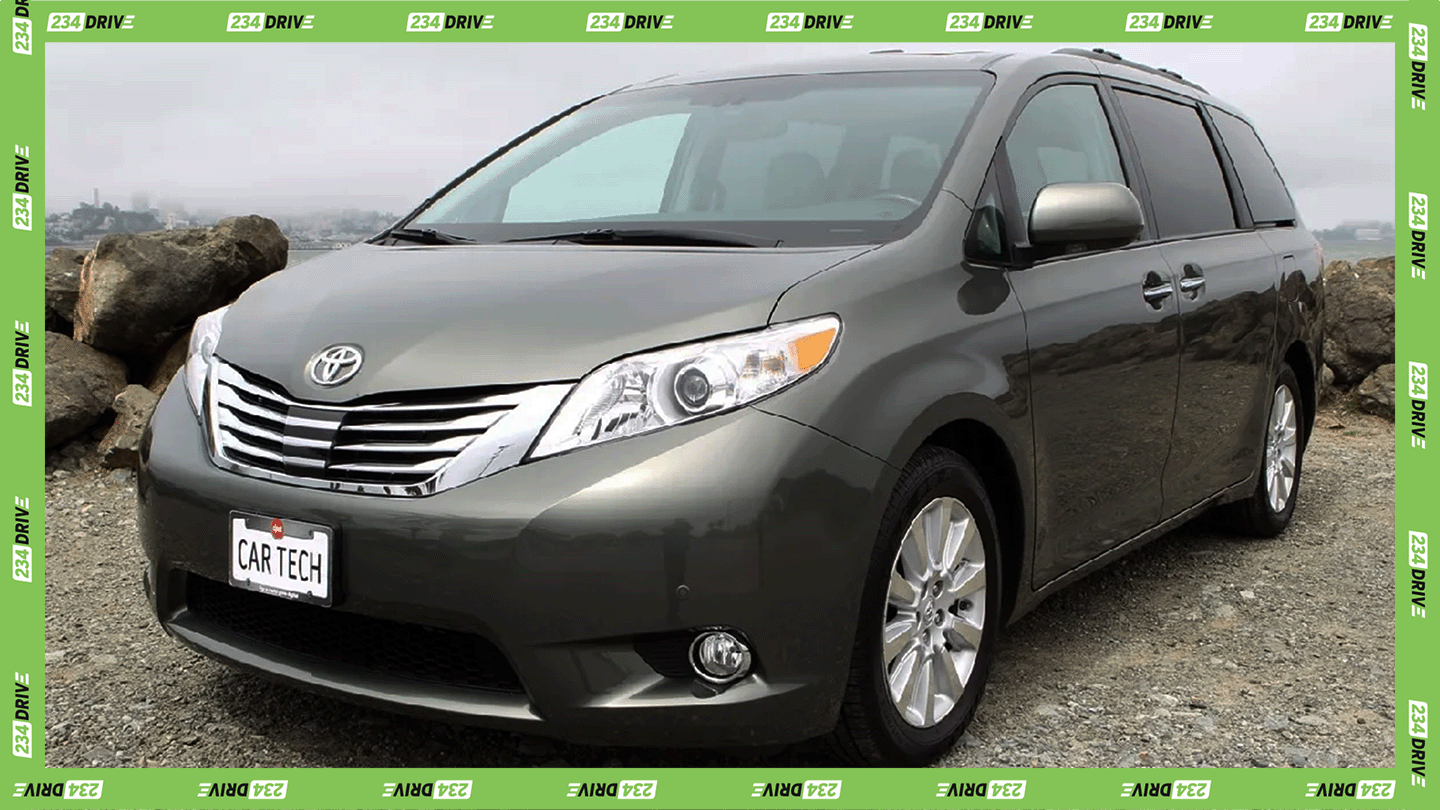
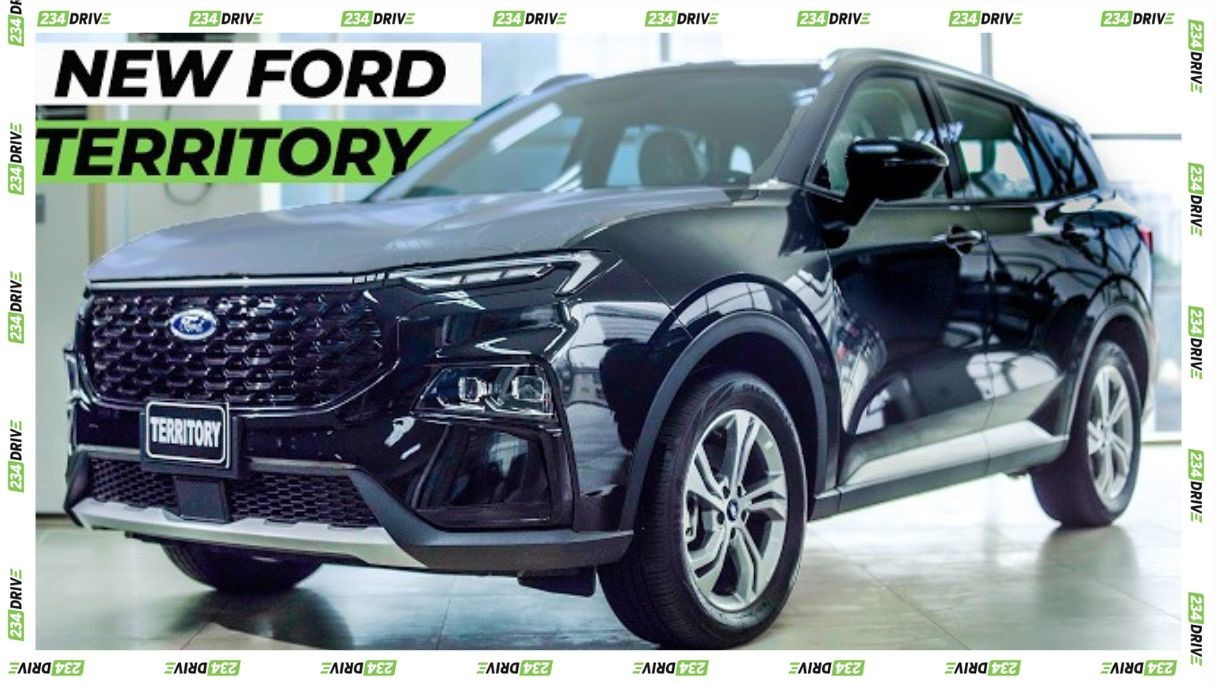
In the highly competitive seven-seater segment, the Volkswagen Sharan faces direct rivalry from its platform-sharing siblings, the Ford Territory and the SEAT Alhambra, as well as the market juggernaut, the Toyota Sienna, which dominates the Nigerian people-carrier market. The Sharan’s core competitive advantage lies in its perceived premium build quality and more refined driving dynamics compared to the Alhambra, which is essentially the same vehicle but is typically priced lower. However, the Sharan often loses out to the Ford Territory in terms of raw resale value (RV) in Europe and is generally pricier than both of its co-developed rivals when purchased new, although used prices can converge.
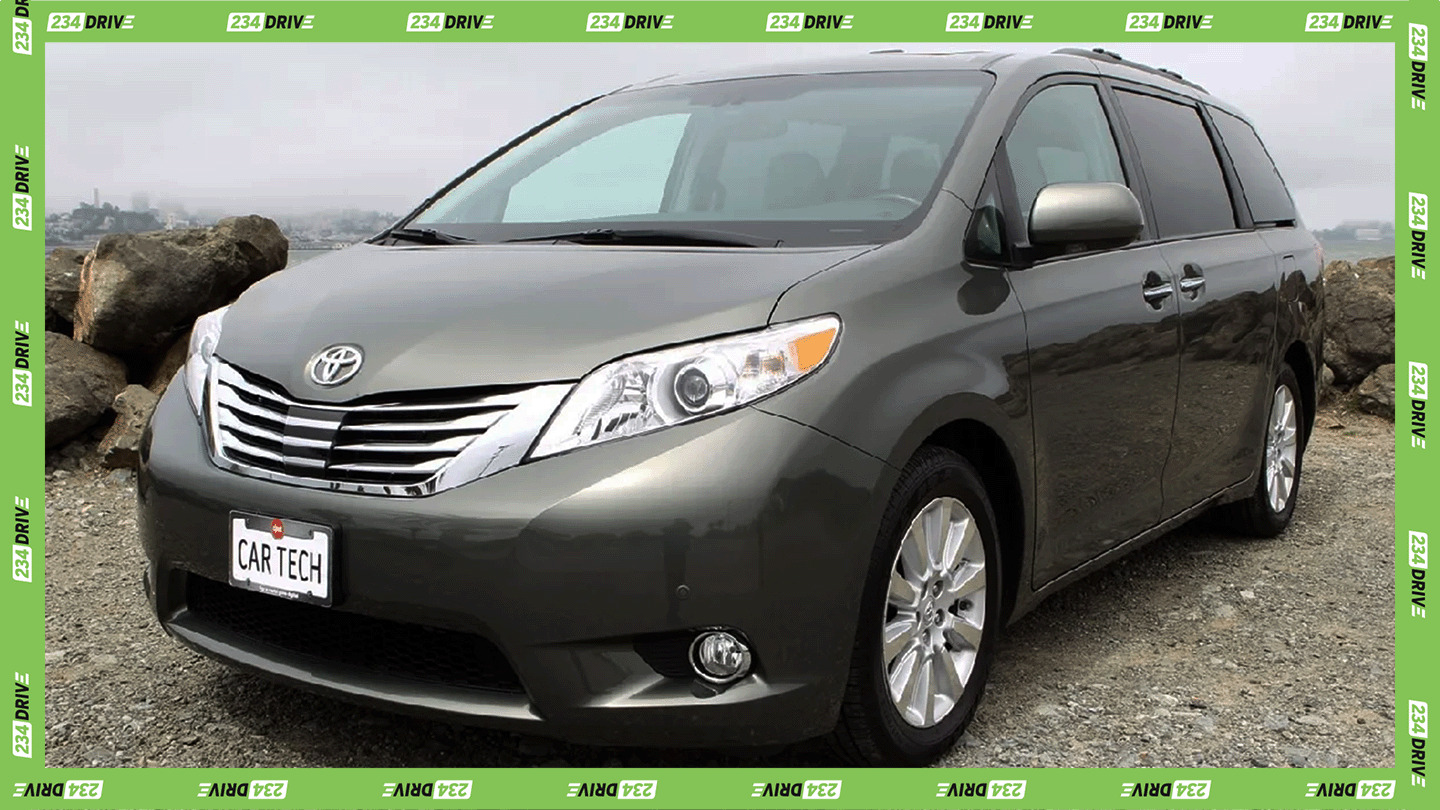
The ultimate competitor in the Nigerian context is the Toyota Sienna. While the Sienna may lack the Sharan’s refined German interior materials and sophisticated engine technology (such as the DPF-equipped diesels and the complex DSG), it wins overwhelmingly on three critical factors: resale value, durability, and maintenance simplicity. The Sienna holds its market value exceptionally well, is mechanically simple to repair with ubiquitous, affordable spare parts across the region, and its conventional automatic gearbox and naturally aspirated petrol engines are far less susceptible to failure from poor fuel quality or irregular service schedules than the Sharan’s sophisticated European counterparts. Therefore, while the Sharan offers a superior driving and comfort experience, the Sienna provides an undeniably stronger financial and logistical proposition for long-term ownership in Nigeria.
Conclusion
The Volkswagen Sharan stands as a highly dependable and practical choice for Nigerian families requiring genuine seven-seat versatility and German engineering robustness. Its strengths—the cavernous, flexible interior, excellent diesel fuel economy, and refined build quality—make it a superior vehicle for family transport and comfortable long-distance travel. While its conservative styling and the potential complexity of its modern powertrain components (DSG, DPF) demand careful purchasing and diligent maintenance, the Sharan provides a substantial, capable, and relatively well-priced imported MPV option in the tokunbo market. For buyers who prize space and interior quality over brand flash or ultimate resale stability, the Sharan delivers on its promise as a true ‘Carrier of Kings’.
Have you owned or driven a Volkswagen Sharan in Nigeria? Share your experiences with its durability and maintenance in the comments below!