
The 2010 Toyota Corolla represents a defining moment in the history of the compact sedan, marking the maturity of the model’s 10th generation. While it may not set pulses racing with aggressive styling or track-ready performance, its public image is built on a foundation of unshakeable dependability and pragmatic engineering. Often referred to in Nigerian circles as the “Bank Manager” or simply the gold standard of daily transportation, this iteration of the Corolla prioritised substance over style. It cemented Toyota’s reputation for building vehicles that simply refuse to die, appealing to a demographic that views car ownership as a long-term investment rather than a fleeting fashion statement.
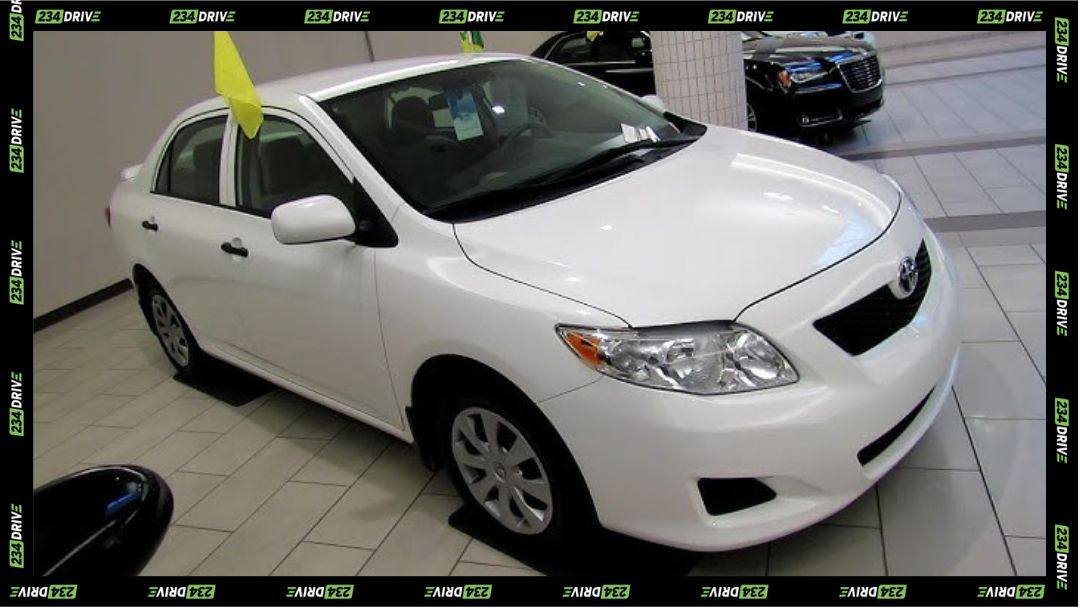
In terms of its “career” on the global and local stage, the 2010 model year was a period of refinement rather than revolution. It navigated the brand through a challenging era of high-profile recalls, emerging largely unscathed due to its sheer ubiquity and loyal customer base. Its taste in automotive design leans heavily towards the conservative; it avoids risks in favour of familiar comfort. This approach has served it well, allowing it to maintain relevance more than a decade later. Today, it stands not just as a used car option, but as a critical component of the Nigerian transport ecosystem, bridging the gap between affordability and the rising costs of modern motoring.
Exterior Design and Road Presence
Visually, the 2010 Corolla adopted a slightly more bulbous and aerodynamic silhouette compared to its razor-edged predecessors. The design features a lower roofline and sweeping character lines that stretch from the front fenders to the rear taillights, giving it a somewhat fluid appearance. While the base and LE trims ride on modest 15-inch steel wheels that scream utility, the sportier S and XRS trims add flair with body kits, a rear spoiler, and 16-inch alloy wheels. Despite these additions, the car retains a distinctively “Toyota” anonymity—a stealth quality that many owners appreciate for its ability to blend into any environment, from corporate car parks to busy markets.
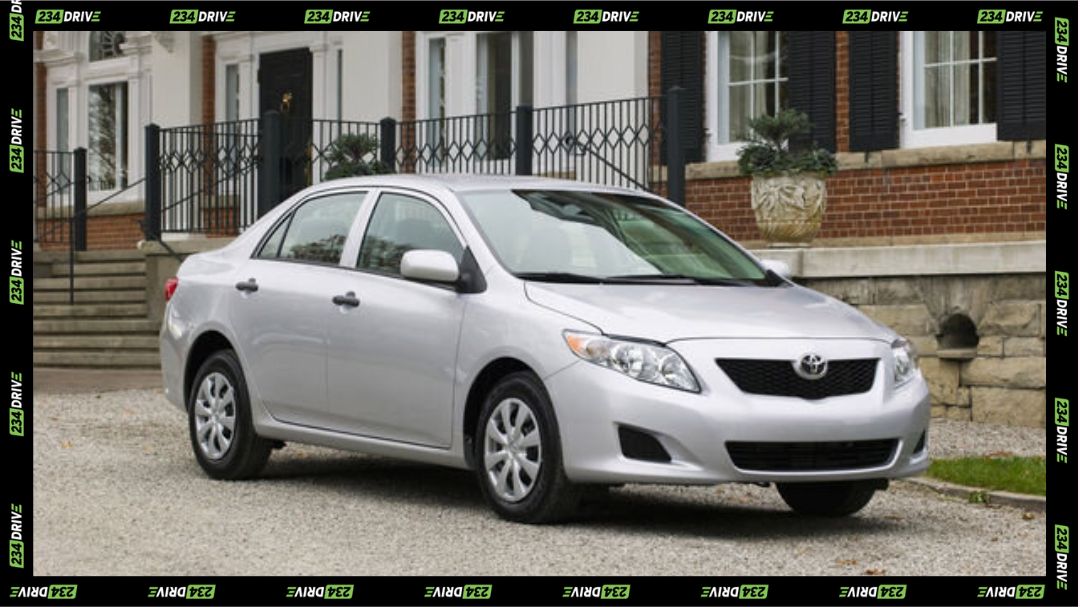
On the road, the Corolla’s presence is defined by its compact yet sturdy stance. Measuring roughly 4.5 metres in length, it is perfectly sized for navigating the tight, congested streets of Lagos or Abuja. It does not demand attention like a luxury German saloon, but it commands a different kind of respect—that of a reliable workhorse. The front fascia, with its swept-back headlights and low air intake, was designed to reduce wind noise and improve fuel efficiency, practical considerations that override the need for aggressive aesthetics. For the Nigerian buyer, the ground clearance (ranging from 5.3 to 5.8 inches) is adequate for standard roads, though it requires cautious navigation over larger speed bumps and potholes.
Interior Comfort, Technology, and Performance
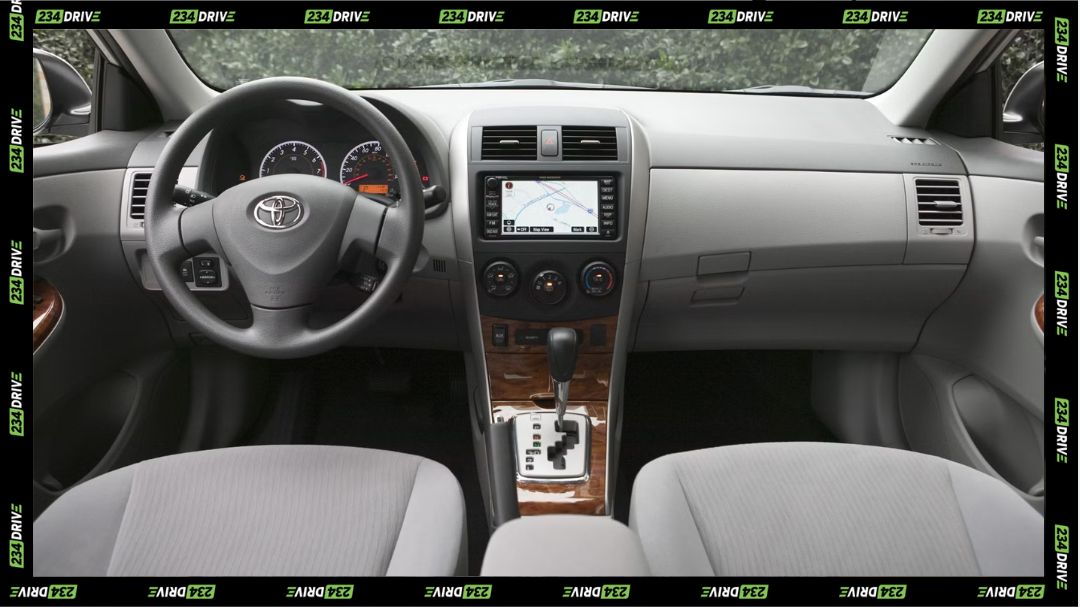
Stepping inside the 2010 Corolla reveals a cabin that prioritises function and durability. The dashboard layout is straightforward, featuring large, legible gauges and intuitive controls for the air conditioning and audio systems. While the materials are predominantly hard plastics, they are assembled with a fit and finish that resists the rattles and squeaks common in ageing vehicles. The interior space is surprisingly generous for a compact sedan, offering ample headroom and legroom for four adults, although fitting three across the rear bench can be tight. Standard specs and features include air conditioning—a non-negotiable for the tropical climate and an auxiliary audio jack, though modern tech like Bluetooth was an option reserved for higher trims.
Under the bonnet, the 2010 Corolla is powered primarily by a 1.8-litre four-cylinder engine delivering 132 horsepower and 128 lb-ft of torque. This powertrain is mated to either a five-speed manual or a four-speed automatic transmission. While these numbers won’t win drag races, they deliver linear, predictable power ideal for daily commuting. The driving dynamics are tuned for comfort rather than sportiness, with an electric power steering system that is light but somewhat numb. For those seeking more urge, the XRS trim offers a punchier 2.4-litre engine with 158 horsepower, though it sacrifices some fuel economy. Speaking of efficiency, the 1.8L model is a star, achieving up to 29 mpg combined, a crucial factor given the current fuel prices in Nigeria.
Relevance to the Nigerian Driving Environment
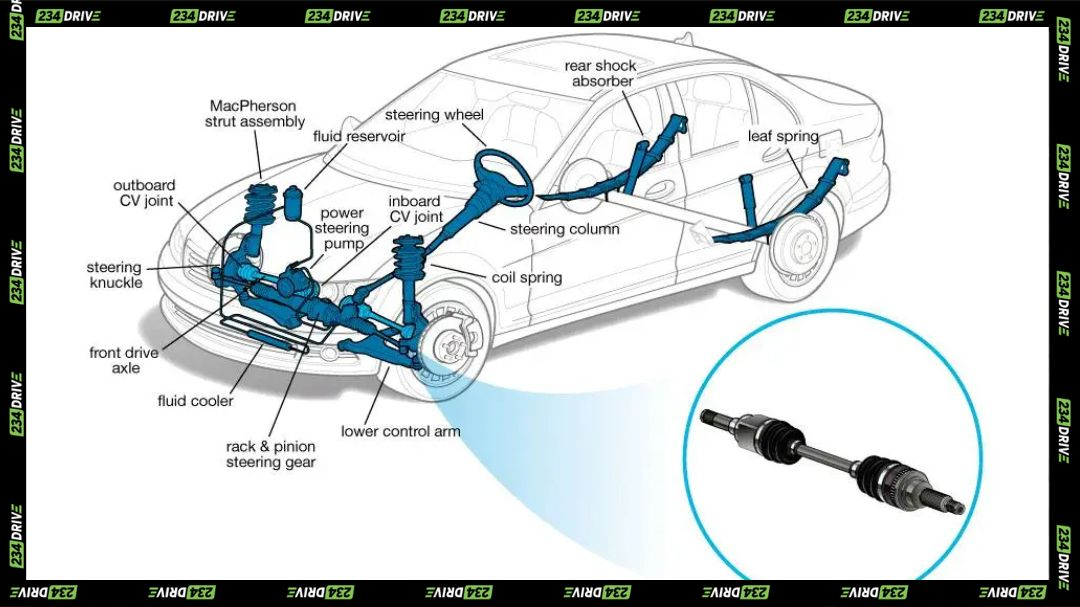
Owning a 2010 Toyota Corolla in Nigeria in 2026 is a decision driven largely by the realities of the local environment. The country’s road network, characterised by a mix of well-paved highways and deteriorating feeder roads, demands a suspension system that is both compliant and durable. The Corolla’s MacPherson strut front suspension handles road imperfections with surprising grace, isolating passengers from the jarring impact of minor potholes. Furthermore, the climate plays a significant role; Toyota’s air conditioning systems are legendary for their ability to cool a cabin rapidly even in 35-degree heat, a feature that significantly enhances the ownership experience during long traffic jams in humid coastal cities.
Practicality extends beyond driving dynamics to the ease of maintenance. The sheer volume of Corollas on Nigerian roads means that parts availability is virtually guaranteed, from the sprawling spare parts markets in Ladipo to roadside mechanics in rural towns. Unlike European rivals that may require specialised diagnostic tools, the Corolla’s mechanical simplicity allows for quick, affordable repairs. This accessibility reduces the total cost of ownership significantly. However, prospective buyers must remain vigilant regarding common problems such as the EVAP system— check engine lights or potential oil consumption in high-mileage units, which are routine checks for any “Tokunbo” (foreign-used) purchase.
Comparison to Segment Rivals
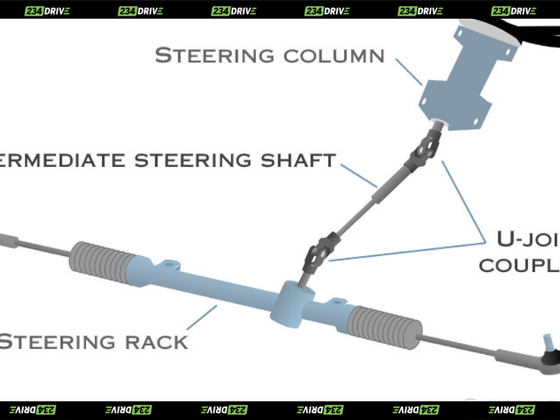
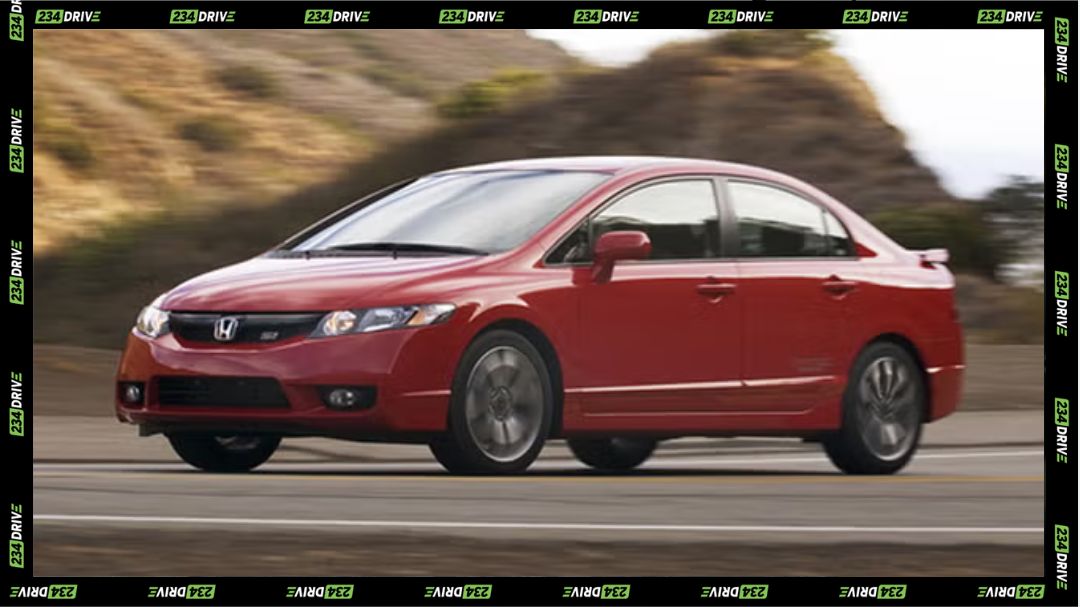
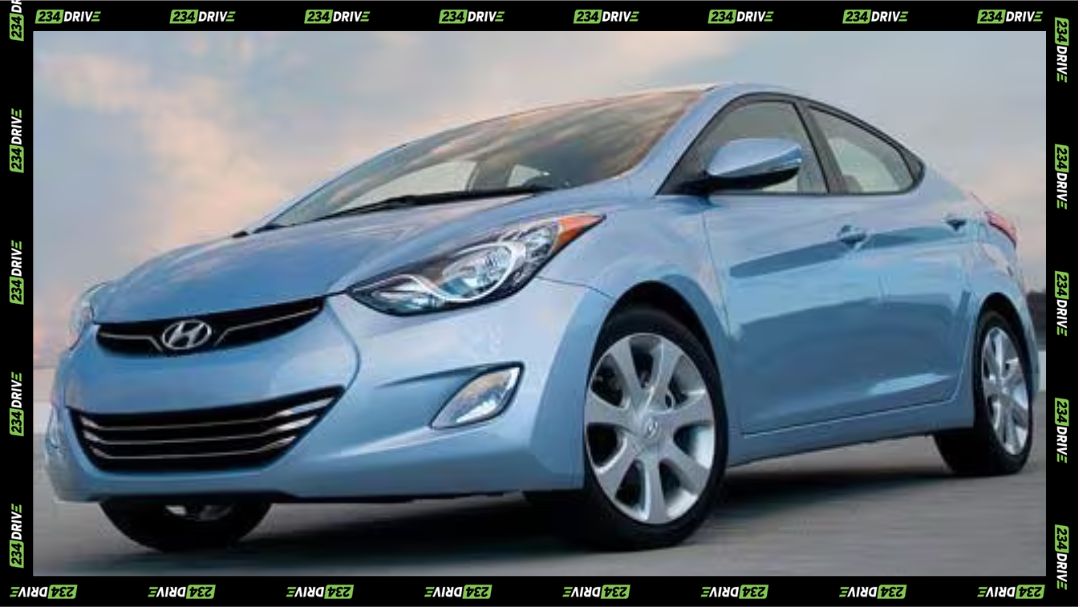
When compared to its primary rivals like the Honda Civic (2006-2011) and the Hyundai Elantra, the Corolla’s competitive positioning becomes clear. The Honda Civic offers a far more engaging driving experience with sharper handling and a futuristic digital dashboard, but it suffers from a reputation for fragile steering racks and lower ground clearance, which can be a liability on bad roads. The Hyundai Elantra offers more modern styling and features for a lower price, but its long-term durability and resale value do not match the Toyota. In the Nigerian market, a clean foreign-used Corolla commands a premium, with prices ranging from ₦8.5 million to ₦13.5 million, significantly higher than a comparable Elantra, reflecting the market’s trust in the Toyota badge.
In terms of resale value, the 2010 Corolla acts almost as a liquid asset. While most vehicles depreciate rapidly, the Corolla’s depreciation curve flattens significantly in the used market. You can buy one, drive it for two years, and sell it for a minimal loss—or even a profit if inflation spikes. Conversely, rivals like the Mazda 3, while fun to drive, can be difficult to resell due to fears over parts scarcity. Durability is another differentiator; while the Civic is robust, the Corolla’s reliability rating consistently tops the charts, with many owners reporting well over 300,000 kilometres on the original engine and transmission with only basic maintenance.
Conclusion
The 2010 Toyota Corolla may not be the most exciting car you will ever drive, but it is undoubtedly one of the smartest purchases you can make in the current economic climate. Its blend of fuel efficiency, mechanical robustness, and exceptional parts availability makes it uniquely effortless to own in Nigeria. Whether you are looking for a reliable daily runner, a first car for a new driver, or a vehicle that holds its value like gold, the Corolla delivers on its promises without drama.
For the savvy buyer, the key lies in finding a well-maintained unit that has avoided the worst of the rigorous usage often seen in locally used examples. We invite you to check current listings and cars for sale to see what is available in your region. What are your experiences with the “Bank Manager” Corolla? Has it lived up to its bulletproof reputation, or have you found a better alternative? Share your thoughts with us.