
In the bustling automotive landscape of Nigeria, where Toyota and Lexus reign supreme, Audi occupies a sophisticated niche for the discerning driver. The brand’s “career” in the region has been one of quiet determination, carving out a space for itself as the thinking person’s luxury vehicle. Unlike the overt flashiness often associated with Mercedes-Benz or the aggressive sportiness of BMW, Audi has cultivated a public image centred on technological advancement, understated elegance, and the legendary Quattro all-wheel-drive system. While it faces challenges related to maintenance infrastructure and fuel quality, the brand has steadily grown its footprint, particularly in the used “Tokunbo” market, appealing to professionals in Lagos and Abuja who value performance and build quality over mere badge snobbery.
The brand’s taste in design often described as “Vorsprung durch Technik” (Progress through Technology) resonates with a growing demographic of Nigerian tech-savvy elites. Historically, Audi was viewed with skepticism due to complex electronics, but the modern era has seen a shift. Drivers now recognise that with the right care, these vehicles offer a driving experience that rivals any competitor. The current market availability is dominated by imported used models, as high import duties and economic shifts make brand-new showrooms a rarity for the average millionaire. Despite this, the allure of the four rings remains potent, representing a blend of status and engineering that is hard to ignore.
Audi Q5
The Audi Q5 is arguably the most critical model for the brand in Nigeria, serving as the perfect bridge between urban manoeuvrability and SUV practicality. Its design is evolutionary rather than revolutionary, featuring the signature Singleframe grille and distinct LED daytime running lights that make it instantly recognisable. On Nigerian roads, the Q5 strikes a balance that few others manage; it is substantial enough to command respect from danfo drivers but compact enough to weave through the chaotic traffic of the Third Mainland Bridge without inducing anxiety.
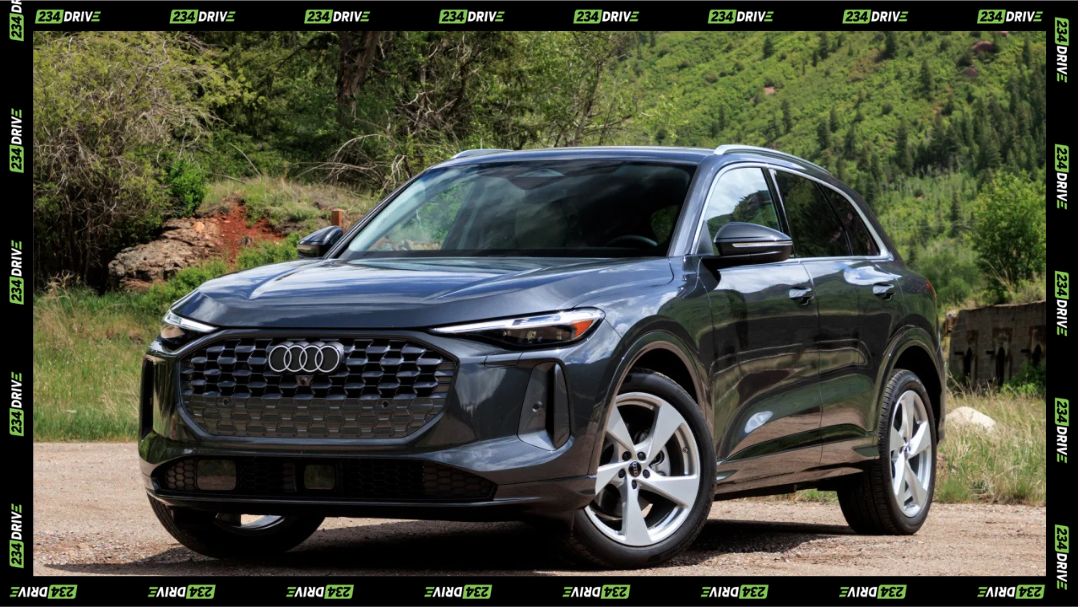
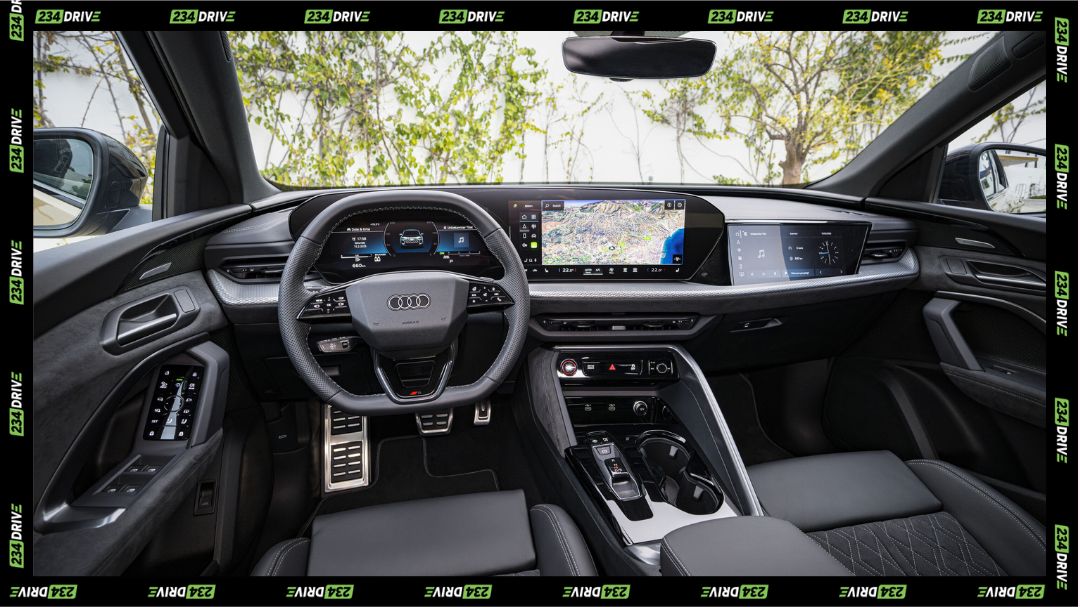
Inside, the Q5 demonstrates why Audi is often hailed as the benchmark for interior quality. The cabin is a sanctuary of soft-touch materials, leather upholstery, and the intuitive MMI infotainment system. Performance comes from a robust 2.0-litre turbocharged engine, typically pushing out around 252 horsepower, paired with the Quattro all-wheel-drive system. This setup offers a confident drive, crucial for the wet season. With global Audi sales data consistently ranking the Q5 as a top seller, it is no surprise it dominates the local market too. Prices for used models range widely from ₦9 million to ₦50 million, depending on the year and trim.
Audi A4
The Audi A4 serves as the gateway drug to German luxury for many Nigerians. It carries a sophisticated, executive look with sharp crease lines running along the shoulder and a low, sporty stance. While it lacks the imposing height of an SUV, its road presence is defined by its clean aesthetics and premium lighting signatures. It sits comfortably in corporate car parks in Victoria Island, projecting an image of upward mobility without the ostentation of larger sedans.
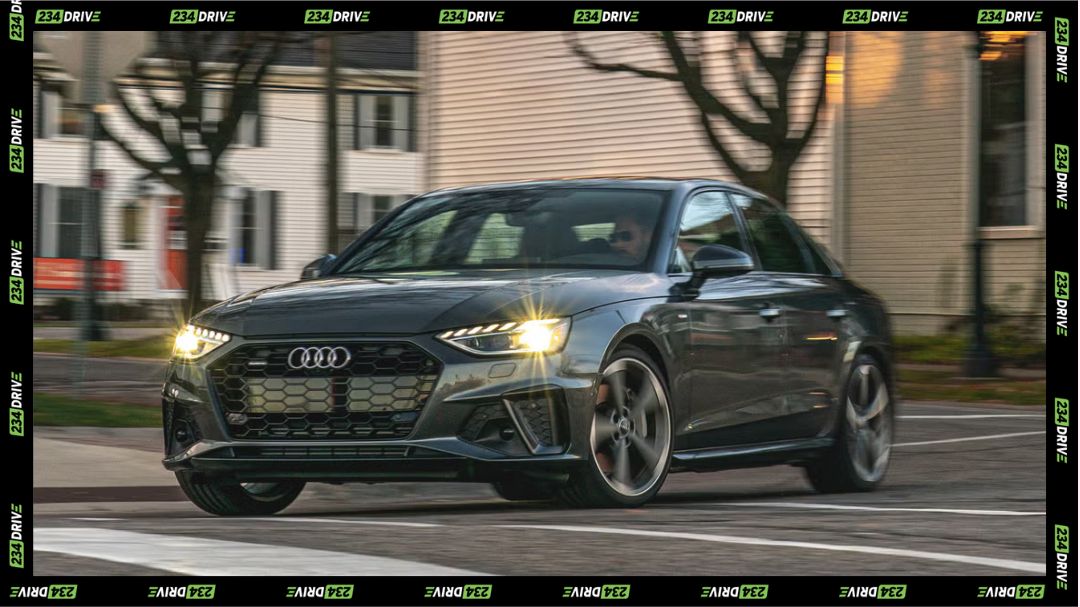
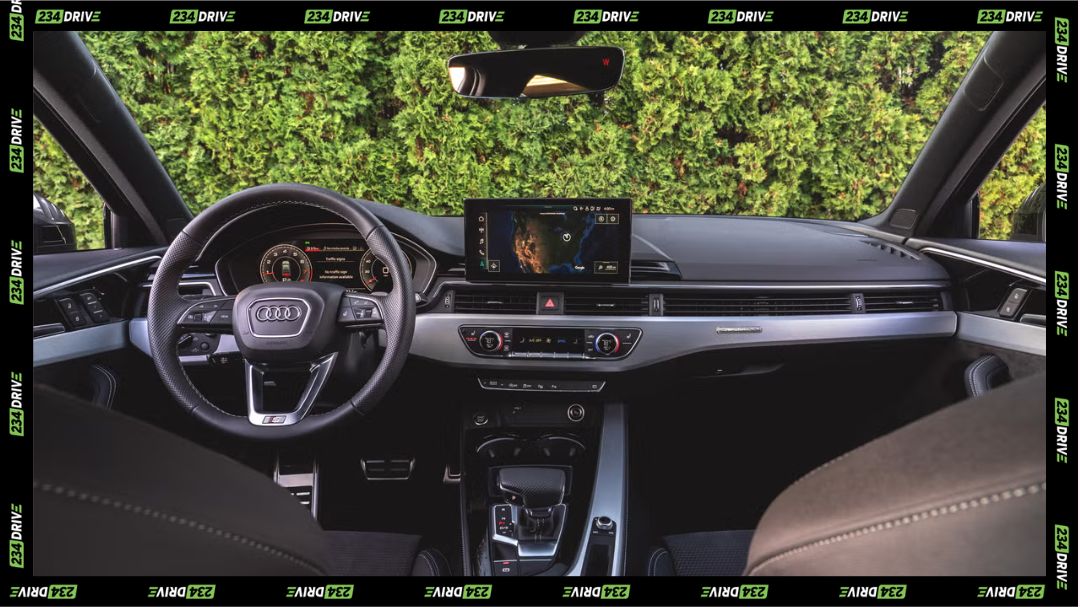
Despite being an entry-level luxury sedan, the A4 does not skimp on features. The interior is driver-focused, often equipped with tri-zone climate control and a high-resolution display. Under the bonnet, the 2.0-litre turbo engine provides a spirited drive, balancing fuel efficiency (12-15 km/L) with enough power for highway overtaking. However, prospective owners frequent Nairaland A4 reliability threads to discuss the importance of timely maintenance for the Multitronic CVT or dual-clutch transmissions. You can pick up a decent used example for between ₦6 million and ₦16 million.
Audi Q7
If the Q5 is the sensible choice, the Q7 is the statement piece. This full-size SUV is a behemoth, offering immense road presence that borders on intimidation. The massive grille, elongated wheelbase, and optional 20-inch wheels make it a favourite for large families and executives who require maximum space and safety. It navigates the pothole-riddled streets of Nigerian suburbs with an air of invincibility, often serving as the primary vehicle for long interstate journeys.
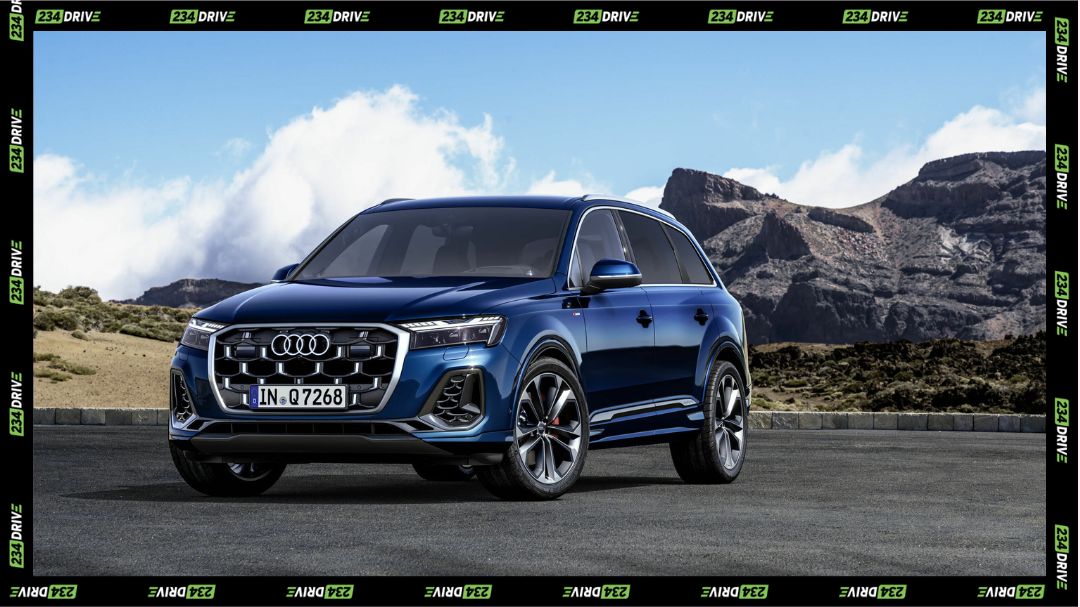
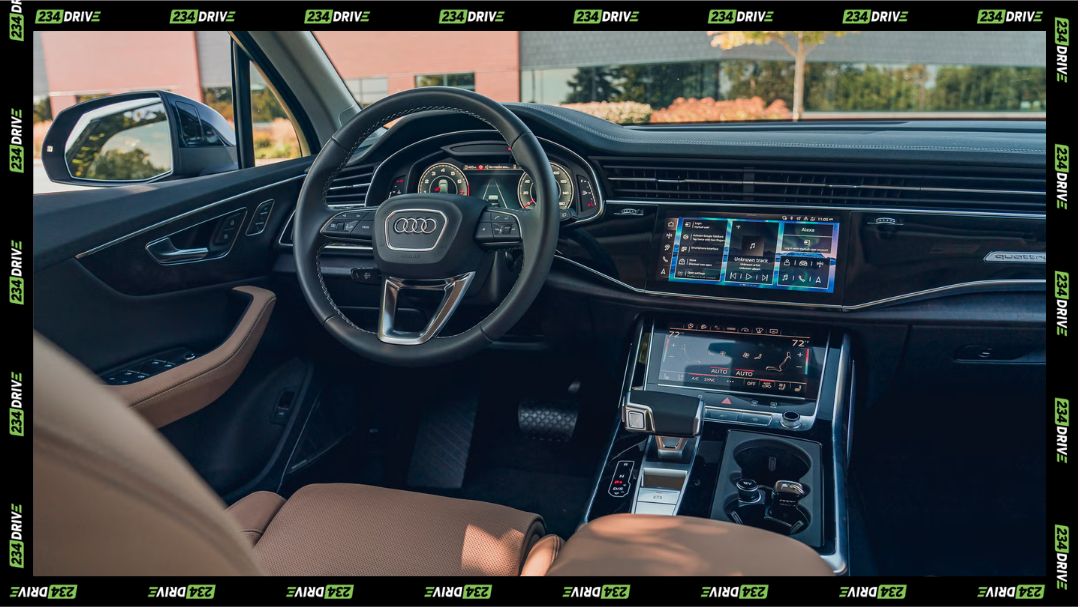
The cabin of the Q7 is cavernous, typically offering a seven-seat configuration that is highly sought after by larger Nigerian families. It is packed with advanced tech, including the Virtual Cockpit in newer models and a premium sound system. Power is usually provided by a 3.0-litre V6 or even a V8, delivering effortless acceleration despite the vehicle’s weight. While it is thirsty—expect 8-10 km/L—the trade-off is supreme comfort. Prices reflect its status, ranging from ₦21 million to ₦53 million for well-maintained “Tokunbo” units.
Audi A6
The Audi A6 targets the executive who prefers a sedan but finds the A4 too small and the A8 too chauffeur-driven. Its design is understated yet authoritative, with a wider stance and more intricate detailing than its smaller sibling. On the road, it glides with a quiet confidence. It is a common sight in the government districts of Abuja, where its blend of anonymity and luxury is highly prized by civil servants and business tycoons alike.
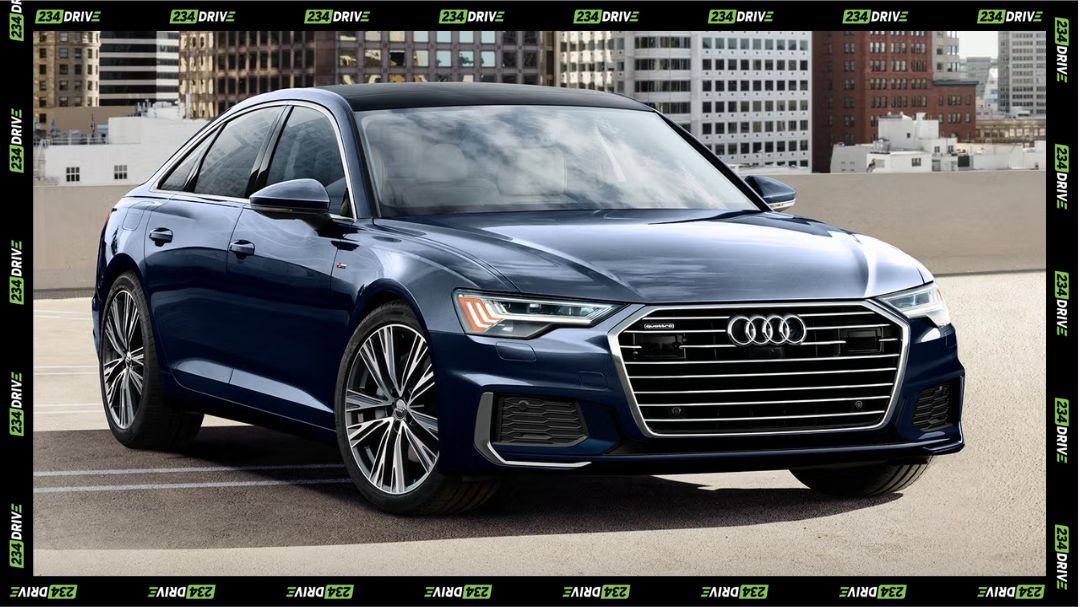
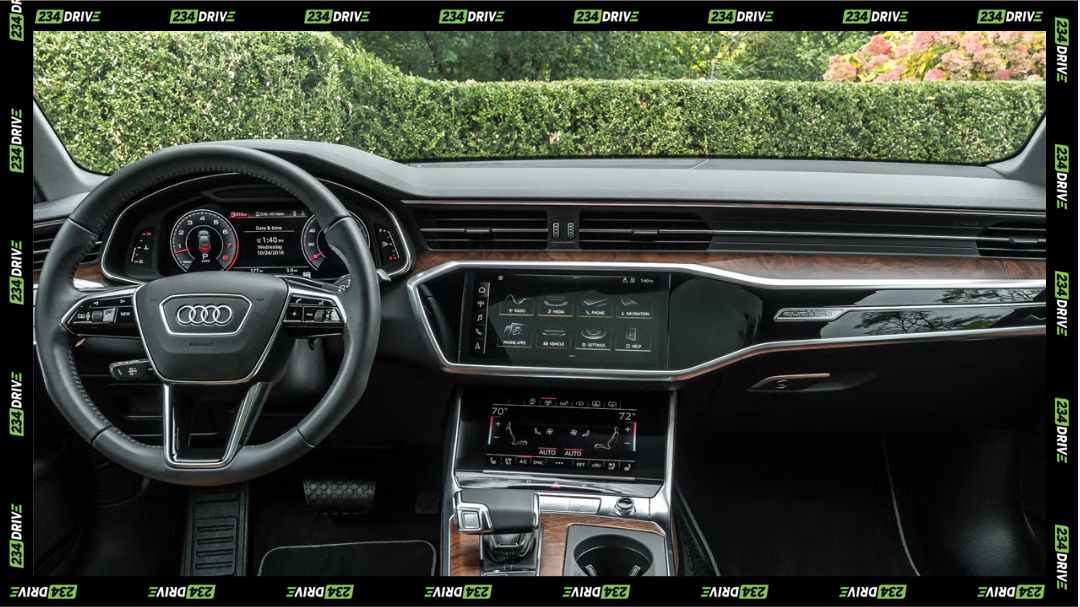
Occupants in the A6 are treated to business-class levels of legroom and refinement. The noise insulation is exceptional, blocking out the cacophony of Nigerian street life. The 3.0-litre supercharged V6 found in many models offers a surge of power that makes highway cruising effortless. The technology suite, including MMI navigation and touchpad inputs, remains impressive even in older models. With prices hovering between ₦15 million and ₦25 million, it competes aggressively with the Mercedes E-Class.
Audi A7
The Audi A7 is the rebel of the lineup, a “Sportback” that prioritises style over pure practicality. Its sloping roofline and active rear spoiler give it a silhouette that is arguably one of the most beautiful on the road. It attracts a different kind of buyer in Nigeria—often younger, wealthier, and keen to stand out from the sea of boxy SUVs. It turns heads wherever it goes, from the clubs of Lekki to high-end events.
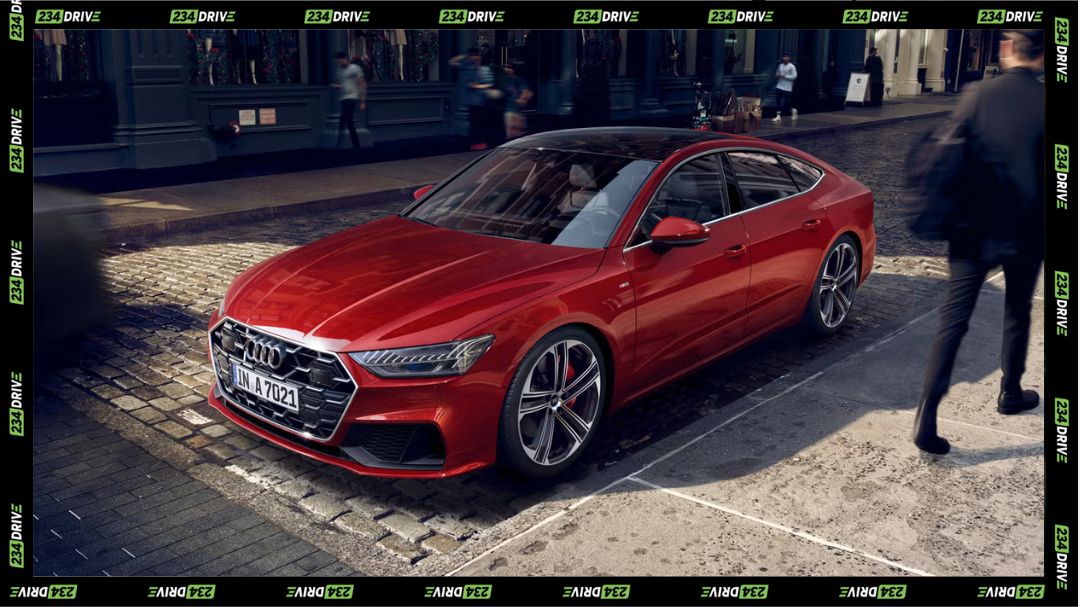
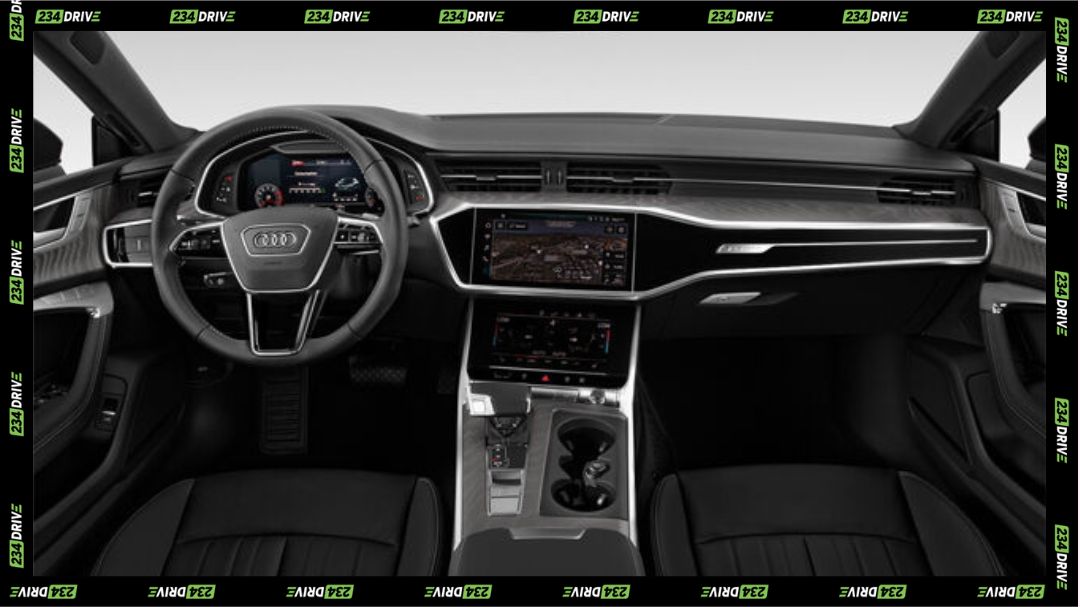
While it shares much of its mechanical DNA with the A6, the A7 feels more bespoke inside. The frameless windows and driver-centric cockpit enhance the sporting feel. It typically comes with the higher-output V6 engines and Quattro AWD as standard, ensuring that its performance matches its looks. However, the unique body panels can make accident repairs costly. It occupies a similar price bracket to the A6, generally costing ₦15 million to ₦25 million.
Relevance to the Nigerian Driving Environment
The relevance of Audi in Nigeria is inextricably linked to the country’s challenging driving conditions. The Quattro all-wheel-drive system is not just a marketing gimmick here; it is a genuine safety feature. During the rainy season, when roads in Lagos and Port Harcourt become slick with oil and water, the superior traction of an Audi offers a level of security that rear-wheel-drive competitors struggle to match. Furthermore, the robust suspension tuning on SUV models like the Q5 and Q7 absorbs the punishment of uneven surfaces, although the lower-profile tyres on sporty S-line trims are susceptible to damage from sharp potholes.
However, owning an Audi in Nigeria requires a commitment to specific maintenance rituals. The Nigerian auto industry overview suggests a market heavily reliant on independent mechanics, and finding one who specialises in VW/Audi diagnostics is crucial. Unlike a Toyota, which can run on neglect, an Audi demands high-quality synthetic oil and premium fuel. The local fuel quality can sometimes trigger sensor warnings, leading many owners to use octane boosters. Prospective buyers should check the clearing costs update to understand how import tariffs impact the final price of these sophisticated machines.
Market Comparison and Competitor Analysis
When stacked against its German rivals, Audi offers a compelling “middle ground.” Mercedes-Benz holds the crown for ultimate status and resale value in Nigeria, but its entry-level models often lack the standard tech found in an equivalent Audi. BMW offers superior driving dynamics, but its reputation for fragile cooling systems and suspension components on rough Nigerian roads makes it a riskier proposition for many. Audi sits in the sweet spot, offering better interior materials than BMW and more understated “cool” than Mercedes, often at a slightly more accessible price point on the used market.
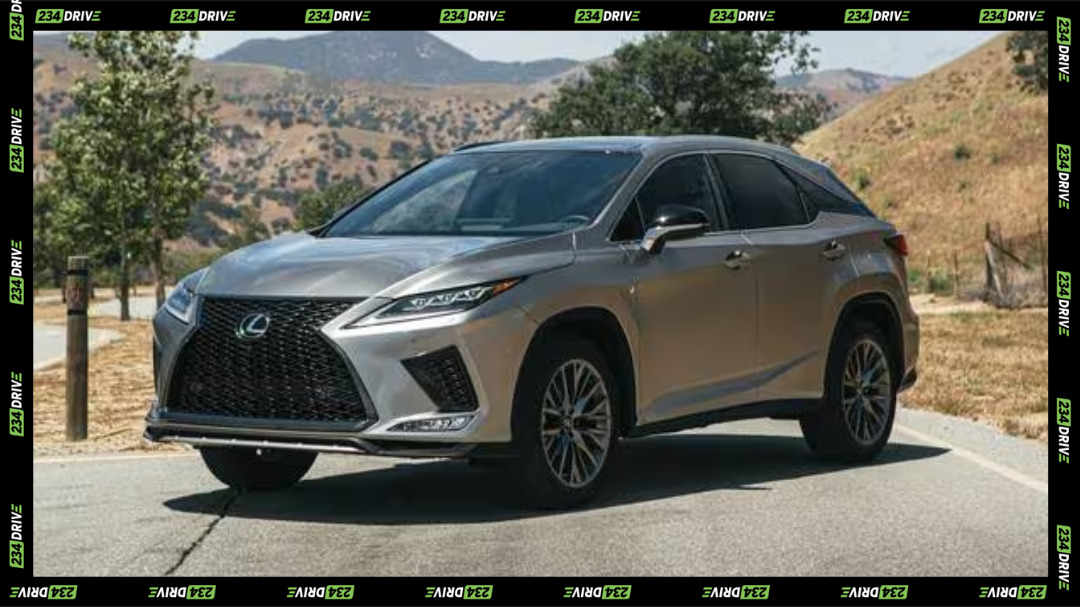
Compared to the Japanese giants like Lexus, the contrast is starker. A Lexus RX 350 will undoubtedly retain its value better and tolerate skipped services, but it lacks the solid, planted “Autobahn” feel of an Audi Q5. For the buyer looking at Autochek Audi listings, the trade-off is clear: you pay a premium in maintenance and depreciation for a superior driving experience and higher-grade technology. With 2026 model previews suggesting high prices for new hybrids, the value proposition of used Audis remains strong against the inflated costs of new Japanese competitors.
Conclusion
Audi’s lineup in Nigeria represents a sophisticated choice for those willing to look beyond the default options. The Q5, A4, Q7, A6, and A7 each offer a distinct flavour of German engineering, united by the common threads of Quattro performance and interior excellence. While they demand a higher standard of care than their Japanese counterparts, the reward is a driving experience that is engaging, secure, and undeniably premium.
If you are considering joining the ranks of Audi owners, or if you are already navigating Nigerian roads in one of these machines, the community is growing. We encourage you to check Jiji Audi cars or join a Nairaland Audi discussion to connect with fellow enthusiasts. What has been your experience with German engineering in Nigeria? Is the drive worth the maintenance? Share your thoughts below.