
For decades, the global automotive market has been increasingly seduced by the promise of the SUV. From the snowy avenues of Montreal to the rain-slicked motorways of Manchester, drivers have flocked to high-riding crossovers in search of safety and traction. However, a renaissance is quietly underway. Discerning enthusiasts and pragmatic commuters alike are rediscovering the All-Wheel Drive (AWD) saloon, a vehicle class that marries the sure-footed capability of a 4×4 with the aerodynamic efficiency, superior handling, and refined aesthetics of a traditional passenger car. The modern AWD sedan proves that you do not need to command a tank to conquer the elements; you simply need superior engineering.
This review curates the definitive “Top 5” AWD sedans available in the global market for 2026. These vehicles represent the pinnacle of their respective categories: value, efficiency, sport, luxury, and electrification. They are chosen not just for their ability to turn all four wheels, but for how they integrate this technology to enhance the driving experience. Whether navigating a Scandinavian winter, a tropical monsoon, or simply a spirited drive on a dry mountain pass, these five machines offer a compelling argument against the ubiquity of the SUV.
Subaru Impreza
The Subaru Impreza is arguably the most honest car on the road today. Its exterior design avoids the aggressive posturing common in modern automotive styling, opting instead for a functional, grounded aesthetic. The 2026 model features a refined hexagonal grille and sharper LED headlights, but the silhouette remains unmistakably practical. It sits with a purposeful stance, communicating durability rather than vanity. For drivers in regions with harsh winters or unpaved rural roads, the Impreza’s unpretentious bodywork promises resilience, with plastic cladding often available in trims like the RS to ward off stone chips and road salt.
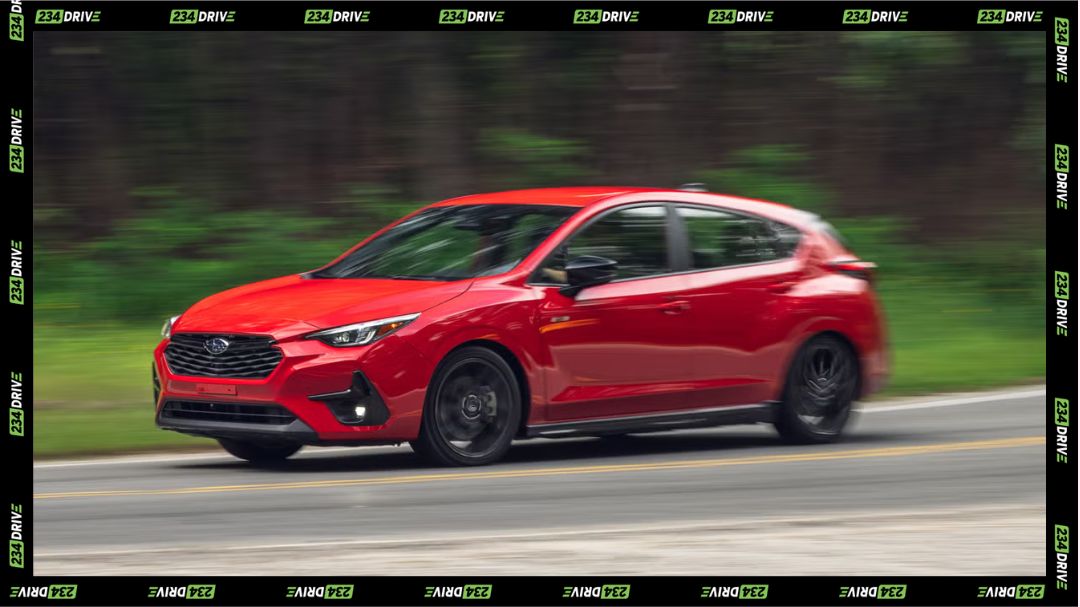
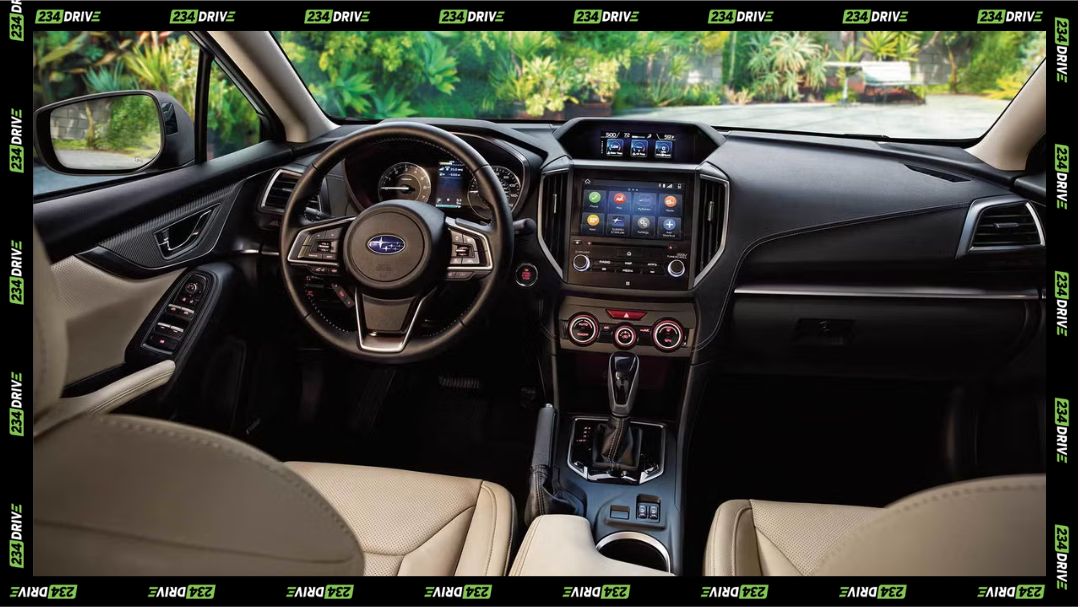
Inside, the cabin is a lesson in ergonomic straightforwardness. Subaru resists the trend of burying essential controls in touchscreens; tactile buttons for climate and audio remain, which is a significant safety boon when driving in adverse weather. Under the bonnet lies the brand’s signature 2.0-litre Boxer engine, producing around 152 hp, or an upgraded 2.5-litre unit in higher trims. While not a powerhouse, the engine’s low centre of gravity pairs perfectly with the legendary “Symmetrical All-Wheel Drive” system. This permanent AWD setup provides constant power to all wheels, offering superior grip to reactive systems found in rivals. With a starting price of approximately $24,360, it remains the world’s most accessible gateway to genuine all-weather capability.
Toyota Camry Hybrid
The Toyota Camry Hybrid has successfully shed its reputation as solely a private hire vehicle to become a genuinely desirable saloon. The latest generation adopts the “hammerhead” front fascia, giving it a shark-like nose and a sleek, aerodynamic profile that rivals premium German executives. The bodywork is chiselled and athletic, with a low roofline that emphasises efficiency. It commands a surprising amount of road presence, looking substantial enough to hold its own on high-speed Autobahns yet sleek enough to slip through congested city centres in Tokyo or New York.
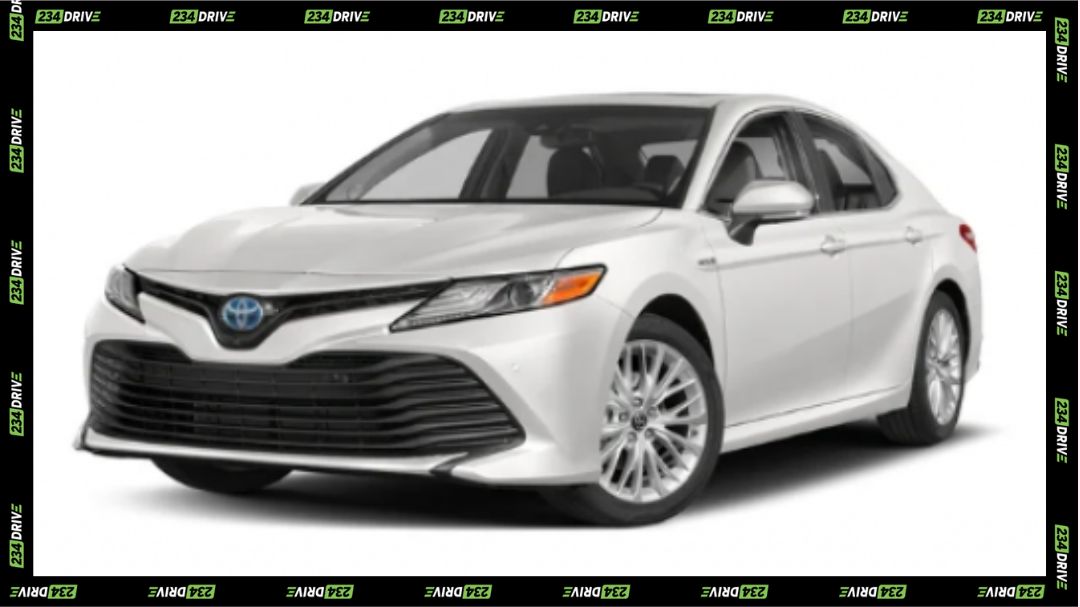
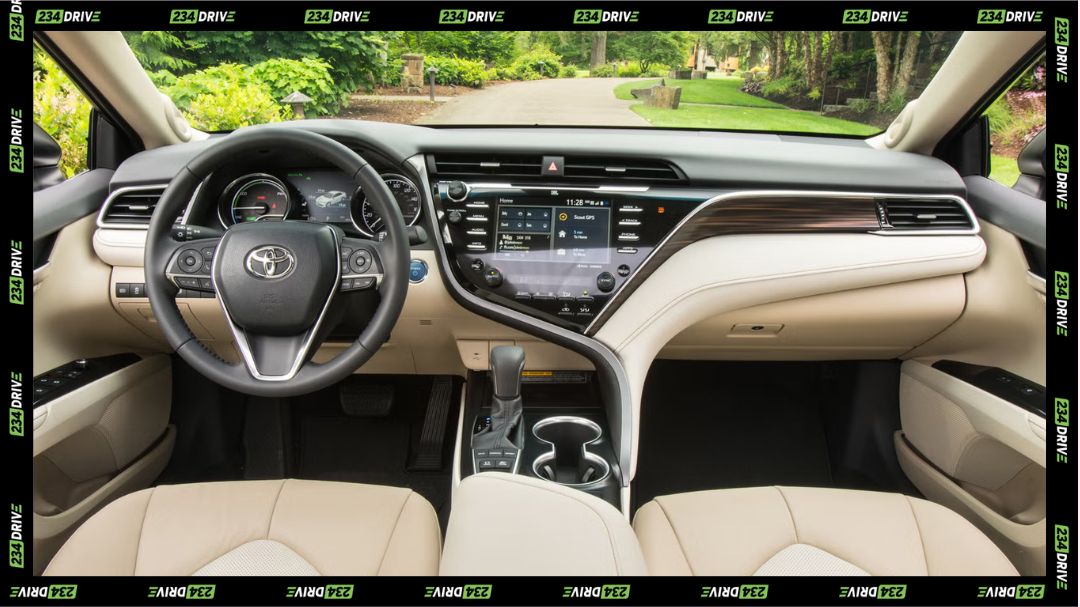
The interior experience focuses on quiet competence and comfort. High-quality soft-touch materials line the cabin, and the acoustic glass ensures a serene environment even at highway speeds. Powering this global best-seller is the fifth-generation Toyota Hybrid System, pairing a 2.5-litre engine with electric motors. In the AWD configuration, a dedicated rear electric motor provides instant torque to the back wheels when slip is detected, a system Toyota calls “Electronic On-Demand AWD.” This delivers a combined output of 232 hp and achieves remarkable fuel economy figures of 44–50 mpg. Priced around $30,525, it offers an unbeatable intersection of reliability, economy, and traction.
BMW 3-Series xDrive
The BMW 3-Series remains the yardstick by which all other sports sedans are measured. The exterior of the 2026 model strikes a delicate balance between aggression and elegance. The signature kidney grille is present but proportioned, flanked by slim, focused headlight clusters. The classic “Hofmeister kink” at the C-pillar and the short front overhangs signal its rear-wheel-drive architecture, even when equipped with the xDrive AWD system. It looks fast even when parked, with a taut, muscular surfacing that appeals to the driving enthusiast who demands their practical family car doubles as a weekend toy.
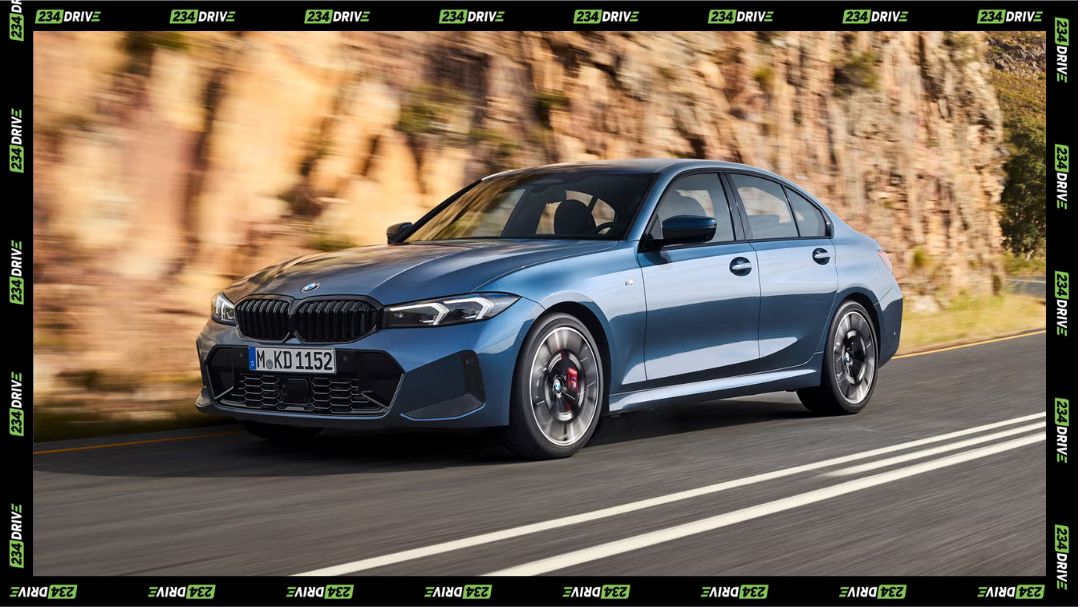
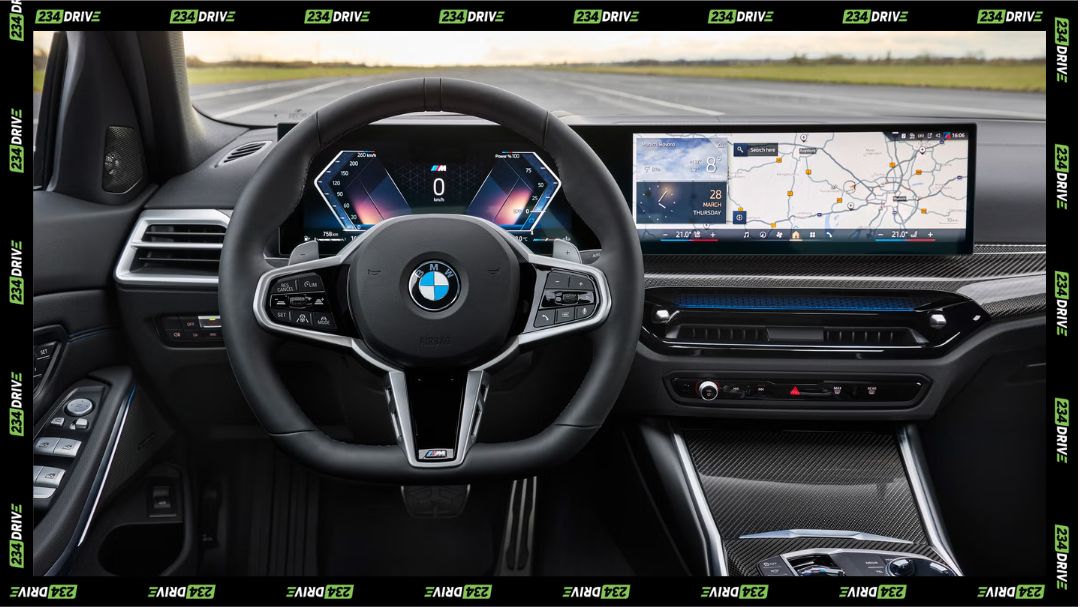
The cabin is a driver-focused cockpit dominated by the vast Curved Display, which merges the instrument cluster and infotainment into a single sweeping unit. Yet, the technology never overshadows the driving dynamics. The xDrive system is rear-biased, preserving the agile feeling of a rear-drive car while intervening imperceptibly to pull the car out of corners or claw for grip on icy surfaces. The 330i xDrive features a 2.0-litre turbocharged four-cylinder engine delivering 255 hp, capable of a 0-60 mph sprint in roughly 5.4 seconds. For those seeking more thrill, the M340i offers a potent inline-six. Starting at approximately $49,500 for the 330i xDrive, it is the choice for those who refuse to sacrifice engagement for safety.
Mercedes-Benz E-Class 4MATIC
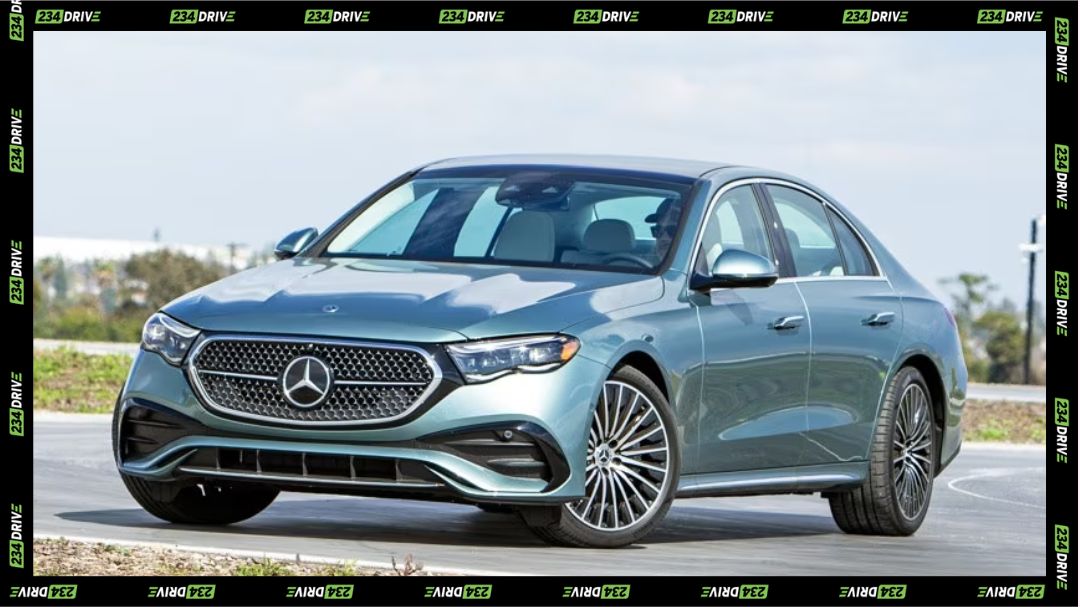
The Mercedes-Benz E-Class is the definitive executive express. Its exterior styling is characterised by “Sensual Purity,” featuring smooth, flowing lines and a “cab-backward” profile that lengthens the bonnet for a stately appearance. The front grille, often adorned with a star pattern in AMG-Line trims, is illuminated, giving the car an unmistakable night-time signature. It is a vehicle that commands respect in every global capital, projecting an image of success and stability that few SUVs can match. The build quality is palpable, with shut lines and paint finishes that set the industry standard.
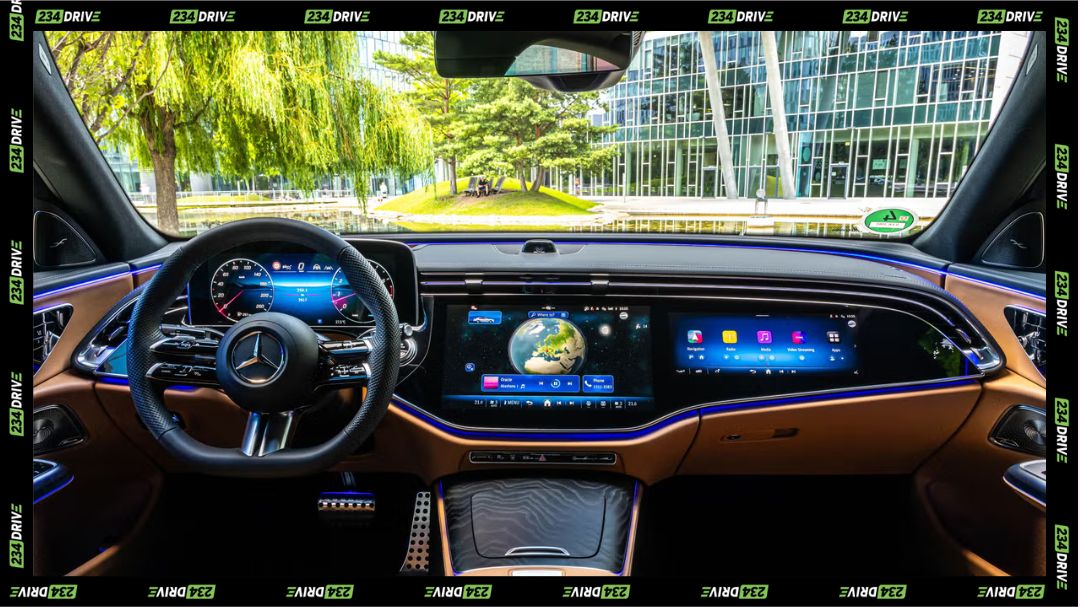
Inside, the E-Class offers the “Superscreen,” a dashboard-spanning glass surface that integrates three displays, transforming the car into a mobile office or cinema. The ride is akin to a magic carpet, thanks to available air suspension that works in concert with the 4MATIC all-wheel-drive system. This intelligent drivetrain constantly monitors wheel slip, shifting torque between axles to ensure neutral handling and unflappable stability, regardless of rain or snow. Performance from the mild-hybrid engines is effortless, prioritising smooth progress over raw aggression. With a starting price of $68,450, the E-Class 4MATIC is an investment in unparalleled comfort and prestige.
Tesla Model 3 Long Range AWD
The Tesla Model 3 has redefined what a mass-market sedan can be. Its design is governed by the laws of aerodynamics, featuring a grille-less front end and a teardrop silhouette that achieves a drag coefficient of just 0.219. This minimalist exterior is not just for style; it is essential for range maximisation. The 2026 “Highland” update has sharpened the lights and refined the bodywork, removing the last vestiges of awkwardness from the original design. It is a ubiquitous sight in tech hubs globally, signalling a driver who prioritises innovation and sustainability.
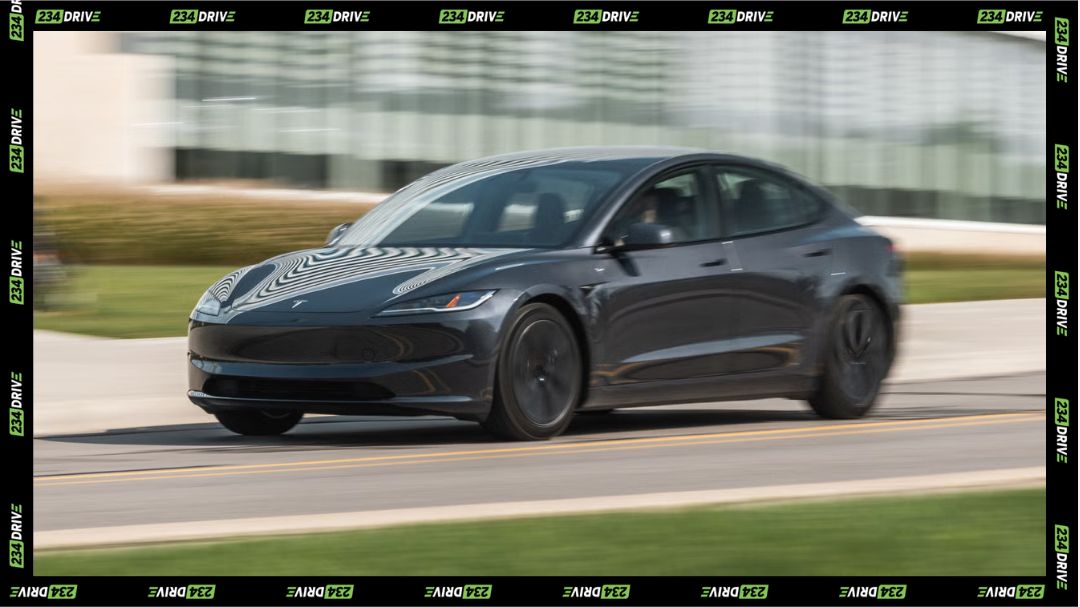
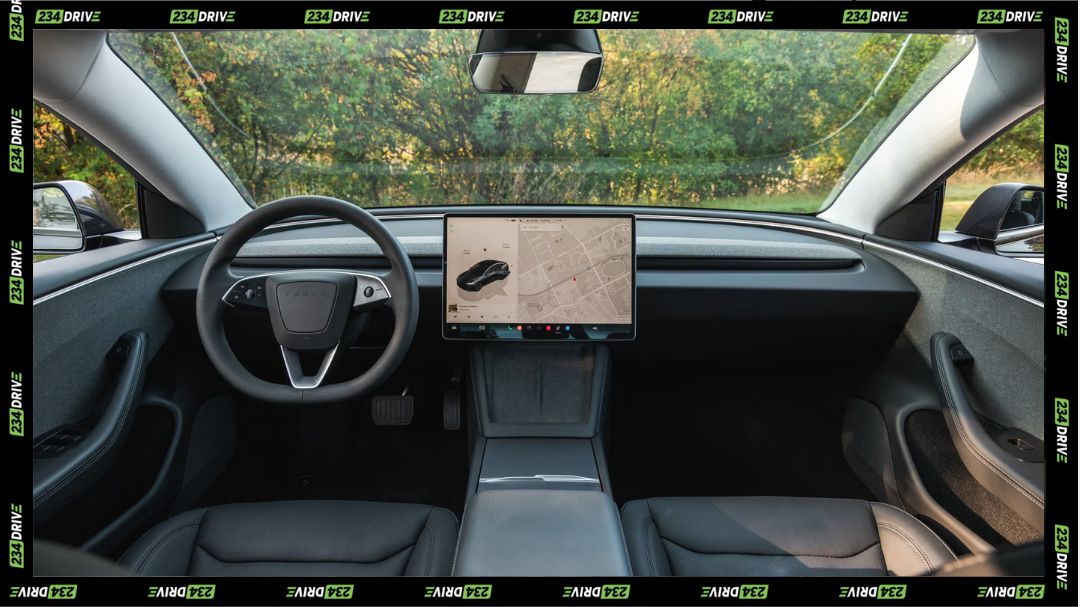
The interior is famously sparse, removing almost all physical buttons, including stalks for indicators and wipers, relocating them to the steering wheel. A central 15.4-inch screen controls nearly every function of the car. Performance is blistering; the Dual Motor Long Range AWD variant utilises two independent motors to digitally control torque to the front and rear wheels with millisecond precision. This results in far better traction control than mechanical linkages can achieve. It sprints from 0-60 mph in just 4.2 seconds while offering a range of over 340 miles. Priced at roughly $47,490 for the AWD Long Range trim, it offers supercar acceleration with family car practicality.
Relevance to Global Driving Environments
The relevance of the AWD sedan varies significantly depending on the region, yet its core benefits are universal. In the Northern Hemisphere—particularly across Canada, Northern Europe, and parts of the US—the primary argument for these vehicles is winter safety. The lower centre of gravity of a sedan like the BMW 3-Series or Tesla Model 3 inherently makes them more stable in a slide than a top-heavy SUV. When equipped with winter tyres, an AWD sedan often outperforms a crossover on all-season rubber, offering precise control on ice and packed snow.
In tropical or temperate regions where snow is rare, such as Southeast Asia or the UK, AWD provides critical safety during heavy rainfall. The “hydroplaning” resistance and the ability to deploy power without wheelspin at wet junctions are invaluable assets. Furthermore, for the global driver facing high fuel prices, the sedan bodystyle is far more aerodynamic than an SUV. This physics advantage translates to better fuel economy (or EV range) and quieter highway cruising, making the sedan the superior choice for high-mileage drivers who traverse varied climates.
Comparative Analysis: Value and Viability
When comparing these five titans, the Subaru Impreza stands alone as the value champion. It offers the same fundamental tractive security as the others for half the price of the German options. Its maintenance is straightforward, though its CVT gearbox and Boxer engine can be thirstier than its rivals. It is the pragmatic choice for the buyer who views a car as a tool.
The Toyota Camry Hybrid and Tesla Model 3 fight for the title of “Smartest Financial Move.” The Camry wins on durability and total range (no charging anxiety), making it ideal for regions with poor charging infrastructure. However, the Tesla offers lower “fuel” costs in areas with cheap electricity and minimal scheduled maintenance (no oil changes, fewer brake pad replacements due to regeneration). The Tesla’s tech is superior, but the Camry’s build quality and physical controls will appeal to traditionalists.
At the premium end, the BMW 3-Series and Mercedes-Benz E-Class offer different flavours of luxury. The BMW is sharper, lighter on its feet, and generally cheaper to buy than the E-Class. It retains strong resale value due to its reputation as a driver’s car. The Mercedes, however, is the superior long-distance cruiser. Its complexity is higher, leading to potentially steeper maintenance costs out of warranty, but its badge carries a level of global prestige that is unmatched.
Conclusion
This collection of the world’s top five AWD sedans—the Subaru Impreza, Toyota Camry Hybrid, BMW 3-Series, Mercedes-Benz E-Class, and Tesla Model 3—proves that the sedan is far from dead. It has evolved. Whether you require the rugged accessibility of the Subaru, the unparalleled efficiency of the Toyota, the sporting precision of the BMW, the stately luxury of the Mercedes, or the digital performance of the Tesla, there is an AWD sedan to suit every lifestyle.
These vehicles offer a driving experience that is connected, efficient, and safe, challenging the default assumption that an SUV is the only answer to a life lived on the road.
Do you believe the AWD sedan is a better choice than an SUV for your daily drive? Which of these five would you choose to master your local roads? Share your thoughts in the comments below.