
The Volvo XC60 has firmly established itself as a benchmark in the mid-sized luxury SUV segment in Kenya, effortlessly blending Scandinavian design, advanced safety, and versatile performance. It appeals to a broad spectrum of buyers, ranging from urban professionals in Nairobi to growing families seeking security and comfort on long-distance journeys. Globally introduced in 2008, the XC60 quickly ascended to become Volvo’s best-selling model of all time, surpassing 2.7 million units sold by mid-2025. This success is rooted in its reputation for durability, innovative technology, and a driving experience that prioritises human-centric design.
In the Kenyan market, where the used car sector dominates due to import affordability, the XC60 holds a unique position. It competes fiercely with German rivals like the BMW X3 and Mercedes-Benz GLC, yet often distinguishes itself through superior safety ratings and a more understated, sophisticated aesthetic. While the first generation laid a solid foundation with reliable engines, the second generation—introduced globally in late 2017 and prominent in Kenya as the 2018 model year—elevated the nameplate with the sleek SPA platform and enhanced infotainment. As of early 2026, the XC60 remains a top contender for those seeking premium mobility, with prices and features that cater to both the pragmatic and the indulgent buyer.
The 2018 Volvo XC60 (Second Generation)
Exterior Design and Road Presence
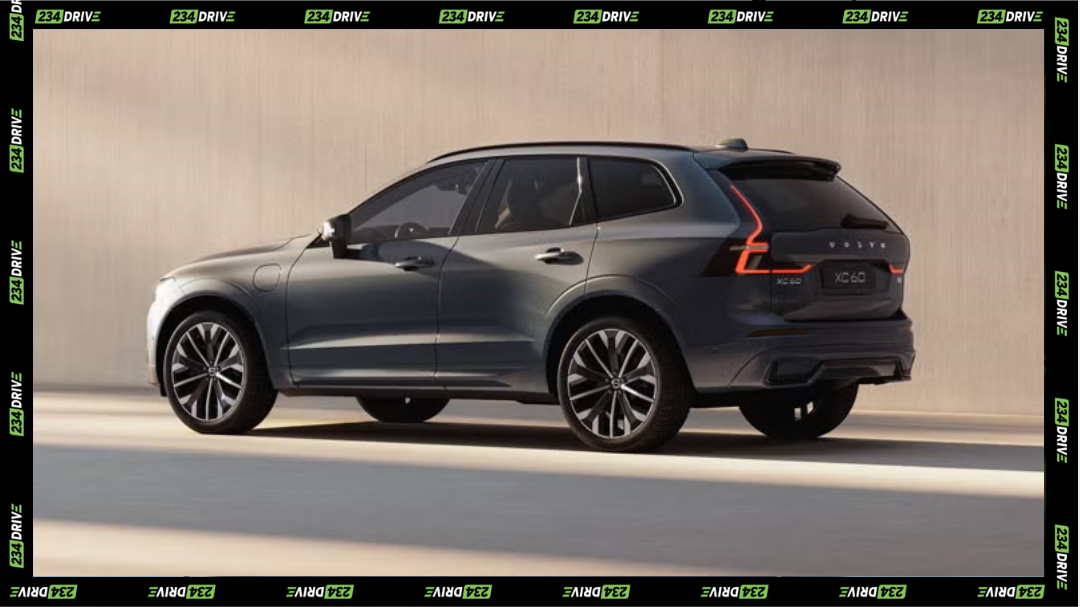
The 2018 Volvo XC60 marks a significant departure from its predecessor, adopting a more athletic and sculpted appearance that commands attention on Kenyan roads. The front fascia is dominated by the signature “Thor’s Hammer” LED daytime running lights, which extend towards the grille, giving the vehicle a wide and planted stance. The side profile is characterised by a sweeping window line and muscular wheel arches that often house alloy wheels ranging from 18 to 21 inches, depending on the trim. This model year strikes a balance between elegance and aggression, particularly in the R-Design trims which feature gloss black accents and sharper bumper contours.
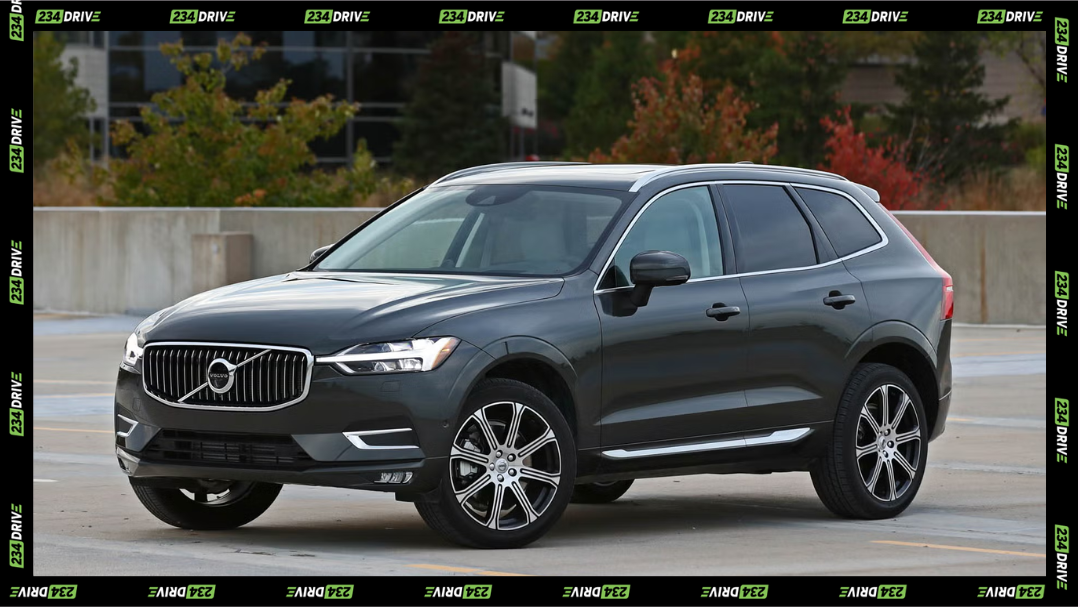
Despite its refined look, the XC60 retains a robustness suitable for local conditions. The ground clearance is sufficient for navigating the occasional rough patch or speed bump found in urban estates, while the rear features distinctive L-shaped LED taillights that make the car instantly recognisable at night. The paint quality and panel gaps reflect Volvo’s push upmarket, ensuring that even used units imported from Japan or the UK maintain a showroom-quality lustre. For buyers in Kenya, the presence of a panoramic sunroof—a common feature in high-spec imports—adds a layer of sophistication, flooding the cabin with light and enhancing the sense of space.
Interior Comfort, Technology, and Performance
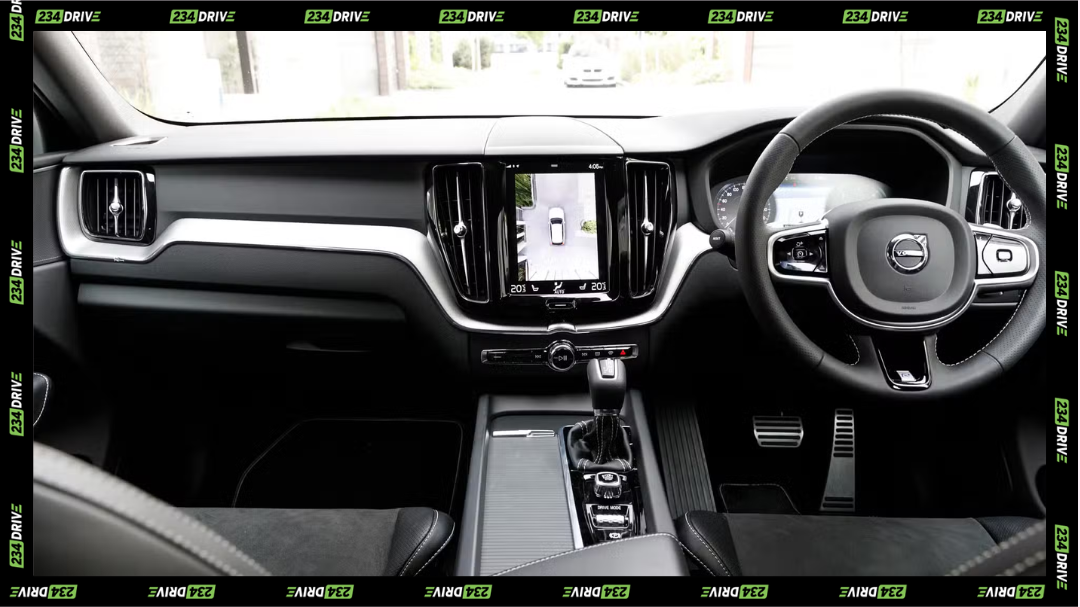
Stepping inside the 2018 XC60 reveals a sanctuary of minimalism and high-quality materials, a stark contrast to the button-heavy interiors of older competitors. The cabin is anchored by a vertically oriented Sensus touchscreen infotainment system that controls navigation, media, and climate settings. Soft-touch leather, open-pore driftwood inlays, and knurled metal controls create an atmosphere of modern luxury. Listings in Kenya frequently highlight features such as the Bowers & Wilkins premium sound system and fully digital driver displays, which were ahead of their time upon release. The seats, often cited as the most comfortable in the industry, offer extensive adjustability, crucial for the long drives between Nairobi and Mombasa.
Under the bonnet, the 2018 models available in Kenya typically feature 2.0-litre four-cylinder engines, differentiated by their induction methods and fuel type. The petrol T5 engine delivers a robust 250 horsepower, offering a spirited drive with a 0-100 km/h time of just under 7 seconds. Conversely, the diesel D4 variants are prized for their torque (400Nm) and fuel efficiency, achieving between 14-16 km/l compared to the petrol’s 12-14 km/l. Prices for these used 2018 models currently range from KSh 4.25 million to KSh 5.5 million, depending on the trim level—Momentum, Inscription, or R-Design—and mileage, making them a “sweet spot” for buyers seeking modern tech without the depreciation hit of a brand-new vehicle.
The First Generation (2015-2017 Facelift)
Exterior Design and Road Presence
For buyers working with a tighter budget, the late-model first-generation XC60s (2015-2017) offer a dignified, albeit less angular, alternative. These models feature a softer, more rounded aesthetic compared to the sharp lines of the newer generation. The front grille is wider, and the headlights sweep back aggressively into the fenders. While it lacks the “Thor’s Hammer” signature of the newer models, the facelifted versions from 2015 onwards include updated LED daytime running lights located in the lower bumper, modernising the look.
On the road, the first-generation XC60 still projects an image of safety and solidity. It sits slightly higher visually, which many Kenyan drivers appreciate for visibility in heavy traffic. The rear design is unmistakably Volvo, with the vertical taillights that trace the hips of the car. Although the design is older, well-maintained units with metallic paint and original alloy wheels still look premium parked alongside newer Japanese SUVs. It carries the classic crossover silhouette that defined the segment for nearly a decade, prioritising function and interior volume over sporty sloping rooflines.
Interior Comfort, Technology, and Performance
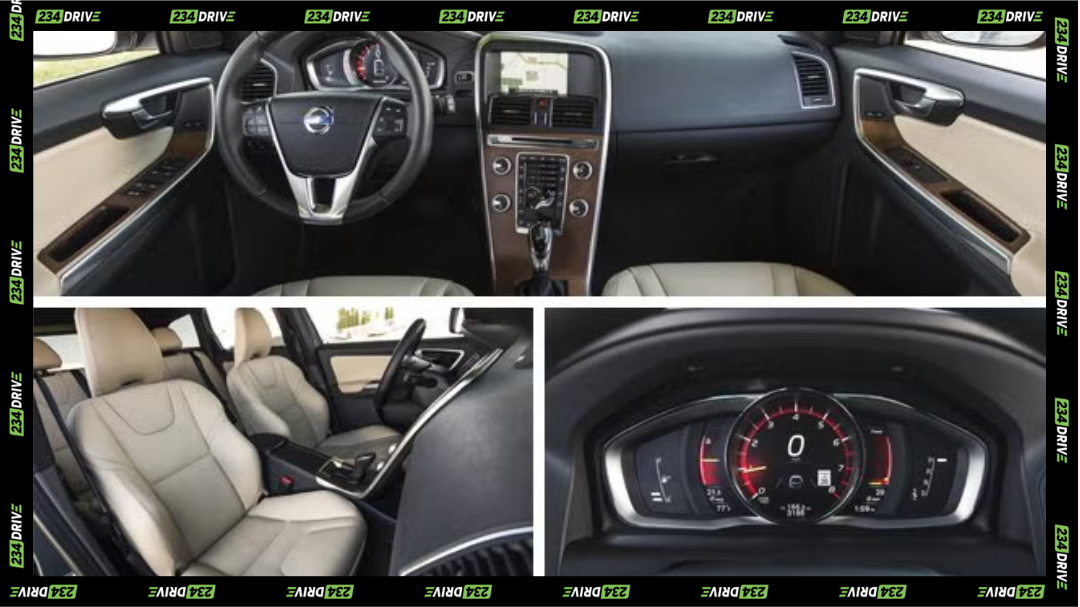
The interior of the 2015-2017 XC60 is focused on ergonomics and durability. The “floating” centre console is a design hallmark of this era, creating a unique storage space behind the controls. While the infotainment screen is smaller and non-touch in some earlier iterations, the system is robust and intuitive once mastered. The leather seats are plush and durable, often holding up well in the used market. Tech features like City Safety (autonomous emergency braking) were standard, which remains a key selling point for safety-conscious families.
Performance-wise, these models often come with the Drive-E 2.0-litre engines, which replaced the older 5-cylinder units. The T5 Drive-E petrol engine is punchy and reliable, while the D4 diesel offers exceptional highway cruising range. The driving dynamics are geared more towards comfort than sportiness, with a suspension setup that absorbs Nairobi’s potholes competently, though with more body roll than the 2018 successor. In the current market, these units are priced between KSh 2.9 million and KSh 5.1 million, offering an accessible entry point into European luxury ownership with proven mechanical reliability.
Suitability for the Kenyan Environment
Owning a Volvo XC60 in Kenya requires a pragmatic assessment of the local driving environment and lifestyle needs. The vehicle’s construction is well-suited to the region’s diverse road conditions. The all-wheel-drive (AWD) systems found in most T5 and D4 imports provide essential traction during the rainy seasons, preventing slippage on mud-slicked backroads or during heavy downpours on the highway. Furthermore, safety features such as City Safety and blind-spot monitoring are invaluable in the chaotic traffic of urban centres, where boda-bodas and matatus often operate unpredictably. The suspension, particularly in the non-sport trims, is compliant enough to handle rough surfacing without transferring harsh impacts to the cabin.
However, prestige and ownership experience are double-edged swords. While the XC60 commands respect and projects an image of sophisticated success, maintenance requires a dedicated approach. Unlike Japanese counterparts like the Toyota Harrier, the XC60 demands strict adherence to service intervals using genuine parts. Owners are advised to utilise authorised dealers like VolvoShop or reputable specialists in Nairobi to avoid the pitfalls of trial-and-error mechanics. While fuel efficiency in the diesel variants is excellent for the economy, the sensitivity of modern diesel engines to fuel quality means owners must be selective about where they fill up. Ultimately, the XC60 fits the lifestyle of a detail-oriented owner who values safety and performance and is willing to invest in proper upkeep.
Market Comparison and Competitors
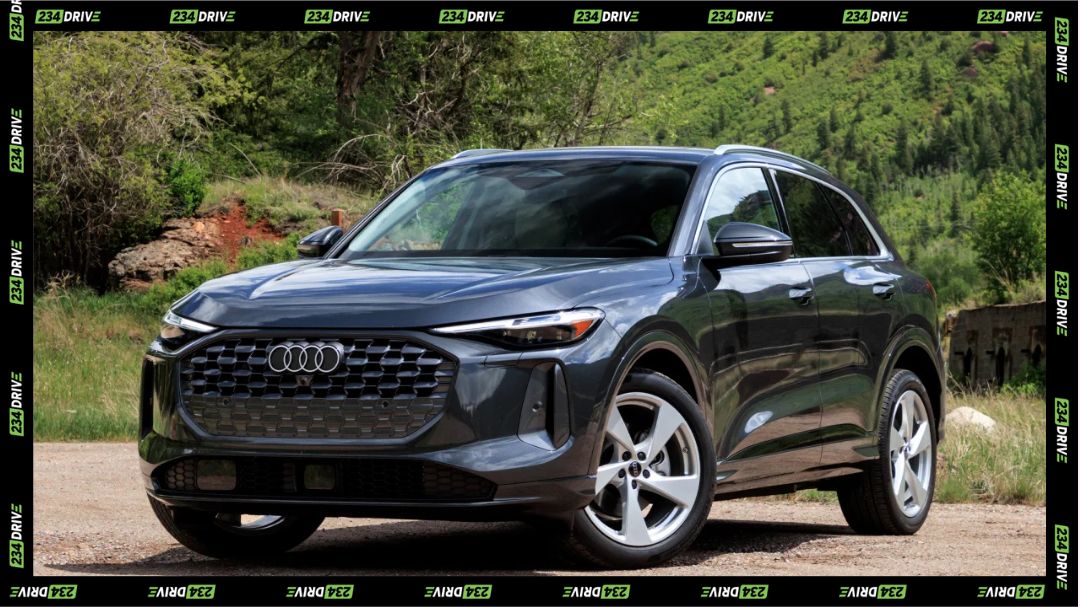
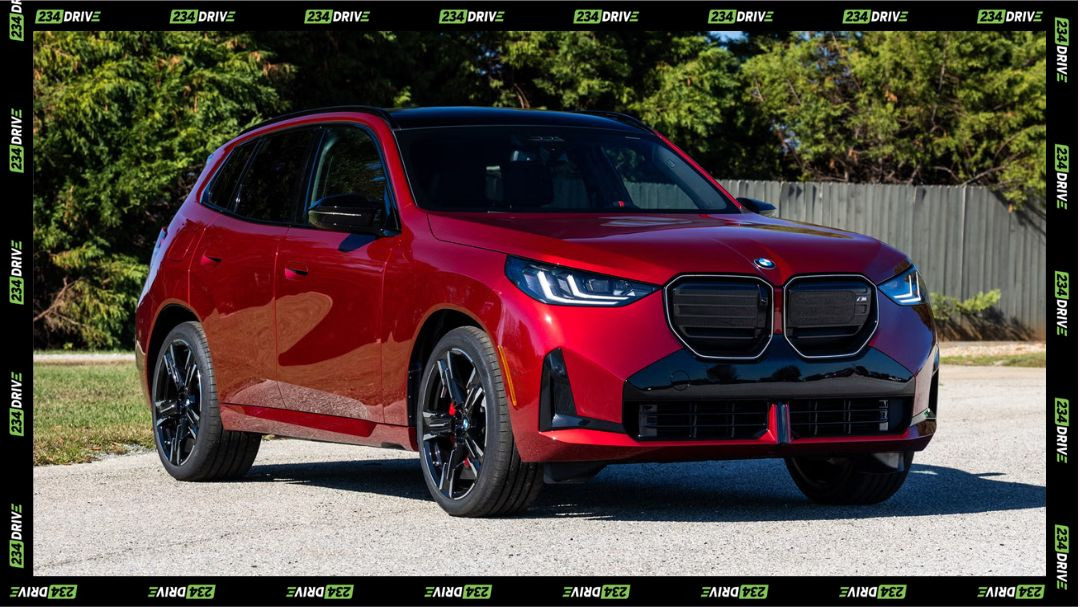
When placed against its primary segment rivals, the Volvo XC60 offers a compelling value proposition, particularly in the used market. German competitors like the BMW X3 and Audi Q5 often command higher initial purchase prices for similar model years and mileage. For instance, a 2018 BMW X3 with M-Sport trim can easily exceed KSh 5.5 million, whereas a comparable XC60 R-Design offers similar performance and often superior standard safety technology for slightly less. The Mercedes-Benz GLC is another strong rival, offering higher brand cachet, but often at a significantly steeper price point and with higher suspension component wear rates on Kenyan roads.
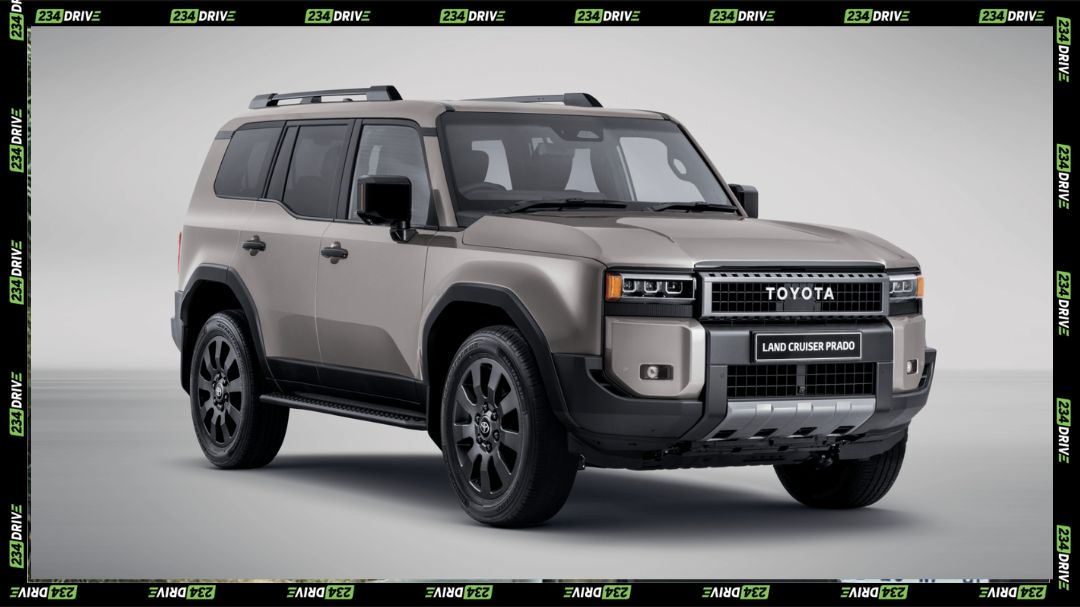
In terms of resale value and durability, the XC60 holds its ground well, though perhaps not as rigidly as the Toyota Land Cruiser Prado or Harrier. However, against its European peers, the Volvo’s depreciation curve has flattened, meaning a unit bought today for KSh 4.5 million will retain a significant portion of its value over three years if well-maintained. Durability-wise, the SPA platform has proven robust, with fewer reported electrical gremlins than some Land Rover products. While parts may be marginally more expensive than those for a Volkswagen Tiguan, the longevity of Volvo components often offsets the upfront cost, making it a financially sound choice for the long-term luxury buyer.
Conclusion
The Volvo XC60 represents a shift in the Kenyan automotive landscape, moving away from the default choices of the past towards a vehicle that offers a holistic blend of safety, style, and performance. The 2018 model year, in particular, stands out as the optimal choice for most buyers, balancing the modern aesthetics and technology of the second generation with a price point that undercuts newer hybrids. Its ability to serve as a refined daily driver in the city and a capable tourer on the weekend makes it arguably the most versatile vehicle in its class.
For those considering this Swedish SUV, the key lies in diligence—sourcing a low-mileage unit, verifying its service history, and partnering with a specialist mechanic. Whether you opt for the torque-rich D4 diesel or the spirited T5 petrol, the XC60 delivers an ownership experience that feels definitively premium. It is a car that doesn’t just transport you; it protects you, a quality that resonates deeply with Kenyan families. We invite current owners and aspiring buyers to share their experiences: is the Volvo XC60 the ultimate smart choice for Kenya, or does the German establishment still hold the crown?