
Proton, the Malaysian automotive powerhouse founded in 1983, has made a significant strategic entry into the Kenyan market since 2020. As a subsidiary of Proton Holdings Berhad, the brand focuses on delivering reliable, affordable vehicles specifically engineered for emerging markets. In Kenya, Proton’s operations are deeply integrated with the national “Buy Kenya Build Kenya” initiative. By partnering with Simba Corporation for local assembly at the Associated Vehicle Assemblers (AVA) plant in Mombasa, Proton has transitioned from a niche import to a serious contender in the local manufacturing sector, offering a fresh alternative to the long-standing dominance of Japanese brands like Toyota.
The brand’s public image in Kenya is defined by its commitment to industrial growth and the provision of “zero-mileage” vehicles at accessible price points. While Proton previously had a brief stint in the Kenyan market during the 1990s, its re-entry under the patronage of the national government has solidified its reputation as a pragmatic choice for first-time buyers and corporate fleets alike. Known for its utilitarian yet modern design philosophy, Proton’s current Kenyan catalogue consisting of the Saga sedan and the X70 SUV reflects a balance between cost-efficiency and contemporary technology, backed by the extensive service network of the Simba Corporation.
The Proton Saga
The Proton Saga features a conservative yet functional exterior design that prioritises longevity and practical urban use. Its silhouette is that of a classic notchback sedan, featuring clean lines, body-coloured door handles, and a distinctive front grille adorned with the modernised Proton badge. The inclusion of LED daytime running lights and halogen projector headlamps on higher trims provides a modern touch to an otherwise understated aesthetic. With a ground clearance suitable for Kenyan urban roads and a compact footprint, the Saga offers a balanced road presence that is neither ostentatious nor outdated, making it a professional choice for daily commuting.
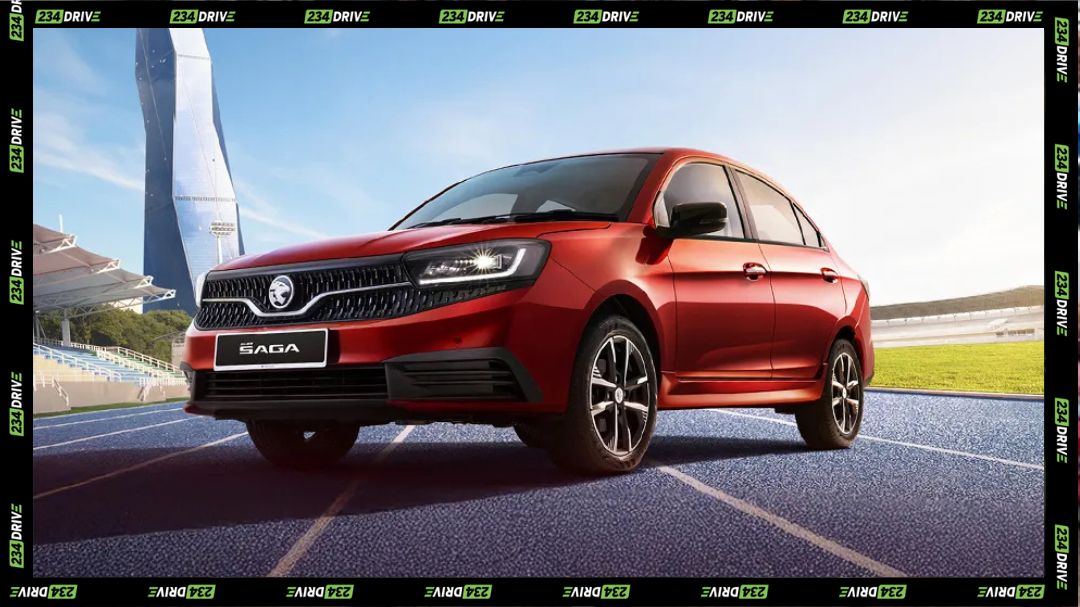
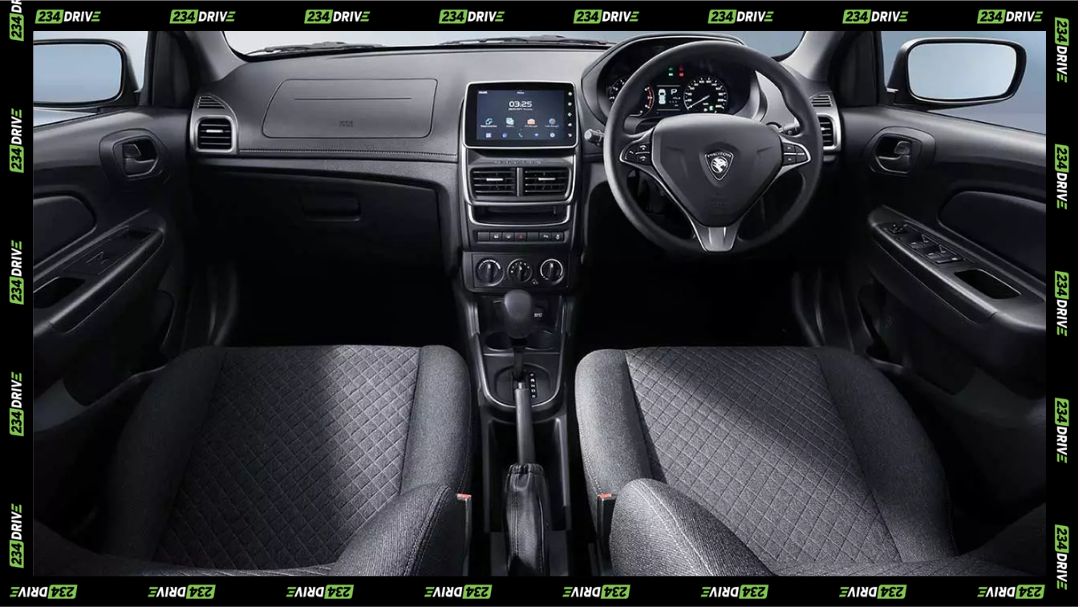
Inside, the Saga offers a surprisingly spacious cabin that provides ample legroom and headroom for five passengers. The interior is finished with durable materials designed to withstand the rigours of tropical climates and frequent use. In terms of technology, the Premium variant includes a 7-inch touchscreen infotainment system, smartphone connectivity, and a reverse camera. Under the bonnet, it is powered by a 1.3-litre DOHC VVT engine producing approximately 95 PS, paired with either a 5-speed manual or a 4-speed automatic transmission. This powertrain is tuned for fuel efficiency, which is a key highlight in detailed car reviews, making it ideal for the budget-conscious Kenyan driver. The Proton Saga starts at approximately KSh 1,585,000 for automatic variants, with used models appearing on the secondary market from around KSh 568,000.
The Proton X70
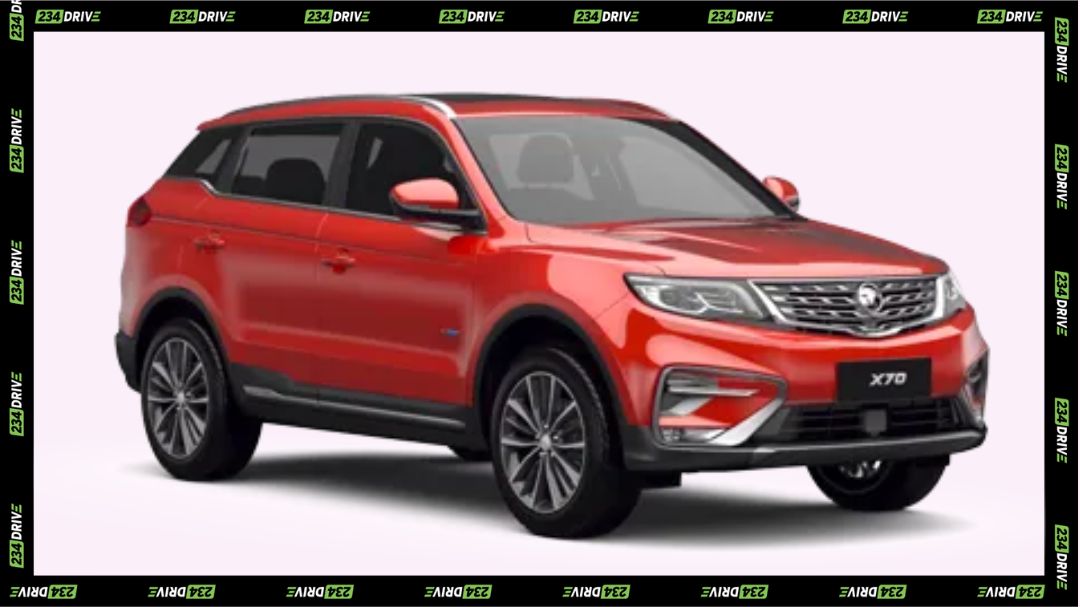
The Proton X70 presents a significantly more commanding road presence, designed with a sophisticated “Infinite Weave” grille inspired by Malaysian craftsmanship. Its exterior is characterised by sharp LED projector headlamps, a muscular shoulder line, and large alloy wheels that give it a premium, athletic stance. The inclusion of a panoramic sunroof and sleek roof rails enhances its appeal as a lifestyle vehicle capable of transitioning from city boulevards to weekend getaways. The build quality is notably high, reflecting its status as a flagship model that competes directly with established global SUVs in terms of visual refinement and aerodynamic efficiency.
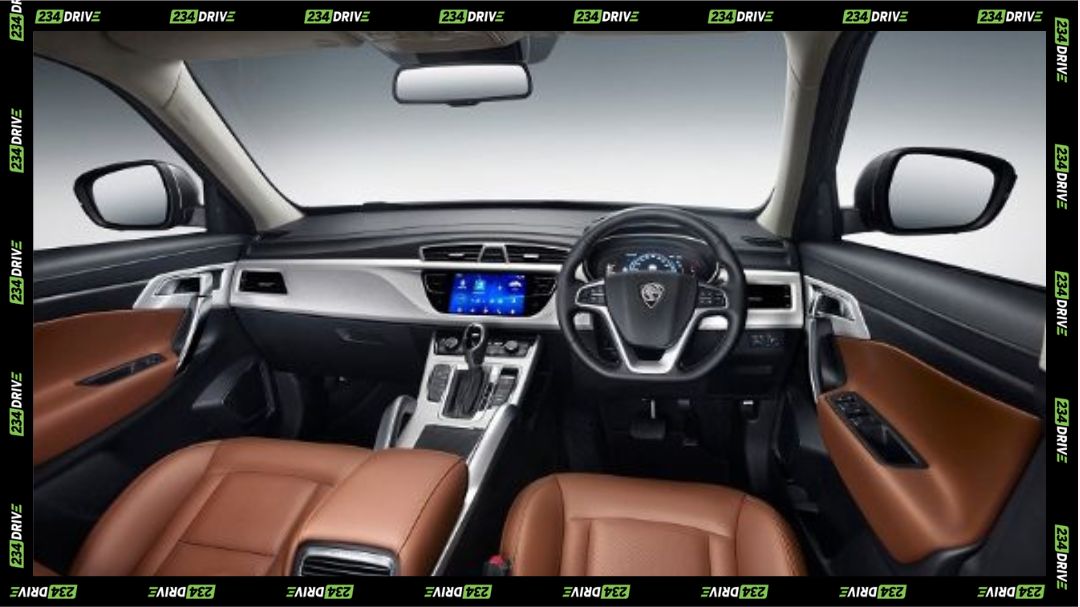
The interior of the X70 is a leap into luxury, featuring Nappa leather seats, a soft-touch dashboard, and an advanced air purification system. The cabin is equipped with a 360-degree camera system, adaptive cruise control, and a voice-command interface for seamless connectivity. Performance is driven by a 1.5-litre TGDi turbocharged engine, co-developed with Volvo, which delivers 177 PS and 255 Nm of torque. This power is managed by a 7-speed Dual-Clutch Transmission (DCT), ensuring smooth gear changes and responsive acceleration. The X70 is priced from approximately KSh 5.9 million (VAT inclusive), as noted on the official Proton Kenya site, offering a suite of safety features that earned it a 5-star ASEAN NCAP rating.
Regional Relevance and Lifestyle Suitability
In the context of Kenya’s diverse driving environment, the Proton collection addresses several critical practical considerations. The decision to assemble these vehicles locally at the AVA plant in Mombasa is a masterstroke for regional suitability, as it ensures the suspension systems and cooling units are optimised for Kenyan heat and road surfaces. The initial assembly kits were specifically chosen to kickstart this local production line. For urban dwellers in Nairobi or Mombasa, the Saga’s fuel efficiency and compact size are ideal for navigating heavy traffic and tight parking spaces. Meanwhile, the X70’s turbocharged performance and higher ground clearance make it better suited for long-distance travel on the A109.
Furthermore, the ownership experience is bolstered by the prestige of driving a brand-new vehicle with a 5-year/150,000 km warranty, a luxury often unavailable to those buying “grey market” imports. The availability of maintenance through Simba Corporation’s nationwide network mitigates one of the primary concerns for Kenyan motorists: after-sales support. While the lack of a sprawling aftermarket for spare parts compared to Toyota remains a factor, the formal backing of a major local conglomerate provides a level of security that appeals to corporate clients, such as the Kenya Police, who require high vehicle uptime and reliable servicing.
Competitive Market Positioning and Resale Value
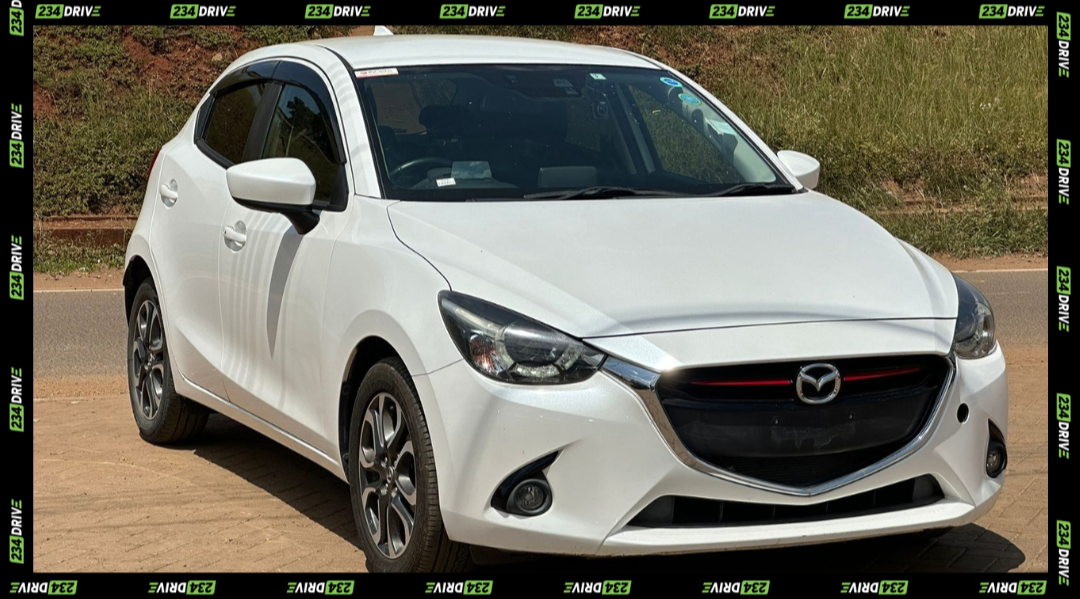
When compared to its segment rivals, the Proton Saga occupies a unique position as one of the most affordable new sedans in Kenya. It competes primarily against the Toyota Corolla and used imports like the Mazda Demio or Toyota Belta. While the Saga may lack the massive resale ecosystem of a used Toyota, it counters with a significantly lower initial purchase price for a zero-mileage car. This value proposition has helped it gain traction in local sales data over the last few years. Its durability is proven, and while maintenance must be handled through authorised channels, the long-term cost of ownership is highly competitive.
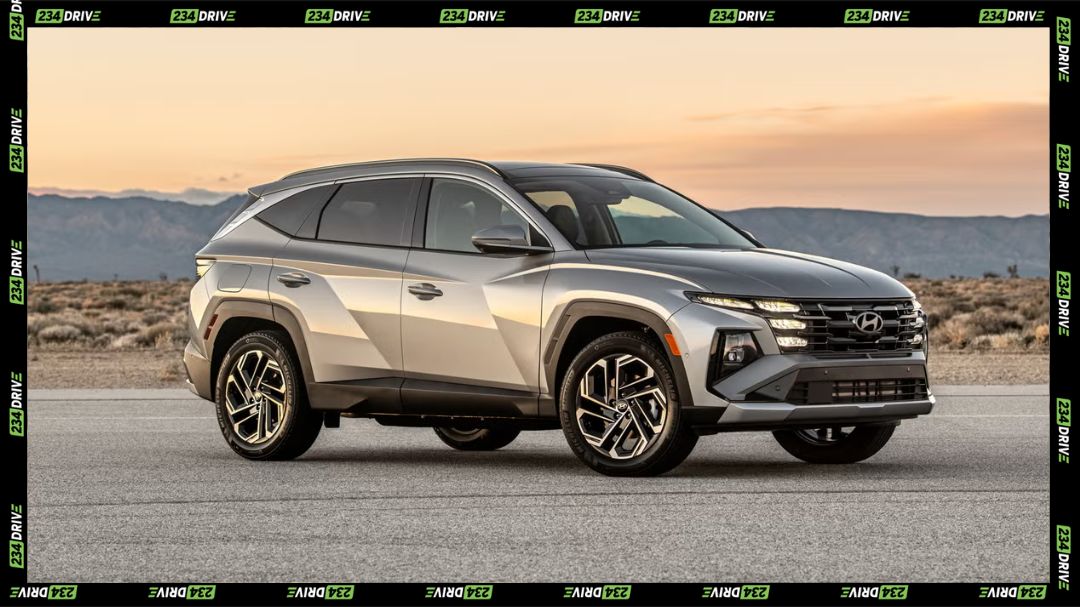
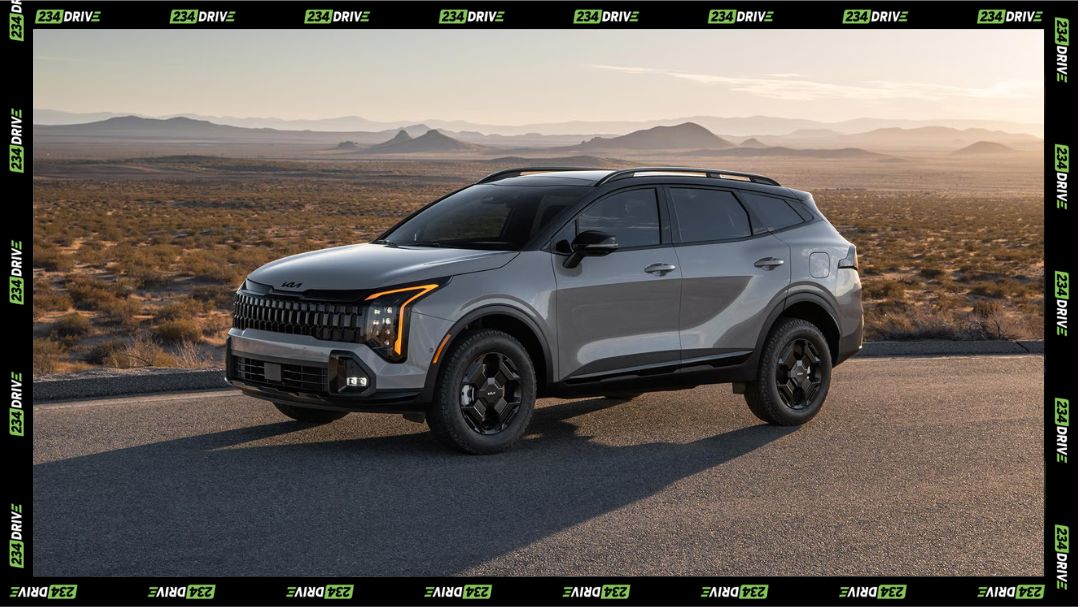
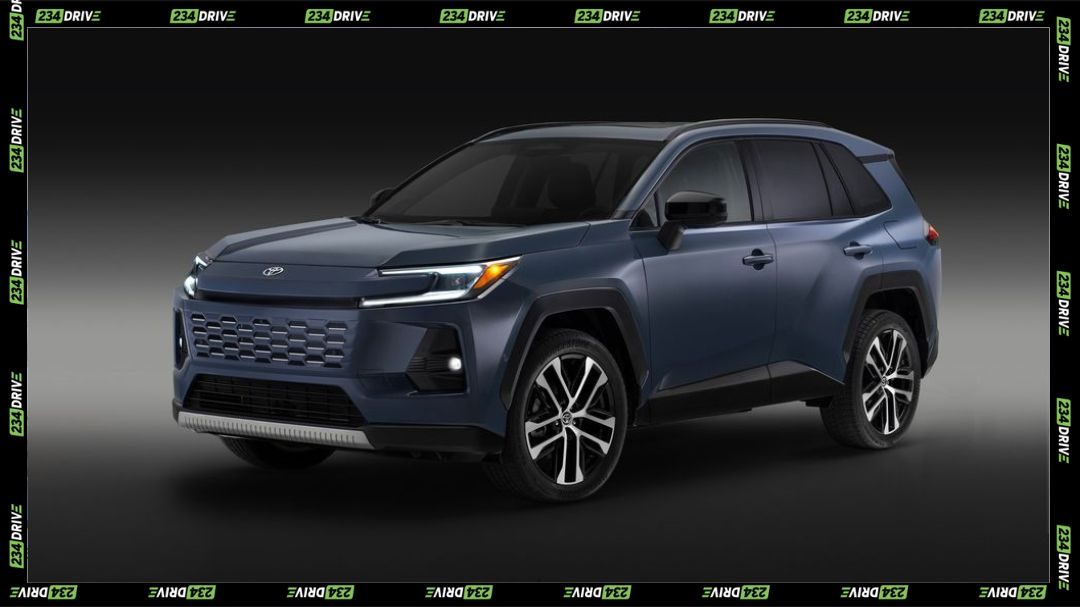
The Proton X70 finds itself in the fiercely contested mid-size SUV segment, rivalling the Hyundai Tucson, Kia Sportage, and the venerable Toyota RAV4. In terms of cost, the X70 often provides more “tech-per-shilling,” offering features like Nappa leather and adaptive cruise control at a price point where rivals might only offer mid-spec trims. While the resale value of Protons in Kenya is still establishing its baseline, recent market growth trends suggest a positive trajectory for new vehicle sales. The X70’s mechanical pedigree derived from Proton’s partnership with Geely and Volvo provides a strong argument for its long-term reliability.
Conclusion
The Proton collection in Kenya represents a calculated blend of affordability, modern technology, and local economic contribution. The Saga remains a champion for those seeking a dependable, brand-new entry point into car ownership, while the X70 offers a premium, tech-heavy experience that punches well above its weight class in the SUV market. With the security of a comprehensive warranty and the backing of Simba Corporation, Proton is successfully carving out a niche for itself by proving that “new” does not always have to mean “unaffordable.”
What are your thoughts on the Proton line-up? Would you choose a brand-new locally assembled Saga over a used Japanese import? Share your experiences and opinions in the comments below!