
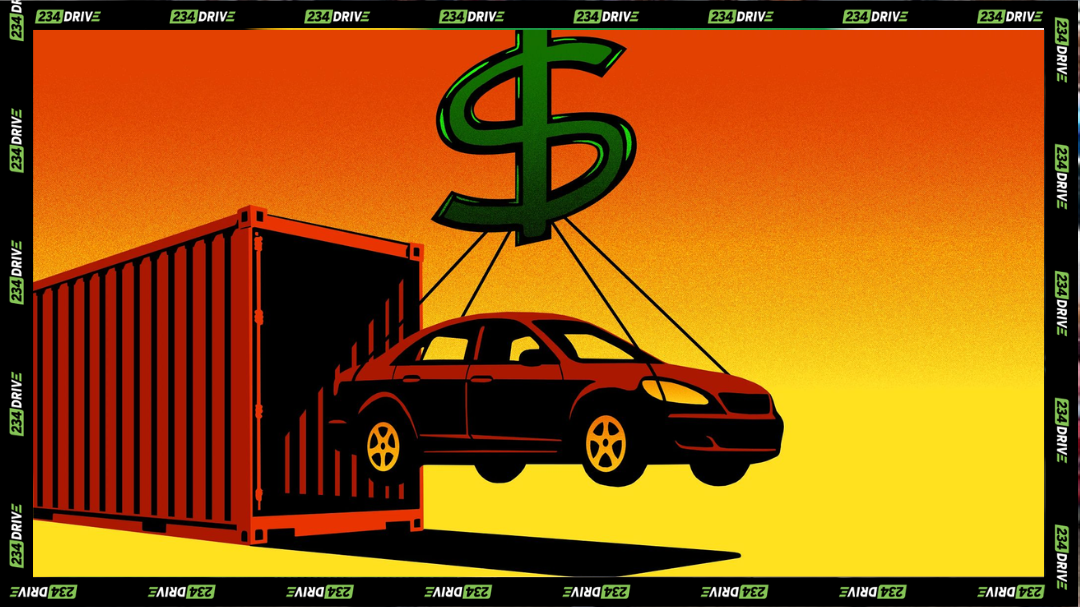
A car lifted from a shipping container, symbolising higher tariffs driving up the cost of imports. | Source: AARP
South Africa is weighing a big increase in import taxes on cars from China and India. The goal is to protect local carmakers from a flood of cheaper imports. Economists and labour groups say the plan could raise car prices, slow electric-car uptake, and hurt buyers.
Why Government Wants Higher Car Import Taxes—and Why Economists Push Back
The Department of Trade, Industry and Competition is reviewing higher tariffs on imported vehicles. One option on the table would raise duties on fully built passenger cars from roughly 25% to as much as 50%. Officials say this still fits within World Trade Organisation rules. They are also looking at smaller changes to tariffs on vehicle parts, depending on where those parts come from.
Government officials argue that imports have grown too fast. In 2024, cars from China made up more than half of South Africa’s total vehicle imports. India followed with just over one fifth. Imports from China have surged over the past four years, adding pressure on local manufacturers. That pressure increased after the United States imposed higher tariffs on South African vehicle exports last year, which hit one of the country’s key export markets.
Economist Lumkile Mondi says the tariff plan misses the point. He argues that higher duties will mostly raise prices for buyers, not grow the industry. Many families rely on cheaper Chinese cars to own a vehicle at all. If prices rise, those households lose money they could spend on education or other basics. Mondi also warns that higher tariffs could strain ties with China and India, both BRICS partners.
He says South Africa should focus on attracting manufacturers instead. The country already has incentives and special economic zones that could persuade Chinese and Indian brands to build cars locally.
Trade union Solidarity agrees. Its researchers say doubling tariffs could push entry-level car prices far higher and even trigger extra taxes. They add that cheap imports do not really compete with locally made cars, which already cost much more.
Chinese Cars Drive South Africa’s EV Boom as Government Weighs Industry Protection
Chinese brands currently play a major role in South Africa’s move toward electric and hybrid cars. Sales of these vehicles doubled in 2024. Chinese manufacturers drove much of that growth by lowering prices and rolling out new models. Plug-in hybrids and full electric cars now cost far less than earlier options, which sat well above what most buyers could afford.
It is a trend that formed due to the tides from global shifts. As the US and Europe tightened their trade rules with tariffs, Chinese carmakers expanded into Africa, with South Africa emerging as a key entry point due to its market size and infrastructure.
The challenge now is balance. The government wants to protect jobs and local production. At the same time, people need affordable cars, especially as fuel and transport costs rise. Pushing manufacturers to assemble more cars locally, rather than taxing imports heavily, could support industry growth without shutting buyers out of the market.