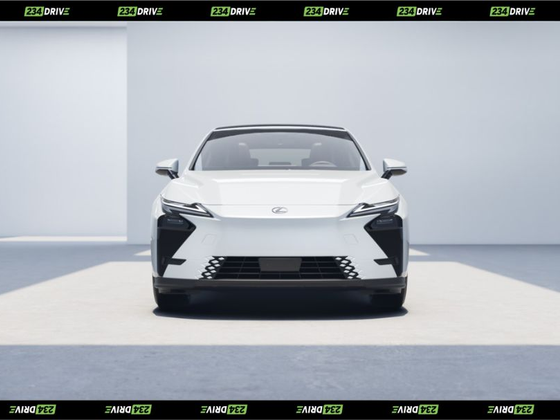

The Lexus IS 250 has long established itself as a cornerstone of the entry-level luxury sedan market in Nigeria. Originally introduced to challenge the dominance of European stalwarts, this compact executive car quickly gained a reputation for combining sharp, aggressive aesthetics with the legendary build quality associated with the Toyota luxury division. Its public image is one of sophisticated pragmatism; it appeals to young professionals and upwardly mobile individuals who value a premium badge and a refined cabin but are wary of the demanding maintenance schedules often associated with its German rivals.
For Nigerian motorists, the IS 250 represents a calculated entry into luxury. While the model line evolved significantly between 2006 and 2015, its core identity remained consistent: a well-balanced rear-wheel-drive or all-wheel-drive sedan that prioritises comfort and longevity over raw, track-focused performance. Despite being succeeded by turbocharged variants, the naturally aspirated V6 of the IS 250 continues to be a highly sought-after commodity on the used market. Its blend of timeless styling and a robust secondary market makes it a primary choice for those seeking a vehicle that looks as good in a corporate car park as it does navigating the bustling streets of Lagos or Abuja.
The Second Generation (2006–2013)
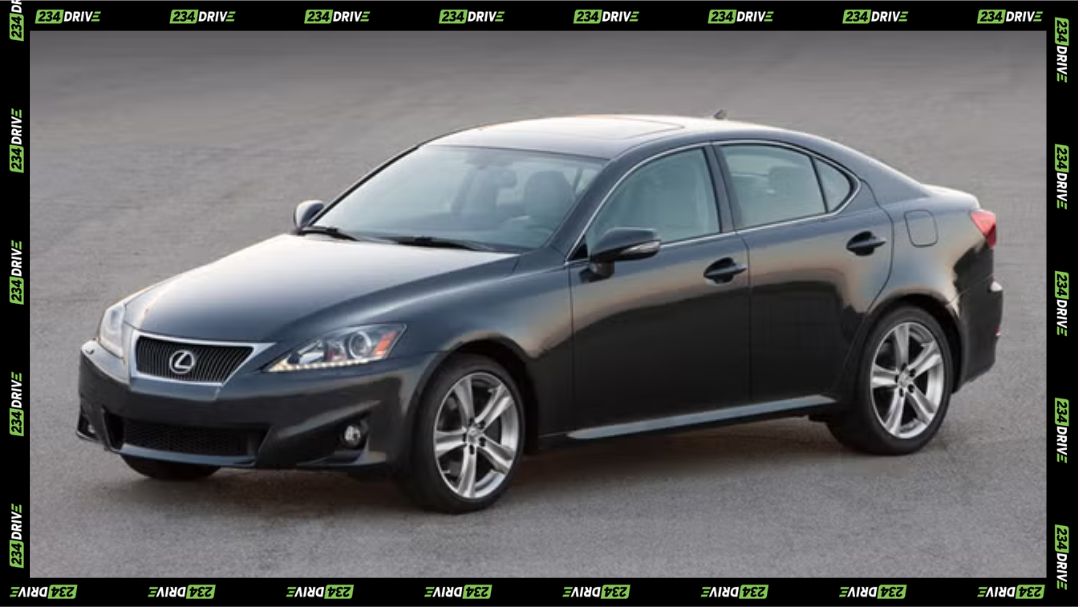
The second-generation Lexus IS 250 (XE20) remains one of the most recognisable shapes on Nigerian roads. Its exterior design is characterised by the “L-finesse” philosophy, featuring a low-slung profile, short overhangs, and a rising beltline that creates a sense of forward motion even when stationary. The sleek, wraparound headlights and integrated boot spoiler provide a sporty silhouette that has aged remarkably well. Its road presence is understated yet confident, often enhanced by the optional 18-inch alloy wheels and the dual-exhaust outlets that hint at its V6 heart. In the local market, these models typically retail between ₦8.5 million and ₦14 million, depending on the specific year and the presence of the F-Sport styling pack.
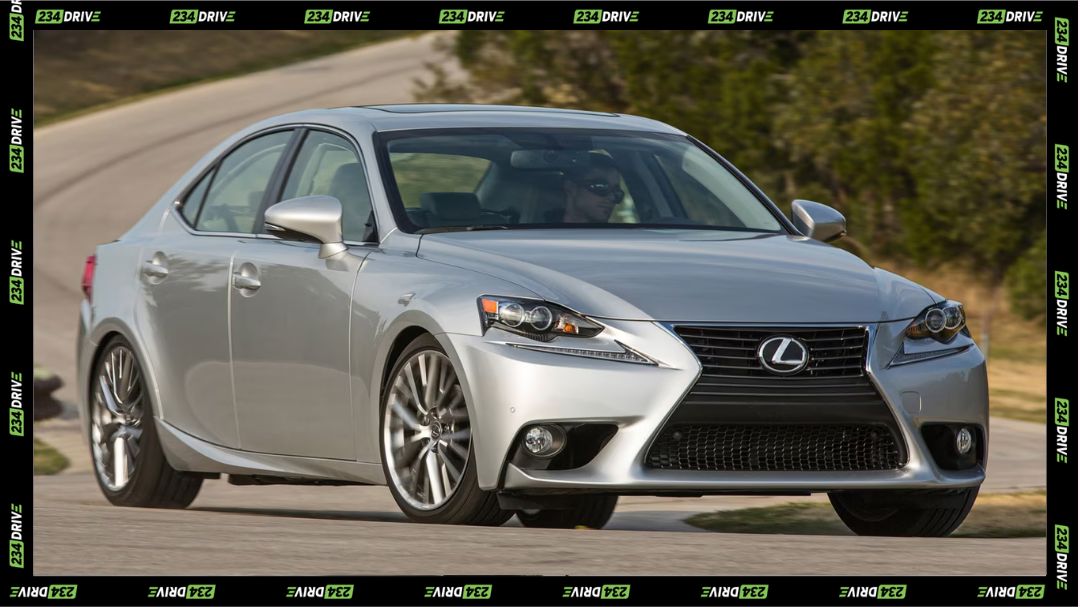
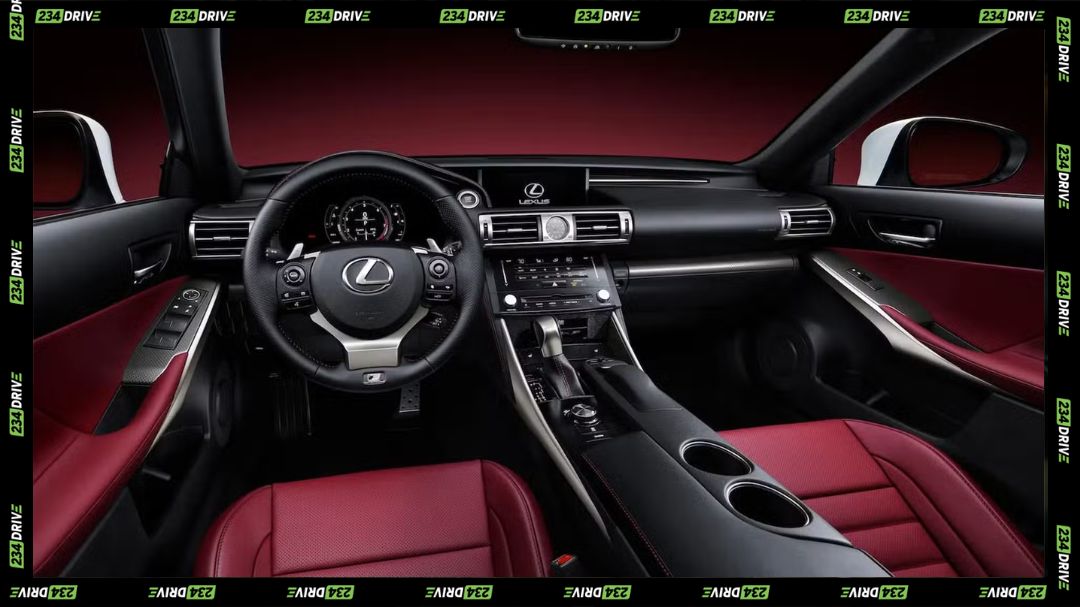
Inside, the XE20 offers a cabin defined by high-quality materials and meticulous assembly. The cockpit is driver-centric, featuring optitron gauges that glow with a premium white light and supportive leather-trimmed seats that offer exceptional comfort for long commutes. According to technical specifications and history, the 2.5-litre V6 engine produces 204 horsepower and 185 lb-ft of torque. While the 0–60 mph sprint takes approximately 7.7 seconds, a figure that may not thrill performance enthusiasts, the power delivery is exceptionally smooth. The six-speed automatic transmission shifts seamlessly, and the cabin remains remarkably quiet, isolating passengers from the external chaos of urban traffic.
The Third Generation (2014–2015)
The third-generation (XE30) IS 250 took a bolder architectural direction, introducing the iconic “Spindle Grille” and separated LED daytime running lights that gave the car a far more aggressive and modern face. The bodywork became more sculpted, with a sweeping line that runs from the side skirts up into the rear wheel arches. This generation offers a significantly more commanding road presence, looking wider and more planted than its predecessor. These later models are premium offerings in Nigeria, with prices ranging from ₦20 million to ₦27 million. The increased cost reflects both its age and the significant leap forward in design and structural rigidity.
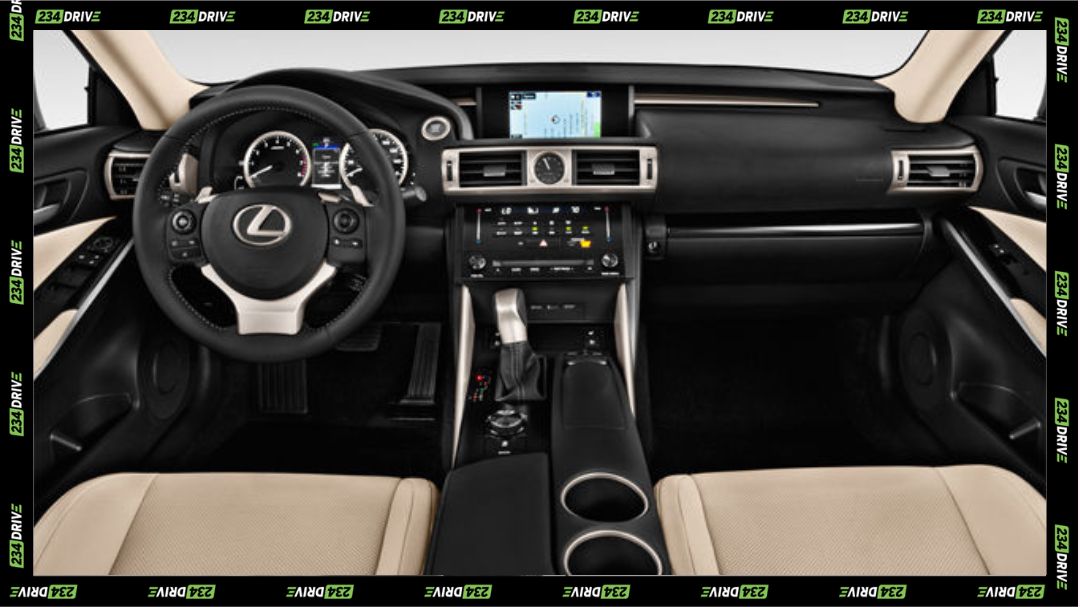
The interior of the 2014–2015 models saw a massive upgrade in technology and space. A longer wheelbase addressed the cramped rear-legroom issues of the previous generation, making it more viable for small families. The dashboard design became more horizontal and architectural, featuring the Lexus Remote Touch controller and a high-resolution display. Performance remained consistent with the 204 hp 2.5-litre V6, though reviewers have noted its pleasure to drive even with modest power. This generation feels more connected to the road, offering a “snappier” feel through corners without sacrificing the plush ride quality for which the brand is famous.
Suitability for the Nigerian Driving Environment
When considering the IS 250 for Nigerian roads, the vehicle’s durability is its greatest asset. The suspension system is remarkably resilient, capable of handling the occasional pothole and uneven surfaces better than many of its European competitors. However, the low ground clearance means drivers must be cautious during the rainy season, as deep puddles and flooded roads can pose a risk to the undercarriage and sensitive electronics. The premium badge provides significant prestige in professional circles, ensuring the car remains a symbol of success in Lagos, Port Harcourt, and Abuja.
Maintenance in the local climate requires specific attention to heat management and fuel quality. Nigeria’s high temperatures can lead to the “melting dashboard” phenomenon common in earlier XE20 models, where the interior plastics become sticky or shiny under intense UV exposure. Furthermore, the direct-injection 4GR-FSE engine is sensitive to carbon buildup, a condition that can be exacerbated by inconsistent fuel quality. Prospective owners should consult Lexus maintenance costs to understand annual upkeep and commit to using high-quality oils and periodic induction cleaning to keep the V6 engine idling smoothly.
Competitive Positioning and Market Rivals
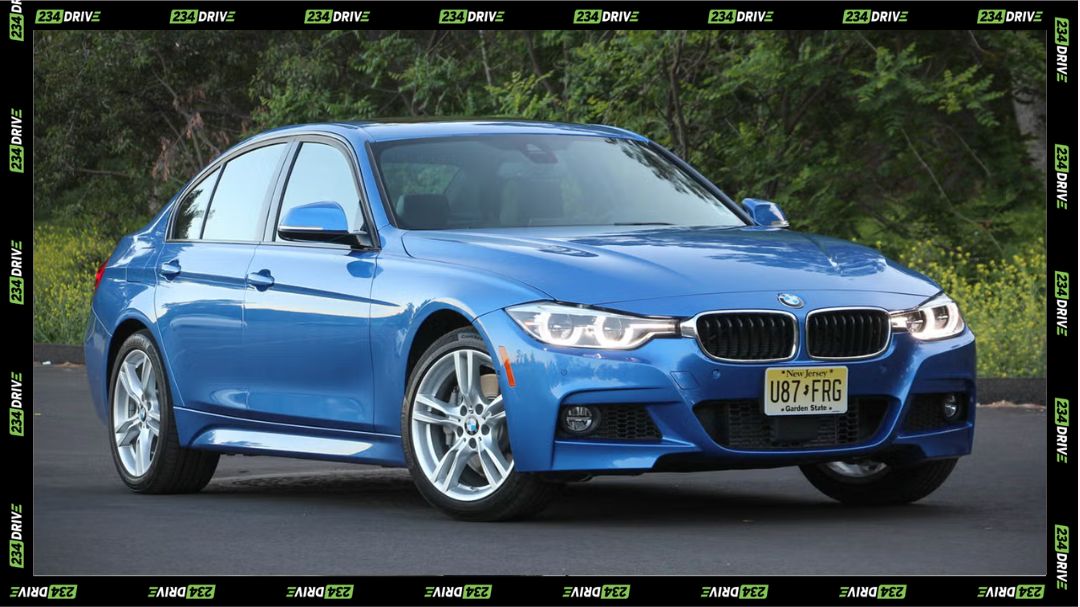
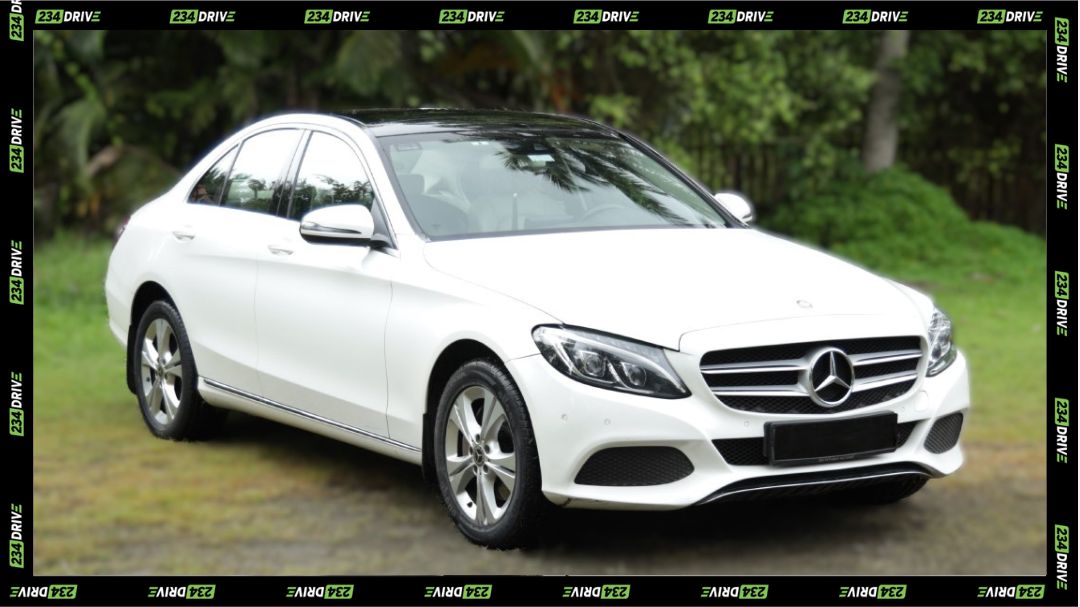
In terms of competitive positioning, the Lexus IS 250 (₦8.5m – ₦27m) sits in a unique spot compared to the BMW 328i (₦10m – ₦18m) and the Mercedes-Benz C250 (₦11m – ₦20m). While the BMW offers a more engaging “Ultimate Driving Machine” experience and the Mercedes provides a more traditional “Old Money” luxury feel, the Lexus wins on resale value and long-term durability. In Nigeria, the IS 250 holds its value significantly better than its German rivals because buyers trust the Toyota-derived powertrain. Maintenance costs for the Lexus are generally lower over a five-year period, as parts are more readily available through the extensive Toyota/Lexus supply chain.
When compared to Japanese alternatives like the Infiniti G37 (₦9m – ₦15m) or the Acura TL (₦8m – ₦14m), the IS 250 is often viewed as the more refined choice. Local Lexus IS listings show it remains a high-demand vehicle on the used market. The Infiniti offers significantly more horsepower but suffers from higher fuel consumption and faster depreciation. The Acura TL provides excellent reliability but lacks the prestige associated with the Lexus badge and the rear-wheel-drive dynamics that enthusiasts prefer. Ultimately, for the Nigerian buyer, the IS 250 strikes the most successful balance between luxury, running costs, and market desirability.
Conclusion
The Lexus IS 250 remains an outstanding choice for those seeking a premium automotive experience without the volatility of high-end European maintenance. Its strengths lie in its exceptional build quality, timeless aesthetic appeal, and the peace of mind that comes with Lexus ownership. While it may not be the fastest car in its class, its smooth V6 and refined interior provide a level of daily comfort that is hard to match at its price point.
Whether you are looking at an affordable 2008 model or a more contemporary 2015 version, you can find current car sale prices to gauge the best value for your budget. We would love to hear your thoughts. Would you choose the legendary reliability of a Lexus over the performance of a BMW, or does the IS 250 feel a bit too conservative for your taste? Share your experiences in the comments below.