If you are looking for a train from Lagos to Abuja, you are not alone. As Nigeria continues its massive railway modernisation, many travellers are searching for a safe and scenic rail link between the nation’s commercial capital and its seat of power.
However, it is important to understand the current reality of the Nigerian rail network in early 2026. This guide breaks down why a direct train from Lagos to Abuja isn’t yet possible and provides the best alternative routes to get you there safely and efficiently.
Is There a Direct Train from Lagos to Abuja?
The short answer is no. As of February 2026, there is no direct, single-line train from Lagos to Abuja. While the Nigerian Railway Corporation (NRC) has made incredible progress, the network is currently composed of functional segments rather than one unified cross-country line.
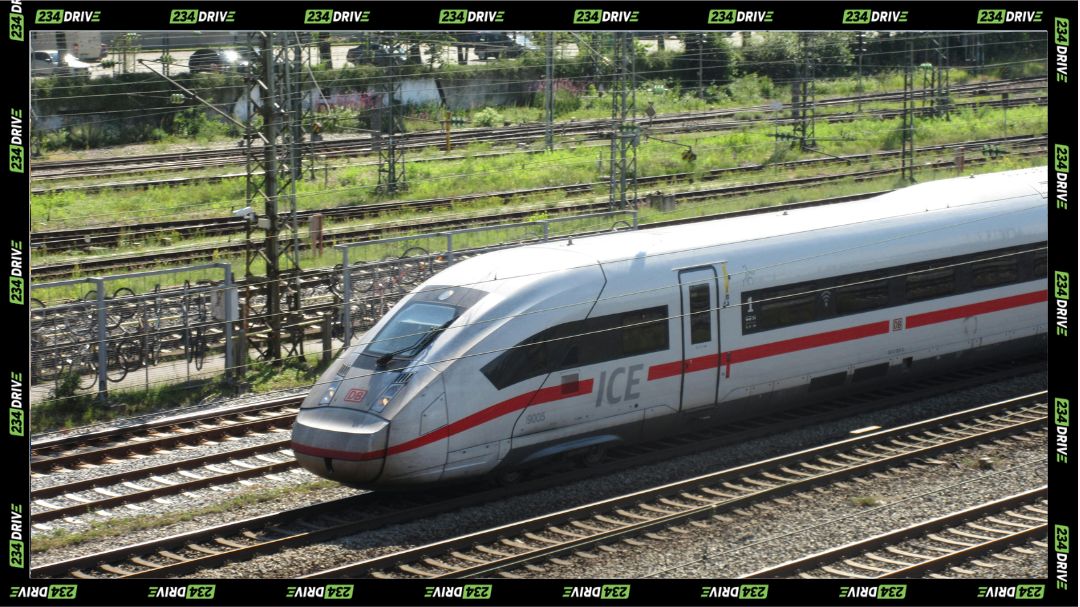
This segmented approach is a common challenge in large-scale infrastructure, much like the Lobito Corridor Railway investments being made to link different regions of the continent. While the government has expressed a long-term goal to connect all 36 states by rail, the “missing link” between Ibadan and the northern terminals means a direct journey is not yet an option.
The Myth of the High-Speed Bullet Train from Lagos to Abuja
In 2025, there was significant buzz regarding a proposed high-speed bullet train that would cut travel time to just 3 hours. However, the Federal Ministry of Transportation officially denied these claims in early 2025, clarifying that a high-speed Lagos-Abuja link was not yet approved for construction. As of 2026, the project remains in the proposal phase with no active tracks being laid. Travellers searching for a high-speed train from Lagos to Abuja should be wary of unverified launch dates found on social media.
Alternative 1: Flying from Lagos to Abuja (Fastest)
Since a direct train is unavailable, flights remain the most practical choice. Over 50 weekly flights operate between Murtala Muhammed International Airport (LOS) and Nnamdi Azikiwe International Airport (ABV).
- Duration: 1 to 1.5 hours.
- Airlines: Air Peace, Ibom Air, United Nigeria, and Aero Contractors.
- Cost: ~₦90,100 – ₦177,500 ($67 – $132) depending on how early you book.
Alternative 2: Interstate Bus Services (Budget-Friendly)
Buses are the most common way to travel this route overland. Operators like ABC Transport and GIGM provide regular services from terminals in Jibowu and Yaba.
- Duration: 9 to 12 hours.
- Cost: ₦33,600 – ₦60,500 ($25 – $45).
- Comfort: Most companies offer “Sprinter” shuttles which are faster and more comfortable than traditional large buses.
Alternative 3: Private Hire and Shuttles
If you prefer privacy and flexibility, you can tap into the booming car hire and mobility industry in Nigeria. Hiring a private driver allows you to move at your own pace, though it is the most expensive road-based option, often ranging from ₦150,000 to ₦300,000 for the full trip.
Comparative Travel Table (2026)
| Travel Method | Duration | Approx. Cost (USD / ₦) | Best For |
| Direct Train | N/A | N/A | Not yet available |
| Flight | 1.5 Hours | $67 – $132 (~₦90,100 – ₦177,500) | Speed & Security |
| Interstate Bus | 10 Hours | $25 – $45 (~₦33,600 – ₦60,500) | Budget Travellers |
| Private Hire | 10 Hours | $30 – $60 (~₦40,300 – ₦80,700) | Groups & Privacy |
| Train + Bus | 12+ Hours | $30 – $70 (~₦40,300 – ₦94,100) | Scenic enthusiasts |
Summary for Travellers
While the search for a train from Lagos to Abuja continues to grow, travellers must currently rely on air or road transport. For the safest and fastest experience, flying is recommended. For those on a budget, a morning bus from a reputable terminal is the most reliable alternative. We will continue to update this guide as the Nigerian Railway Corporation makes progress on the missing links in the national rail network, so bookmark this article.