
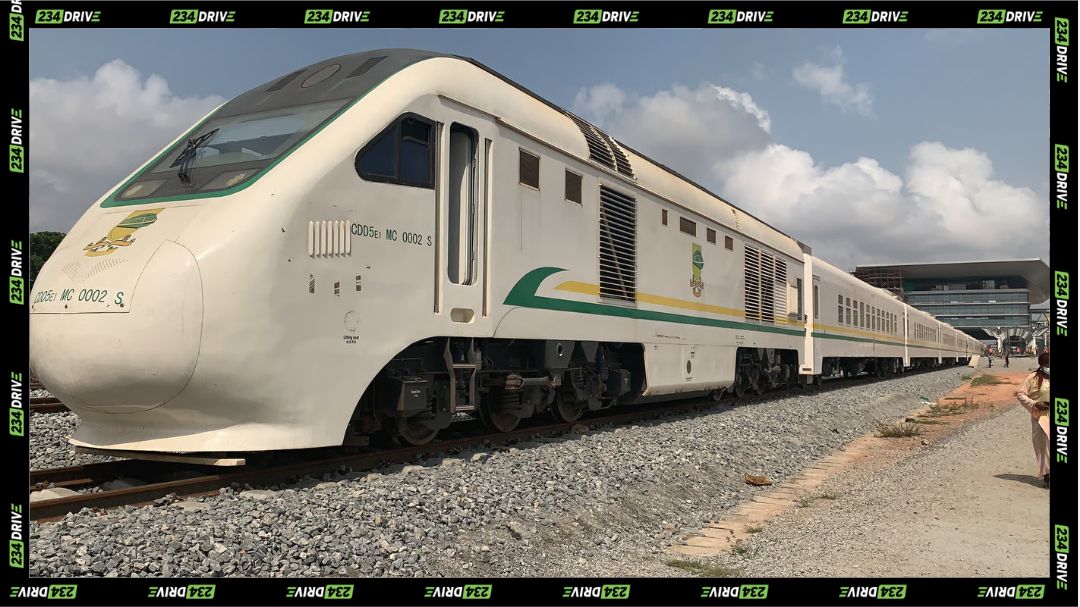
For decades, the sound of a train whistle in Nigeria was a memory of a bygone era. Today, it is the soundtrack of a mobility revolution. From the ultra modern Mobolaji Johnson Station in Lagos to the bustling Rigasa terminal in Kaduna, the Nigerian Railway Corporation (NRC) has moved from the fringes of transport to the centre of the national conversation.
In 2026, train travel is no longer just an alternative; for many, it is the primary choice for safety, speed and comfort. However, as the system has modernised, so has the barrier to entry. You can no longer simply ‘show up’ and expect a seat. Navigating the e-ticketing landscape is now the first step of any successful journey.
Route-Specific Platforms
One of the most common mistakes travellers make is searching for a single, unified NRC booking website. As of April 2026, the NRC operates through distinct, route-specific portals. Using the wrong platform won’t just waste your time; it exposes you to the risk of ‘ticket racketeers’, unauthorised agents who sell invalid or inflated tickets.
Official Portals for 2026
- Lagos-Ibadan Train Service (LITS): The flagship standard-gauge route uses the nrc.gsds.ng portal. This is the busiest route in the country, connecting the industrial hub of Lagos to the historical capital of Oyo State in under three hours.
- Abuja-Kaduna Train Service (AKTS): This critical corridor, which bypasses the security challenges of the Abuja-Kaduna expressway, is managed via nrc.tps.ng.
- Warri-Itakpe Train Service (WITS): Connecting the South-South to the North-Central, this route uses nrc-fane.ng. Note that WITS often has more restrictive booking windows, sometimes opening only 24 hours before departure.
The NIN Mandate: Why Your Identity Matters
Since the resumption of services following the security reforms of 2023, the National Identification Number (NIN) has become the ‘passport’ of the Nigerian rail system. You cannot create a booking account or purchase a ticket without a valid NIN.
The system cross-references your identification with the passenger manifest in real-time. This is not merely an administrative hurdle; it is a security protocol designed to ensure that every person on board is accounted for. For foreign travelers or those without a NIN, booking must be done physically at the station using an international passport, or through verified local travel agencies that have special authorisation to facilitate ‘Guest Bookings.’
A Step-by-Step Guide to Booking Online
- Register Early: Do not wait until the day of travel. Visit your specific route’s portal or download the official NRC mobile app (available on iOS and Android).
- Verify Your NIN: Enter your details exactly as they appear on your NIMC slip. A mismatch between your ticket name and your physical ID will result in denied boarding at the station gates.
- Select Your Window: For the Lagos-Ibadan and Abuja-Kaduna routes, the booking window typically opens exactly 48 hours before departure.
- Choose Your Class: Select from Standard, Business, or First Class. (See the fare breakdown below for 2026 averages).
- Secure Payment: Use a Nigerian debit card (Mastercard, Visa, or Verve). Most portals now support direct bank transfers via integrated gateways like Paystack or Flutterwave.
- Download the QR Code: Once payment is confirmed, you will receive an e-ticket. Screenshot the QR code immediately. Network connectivity at train stations can be unreliable; having an offline copy is essential for the turnstile scanners.
Understanding Fares and Classes (2026 Estimates)
Fares in 2026 have stabilized following the fuel subsidy adjustments of previous years. Below is the current price hierarchy for the major routes:
| Route | Standard/Economy | Business Class | First Class |
| Lagos ↔ Ibadan | ₦4,119 ($3.00)–₦4,942 ($3.60) | ₦8,924 ($6.50) | ₦12,357 ($9.00) |
| Abuja ↔ Kaduna | ₦4,942 ($3.60) | ₦9,611 ($7.00) | N/A |
| Warri ↔ Itakpe | ₦6,178+ ($4.50+) | ₦13,730+ ($10.00+) | ₦20,595–₦30,206 ($15–$22) |
Note: USD conversions are provided for reference at the 2026 indicative rate of $1 ≈ ₦1,373. Children under three typically travel for free if they do not occupy a seat.
Which Class Should You Book?
- Standard: Best for budget-conscious travellers. Expect 2×3 seating and full air conditioning. It is functional but can feel crowded during peak weekend runs.
- Business: The sweet spot for professionals. You get 2×2 seating, significantly more legroom and a quieter environment for work.
- First Class: Available primarily on the WITS and select LITS ‘Express’ trains. Features plush 2×1 seating, private charging ports and sometimes access to an exclusive station lounge.
The Onboard Protocol: What to Expect
Booking the ticket is only half the battle. To ensure you aren’t left standing at the platform, follow these mobility rules:
- The 60-Minute Rule: Arrive at the station at least one hour before departure. The security screening and ID verification process are thorough. For the 8:00 am Lagos departure, being at the terminal by 7:00 am is non-negotiable.
- Baggage Limits: Each passenger is allowed a maximum of 25kg. The NRC has become strict in 2026 about ‘commercial luggage.’ If you are carrying sacks of goods or oversized crates, you will be directed to the freight office and charged commercial rates.
- Prohibited Items: Alcohol, combustibles (including small gallons of petrol) and live animals are strictly forbidden in passenger coaches.
Pro Tips for the Savvy Traveller
- The ‘4:00 PM Thursday’ Window: For the Warri-Itakpe line, the portal famously reopens at 4:00 pm on Thursdays for Friday trips. Setting a phone alarm for 3:55 pm is often the only way to secure a VIP seat.
- Avoid the Station Rush: While Ticket Vending Machines (TVMs) exist at major stations, they are often crowded. Online booking is always the more reliable path.
- Join the Community: Several unofficial but highly accurate WhatsApp and Telegram groups track ‘Train Delays Nigeria.’ These are invaluable for real-time updates that might not hit the official @info_nrc social media handles immediately.
Final Word
The rail system shows immense promise for the transport sector as it reduces the carbon footprint, eases the strain on our highways and offers a level of predictability that road travel simply cannot match. By mastering the e-ticketing system, you aren’t just buying a seat; you are buying time, safety and a front-row seat to the changing face of the country.