
The Toyota Belta occupies a unique, dual-identity position in the Kenyan automotive landscape. For nearly two decades, it has been the default choice for budget-conscious urbanites seeking a ‘booted’ version of the legendary Vitz. However, in 2026, the Belta story has become more complex, split between the ubiquitous Japanese imports of the late 2000s and the more recent, albeit short-lived, partnership with Suzuki that introduced a larger, more premium sedan to the region. This guide provides a deep-dive analysis of both eras, current market valuations, and the long-term outlook for Belta ownership in Kenya.
The Belta’s public image in Kenya is one of pragmatism over prestige. It is the vehicle of the first-time car owner, the young family, and the high-efficiency digital taxi operator. Unlike the flashier Corolla Axio or the larger Premio, the Belta is viewed as a surgical tool for the “Mobility Economy”—designed to provide the maximum distance per shilling with the minimum mechanical headache. In 2026, with fuel prices and import duties at historic highs, this focus on efficiency has made the Belta more relevant than ever.
The Original Toyota Belta (2005–2012, XP90)
The first-generation Belta is defined by its compact, rounded ‘teardrop’ styling, which was a radical departure from the boxy subcompacts of the late 90s. Its road presence is understated but functional; the short overhangs and high roofline indicate a vehicle designed for tight urban navigation. While it lacks the aggressive stance of modern sedans, its simplicity is its strength—there are no complex body lines to repair, and the halogen lighting systems are both durable and inexpensive to replace. Even in 2026, a clean 2012 model retains a remarkably tidy appearance that doesn’t feel out of place in Nairobi’s central business district.
Inside, the XP90 Belta offers a surprisingly airy cabin for its dimensions, largely thanks to the centrally mounted instrument cluster which opens up the dashboard view. The 1.3-litre 2SZ-FE engine is the preferred choice for Kenyan terrain, offering a balanced 86 hp and 116 Nm of torque, which feels significantly more capable than the 1.0-litre three-cylinder variant when climbing the hills of Limuru. Performance is delivered through a Super CVT-i transmission, which provides seamless acceleration for city driving but can feel ‘buzzy’ under heavy load. The boot space is the hidden gem of this model, offering 475 litres of capacity—matching many cars in the segment above.
Current Market Price: KSh 450,000 to KSh 850,000.
The ‘New’ Toyota Belta (2021–2025, Suzuki Ciaz Rebadge)
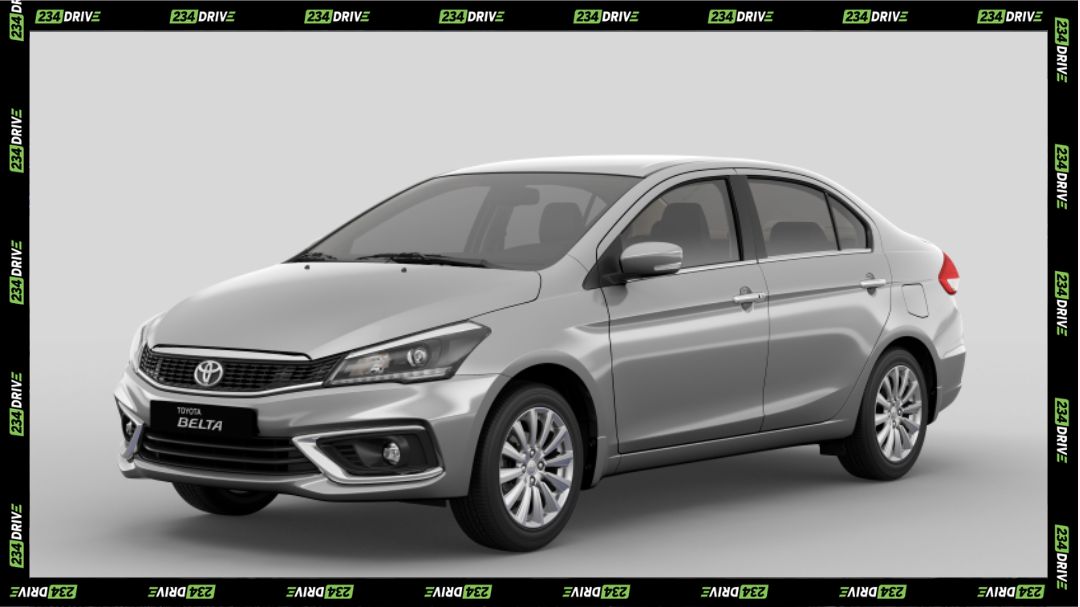
The revived Belta represents a shift in Toyota’s African strategy. As a rebadged Suzuki Ciaz, this version is a full-sized compact sedan with a significantly more imposing road presence. Its long wheelbase, chrome-accented grille and sharp LED projector headlamps signal a move toward the premium segment. This is a car designed to compete with the likes of the Honda City and Nissan Almera. The styling is more traditional ‘executive sedan,’ offering a level of sophistication that the original Belta never aimed for, making it a viable choice for corporate fleets and middle-management professionals.
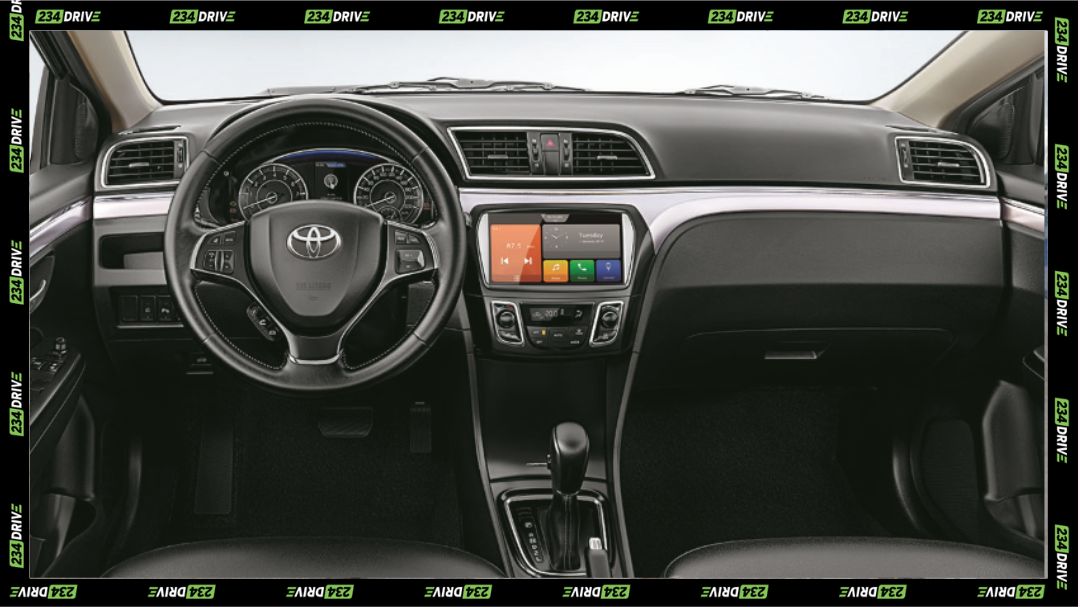
Technically, the newer Belta is powered by a 1.5-litre K15 engine producing roughly 103 hp. Unlike the older JDM units, this model typically utilises a robust 4-speed torque-converter automatic or a 5-speed manual, which many Kenyan drivers prefer for its perceived durability over CVT systems. The interior is a massive leap forward in technology, featuring a touchscreen infotainment system, rear AC vents and cruise control. It drives with a level of refinement and highway stability that far surpasses its predecessor, though it loses some of that ‘go-anywhere’ nimbleness associated with the smaller XP90 chassis.
Current Market Price: KSh 2,000,000 to KSh 3,800,000.
Relevance to the Kenyan Driving Environment
In 2026, the Toyota Belta’s relevance is dictated by three factors: the 8-year import rule, fuel economy and ground clearance. For the older models, the 150 mm ground clearance remains a challenge on Kenyan ‘murram’ roads and over-sized speed bumps. However, the sheer density of spare parts—shared with the Vitz, Ractis and Axio—means that maintenance is a non-issue. Whether you are on Kirinyaga Road in Nairobi or a small garage in Eldoret, finding a mechanic who knows the Belta is guaranteed. This cultural mechanical literacy is what keeps the older models on the road long after their contemporaries have been scrapped.
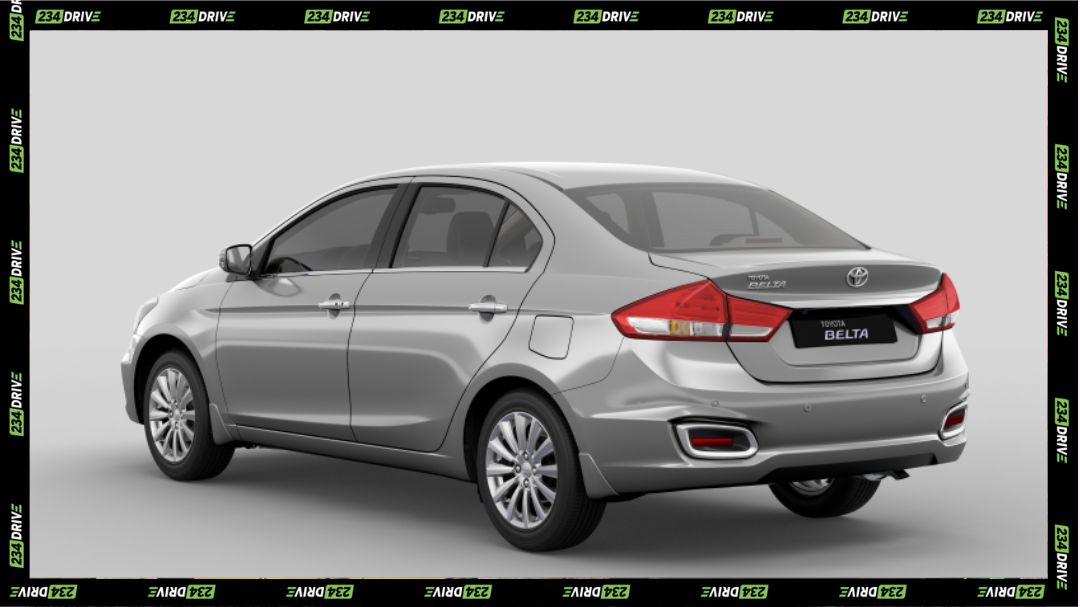
The newer 1.5-litre model, while better equipped for long-distance highway travel (such as the Nairobi-Mombasa corridor), faces the challenge of being a discontinued rebadge as of mid-2025. While CFAO Motors (Toyota Kenya) provides initial support, long-term buyers must consider that this is a Suzuki platform under the skin. For the Kenyan lifestyle, where cars often serve multiple roles—commuter, family mover and occasional cargo hauler—the Belta’s boot space and low consumption (averaging 15–18 km/L) make it a hedge against the rising cost of living. It is a vehicle that ‘lives’ well within the Kenyan economy.
Competitive Positioning and Market Rivals
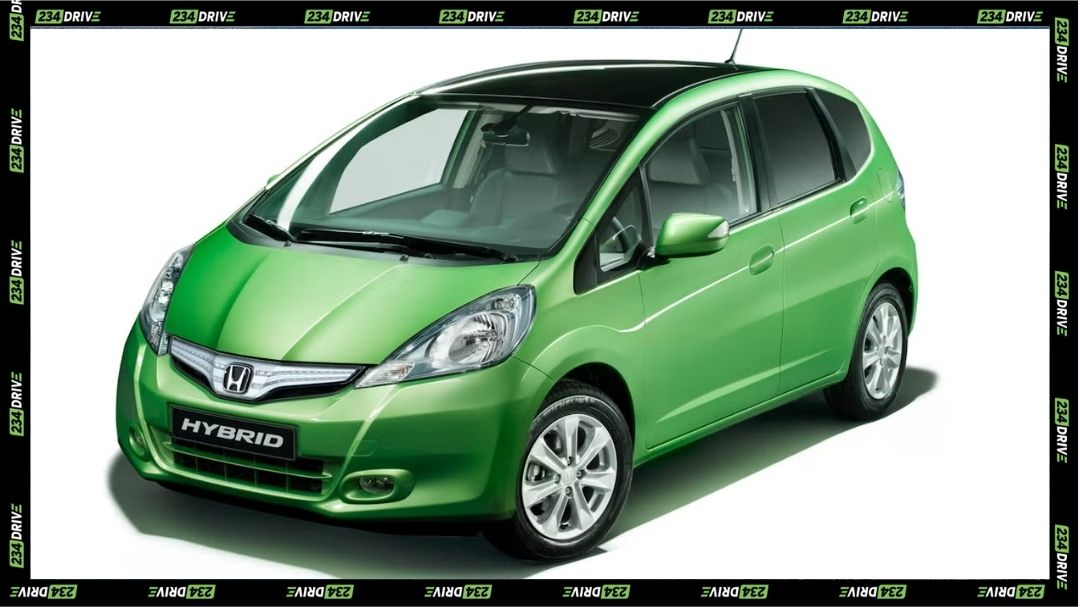
When compared to the Honda Fit Aria or the Nissan Tiida Latio, the Belta consistently wins on resale value and current market liquidity. The Honda Fit Aria offers a more versatile ‘Magic Seat’ interior, but it suffers from a reputation for fragile gearboxes in the Kenyan second-hand market. The Nissan Tiida offers superior interior comfort and legroom but is often avoided by buyers due to concerns over electronic sensors and suspension durability. The Belta’s high reliability rating ensures it remains the ‘gold standard’ for those who cannot afford downtime.
In the newer segment, the Belta (Ciaz) competes with the Toyota Vios (where imported) and the Honda City. While the City is arguably a more ‘prestigious’ badge in Nairobi’s high-end suburbs, the Belta benefits from the massive Toyota service network. Maintenance costs for the newer Belta are slightly higher than the older units due to more complex electronics, but they remain competitive within the 1.5L class. The Belta’s durability and the proven 1.3L/1.5L engines make it a more sensible long-term hold compared to European entry-level sedans which often struggle with Kenyan fuel quality and dust.
Conclusion
The Toyota Belta is the ultimate rational car for the Kenyan market in 2026. While it may not provide the thrill of a turbo-charged engine or the status of a luxury SUV, its strengths lie in its invisible virtues: the ease with which it is serviced, the thousands of verified car listings available for buyers and its refusal to depreciate rapidly. For the Kenyan motorist, the Belta represents a safe harbour in a volatile economy.
Are you considering an older 1.3L Belta for your daily commute, or does the added comfort of the newer 1.5L model justify the higher price tag? Share your ownership stories or questions in the comments below.