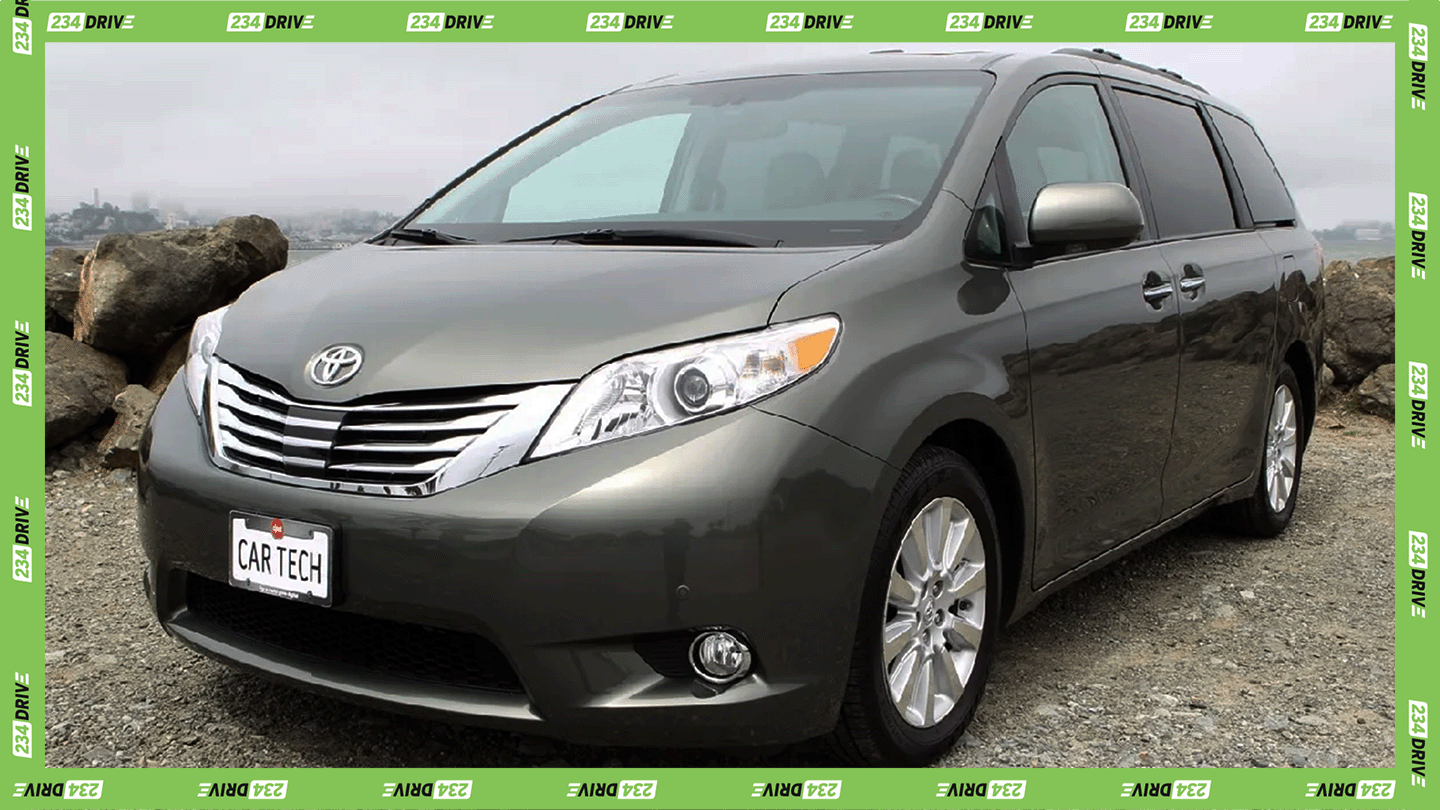

The Toyota Starlet occupies a rare position in Kenya’s automotive landscape, serving as both a nostalgic relic of the 1990s and a modern beacon of urban mobility. For over three decades, this nameplate has been synonymous with the democratisation of car ownership in East Africa. From the ubiquitous JDM imports that flooded the streets of Nairobi and Mombasa in the late twentieth century to the strategic 2020 revival by CFAO Mobility (formerly Toyota Kenya), the Starlet has consistently aligned itself with the Kenyan driver’s primary requirements: fuel efficiency, mechanical resilience, and exceptional resale value. It is a vehicle that has transitioned from the “people’s car” for budget-conscious families to a tech-forward hatchback for the modern professional.
In the contemporary 2026 market, the Starlet’s relevance has only intensified as fuel prices and the cost of living dictate consumer behaviour. The vehicle’s public image is one of “calculated intelligence”—an owner of a Starlet is perceived as someone who values the longevity of a Toyota powertrain over the fleeting prestige of more complex European marques. This analysis examines the two distinct eras of the Starlet currently active on Kenyan roads: the classic JDM generations that refuse to retire and the sophisticated new models that are redefining the entry-level premium segment. Through this lens, we can understand why the Starlet remains a “shining star” in a market that is increasingly crowded with newer, less-proven competitors.
The Classic Starlet (EP82/EP91 Series)
The exterior of the classic Starlet, particularly the EP82 and EP91 generations, is a masterclass in functional minimalism. Its compact, rounded silhouette was designed for the narrow streets of Japan but found a second life navigating the dense traffic of Nairobi’s CBD. These hatchbacks are characterised by their lightweight frames and high-visibility glasshouses, providing an agile road presence that remains popular in the “modding” community. Many of these units, particularly the GT Turbo variants, feature aggressive hood scoops and rear spoilers that have made them icons on Kenyan social media, where a well-maintained “old school” Starlet can still command significant attention.
Inside, the classic Starlet is defined by its mechanical simplicity and ergonomic focus. The cabin is unpretentious, utilising durable plastics and velour fabrics that have remarkably withstood the test of time and the harsh Kenyan sun. Performance is derived from the “bulletproof” 4E and 5E series engines, ranging from 1.0 to 1.3 litres. These engines are lauded by local mechanics for their ease of repair and widespread parts availability. The 4E-FTE turbo variants, delivering approximately 130 hp, provided a power-to-weight ratio that earned the car a reputation as a “giant killer” in local amateur racing. In the 2026 used market, these classics are typically priced between KSh 190,000 and KSh 400,000, representing real-market used prices for the Kenyan motorist.
The New Starlet (2020–2026 Revival)
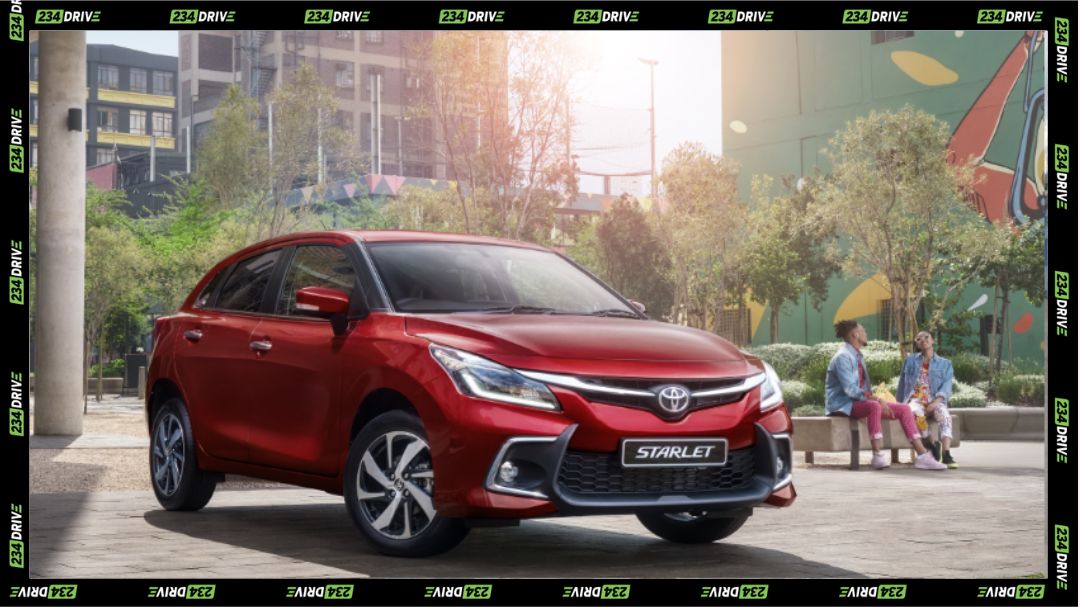
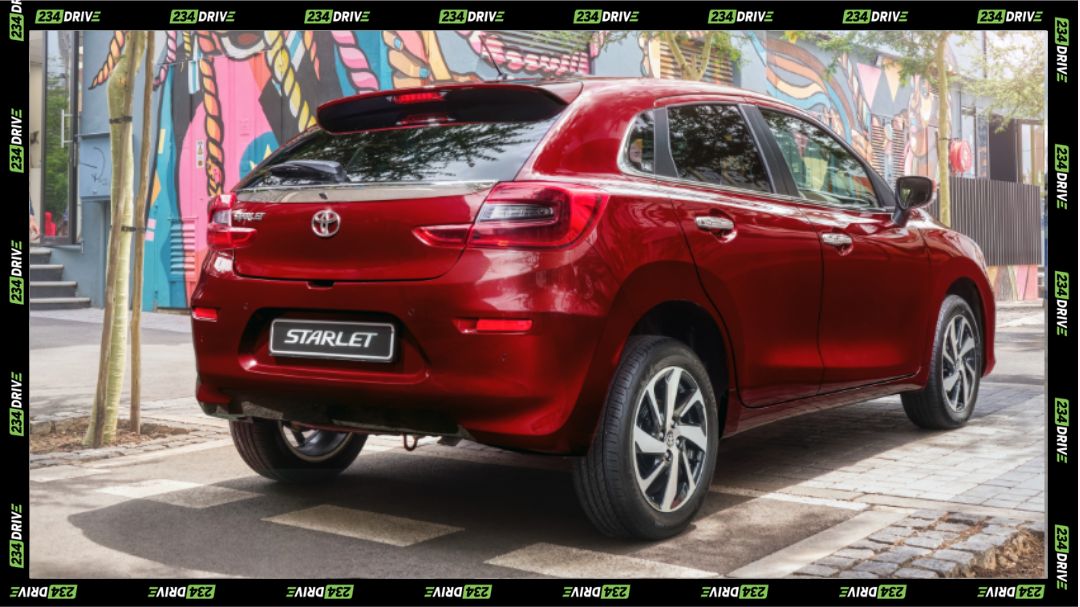
The exterior of the new Starlet, officially relaunched in Kenya in 2020, represents a significant evolutionary leap. As noted in this detailed launch report, the vehicle was reintroduced to bridge the gap between economy and comfort. It features a modern, fluid design language with a bold front grille and sleek LED daytime running lights that align it with Toyota’s global aesthetic. With a ground clearance of 150 mm, it is purposefully built to handle the “sleeping policemen” and occasional uneven tarmac of suburban Kenyan roads. The Deluxe trim adds 16-inch alloy wheels and chrome accents, providing a visual sophistication that bridges the gap between a budget hatchback and a premium crossover.
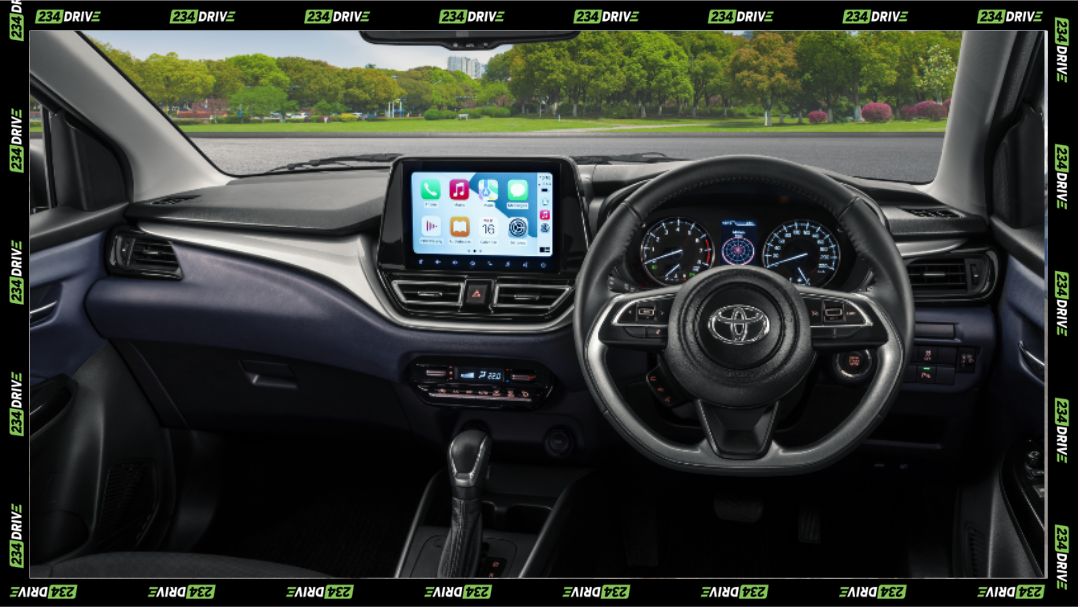
The interior of the modern Starlet is a tech-heavy sanctuary designed for the digital age. The dashboard is anchored by a 9-inch touchscreen infotainment system that supports Apple CarPlay and Android Auto, a critical feature for the young, connected Kenyan demographic. Under the bonnet, the 1.5-litre petrol engine delivers 105 hp and 138 Nm of torque, managed by a choice of a 5-speed manual or a smooth 4-speed automatic transmission. The driving dynamics are tuned for city agility, providing a composed ride that prioritises comfort and fuel economy—owners regularly report figures exceeding 16 km/litre in mixed driving conditions. This modern iteration is currently priced from KSh 2,970,000, reflecting the current entry pricing backed by a comprehensive 3-year or 100,000 km warranty.
Relevance to the Kenyan Driving Environment
The enduring relevance of the Starlet in Kenya is a direct result of its alignment with local infrastructure and economic cycles. Kenya’s road network, while improving, still presents challenges such as deep potholes and frequent flooding during the long rains. The Starlet’s lightweight design and robust suspension allow it to “float” over these imperfections where heavier luxury sedans might suffer expensive rim or tyre damage. Furthermore, the tropicalised cooling systems in the new models ensure that the vehicle thrives in the high-ambient temperatures of the Coast and the North Eastern provinces without the overheating issues that often plague direct grey-market imports from cooler climates.
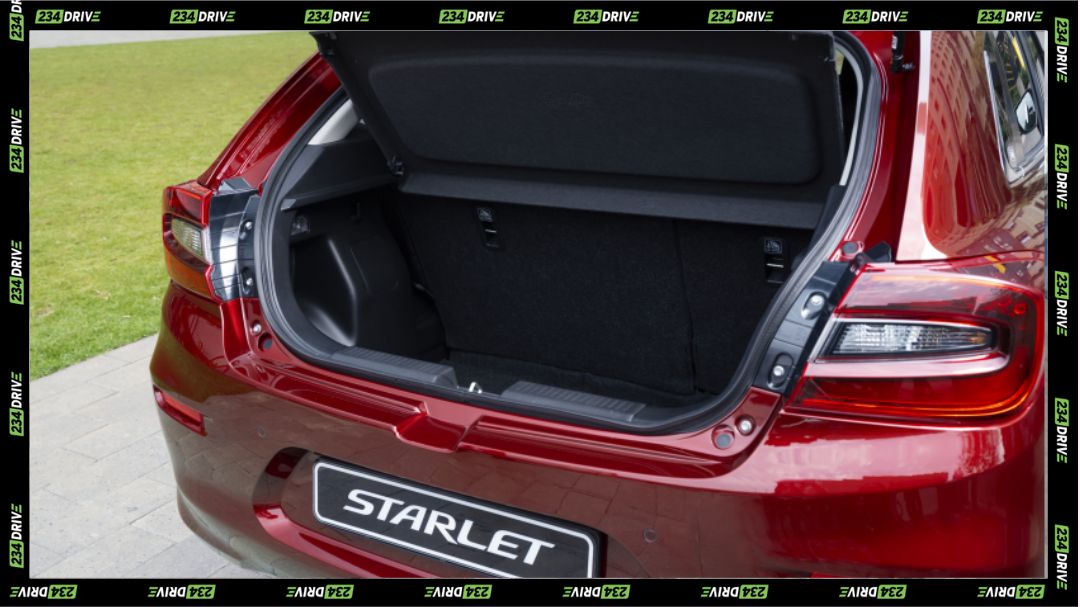
From a lifestyle perspective, the Starlet is the quintessential “multi-tool” for the Kenyan middle class. For the ride-hailing driver in Nairobi, its low fuel consumption is the difference between a profitable day and a loss. For the young family, the 314-litre boot and ISOFIX child seat anchors provide the necessary utility for the “shamba” trips upcountry. The prestige associated with the Toyota badge in Kenya cannot be overstated; owning a Starlet is seen as a prudent financial decision, as the brand’s massive parts ecosystem ensures that maintenance is never a logistical nightmare, regardless of whether one is in Kisumu, Eldoret or Garissa.
Market Positioning and Segment Rivals
In the 2026 competitive landscape, the Toyota Starlet faces stiff opposition from both new entrants and established rivals. In the new-car segment, it competes directly with the Suzuki Fronx and the Kia Sonet. While the Suzuki often shares similar underpinnings, the Toyota Starlet maintains an edge in resale value—a critical factor for Kenyan buyers who view a car as a liquid asset. Compared to European rivals like the Volkswagen Polo, the Starlet offers lower maintenance costs and a more “forgiving” suspension setup for local conditions. While the Polo may offer a more “solid” highway feel, the Starlet’s sheer reliability in the face of poor fuel quality gives it a distinct advantage.
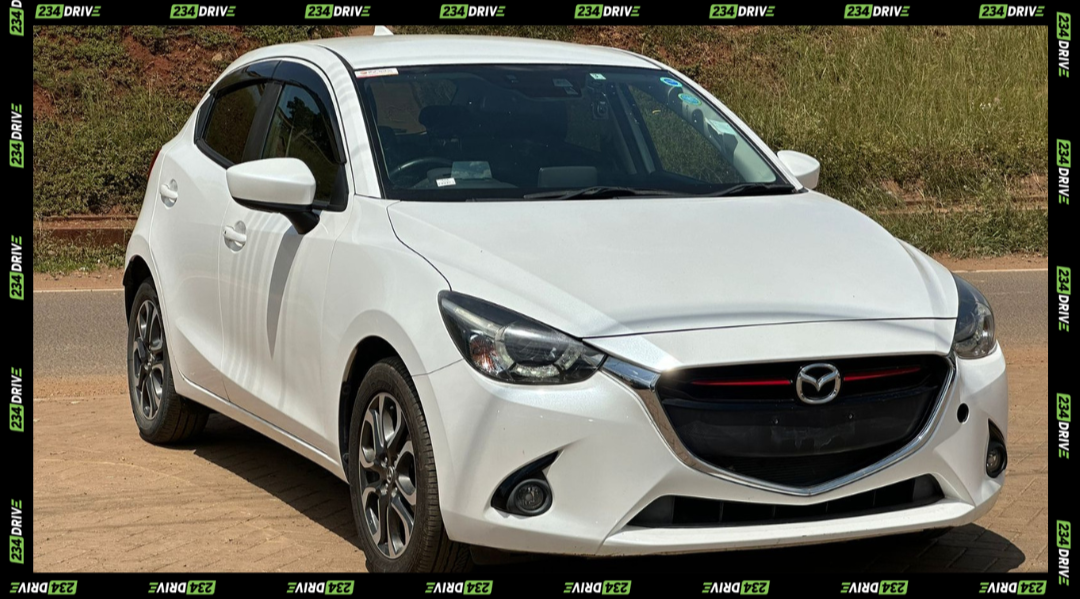
In the used market, the Starlet is virtually peerless in its price bracket. While one might consider an older Nissan March or a Mazda Demio, neither carries the same cultural weight or the “bulletproof” reputation of the Starlet’s 4E engine. The Starlet’s durability ensures that even at twenty years old, it remains a viable daily driver, whereas many of its contemporaries have been relegated to scrap yards. The maintenance reality is that any roadside mechanic in Kenya can service a Starlet with basic tools, a level of accessibility that rivals simply cannot match in the rural interior. This ensures that the Starlet remains the dominant choice for those prioritising total cost of ownership over all else.
The Record of African Mobility
The Toyota Starlet is more than a hatchback; it is a record of Kenya’s journey toward mass mobility. Its transition from a turbocharged JDM pocket-rocket to a refined, tech-integrated city car mirrors the evolution of the Kenyan consumer—moving from raw enthusiasm to sophisticated pragmatism. Its key strengths remain its legendary reliability, its remarkable fuel economy and the peace of mind provided by the CFAO Mobility brands dealer network. As we look toward the future of Kenyan roads, the Starlet appears set to remain a fixture, adapting to new technologies while staying true to its core promise. We invite our readers to share their stories: is the Starlet your first car, your daily workhorse or a cherished classic?