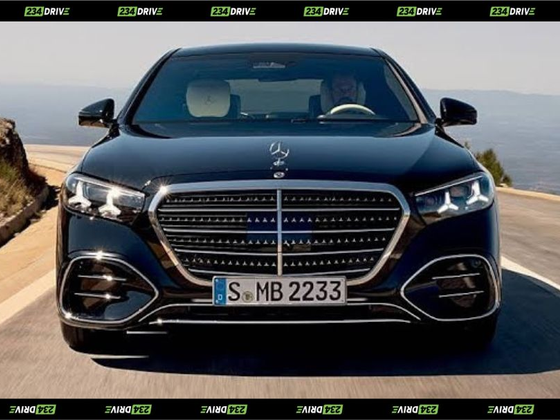

In Nairobi’s bustling central business district, the sound of movement is a constant. But for the city’s urban professionals, visiting expats and the thousands of tourists landing at JKIA annually, the ‘how’ of that movement is shifting. The Kenyan car rental industry—a vital artery in a $300 million mobility sector—is no longer just about getting a vehicle; it is about navigating a complex landscape of infrastructure deficits, safety requirements, and a growing demand for self-determination on the road.
While the ‘safari circuit’ remains a primary driver, the real story lies in the diversification of the market. From long-term corporate leasing in Westlands to rugged 4×4 self-drives destined for the Maasai Mara, the industry is split between the global giants offering brand assurance and the agile local operators who understand that a Kenyan road requires more than just a standard contract.
Reputation is the New Currency
In a market where ‘bad roads’ is too casual a term for the genuine infrastructure challenges of the rural interior, reliability is the only metric that matters. For 234Drive, the analysis is clear: the most successful operators in Kenya are those who have bridged the gap between international procedural standards and local mechanical resilience.
Here is how the top players are currently shaping the record of Kenyan mobility.
1. Avis Kenya: The Institutional Standard
Operating as Simba Vehicle Rental Limited, Avis Kenya is the elder statesman of the industry. With over 55 years on the ground, they represent the ‘safe bet’ for international business travellers and first-time visitors.
- The Strategy: High-end maintenance and a presence at every major transit hub (Nairobi, Mombasa, Kisumu).
- The Reality: While they offer the peace of mind of a global loyalty program, they carry the ‘premium’ price tag to match. They aren’t the cheapest, but they are arguably the most consistent.
2. Europcar Kenya: The Tourist Bridge
Europcar occupies the middle ground, leveraging a massive global network to funnel European and North American travellers into the Kenyan coast and safari loops. Europcar Kenya remains a key source for international-standard operations across the country’s major airports.
- The Strategy: Flexibility and volume. Their digital integration makes them a favorite for those booking via global aggregators.
- The Reality: They provide a standardised experience that works well for urban commutes, though some users note they can lack the ‘bespoke’ touch required for more complex cross-border logistics.
3. Modan Rent A Car: The Local Disruptor
If you want to understand why local players are winning, look at Modan. They have earned a perfect 5.0 rating on TripAdvisor not through marketing spend, but through a radical commitment to “door-to-door” service and affordable pricing that appeals to the budget-conscious traveller.
- The Strategy: Hyper-personalisation. They treat the rental as a service, not a transaction, often delivering vehicles directly to hotels or residences.
- The Reality: Their scale is smaller and focused on Nairobi, but for the repeat visitor or the informed expat, their value-to-quality ratio is currently unmatched.
4. Avenue Car Hire & Leasing: The Corporate Engine
Avenue doesn’t just rent cars; they manage fleets. For the NGO worker in Nanyuki or the expat moving to Nairobi for a three-year stint, Avenue provides long-term corporate leasing options that remove the infrastructure of ownership without the headache.
- The Strategy: Fleet management. Their 300+ vehicle fleet is geared toward institutional reliability, including 24/7 emergency support that actually responds.
- The Reality: They are less a ‘tourist’ firm and more a mobility partner for those who move Kenya for a living.
5. Porto Car Hire Kenya: The 4×4 Specialist
For the traveller who knows that a sedan will not survive a rainy season trip to the north, Porto is the specialist. They have carved a niche in providing safari-ready vehicles at rates that undercut the international franchises.
- The Strategy: Specialisation in rugged mobility. Their drivers and vehicles are prepared for the specific physiological stresses of Kenyan terrain.
- The Reality: It is the ‘democratic’ choice for high-intensity travel—unpretentious and effective.
What This Means for African Mobility
The Kenyan rental market is a microcosm of a larger African truth: international brands provide the framework, but local expertise provides the execution.
For the everyday commuter or the business traveller, the choice between an Avis or a Modan isn’t just about the daily rate (which can swing from $20 for a sedan to $95 for an SUV). It is a calculation of risk. In a country where the NTSA (National Transport and Safety Authority) is tightening oversight and fuel costs are an ever-present variable, the “top” company is whichever one ensures the journey doesn’t end on the shoulder of the road.
As we move toward 2026, expect further digital disruption. Aggregators are making pricing more transparent, and the rise of chauffeur-driven options suggests that even as Africans want more mobility, they are increasingly willing to delegate the stress of the drive to those who know the routes best.
Kenya is in motion, and the car rental industry is the engine room of that progress.