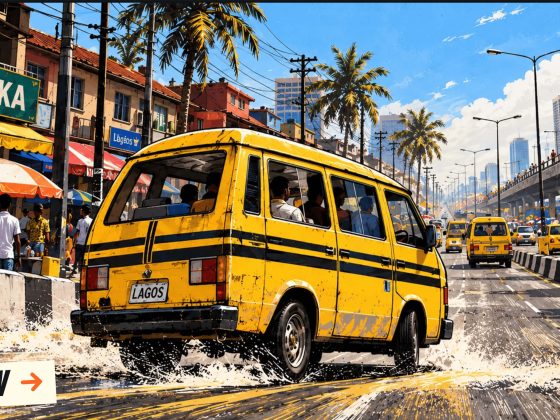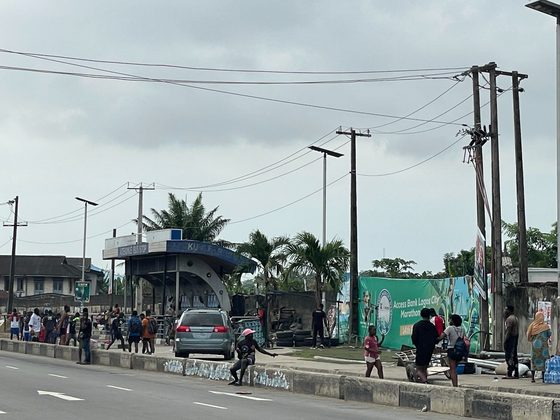

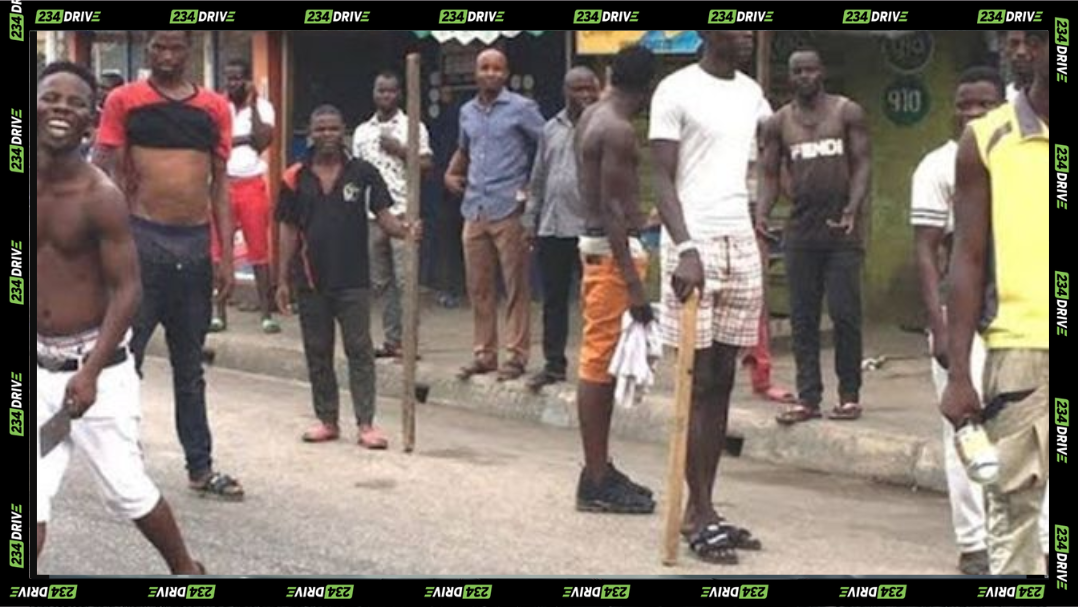
At a red light in Lagos, touts approach vehicles and demand money, turning a routine stop into a pressured situation for drivers and passengers. | Source: TheOjoBoy via X
Lagosians are increasingly speaking up about roadside incidents where drivers are harassed into handing over money on the road. Across areas like Lekki and Oshodi and at major bus stops, the experience follows a pattern: men—or sometimes boys—approach vehicles, knock on windows and ask for cash, which they dub ‘showing love’.
Drivers and passengers say what starts as a request often escalates when they refuse, especially when traffic limits movement. These incidents, now widely shared on social media, are drawing attention not only because some involve public figures but also because many Lagosians say they reflect a daily reality on the road. Now there’s a growing dread that the perpetrators are becoming more daring.
Across Lagos Hotspots, Drivers Keep Reporting The Same Roadside Encounters With Touts
Drivers say these demands often happen during gridlock around routes like Third Mainland Bridge and Oshodi-Apapa, when vehicles have little room to move. When drivers hesitate, the situation can quickly become more intimidating as more of them gather around the vehicle.
Perhaps the most notorious example of this common exchange happened during IShowSpeed’s livestream visit to Lagos in January 2026, part of a tour aimed at showcasing cities across the African continent. In the clip, a roadside demand interrupts the stream as a tout asks him to ‘show love’ before making the demand plainer: ‘show money’. While the exchange did not end in violence, it drew strong reactions, with one comment succinctly dubbing it ‘aggressive begging’.

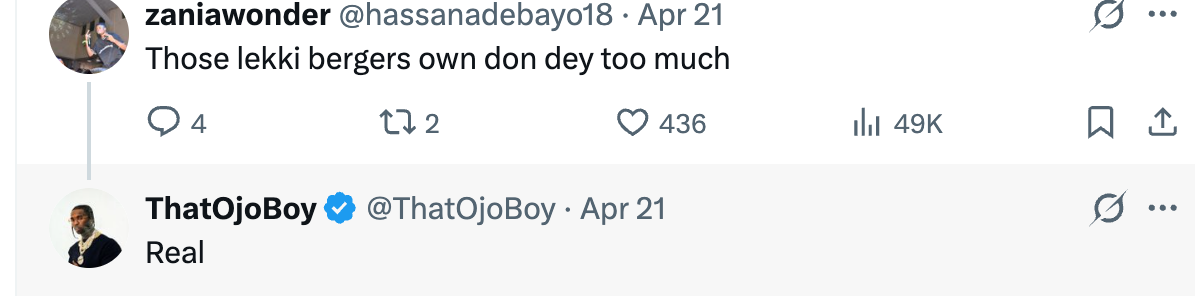
More recently, a post by @ThatOjoBoy involving singer Mavo brought renewed attention. In his case, a man described as an ‘egbon adugbo’, or neighbourhood elder, threw a stone at his car after he refused to pay. Thereafter, Mavo was able to ensure those involved were held by the police. But many Lagosians say that is not always an option. For most people, the safer choice is often to comply or walk away entirely to avoid escalation.

One Lagosian, John, described a similar experience along the return stretch from Third Mainland Bridge to Yaba. “I slowed down to check my tyres on my way home when touts surrounded me and threatened to damage my car if I didn’t pay,” he said. In the end, a 25,000 naira payment had been his only saving grace from the hands of the touts.
Raids And Warnings Continue, But Street-Level Pressure Remains
State authorities have carried out raids in areas like Ajah and Palmgroove with task force operations targeting street touts linked to harassment. Officials have also advised residents not to give in to such demands, stating that payment encourages the behaviour.
However, many Lagosians say enforcement still feels inconsistent. Visible presence at known hotspots remains limited, and response often comes after incidents draw notice.
Residents and observers often point to visibility and accountability as part of the solution. Increased patrols at traffic choke points could reduce how freely these groups operate. Clear reporting channels would allow residents to flag incidents and the individuals responsible without risk.