
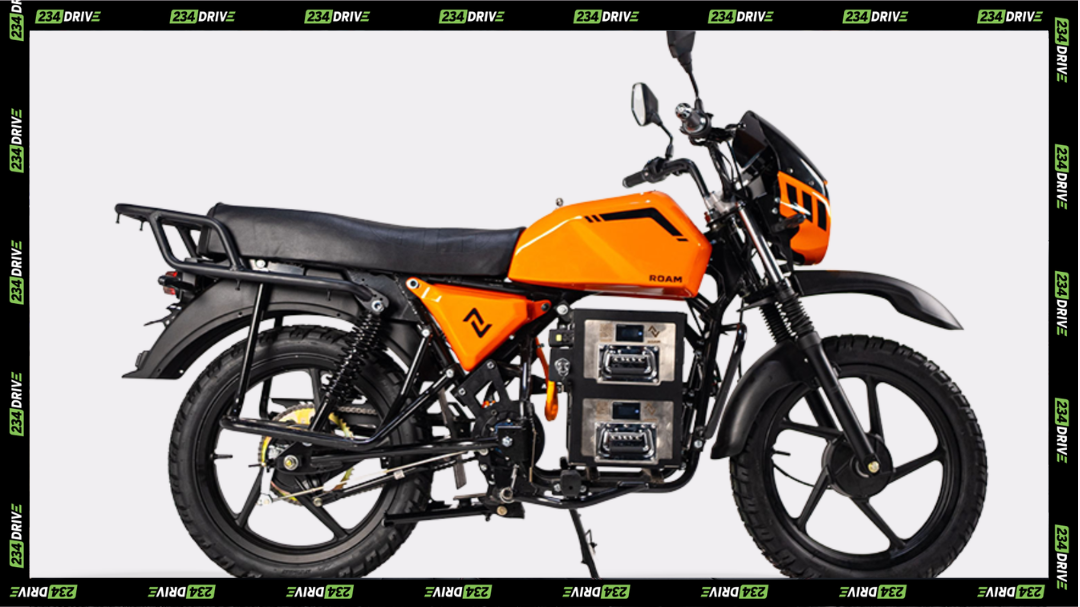
Roam Air bike: Top speed 90 km/h, carries 220 kg, weighs 135 kg. | Source: Roam Electric
More riders in Kenya are turning to electric bikes as fuel prices keep climbing. A Nairobi-based e-motorcycle maker, Roam Electric, has seen demand double as people look for cheaper transport. Motorcycles handle a big part of daily transport in the East African country, but rising petrol and diesel costs are pushing riders to consider electric options that can lower running costs.
Higher Fuel Prices Are Pushing More Kenyans To Switch To E-bikes
Petrol prices in Nairobi, Kenya’s capital, have risen 11% to about 198 Kenyan shillings per litre ($5.75 per gallon) since the U.S.-Iran conflict began. Diesel prices have also gone up 18% to Ksh 196.63 per litre. When prices briefly crossed Ksh 200 per litre, Roam said orders jumped even more. The company now plans to raise output at its Nairobi plant to 600 bikes a month and then reach 1,000 by the end of 2026.
That rise in demand also lines up with the wider market trend. Kenyan-based publication Ethical Business Africa says electric motorcycles made up about 15% of new motorcycle registrations in Kenya in 2025. That is a clear jump from 7.4% in 2024 and 3.6% in 2023. The numbers show that electric bikes are moving further into the market, with more riders starting to treat them as a real option.
Kenya’s e-bike market is also gaining support from public and private players building battery swap networks and expanding lease-to-own plans. These models are noteworthy because they lower the cost of entry and make the bikes easier to use every day.
Africa’s Two-Wheeler Electric Shift Is Gaining Ground
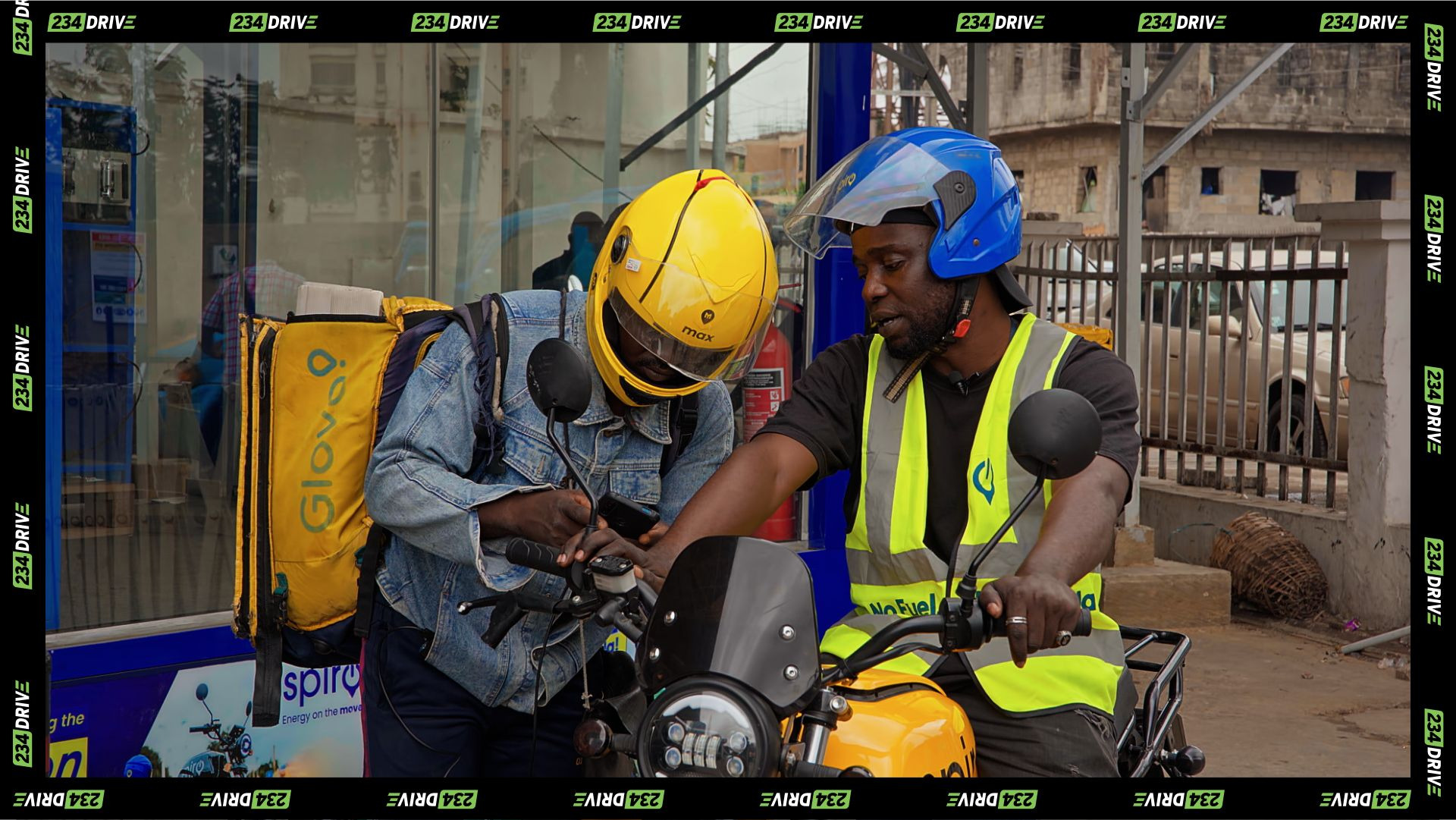
What is happening in Kenya is part of a bigger trend across Africa. Reports say that electric two-wheeler sales across the continent grew by nearly 40% in 2024, with about 9,000 units sold. Companies like Spiro, Roam and Ampersand are among the key players, growing production and battery swap systems across African markets.
Higher fuel prices are helping speed up electric adoption. Better battery technology, wider charging and swap networks with more flexible ownership models are making that easier. Market research also points to further growth, as projections show that Africa’s long-range e-bike market could reach about $14.8 billion in 2031.