
Lagos motorists will soon pay to park on selected streets as the state moves to bring more order to roadside parking and reduce traffic pressure in busy areas.
The Lagos State Parking Authority, LASPA, says the paid on-street parking scheme will begin before the end of 2026, with Ikeja listed among the local government areas for the pilot phase.
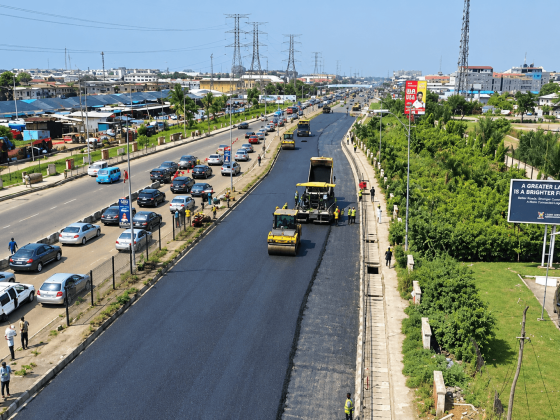
The plan targets designated streets where roadside parking has become a major part of daily traffic disruption. In areas like Ikeja, Lagos Island, Surulere and Apapa, vehicles parked along road edges often reduce available road space, slow movement and add to the city’s traffic problems.
The agency expects local governments and local council development areas to support the rollout, especially as the success of the scheme will depend on cooperation at the community level.
Why Lagos Wants To Regulate Street Parking
LASPA General Manager Adebisi Adelabu announced the plan during a stakeholder engagement visit to Akeem Dauda, Chairman of Ikeja Local Government Area.
According to Adelabu, the visit was part of LASPA’s effort to brief local government leaders on its work, expansion plans and the proposed on-street parking scheme. She said the scheme would help improve parking management, support smoother traffic flow and provide employment opportunities, especially for residents within selected areas.
Adelabu also explained that parking management was previously handled by local governments before the Conference of the 57 Local Government Areas and Local Council Development Areas in Lagos ceded that responsibility to LASPA. With that transfer, the agency now leads parking control and management across the state.
She added that LGAs and LCDAs would benefit from the scheme based on how much they support and collaborate with LASPA during implementation. The agency also said it remains open to suggestions from local governments and other stakeholders as it prepares for rollout.
In his response, Dauda welcomed the initiative and promised Ikeja LGA’s support. He also asked for wider public sensitisation so residents and motorists understand how the scheme will work before official implementation begins.
How Lagos Can Use Street Parking To Improve Road Order
LASPA puts Lagos’ registered vehicles at about 1.2 million. That makes street parking more than a small road issue. When many cars compete for limited space, parked vehicles can quickly add to traffic.
This is why Lagos’ paid street parking plan should not be treated mainly as a revenue programme. In many cities, parking charges are used to maintain road order and keep traffic moving.
For Lagos, the system has to be clear from the road. Drivers should be able to see where parking starts and ends. They should also know how much to pay and what counts as illegal parking. With marked bays, clear signs and simple payment options, the policy has a better chance of reducing parking-related congestion in key areas.
Without that clarity, the scheme may only create more arguments between motorists and enforcement officers.
How Europe And The U.S. Keep Street Parking More Organised
A look at how Europe and the U.S. systems work shows that paid street parking depends on clear rules, not just charges. The drivers in both places are guided by signs, road markings, meters, permits and time limits before enforcement starts.
In many European cities, the system is usually more standardised. Some streets are for residents only, some allow paid parking, some allow short stops and others ban parking completely. Drivers often pay through coins, cards or apps, while charges may change based on the area, time of day or how busy the street is.
In the U.S., street parking is usually more local. Cities or counties decide what works for their own roads under wider state laws. A business district may use meters because many drivers need short access to shops and offices. A residential area may use permits so commuters do not take up spaces meant for people who live there.