
Travel experiences are not always the same, but when African passengers keep raising the same complaints, the pattern is worth looking at.
Many of these complaints point to a wider feeling that some African-facing routes do not always get the same care, comfort or attention as more profitable international routes.
Let’s take a look at these passenger experiences, the routes behind them and what they say about how airlines serve people flying into and out of Africa.
Frequent Flyers Notice the Difference
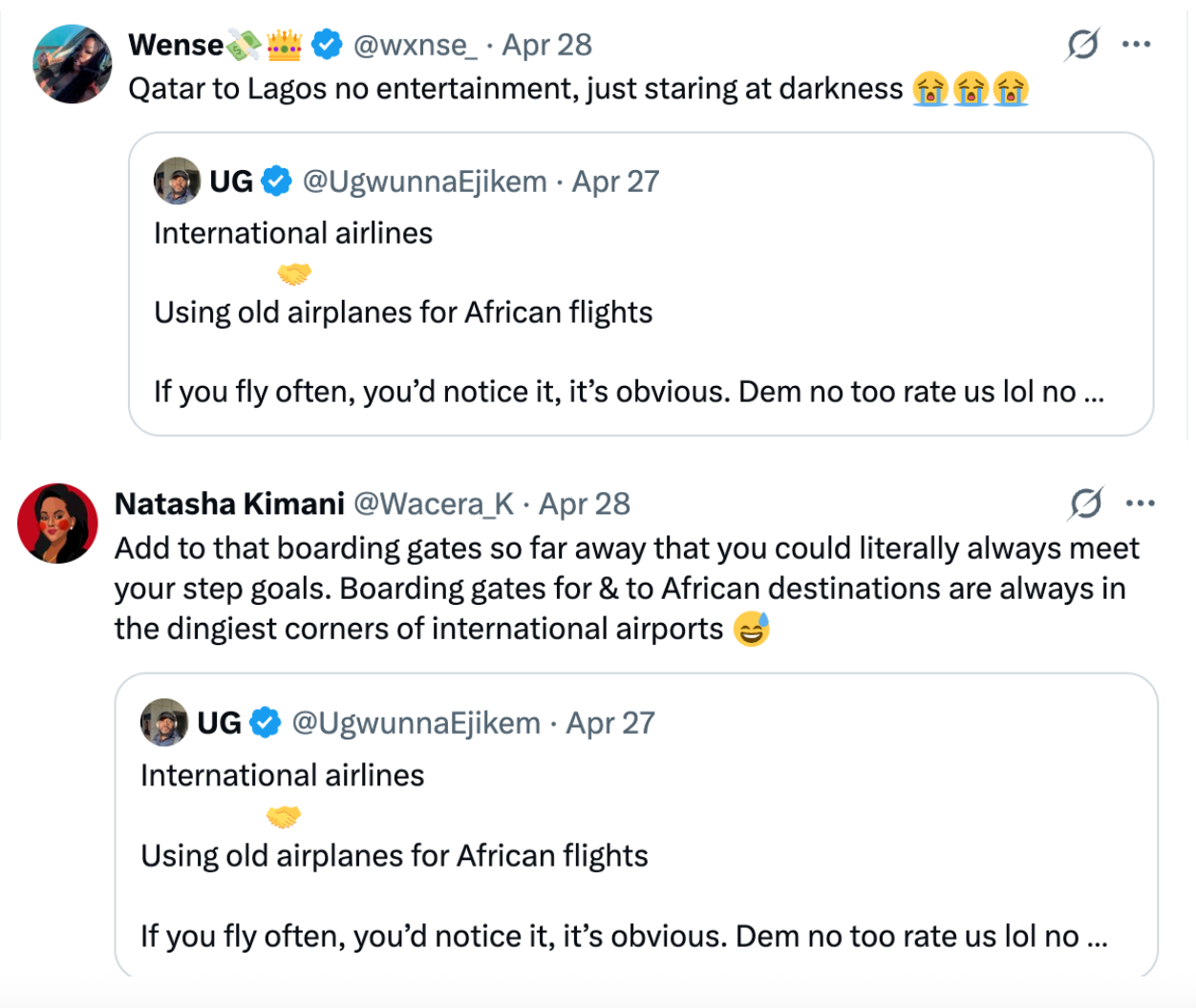
A common complaint is that African-bound flights often feel worse than the flights that connect to Europe, America or parts of Asia.
Morris Monye made a similar point through a post on X, comparing the experience on Emirates’ Lagos–Dubai route with flights from Dubai to destinations like London and the U.S. His post pointed to a clear gap in aircraft quality, working cabin features and the overall passenger experience.
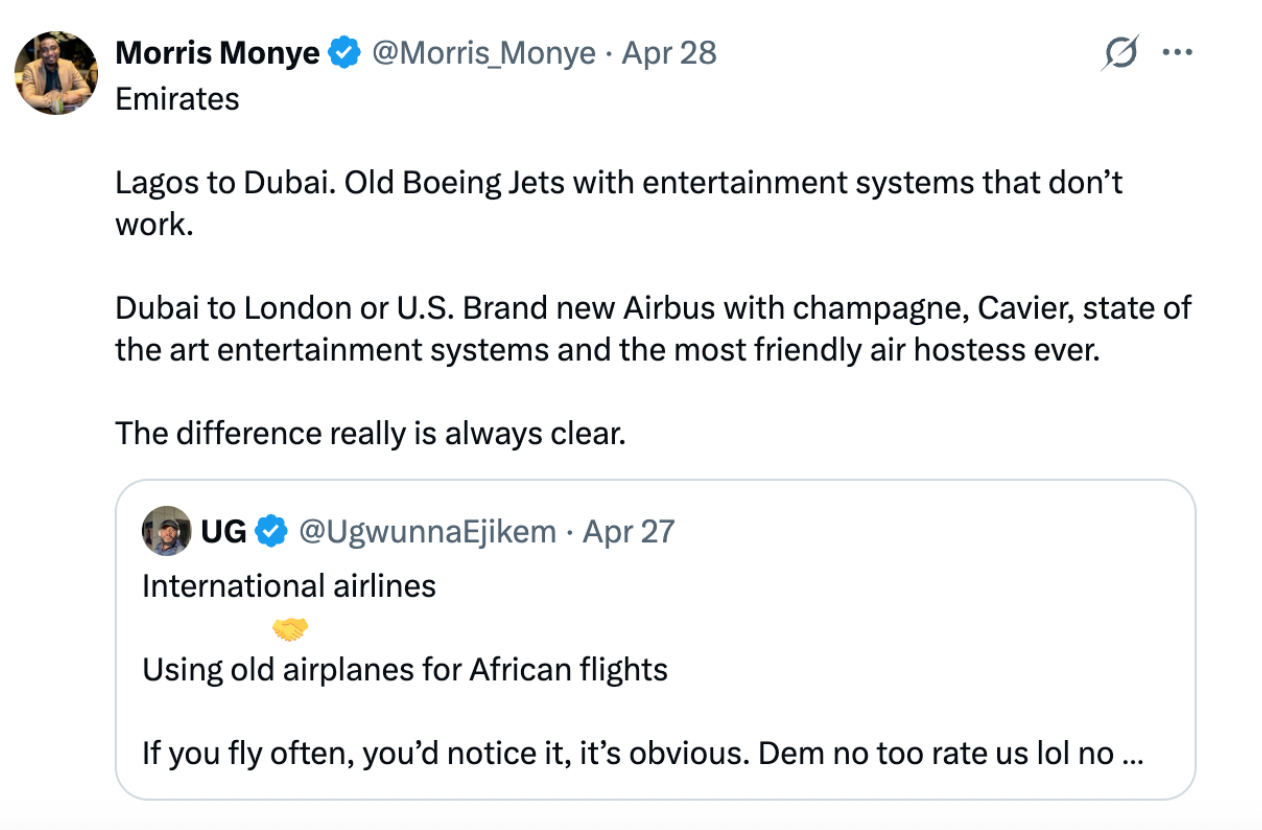
Passengers are saying that the older planes seem to show up more often when the destination is Africa.
If this were only about one airline, passengers could simply avoid that carrier. But the complaints cut across different airlines, routes and hubs. It becomes harder to ignore when the contrast happens within the same journey. A passenger may fly from Lagos to Doha in an older cabin, then board a newer plane from Doha to New York.
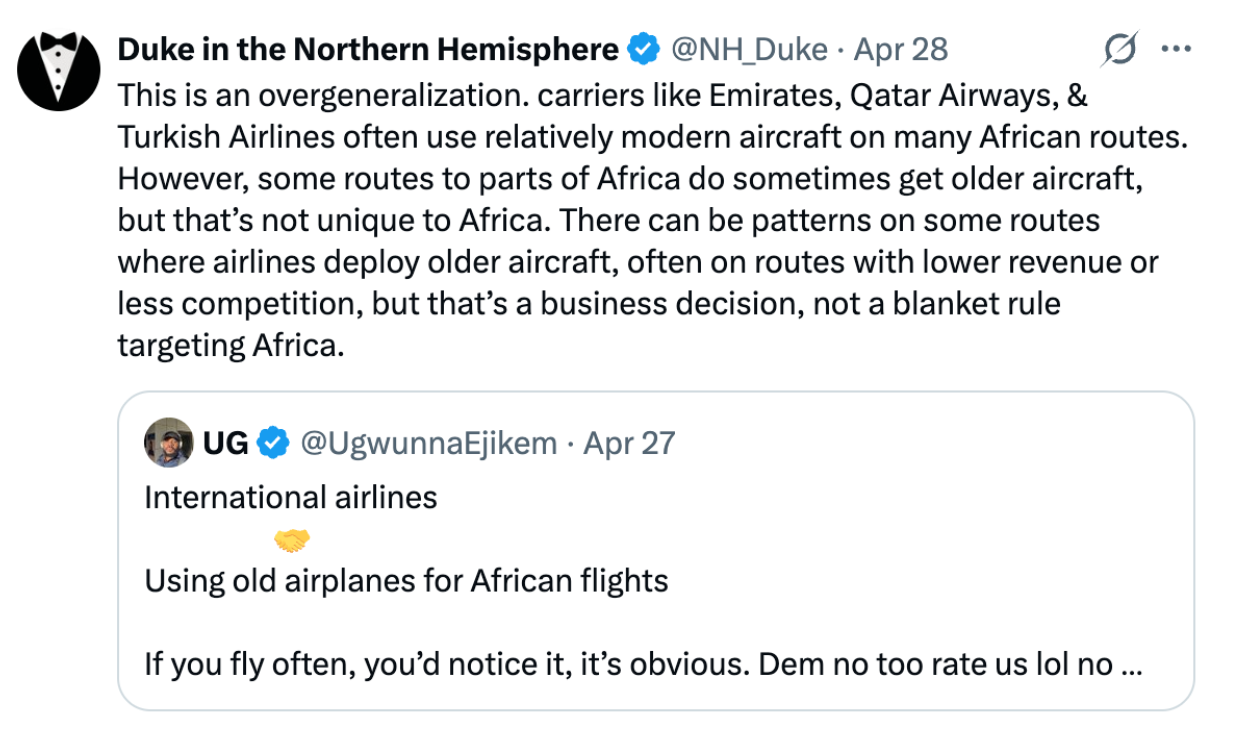
@NH_Duke on X pushed back against the idea that all African routes get poor aircraft. He noted that some major international airlines still use modern planes on many routes into the continent.
But his own advice still points to a route-by-route difference, especially around cabin quality, direction of travel and airport gates.
The Data Makes the Complaint Harder to Dismiss
For a long time, these complaints have been treated as personal experiences or social media jokes. But aviation data suggests there may be a wider trend behind it.
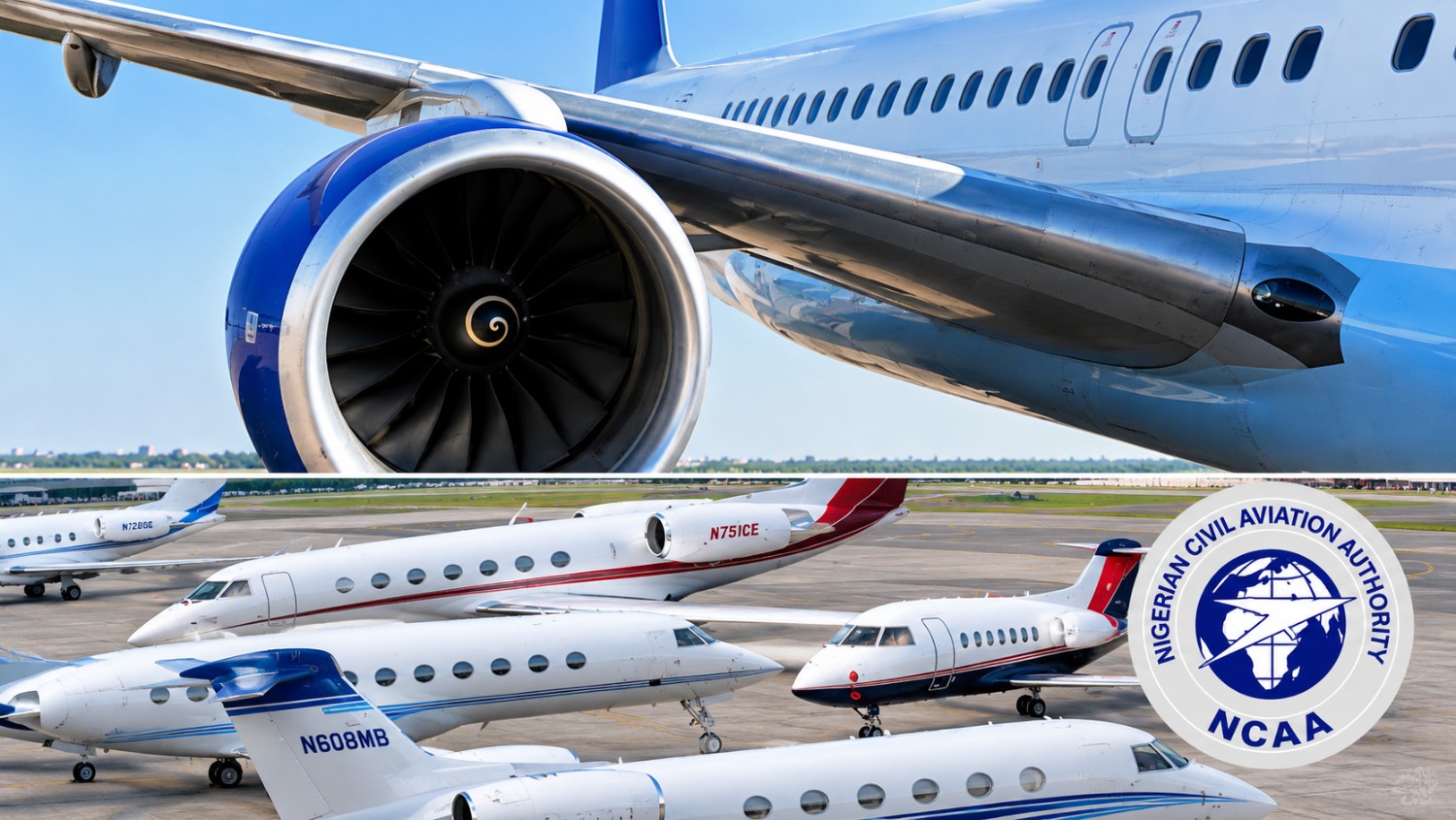
According to the International Air Transport Association (IATA), aircraft used on routes to and within Africa are about five years older than the global fleet average.
This does not prove that every airline deliberately assigns older or less-refreshed aircraft to African routes. But it does show that African routes are often served by older fleets. That gives more weight to what UG wrote on X: ‘International airlines using old airplanes for African flights’. His line, ‘Dem no too rate us’, sums up how many passengers read the situation.

To many passengers, it feels like African routes sit lower on the airline’s priority list.
Airlines May Call It Business, But Passengers See the Optics
Airlines explain this as route economics. Newer aircraft are expensive to buy, maintain and operate. So airlines often place them on routes where they can earn more money from premium tickets, corporate travellers and strong competition. Flights such as Dubai–London, Doha–New York or Istanbul–Frankfurt attract high-yield passengers. They also face strong competition, so airlines want to show their best product.
*Mukasa, a Ugandan aircraft maintenance engineer, buttresses this point:
‘Most times, they will send the lowest value or oldest aircraft they have in the fleet just to continue with the business, but when the passenger numbers go higher, or if you say the payload of cargo is slightly higher, you will occasionally see newer aircraft flying into African destinations. It’s purely route economics, so it depends on the demand in that season.’
*Tola, an engineer who works with a Nigerian airline, also factors in the fuel efficiency of the aircraft. ‘No airline will use an aircraft that costs more fuel if they have a more fuel efficient aircraft available,’ he states.
A business class ticket from Lagos to London can cost as much as ₦15 million (around $10,900), placing it in the same price range as many premium long-haul routes. So when a traveller pays premium fares but gets an older cabin, broken screens or weak service, the issue becomes bigger than aircraft age and more of a question of value.
Tola also notes that an older aircraft is not automatically unsafe. Instead, he emphasises, ‘As long as an aircraft is properly maintained, it’s safe to fly with.’ Mukasa made a similar point, saying airlines cannot legally send an aircraft that is not airworthy to any destination. For passengers, the bigger frustration is often not basic safety but the feeling of paying full fare for a weaker cabin experience.
The Faraway Gates Add to the Problem
The airport experience also shapes how passengers see the whole journey.
In a 2020 Al Jazeera report, African travellers complained about being sent through distant terminals, facing extra checks and using airport spaces that felt less developed than other parts of the same airport. Brussels Airport’s T terminal, often called the ‘Africa Terminal’, was a major example in the report. Some passengers described it as bare, far away and separated from better-equipped terminal areas.
The Star, a South African publication, also reported similar social media complaints from travellers who said flights to Africa were often placed at the back of airports, in areas that felt neglected compared with terminals used for Europe-bound flights.
This is why Natasha Kimani’s post about ‘dingy corners’ felt relatable to many Africa-bound travellers. For some passengers, the gate already shapes the mood of the journey. Before they enter the plane, the boarding area can make the route feel either cared for or pushed aside.
The Bigger Aviation Problem Behind the Passenger Experience
The poor experience some Africa-bound travellers describe also points to wider pressure inside the continent’s aviation market. In 2025, IATA predicted a regional net profit of $0.2 billion in 2026, with a margin of around 1%. That is a small cushion for a market facing some of the highest operating costs in global aviation.
African carriers also deal with high fuel prices from imported jet fuel, smaller route networks, fragmented markets and older fleets. The demand is there, driven by growing cities, business travel, education, tourism and regional trade.
Tola and Mukasa both say fuel prices, airport charges and wider operating costs can affect how airlines serve African routes. Mukasa adds that high airport taxes can affect how often an airline flies into a country.
But high fares, visa barriers and slow progress on open-air agreements still limit growth. The larger problem is capacity: Africa has the movement and market potential, but its aviation system still needs more scale, better cost structures and stronger policy support to serve that demand properly.
What This Means for Airlines and African Travellers
A major turnaround may take time, but some carriers are already giving African routes a better experience. Those airlines are likely to become the go-to options for frequent flyers because passengers notice comfort, reliability and decent service.
Tola believes stronger customer care and a smoother travel experience would help African carriers win trust. Mukasa adds that African airlines need better leadership and punctuality to give passengers a stronger reason to choose them. Delays, cancellations and poor service keep weakening trust, especially when passengers already feel undervalued.
So the issue is not just whether older aircraft are safe. It is whether African passengers are getting the value and respect they paid for, especially when the same global airlines offer a much better experience elsewhere.
*Names were changed to preserve anonymity.