
The latest Transport Fare Watch report showed that the average intercity bus fare rose from N7,901.70 in April 2025 to N9,607.41 in April 2026.
Costs also increased across other transport categories, including intra-city buses, motorcycles, water transport and air travel, adding more pressure on households, businesses and daily commuters.
NBS Report Shows Higher Transport Fares Across Nigeria
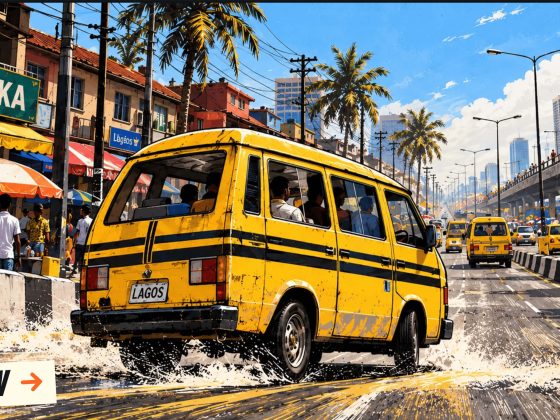
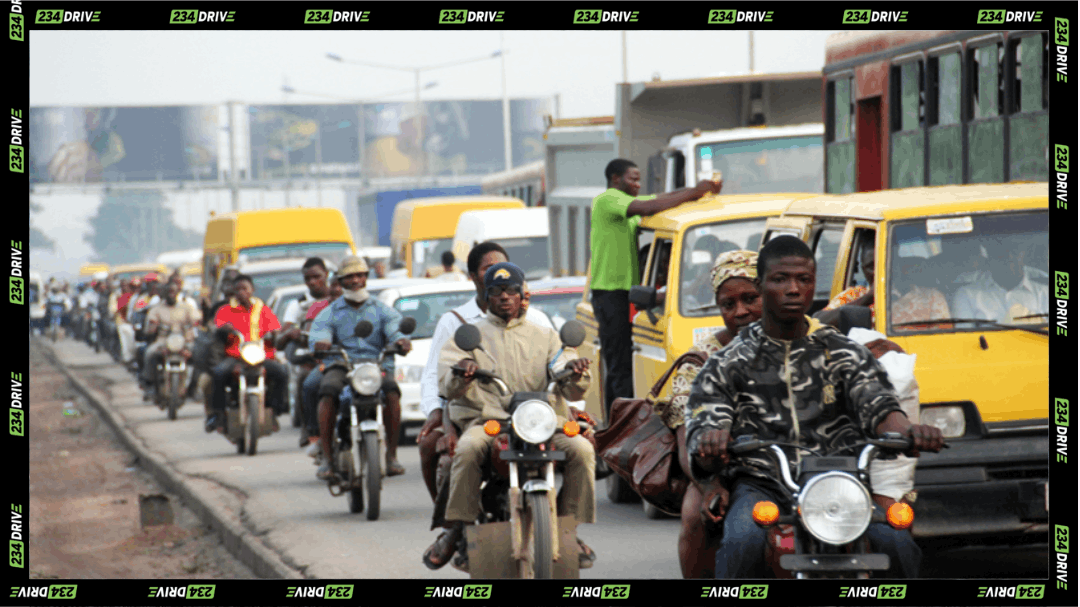
Intra-city bus fares also increased. Commuters paid an average of N1,397.27 per drop in April 2026, up from N999.27 a year earlier, meaning short trips within cities now take a bigger share of daily spending.
Air travel stayed high too. The average fare rose to N157,355.87 in April, compared to N130,243.90 in April 2025. Motorcycle fares climbed to N1,035.69, while water transport rose to N2,222.99.
The higher fares are also likely to affect how some Nigerians plan trips. Travel for work, trade, school or family visits now requires more cost checks. During holidays such as Easter and Eid, some Nigerians now weigh the full cost of travelling, including fares, feeding, gifts and return trips, against simply sending money home.
The report also showed clear differences across states. Abia had the highest average intercity bus fare at N10,998.89, while Kwara had the lowest at N7,900.10.
For trips within cities, Zamfara recorded the highest fare at N1,803.10, followed by Lagos at N1,704.03. Abia had the lowest at N850.98.
Kano recorded the highest average airfare at N183,835.21, while Gombe had the lowest at N135,650.75. Kaduna had the highest motorcycle fare at N1,690.91, while Rivers recorded the highest water transport fare at N6,777.45.
At the regional level, the South-West had the highest average fares for both intra-city and intercity travel, showing the cost pressure in some of the country’s busiest movement corridors.