
More than six million people attended 104 games in the just-concluded FIFA World Cup in 16 different host cities. For a Spanish fan seeking to follow the winning team across eight matches, this meant managing a budget between $4,000 and $14,000, especially with transit costs accounting for an estimated 15% to 35% of those funds. Let’s break down the transportation logistics of the World Cup.
For every World Cup ticket bought, multiple transport systems are put in place to get the fan to their seats. Flights—sometimes multiple- an airport train or taxi, the city subway, a walk through designated pedestrian routes, and the actual match venue before finally landing in their seat. That’s one fan. Now multiply that journey by 6 million.
If every spectator made just four trips on match day—including the journey back to the hotel- that’s roughly 25 million passenger journeys generated by match attendance alone. Many fans travelled between host cities, attended multiple matches, or visited Fan Festivals, creating even more demand across airports, rail networks, buses and roads.
Moving fans was only half the job. Behind the scenes, FIFA completed 6,310 official team transport runs during the tournament. That included 2,321 escorted team bus journeys, over 2,200 equipment van movements, and 270 inter-city transfers by road and air. And fans weren’t just attending matches. More than 7.7 million people also visited FIFA Fan Festivals across the host countries, creating another layer of transport demand beyond the stadiums themselves.
Hosting cities built new transport solutions and renovated existing ones to accommodate millions of visitors. As most stadiums have restricted or eliminated on-site private car parking for the event, host committees built integrated networks to move millions of fans seamlessly. For example, Mexico City, Monterrey, Guadalajara, Toronto, and Philadelphia upgraded their metro lines.
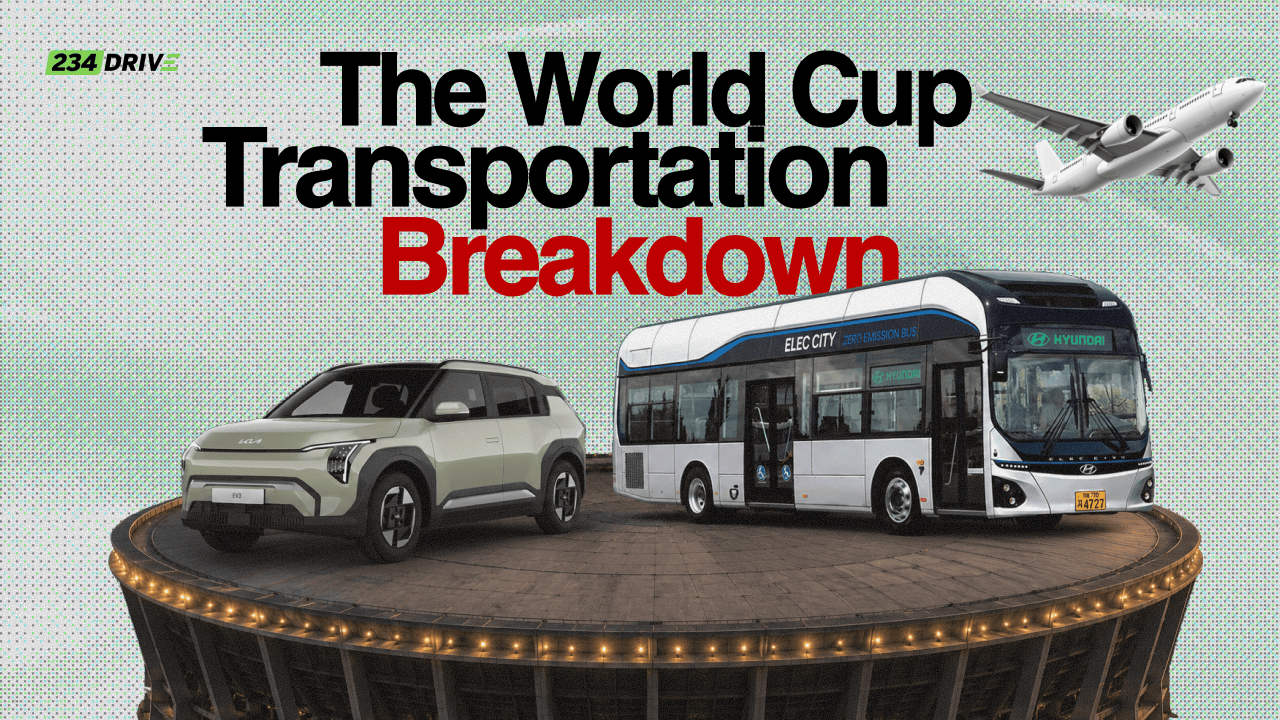
And as the official Mobility Partner, Hyundai deployed 1,500 official vehicles, including 994 passenger vehicles and 506 buses. The fleet is heavily composed of electric and hybrid vehicles to meet FIFA’s sustainability goals. Even more, after the tournament, the automakers inspect, detail, and then sell through the respective dealer networks as low-mileage, certified pre-owned vehicles.
Now that the World Cup is over, it’s worth taking a moment to reflect on some things that were easy to overlook. A train that arrived on time. A bus that kept moving, an airport that never stopped working. Transportation made it possible for football to unite the world.