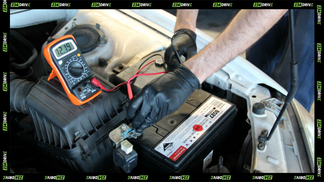

Every year, millions of Nigerian motorists participate in a compulsory, non-negotiable civic ritual of renewing their vehicle’s Roadworthiness Certificate. In Lagos, government agencies like the Vehicle Inspection Service (VIS) and computerised centres under LACVIS subject cars to multi-point diagnostic checks. Inspectors measure suspensions, analyse emission levels, audit brake pads and calibrate alignment. Fail the test or drive past a checkpoint without the updated slip, and you face hefty fines, impoundment or the immediate wrath of enforcement officers.
The underlying rationale sounds reasonable on paper: ensuring that every automobile operating on public asphalt is mechanically safe to prevent crashes and protect human life. But the moment a freshly certified, 100% roadworthy vehicle rolls off the inspection ramp and onto the actual highway, the logic completely collapses.
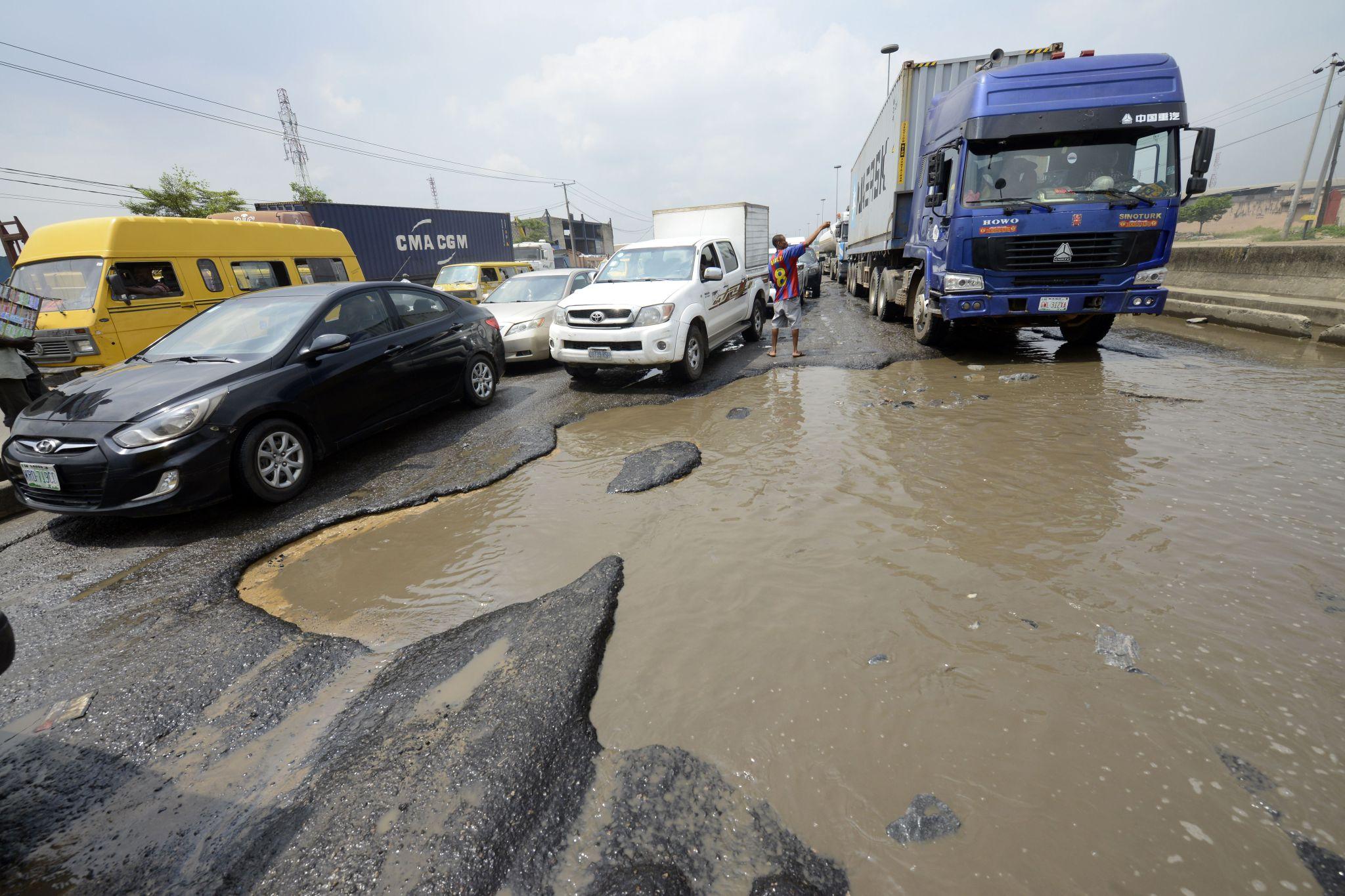
Within five minutes of leaving the testing facility, that same vehicle must navigate crater-sized potholes, sunken manholes, unpaved diversions and flooded asphalt that can snap a control arm in half. It raises an uncomfortable question that every Nigerian driver mutters behind the wheel: if the government demands that our cars be worthy of the road, when will the roads finally become worthy of our cars?
How Bad Infrastructure Ruins Good Cars
The core flaw in Nigeria’s roadworthiness enforcement is that it treats mechanical wear and tear as a purely personal failure of the car owner, rather than an inevitable byproduct of degraded public infrastructure.
A motorist can spend hundreds of thousands of Naira replacing ball joints, tie rod ends, shock absorbers and low-profile tyres to pass inspection. Yet, driving those same brand-new components through daily commutes across deteriorated arteries like the Lagos-Abeokuta Expressway, sections of the Lekki-Epe corridor or neglected inner-city routes in Ikeja and Surulere guarantees structural fatigue within months.
By making roadworthiness a yearly requirement without fixing the surfaces beneath the tyres, the regulatory framework creates a perpetual financial trap for car owners. Frequent impact with deep road craters rapidly wears out bushings, control arms and steering racks, forcing drivers into constant mechanic visits long before standard service intervals. Unpaved patches and jagged asphalt edges directly cause cracked alloy rims, sidewall bulges and premature tread erosion, creating real safety hazards for which inspections penalise drivers. Flooded, poorly drained roads corrode brake callipers, destroy exhaust systems and degrade floorboards, actively causing the very mechanical failures inspectors flag during tests.
In essence, the state forces motorists to pay for a certificate asserting that their car is safe while its poorly maintained roads actively render the car unsafe day after day.
A One-Way Social Contract
Regulatory compliance in any functional society operates on a simple social contract: citizens pay taxes, fees and obey safety guidelines, while the governing authorities provide basic, reliable infrastructure that supports public welfare.
When enforcement agencies harass drivers over an expired roadworthiness tag while operating on roads that lack basic drainage, streetlights, lane markings or smooth paving, the certificate ceases to feel like a safety initiative. Instead, it feels like an arbitrary revenue extraction tool.
If a computerised brake or suspension test deems a vehicle unfit because its shock absorbers have failed but those shock absorbers failed precisely because the state failed to repair a known crater on a major commuter route, who is truly accountable for the defect?
Demanding Car-Worthy Infrastructure
Traffic safety cannot exist in a vacuum. The quality of the surface a vehicle travels on directly affects its mechanical integrity. Expecting motorists to maintain European-standard mechanical compliance on roads that resemble off-road rally tracks is both logically inconsistent and economically oppressive.
If state governments and transit authorities are serious about reducing road accidents and ensuring public safety, they must pair roadworthiness enforcement with equal accountability for road maintenance. Until municipal authorities maintain roads to the same strict standards they impose on car owners, demanding annual roadworthiness certification on broken asphalt will remain one of the most glaring paradoxes on Nigerian roads.”