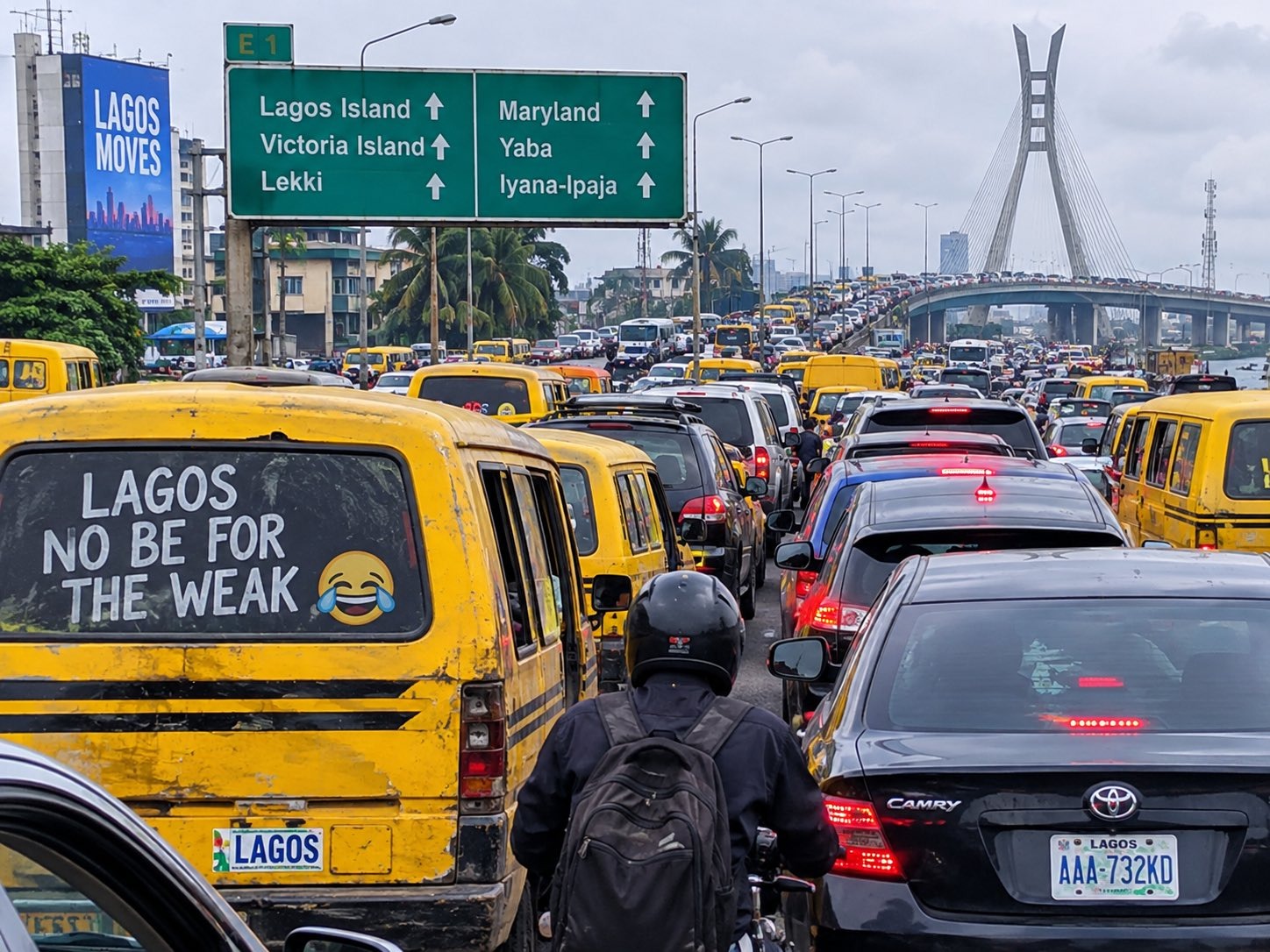
November is barely past its halfway mark, but the collective anxiety across Lagos streets and timeline feeds is already peaking. Every driver and commuter knows the ritual. By the time December rolls in, the city transforms into an unyielding parking lot fueled by concerts, weddings, family visits, diaspora returnees (AKA ijgbs), and massive holiday events.
People are already taking to social media to ask how they are going to survive the incoming seasonal gridlock without functional cross-town rail or walkable streets. They are voicing an engineering and logistical crisis that has loomed over Lagos for decades..
The Seasonal Chokepoint
Living in Lagos means you understand that December is not just a holiday month but also an industrial stress test for our entire transport network. The influx of diaspora visitors, combined with the annual corporate rush to close out budgets, turns every major arterial route into a bottleneck.
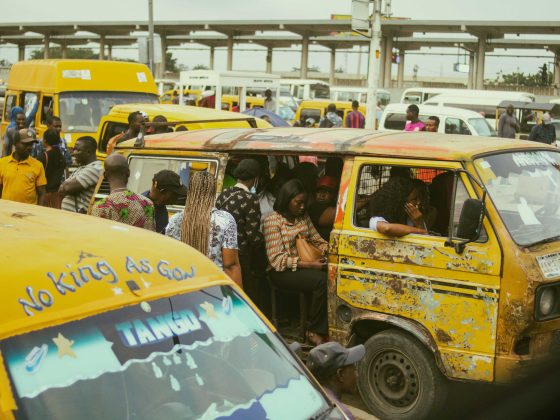
Corridors like the Lekki-Epe expressway, the Ozumba Mbadiwe axis and the mainland approaches to the Third Mainland Bridge experience a complete operational collapse. Ride-hailing surge pricing hits astronomical heights, fuel consumption spikes as vehicles idle for hours in dead standstill traffic, and commercial bus operators hike fares to offset the sheer cost of burned hours. Yet the underlying problem is not just too many cars. It is the total absence of alternative mobility networks designed to absorb peak seasonal pressure.
The Limits of Our Rail Infrastructure
Lagos’s urban rail progress is often measured by milestones such as the operational Blue and Red Lines. Both projects mark important steps forward for mass transit, moving thousands of commuters off the highways each day.
At the same time, when December’s chaos hits, the structural gaps in our rail map become painfully obvious. Neither rail line cuts directly through the high-density entertainment and commercial hubs where seasonal traffic concentrates. If you are trying to move between Victoria Island and Lekki Phase 1 during peak party season, or navigating the mainland gridlock around Ikeja and Computer Village during holiday shopping sprints, rail does not offer a viable detour. The system lacks the localised feeder integration and multi-directional coverage required to pull cars off the road during a massive seasonal surge.
A City Hostile to Feet
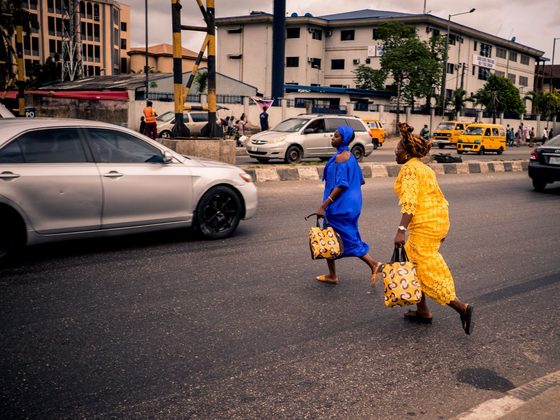
Compounding the traffic nightmare is the physical layout of the city itself. Lagos is fundamentally hostile to pedestrians. Walkable areas are practically nonexistent across major commercial districts. Sidewalks are either missing, blocked by street traders, taken over by mechanics or swallowed by highway expansions designed exclusively for motorised vehicles.
When traffic locks down for hours on end, you cannot simply park your car and walk three kilometres to your destination safely. The lack of pedestrian infrastructure forces every single person onto four wheels or into commercial buses and tricycles. You are locked inside the transport grid with zero escape routes.
The Real Cost of December Gridlock
This annual transport crunch exposes a dangerous truth about urban planning in Nigeria’s commercial capital. We have built an economy that relies entirely on road transport while failing to invest in the multi-modal redundancies needed to keep the city moving under pressure.
When December arrives and the gridlock bites hardest, it is not just an inconvenience. It drains billions of Naira in lost productivity, burns through millions of litres of scarce fuel and tests the mental health of millions of residents. Until Lagos builds a transit network that gives commuters real alternatives to the highway, linking robust rail lines with truly walkable urban spaces, every December will remain an annual exercise in automotive gridlock and shared frustration.