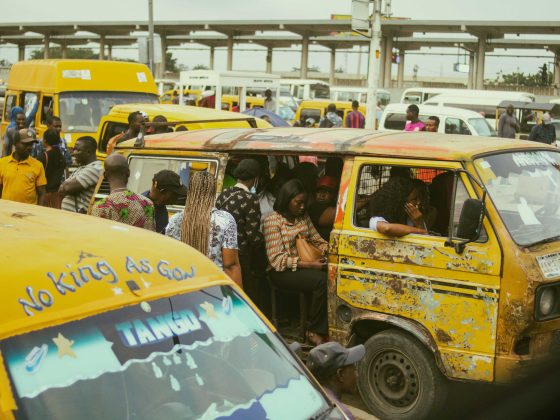


There are few things as familiar to a regular Lagos commuter as the experience of squeezing themselves into a danfo bus. You find a space, adjust your body to accommodate the person beside you, make room for another passenger and settle in for the journey. Depending on the condition of the vehicle, you might spend the next 30 minutes sitting on a narrow wooden plank supported by a metal frame, with little separating your body from the hard surfaces around you.
Many passengers have come to accept this arrangement. Some have become so accustomed to it that they barely question why a commercial vehicle carrying people through one of Africa’s busiest cities has the kind of seating that would look more appropriate in a makeshift workshop than a passenger cabin.
But why are wooden benches still the standard in so many of these buses? More importantly, what happens when a vehicle designed with conventional passenger seats is modified to carry considerably more people, often without the safety equipment that should accompany those additional seats?
Our recent video on public transport seating in Nigeria puts these questions in sharper focus. We argue that the wooden seats found in many danfo buses were not part of the vehicles’ original design. They were installed after the buses arrived in Nigeria, largely to increase passenger capacity and adapt the vehicles for commercial use. The distinction matters because it shifts the debate beyond comfort to the more consequential question of how public transport vehicles are modified and approved for commercial use.
How Factory Vans Become 16-Seater Death Traps
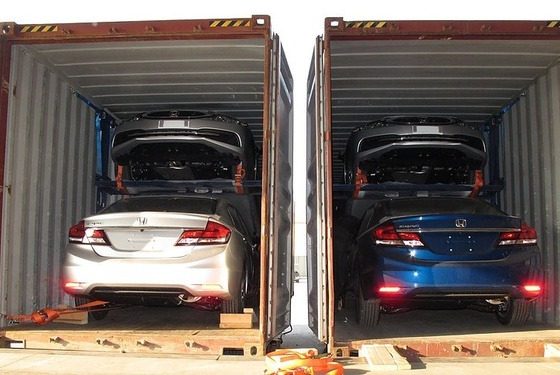
To understand why these buses can be so dangerous, it is necessary to look at how they were built before they reached Nigerian ports. The classic danfo platform, most notably the Volkswagen Vanagon and Transporter series, was not designed to carry 16 passengers in tightly packed rows. In its original form, the van was built for a much smaller passenger load and a very different standard of safety.
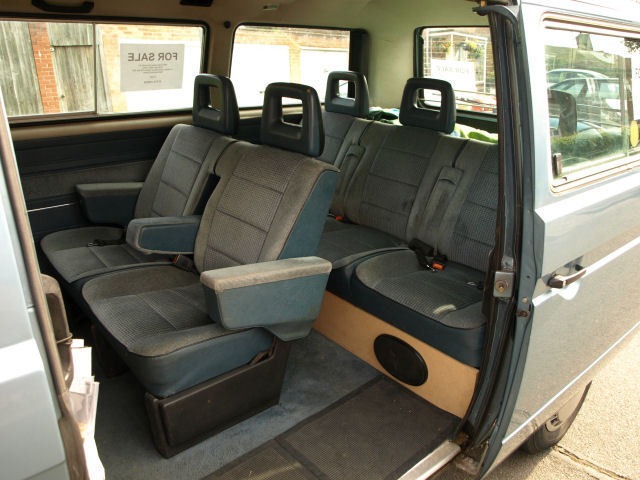
A standard passenger configuration left the European factory with capacity for no more than nine occupants. It typically had two padded front seats and a cushioned rear bench with integrated seatbelts. The contrast remains visible in many danfos on Lagos roads today, where the driver often sits on an original factory seat while passengers behind them are left on bare wooden planks.
That interior is usually altered soon after the vehicles clear customs at Tin Can Island or Apapa. Commercial fleet owners and drivers hand the imported vans to roadside welders and fabricators, who remove the original fittings and install rigid angle-iron frames directly onto the floor. They fix rough-sawn wooden planks over the frames, allowing a cabin designed for fewer than ten occupants to carry 16 paying passengers while sacrificing much of its original cushioning and crash protection.
A 1950s Hack Surviving in 2026
Wooden seating in Nigerian public transport is not a modern invention; it is a relic of mid-century improvisation that refused to die. During the 1950s and 1960s, when the iconic bolekaja wooden-bodied lorries dominated regional passenger transport, carpenters built passenger cabins out of timber bolted onto truck chassis. At the time, purpose-built mass transit buses were scarce, upholstery workshops were few and commuters accepted wooden benches because no practical alternative existed.
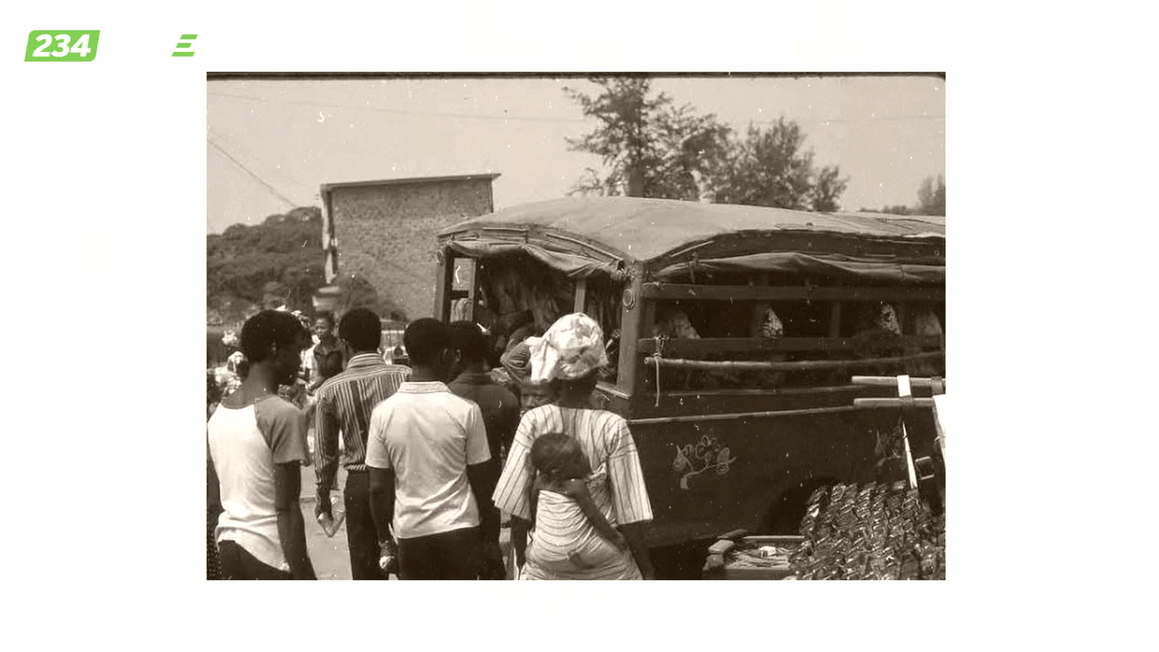
More than six decades later, that excuse no longer holds water. Lagos has skilled automotive upholsterers, foam manufacturers and interior fabricators capable of producing properly cushioned seating at commercial scale. Yet bus owners and transport unions still choose bare wood and raw metal because the materials are cheap and require little maintenance, even when passengers carry heavy market loads, wet goods or sharp tools.
Five Ways the Pako Bench Harms Commuters Daily
The danger of riding on a wooden bench goes far beyond the statistical probability of a major highway crash. Commuters suffer physical and financial damage every time they step inside these cabins.
- Lacerations and Tetanus Exposure: Rushing to board or alight from a moving danfo at busy stops like Ojota or Yaba regularly puts passengers in violent contact with exposed, jagged and rusted metal seat frames. A deep scrape against oxidised iron on a damp morning is more than a minor bruise; open skin wounds exposed to dirty commercial bus interiors carry a direct, life-threatening risk of tetanus infection.
- Ruined Clothing and Lost Wages: Anyone who commutes daily in Lagos knows the sharp, sickening sound of tearing fabric. Snagged nails, splinters from unplaned wood, and protruding metal edges routinely rip trousers, skirts, and starched office shirts. For working-class commuters, a single bus ride can destroy an outfit and force an expensive, delayed detour home before the workday even begins.
- Sudden-Braking Impact Trauma: Commercial bus drivers across Lagos operate under intense financial pressure to beat traffic and meet daily revenue targets, leading to erratic acceleration and violent, last-second braking. Without cushioned seatbacks to absorb kinetic energy, a sudden stop throws passengers into hard wooden planks and steel bars, causing injuries that can range from bruising to spinal trauma.
- Catastrophic Collision Vulnerability: When a high-speed impact occurs, a standard factory interior acts as a protective cocoon through padded surfaces and energy-absorbing materials. Inside a modified danfo, the cabin is stripped down to bare sheet metal and rigid wooden benches. Without seatbelts or padding, a severe collision can turn the interior into a lethal trap, greatly increasing the risk of major trauma.
- Zero Friction and Ejection Risks: Polished wood offers virtually no surface friction, particularly when passengers wear smooth synthetic fabrics or traditional attire. When a driver swerves aggressively around potholes or takes a sharp corner at speed, passengers slide uncontrollably across the bench. Those seated near sliding doors—many of which are faulty or missing altogether—face the terrifying risk of being thrown straight onto the road.
The Broader Failure of Roadworthiness Enforcement
The persistence of these hazardous modifications points directly to a systemic breakdown in regulatory oversight. Agencies tasked with enforcing vehicle standards, chief among them the Lagos State Vehicle Inspection Service (VIS) and the Federal Road Safety Corps (FRSC), are legally mandated to inspect commercial vehicles and pull unroadworthy units off public highways.
In practice, however, enforcement stops short of the passenger cabin. Commercial buses with missing side mirrors, worn brake pads, bald tyres, non-functional horns, and bare wooden seating pass through major intersections every day without consequence. This regulatory blind spot unfolds against a sobering national backdrop: according to Federal Road Safety Corps data for the first nine months of 2026, road traffic crashes have already claimed 3,445 lives across Nigeria, with commercial vehicles accounting for a massive share of national crash casualties. Meanwhile, United Nations 2026 demographic estimates place Nigeria’s life expectancy at birth at roughly 55 years, the lowest globally, driven in part by preventable occupational hazards and road traffic injuries.
Why Half-Measures Will Not Fix the Problem
Simply stapling a thin layer of vinyl or synthetic leather over existing wooden planks, a shortcut already visible in some slightly upgraded Lagos buses, does nothing to protect human bodies. The exact same unyielding hardwood board and sharp steel frame remain beneath that cosmetic covering. In a collision, thin upholstery compresses in milliseconds, leaving passengers to absorb the full force of the impact against solid timber.
Real reform requires enforcing strict structural standards across commercial fleets. Properly engineered bus seating requires adequate foam padding, contoured frames, secure floor bolting and functional seatbelts for every passenger position. That standard will require transport unions and fleet owners to treat passenger safety as a basic operating cost, while state transport ministries and inspection agencies make cabin safety a condition for issuing roadworthiness certificates.
Until authorities scrutinise the inside of a commercial bus as closely as its engine and licence plate, millions of Nigerians will keep paying daily fares and risking their health on wooden planks.