
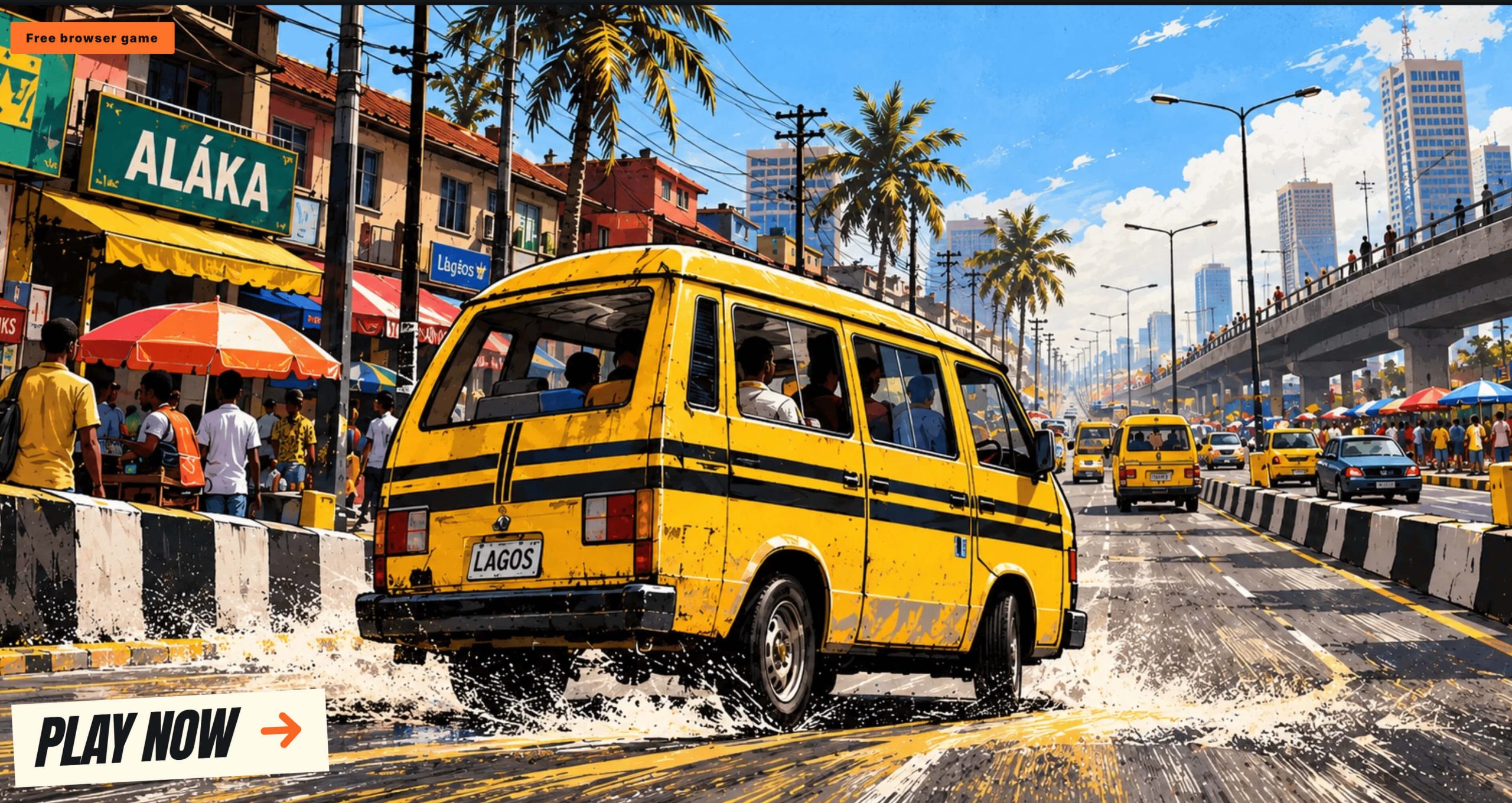
In the span of just five days, over 90,000 players took the wheel of a virtual yellow and black bus in Danfo Run, turning an indie browser game into Nigerian Twitter’s biggest online obsession. What began as a solo side project built during late nights and weekends by frontend engineer Opeyemi Adeniran rapidly transformed into a viral cultural moment, sparking leaderboard feuds and proving that authentic local experiences have massive digital potential.
The premise is not novel, as Nigerian developers have been trying to turn the danfo into a game since feature phones were the only hardware available to build on, from Gamsole’s Gidi Run launched in 2016, which found over 100,000 paying subscribers through an MTN partnership, to ChopUp’s Danfo and Danfo Reloaded, which drew more than half a million players in 2015, doing essentially what Opeyemi has now done. None of those earlier titles travelled this far, and the difference isn’t the premise, but the friction. The earlier games had barriers to entry, downloads, app store accounts, or hardware that many Nigerians had outgrown. Danfo Run removes those obstacles entirely: open the link, tap and play.
Game creator Opeyemi unpacked the story behind the breakout hit, the nuance of building Lagos transit mechanics from afar, and what it means to turn street chaos into playable art.
Inspired by Ojuelegba
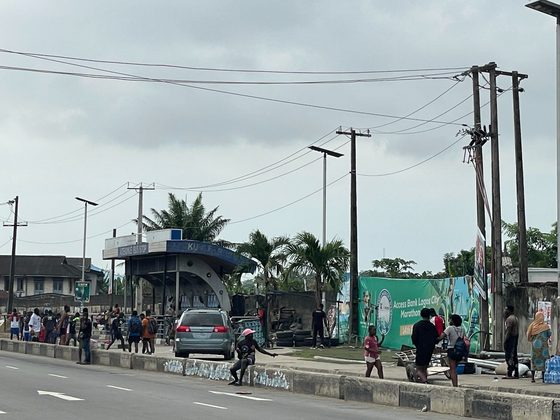
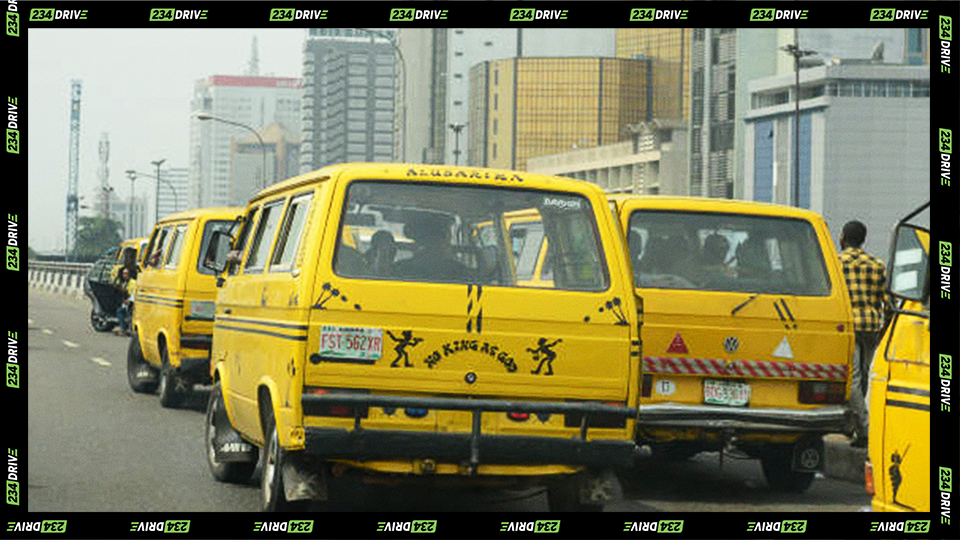
To build an authentic simulation of Lagos transit, you have to understand that a danfo is defined as much by its noise as its yellow and black paint. Growing up in Ojuelegba, one of the city’s most intense transit intersections, Opeyemi had front-row seats to the mechanics of the road.
‘I grew up around Ojuelegba, and danfo is the sound of that place, the conductor at the door shouting the route, the driver who stops for nobody,’ Opeyemi tells 234Drive. ‘Everyone in Lagos has a danfo story, so it felt like the most Lagos thing I could build.’
That attention to the city’s soundscape is precisely why Danfo Run struck a nerve. Instead of focusing solely on driving mechanics, the game prioritises environmental immersion, most notably through its in-game radio.
‘A danfo never drives in silence, and the radio is half the ride,’ Opeyemi explains. ‘I wanted players to feel like they’re inside the bus, not just watching it.’
Distance Brings Lagos into Focus
Coding a Lagos transit simulator from 5,000 kilometres away in Germany might seem counterintuitive, but the distance became a unique design filter. Working around a full-time engineering schedule, Opeyemi spent weeks building and refining the prototype along the Ojuelegba-Yaba route. Far from fading his memories of the city, living in Berlin sharpened the specific details that make Lagos unique.
‘Distance makes you remember what makes Lagos Lagos: the sound, the humour, the hustle,’ Opeyemi reflects. ‘And players keep me honest. They tell me straight away when something isn’t right.’
That continuous feedback loop between developer and player transformed the game into an accessible entry point for anyone wanting to experience the city’s kinetic energy. As Opeyemi puts it: ‘The energy, a bit of chaos, a lot of humour and the pride of surviving it. If you finish a run laughing and want one more, you’ve felt Lagos.’
Expanding the Virtual Transit Network
The rapid rise of Danfo Run represents more than just a viral hit and has energised the local indie game scene, inspiring other Nigerian creators to build games rooted in local culture. It has also caught the eye of major local consumer brands. Food delivery giant Chowdeck recently collaborated with Opeyemi, blending Nigeria’s real-world Lagos street logistics culture with its newest virtual obsession.
‘It’s been amazing to watch,’ Opeyemi says. ‘If Danfo Run showed people they can build something rooted in home and find an audience, that’s a win for all of us. I hope we see many more.’
The game’s success has brought renewed attention to a homegrown development tradition that stretches back decades. Nigerian developers have been building danfo games since feature phones needed Java just to run anything. The idea was never the missing piece. What was missing was a version frictionless enough, and specific enough, to actually travel. Whether Danfo Run turns into a studio, expands into official brand partnerships like its recent collaboration with Chowdeck, or stays exactly what it is, Opeyemi’s already done the hard part. He got 90,000+ strangers to care about a bus route.
As the game continues to gather momentum, the virtual roadmap is expanding. Updates have already integrated Lagos Island, with future releases set to bring vocal conductor calls for every bus stop along the way.
Danfo Run proves that our transit culture is not something to survive or endure. It is a rich, dynamic narrative that reflects the spirit of the city itself. As long as there are roads to navigate and leaderboards to conquer, Nigerians will keep finding ways to take the wheel.