Imagine a Nigeria where a train connection lets people conveniently and affordably live in one town and work in another, with a timetable that fits the working day and a fare that fits the wage.
Before I started my engineering career, I sometimes romanticised the idea of living in my family home in Ibadan and taking the train to work in Lagos, having heard how modern and comfortable the trains were. Then I looked at the timetable and the fare, which was ₦2,600 for economy class at the time (₦3,600 now), and the maths quickly fell apart. An entry-level salary could not carry that fare twice a day, and my job ran from 8am to 5pm, which no one could manage on a train that reached Lagos around 10:30am and left again at 4pm.
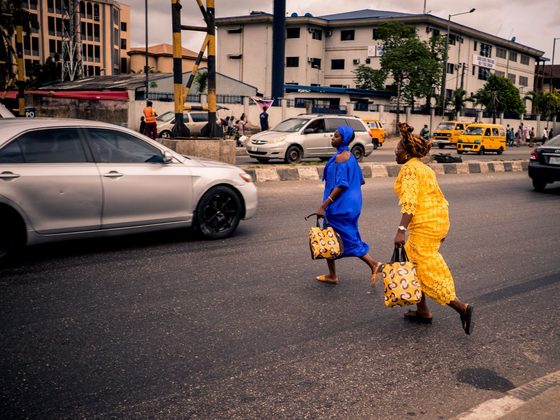
Many do make that kind of journey, only not by rail. Thousands of workers live in Ogun border towns such as Sango and Ifo and travel into Lagos every day, by bus and shared car, on roads that can turn the journey home into ‘a second shift at work’. Governor Sanwo-Olu has said the Red Line rail could carry up to 500,000 passengers a day at full capacity and that discussions on extending it into Ogun are ongoing, but for now, those commuters are still left to the gruellingly packed roads.
In Germany, where I have lived for just over a year and ride the regional trains regularly, the commute I once imagined for myself is the everyday reality for many residents. Germany is a big country made up of numerous small cities. The industrial powerhouse of Europe has over 2,100 small towns (Kleinstädte) of between 5,000 and 20,000 people, about 600 medium cities (Mittelstädte) of up to 100,000, and only past 100,000 does a city count as big (Großstadt). These facts still confound me, because back home, I would have called a city small if it had fewer than a million residents.
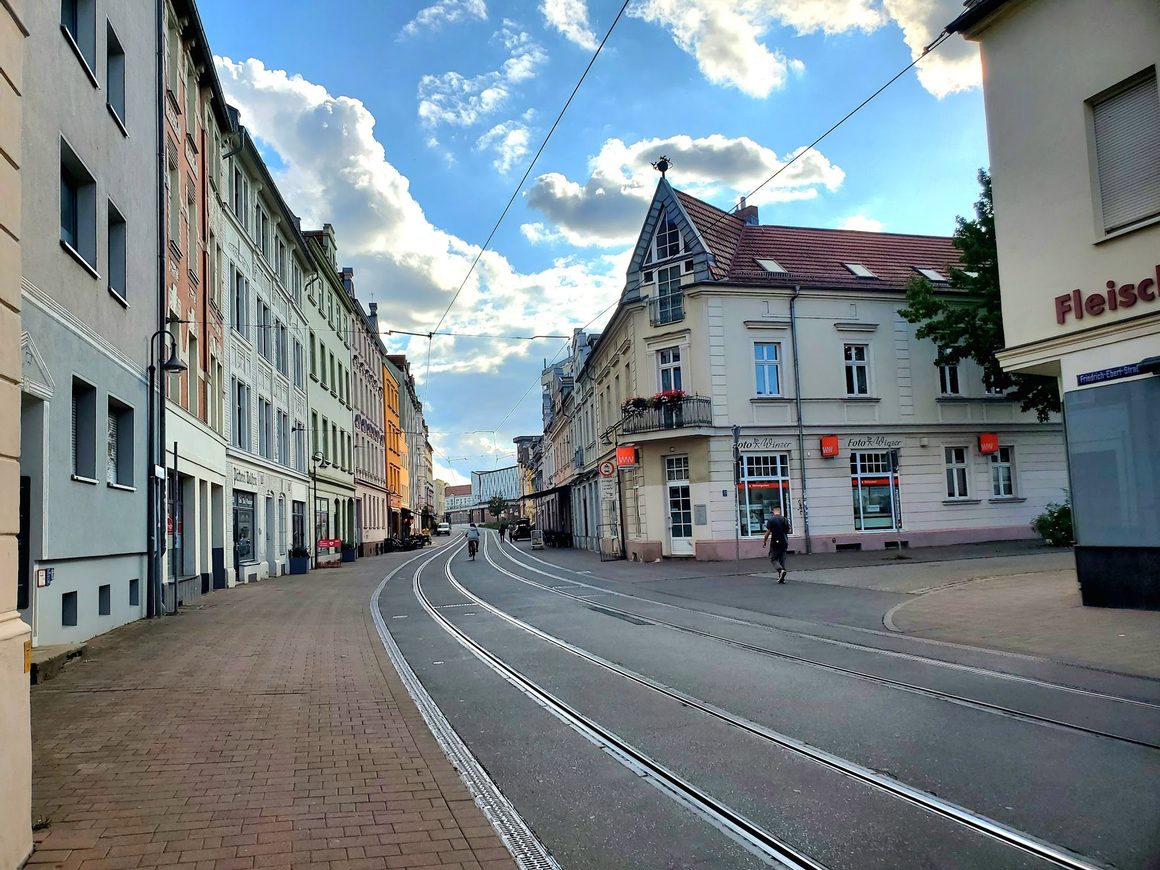
I live in a so-called Großstadt called Cottbus that’s 1 hour and a half from Berlin, a true Großstadt, by direct train. In the quest for more expansive African grocery shopping, flights, tourism, events, or whatever administrative bidding can only be done in Berlin, I often find myself hopping on a train to the capital city, taking in the inter-city transition.
In between cities, buildings fade into trees, concrete into forest. Once in a while, you stop at a city that has a proper station beside its platform, an indicator of its degree of urban-ness. Most times, you stop at more rural towns/municipalities whose platforms are surrounded by thick woodland. You imagine how far they have to walk or ride a bike, or take a bus to get to the residential areas. Other times, the platforms are surrounded by quaint houses that are reminiscent of movie depictions of European village life, especially in the old days.
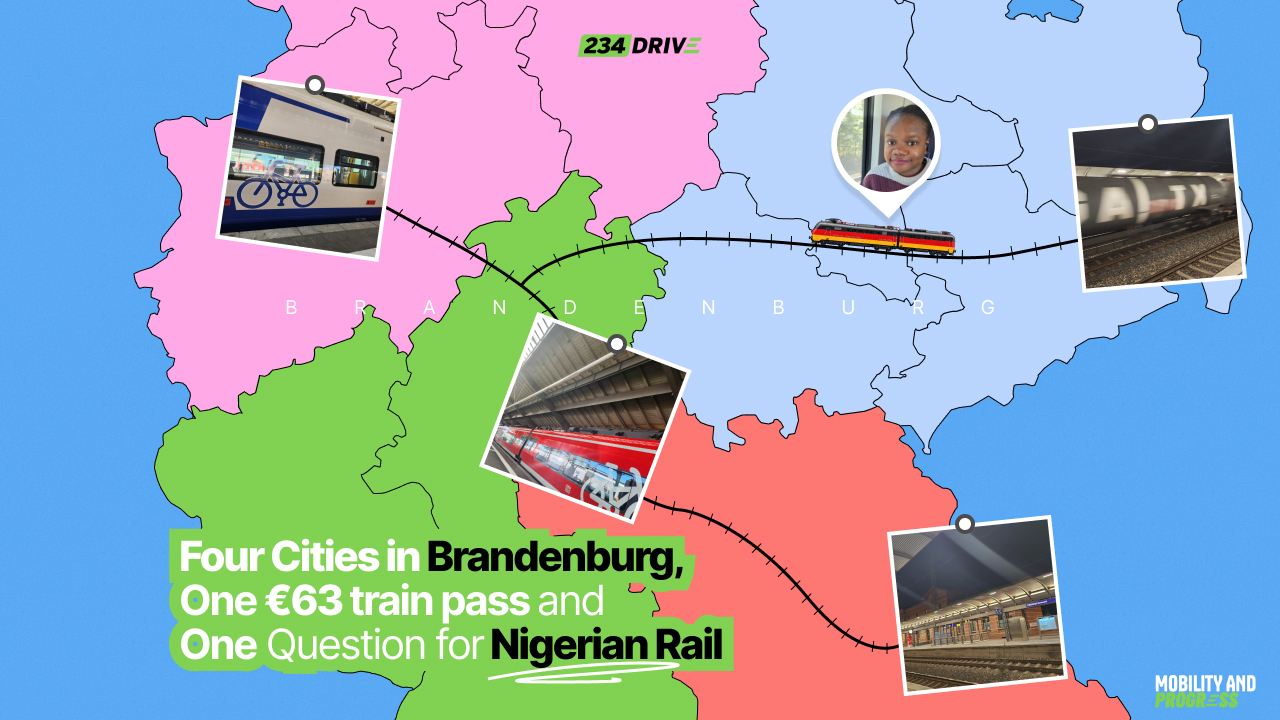
Sometimes, I have wondered what life looks like in some of these in-between places. Thankfully, Germany has the gift of the Deutschlandticket, a flat €63 a month that makes every regional train, tram and bus in the country feel pre-paid, and therefore a standing invitation to feed one’s curiosity. So one cool Tuesday in October, I set out from Cottbus at 10am with four German questions I had rehearsed until they almost sounded natural (where do you live and work, how important is the train to your day, how reliable is it, and what would you do without it) and let the rail take me through Brandenburg, my state.
Frankfurt (Oder) : Where Germany Ends
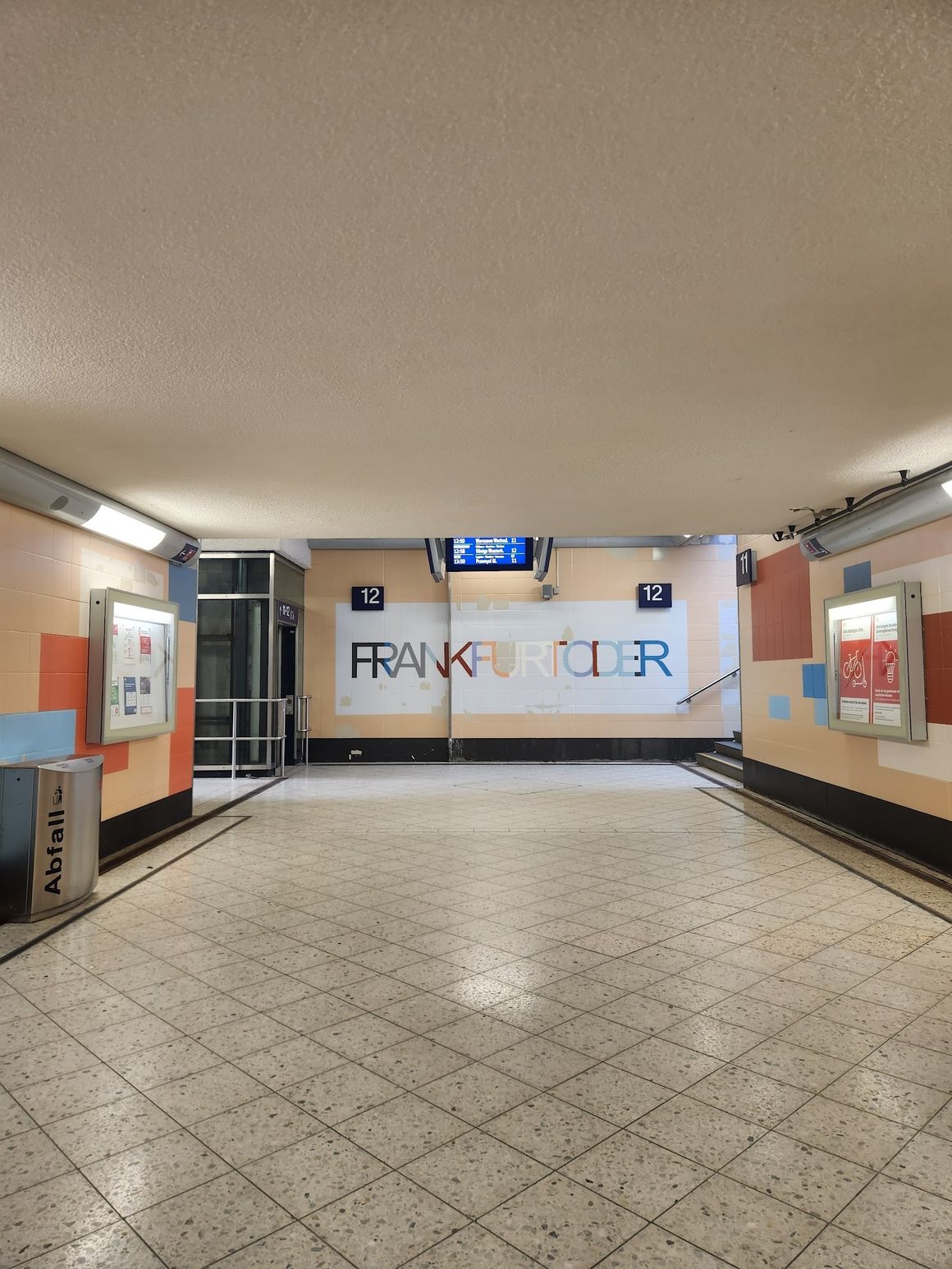
You may know the central Frankfurt am Main in Hesse, whose economic reputation by far outshadows that of Brandenburg’s Frankfurt (Oder), a modest Mittelstadt with about 58,000 residents. And no, unlike I initially thought, the former Frankfurt is not called that because it is the ‘Main Frankfurt’ but because it is named after the Main River. Likewise, Frankfurt (Oder) is named after the Oder river.
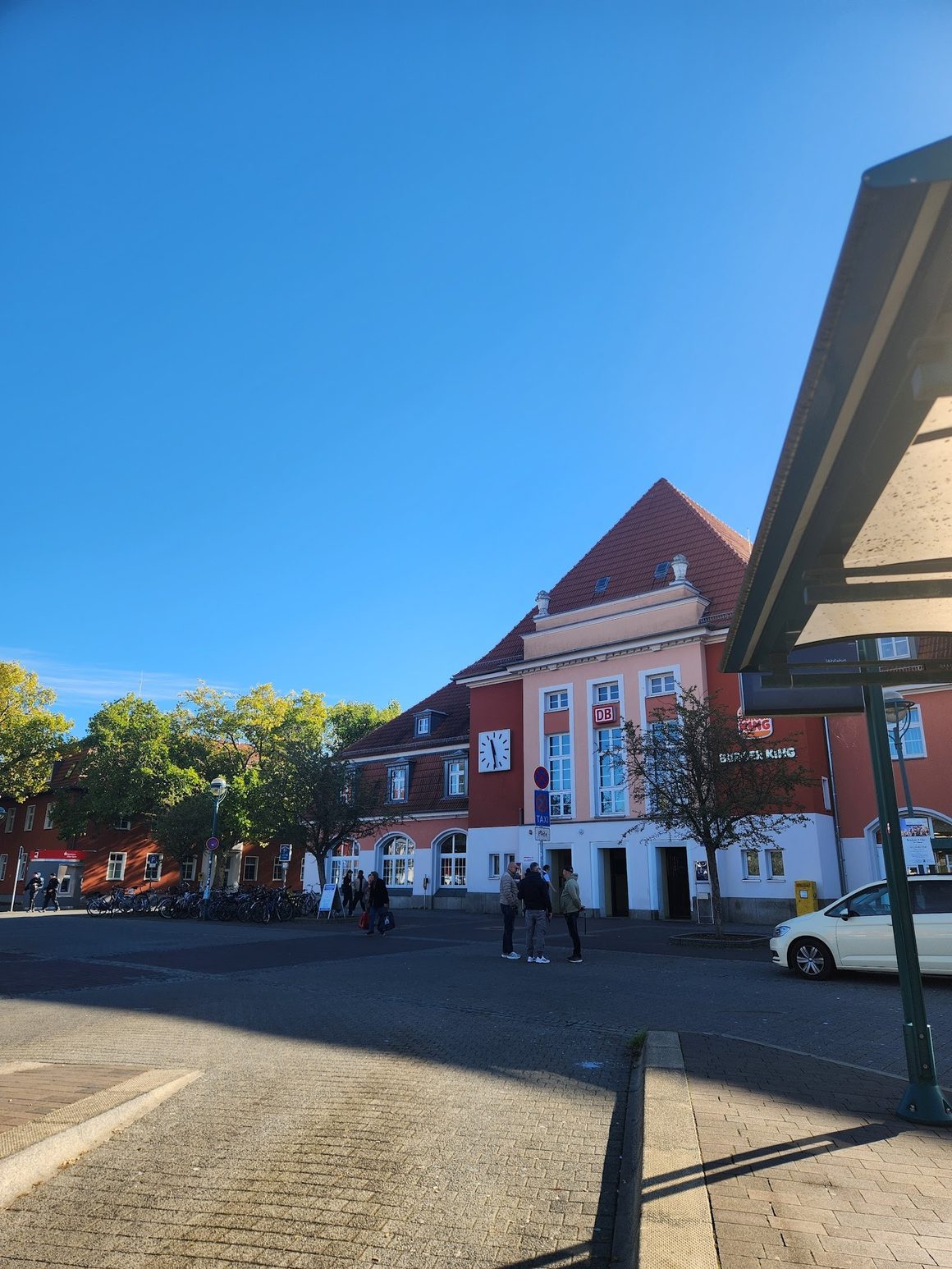
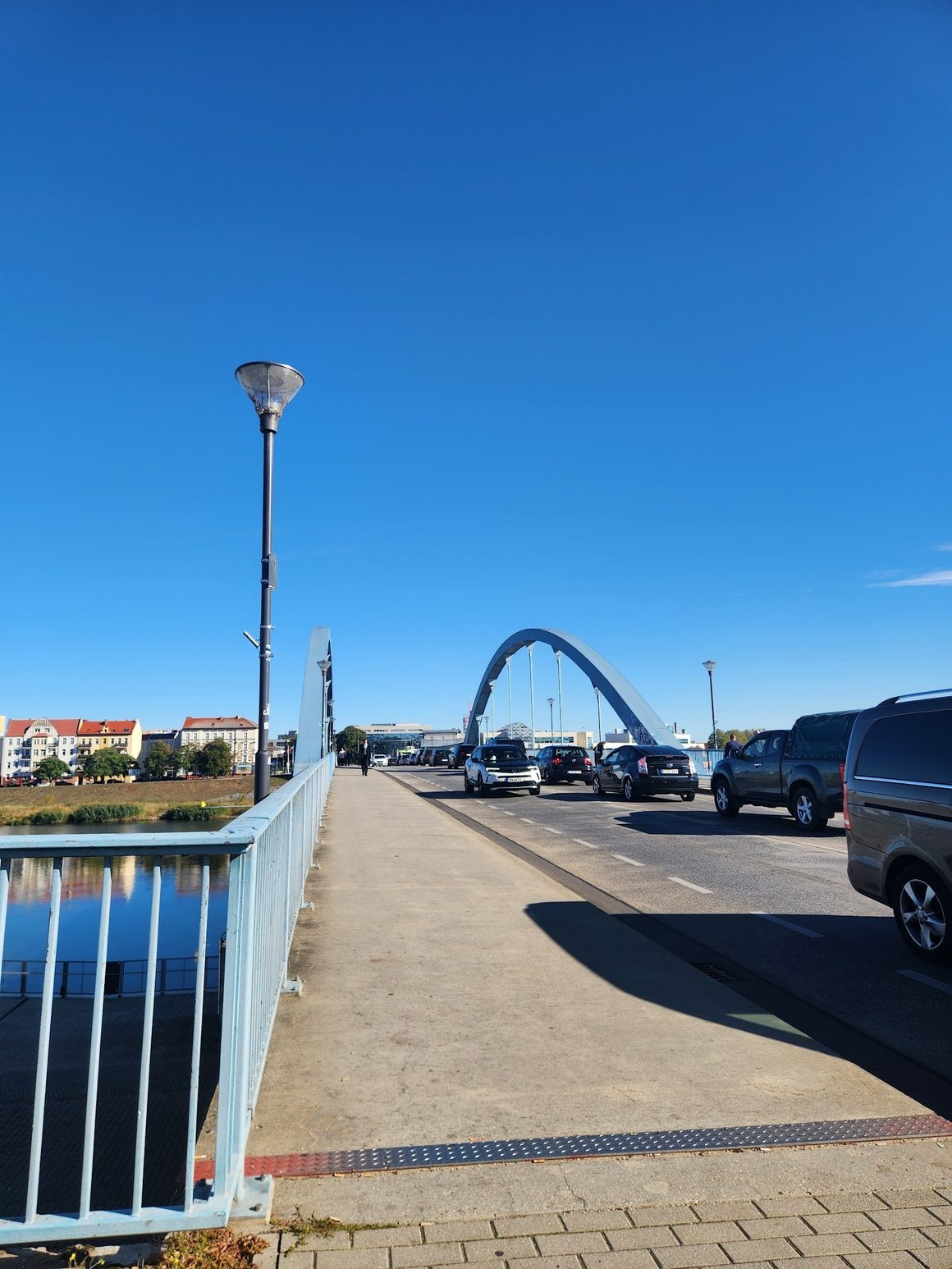
In fact, to the people of the Polish town of Słubice, Frankfurt (Oder) is probably the main Frankfurt as just by crossing the Oder river bridge (Stadtbrücke), the smaller Frankfurt offers them a gateway into the rest of Germany. The border crossing is completely without fuss. A few police officers are stationed at either side of the bridge, occasionally checking cars but completely ignoring pedestrians. Two minutes into walking across the bridge and miniature polish flags start to appear on the steel blue railing, signifying migration into Poland. Another two minutes and you are off the bridge and fully in Poland, where signs change language and the currency is no longer Euro but the Polish złoty, where I would meet a woman who, despite being just over 200 metres away from Germany, did not speak a lick of German–or English.
The next person I encountered was a stocky man who sat on one of the wooden benches at the foot of the bridge, waiting for a private bus. With the little German he had and the little I had, we established that he works in construction in Berlin and makes the trip five days a week. He told me the bus takes eight hours. Whether he meant the ride or the working day I never fully settled; the train from Frankfurt (Oder) reaches Berlin in about an hour, which makes the working day the likelier reading. A private bus suggests to me that his employer or a company arranged it.
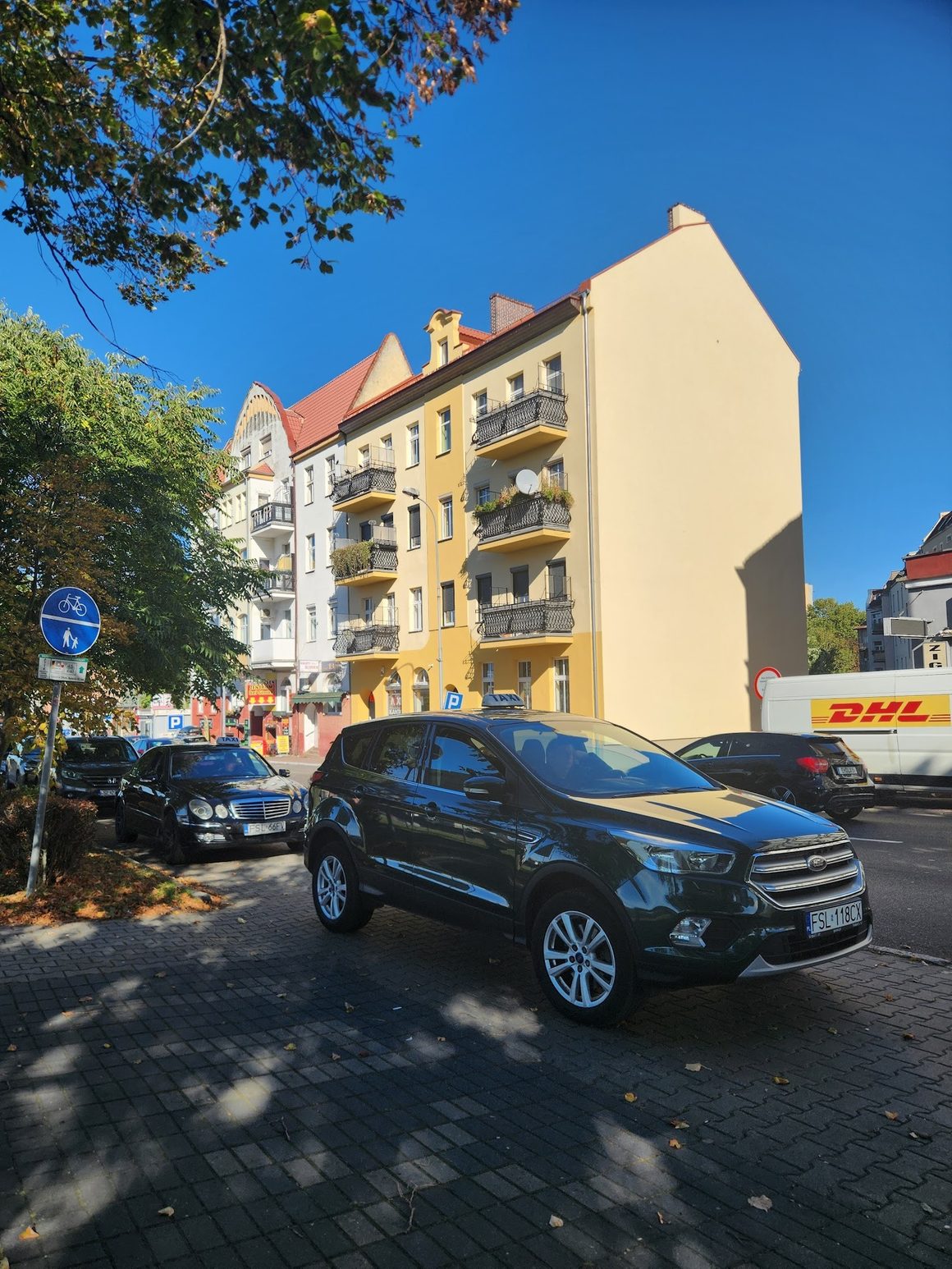
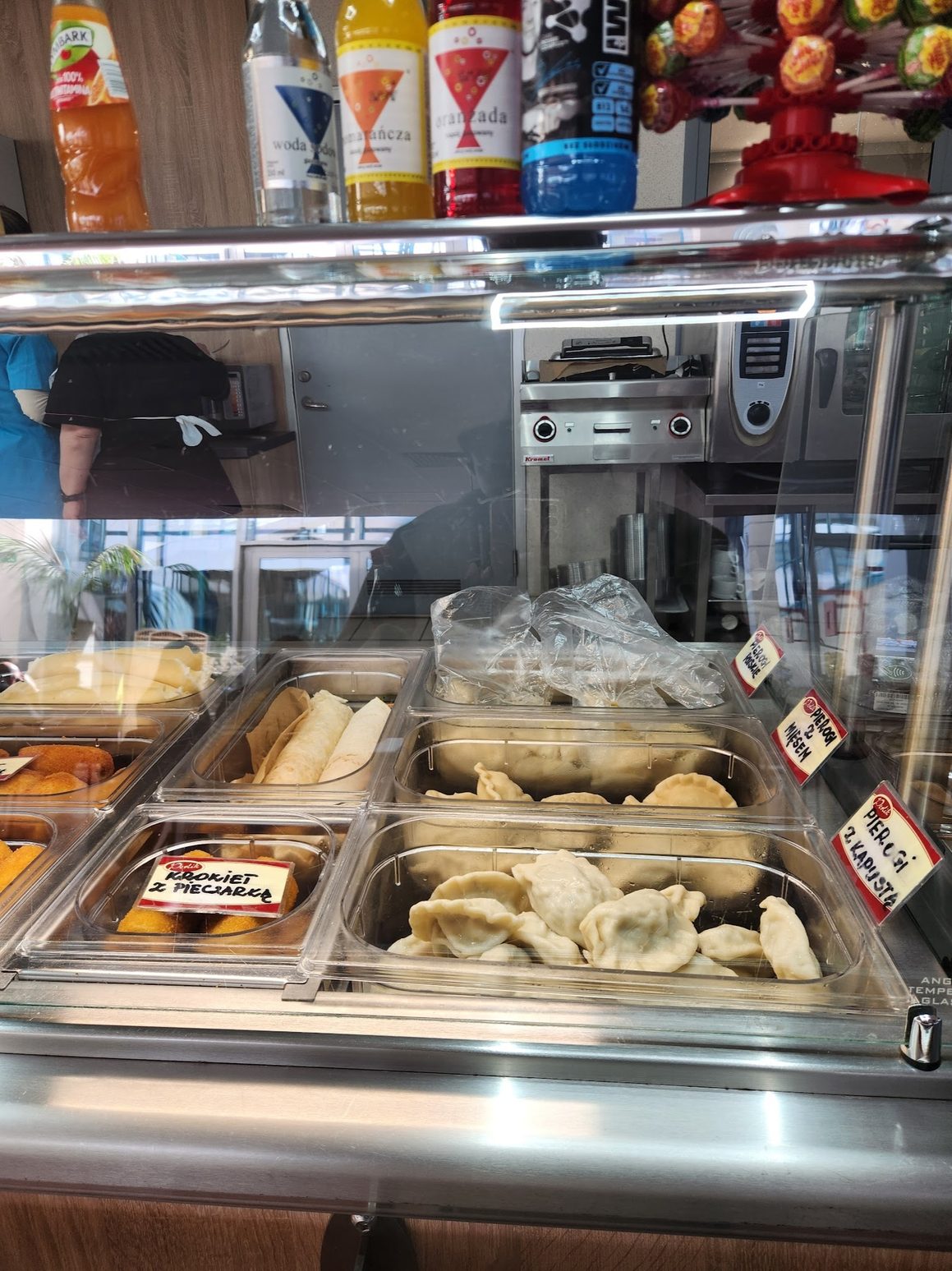
I walked farther away from the bridge, taking in the not-too-different shape of the Polish town and searching for pierogi, a treat I had been missing since an earlier trip to Poland. I found a lunch bar called Smaki Europy close to the Collegium Polonicum, convinced that they would have the object of my desire and indeed, they did. While I was waiting for my pierogi to be steamed, I fell into conversation with some students from the European University Viadrina in Frankfurt, without having to roll out my practised German because they all spoke English: a German man, an Iranian woman, an Albanian woman and a Romanian woman. They had come to take some classes at the Polish partner college and were on their lunch break.
The German and Albanian lived in Berlin and were quick to share their frustrations with the train connection. Before 2022, according to the German, the train was more reliable but a change in operators along the line from Ostkreuz to Frankfurt brought complications that led to regular delays. He did not blame the operator, he was careful to say, because the system it inherited was ‘messed up’ and had to be built again from scratch. Now a detour through the S-Bahn to Erkner adds at least twenty minutes, the Albanian plans ‘at least half an hour for delay’, and the day before we spoke, a train had stood motionless for thirty minutes because of police on the line. ‘It’s really annoying to live in Berlin and study here,’ the German said. A car would solve it, he conceded, but petrol was too expensive to make it anything but an exam-day emergency, and so they keep faith with the Deutschland semester tickets on their phones.
Their frustrations echoed the first conversation of my day, with a 20-year-old Polish woman I had met at the bus stop right outside the train station (Bahnhof). She spoke English, a sweet relief, and when her bus pulled in, I followed her on, unsure whether it would take me anywhere near the Stadtbrücke I was heading for. In the ten minutes that followed, she told me about her village, four stations away, where the train comes once an hour. Training to be a nurse through Germany’s ‘Ausbildung’ vocational scheme, she takes the 5:17 train so she can start the early shift at 6am—though in reality, the connection always makes her arrive a few minutes late. The earlier train leaves at around 2am, which she called ‘a little bit extreme’, so she is learning to drive to avoid depending on the train.
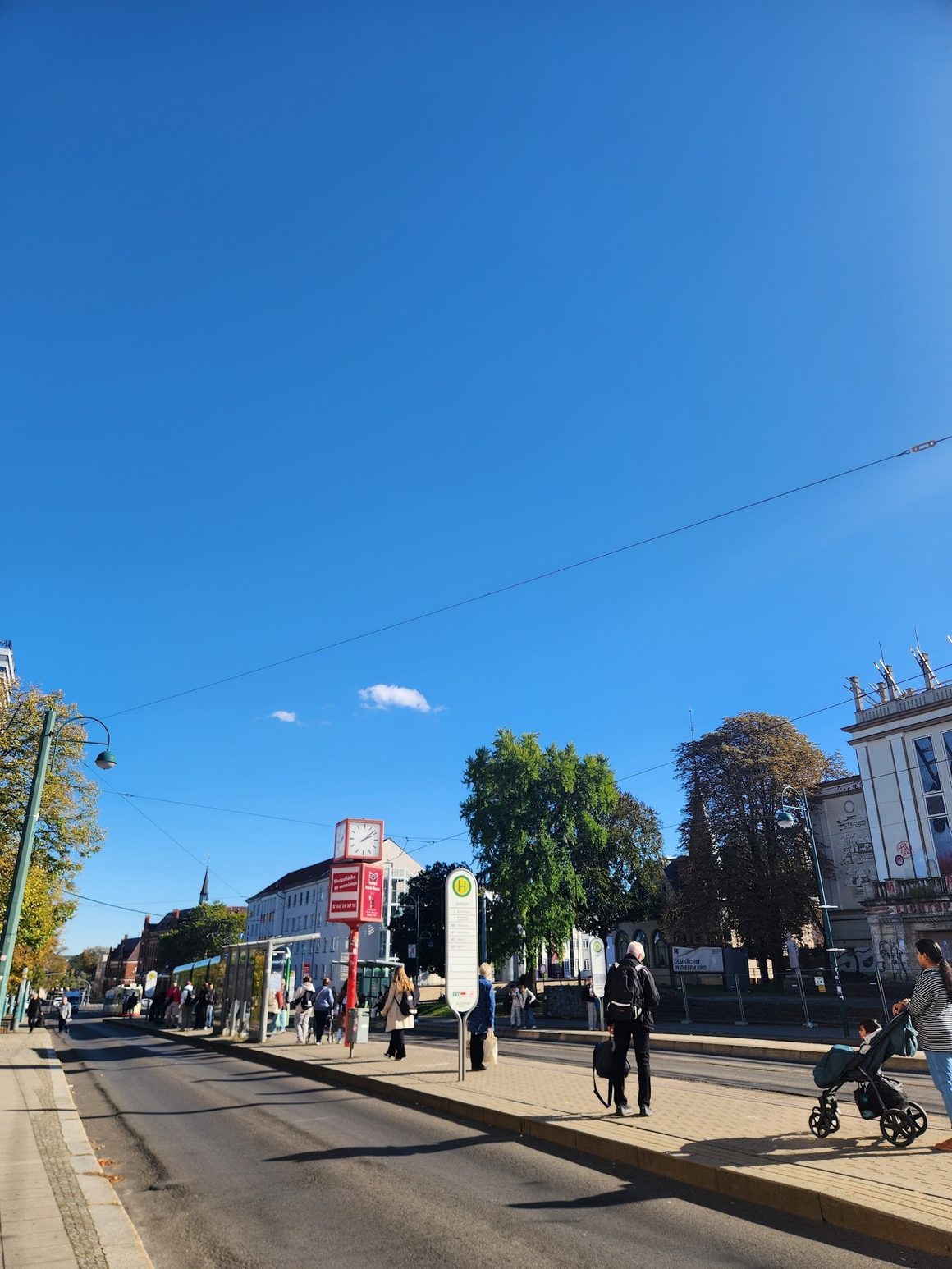
A more forgiving verdict came from an Indian student outside a Kaufland near the Zentrum tram stop, who has been in Frankfurt (Oder) for four years and works a mini job. He said the trains have grown less reliable lately but still beat the trains of India, because here at least a timetable gives you something to be disappointed by on schedule. A Kenyan woman, a year into her life in Berlin, said the capital forgives its trains because it offers a second line when the first one fails, whereas the road to Frankfurt (Oder) offers only one way and, when that breaks, a replacement bus (Ersatzverkehr) from the airport. Both blamed construction at Fangschleuse, a station on the line into Berlin that Deutsche Bahn says took under eighteen months to rebuild and opened to passengers in mid-August, with more tracks due from December.
Königs Wusterhausen: the Gateway to Berlin
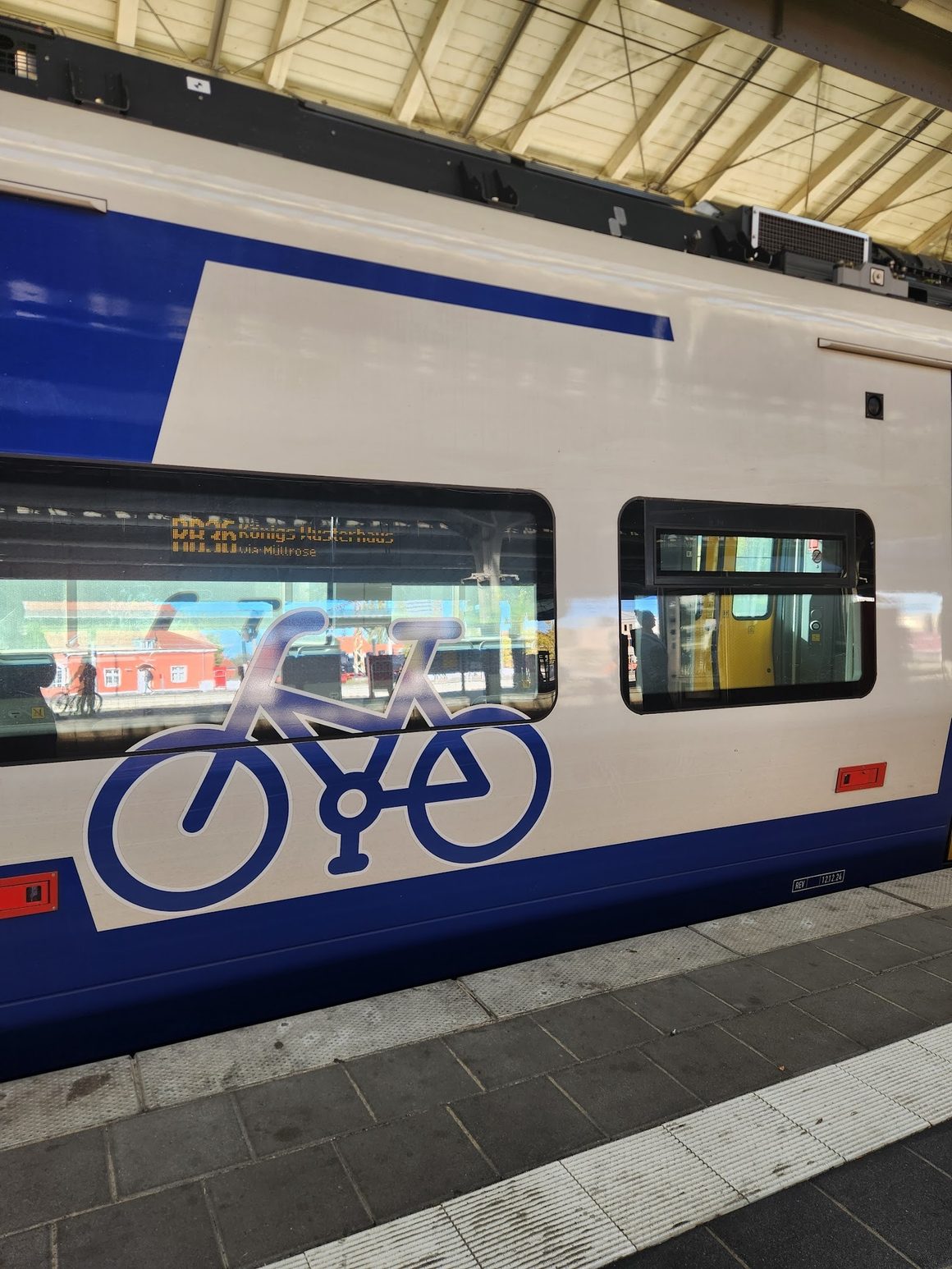
By 14:58, I was back at Frankfurt (Oder) Bahnhof and on a train headed to Königs Wusterhausen, a very important junction city for the Berlin-bound. Thirty minutes into the ride, we arrived at Beeskow, a Kleinstadt boasting nearly 8,000 residents. Here, a police officer who lived in Beeskow but worked in Frankfurt five days a week alighted after completing his 8-hour shift, thanks to what he deemed reliable train connections. A bunch of children hopped on, noising their way to their seats, presumably at the end of the school day. A Cameroonian man who lived in Berlin but had business to do in Beeskow once every quarter sat across from me.
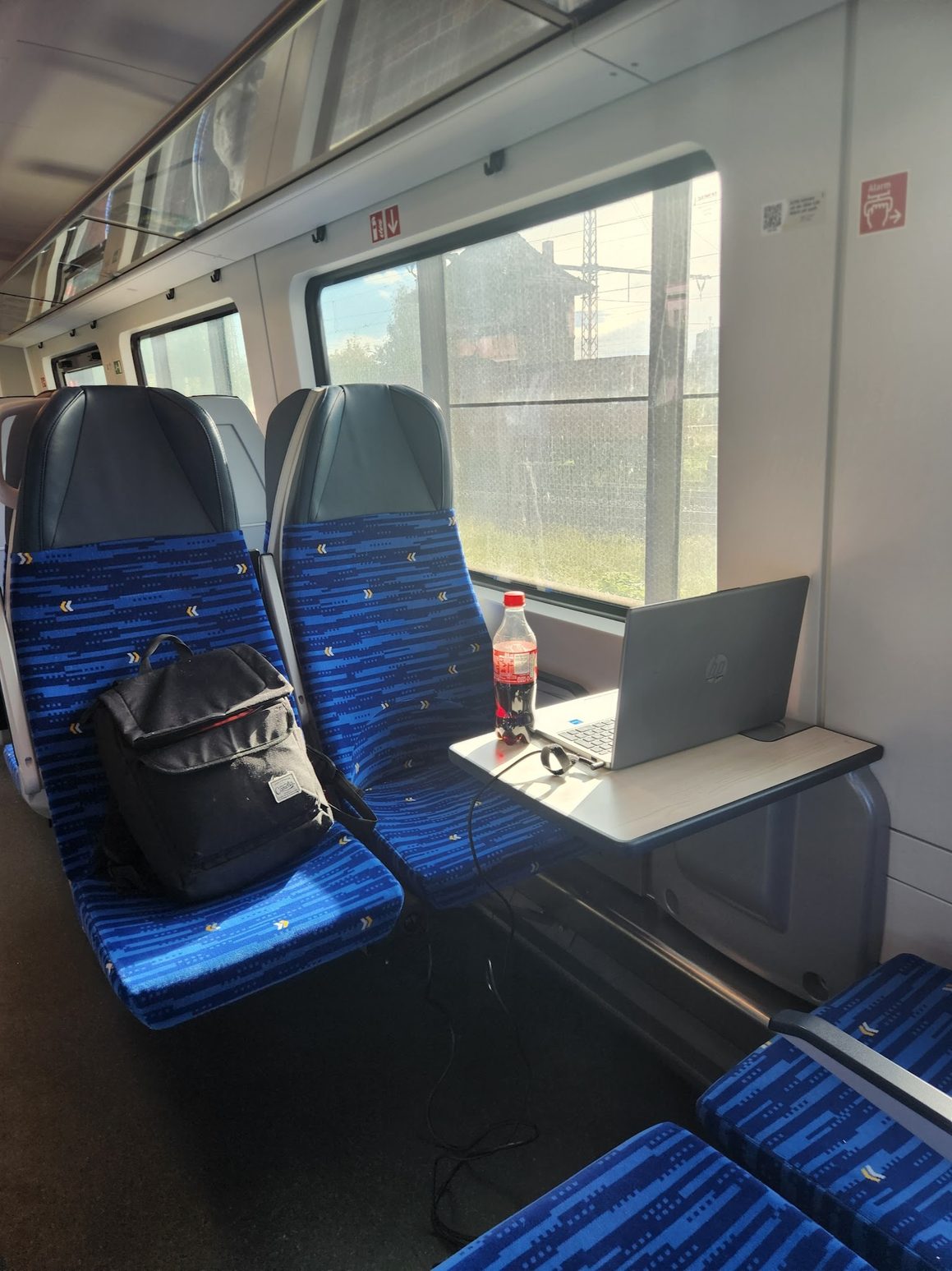
An hour later, the train pulled into Königs Wusterhausen which, with a population of 39,590, classifies as a Mittelstadt. Right by the cool concrete platform, a gangly teenage boy sat whiling away his wait time, my request for a short interview pulling him away from doomscrolling on his phone. The Brazilian German schooled in Königs Wusterhausen but lived in Eichwalde, Brandenburg’s smallest municipality just at the southeastern edge of Berlin. He and his family had moved there from Brazil a couple years before but could not find a place in their local school, so they searched for the best schools with availability in the region and landed on one in Königs Wusterhausen. His school days start with a 15-minute trip between 7 to 8am from Eichwalde to Königs Wusterhausen, and sometimes, like on that day, delays cost him 20 minutes of tardiness. Even at his young age, he understood, ‘you always have to plan for the worst when you’re using the train’.
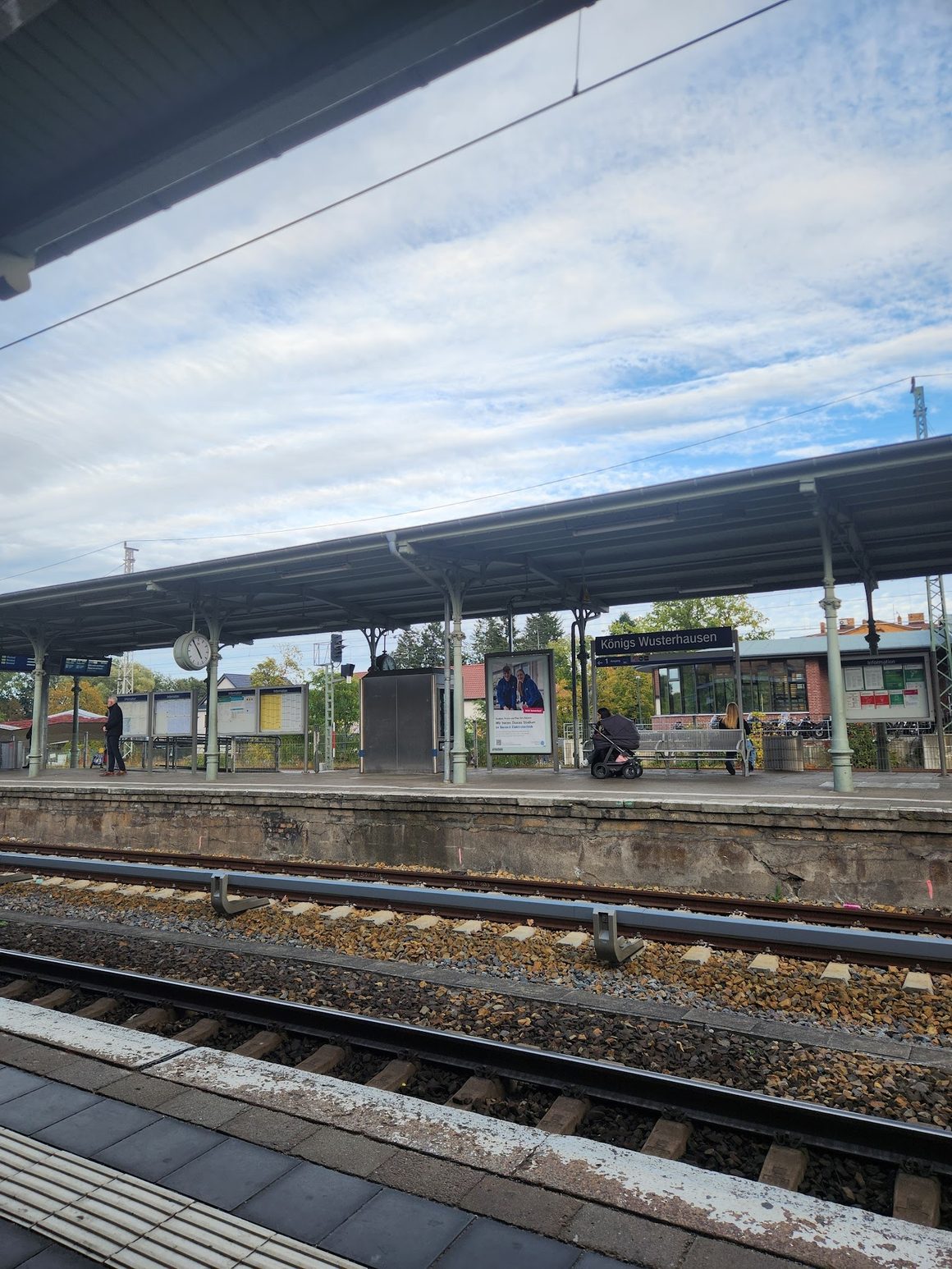
The hunt for the next interview was a bit discouraging, as travellers declined to speak to me even with ample time before the arrival of the next train. My request was finally granted by a silver-haired man who was seated on one of the wooden benches, holding on to his prized bicycle. He was a Berliner who was in the city for an off-site appointment. He lives and works in Berlin, but he told me he does not drive ‘for environmental reasons’ and that the train is simply the alternative. He takes his bicycle on board and rides the last stretch, which gets him to work faster than colleagues in cars, ‘when the train is on time’. Also a writer and transport researcher, he asked me to send him whatever I found, an exchange that added some brightness to the already greying day.
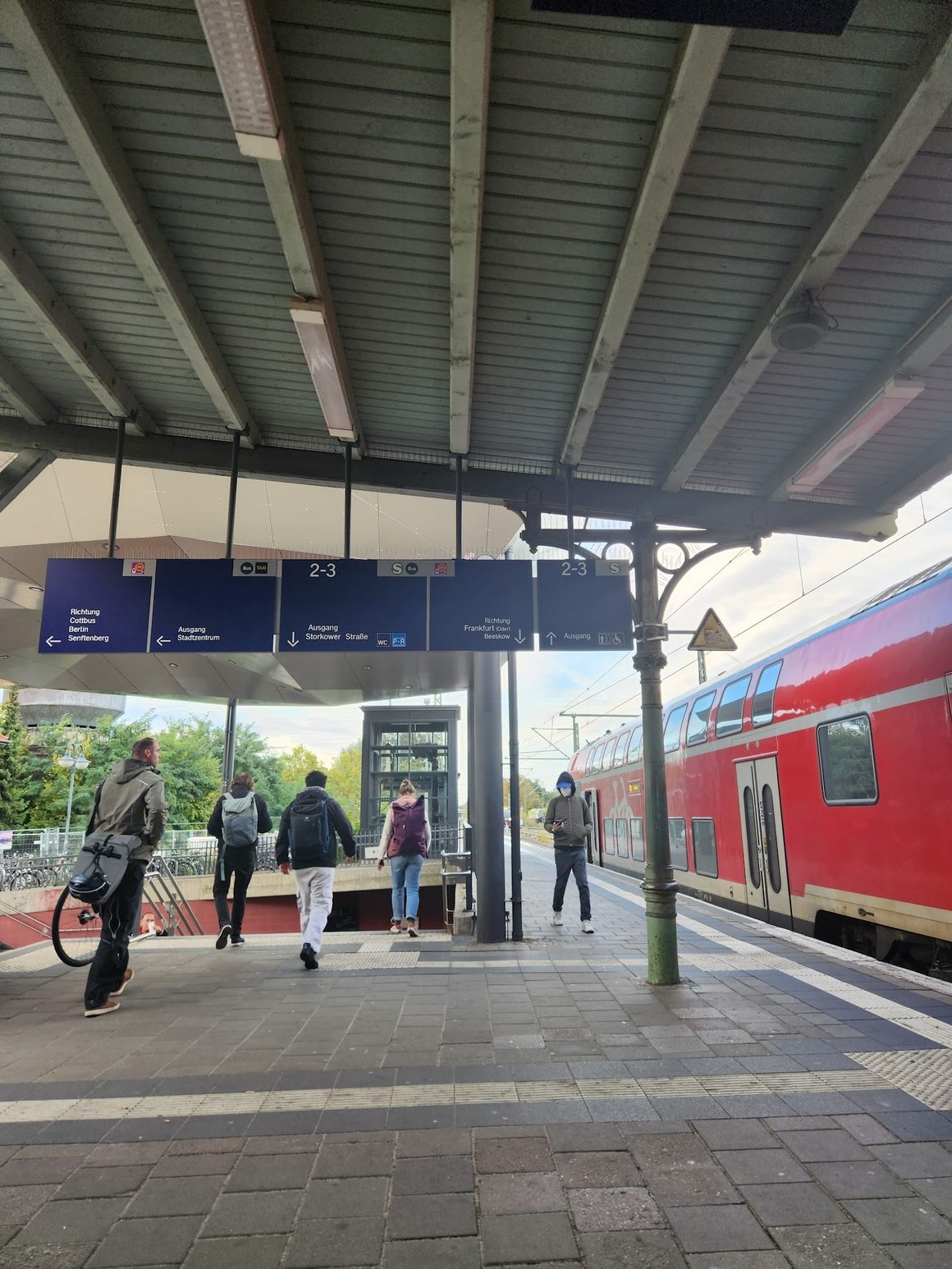
Another Berliner, this time a woman, appeared irritated at the extra travel time in her work commute. Usually, she worked in Berlin and it took half an hour to get to work, but that week’s business took her to Königs Wusterhausen where she had to add another half hour to her commute— if there were no delays. Two Indian students who live in Berlin and work at Tropical Islands Resort, an indoor tropical resort built inside a former airship hangar in the pine woods, told me what happens when there is no alternative. When the two regional express lines serving them stopped running for about fifteen days, they took replacement buses via the airport and Königs Wusterhausen, which turned each trip into roughly three hours, six hours there and back for a shift that ends at 3pm.
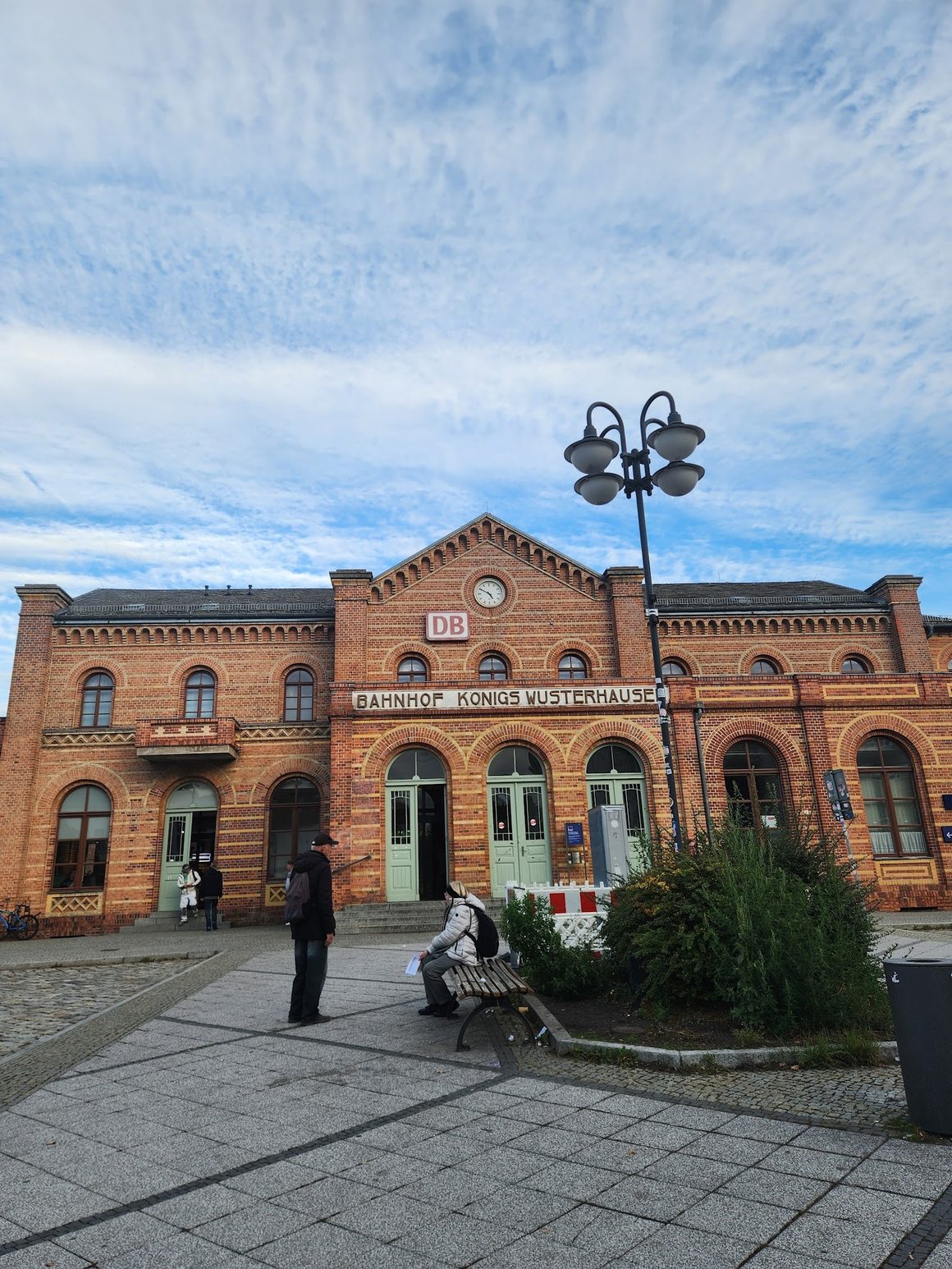
The last person I spoke to was a man with a salt-and-pepper stubble pensively standing outside the brick-walled station. A resident of Klein Köris, a village in Brandenburg, he makes a seventy-kilometre journey each way four days a week beginning with the 5:24 in the morning. ‘Driving is too expensive because of the high petrol costs,’ he said. The line was not running that day, and two weeks earlier it had not run for fourteen days, what he called ‘a catastrophe’.
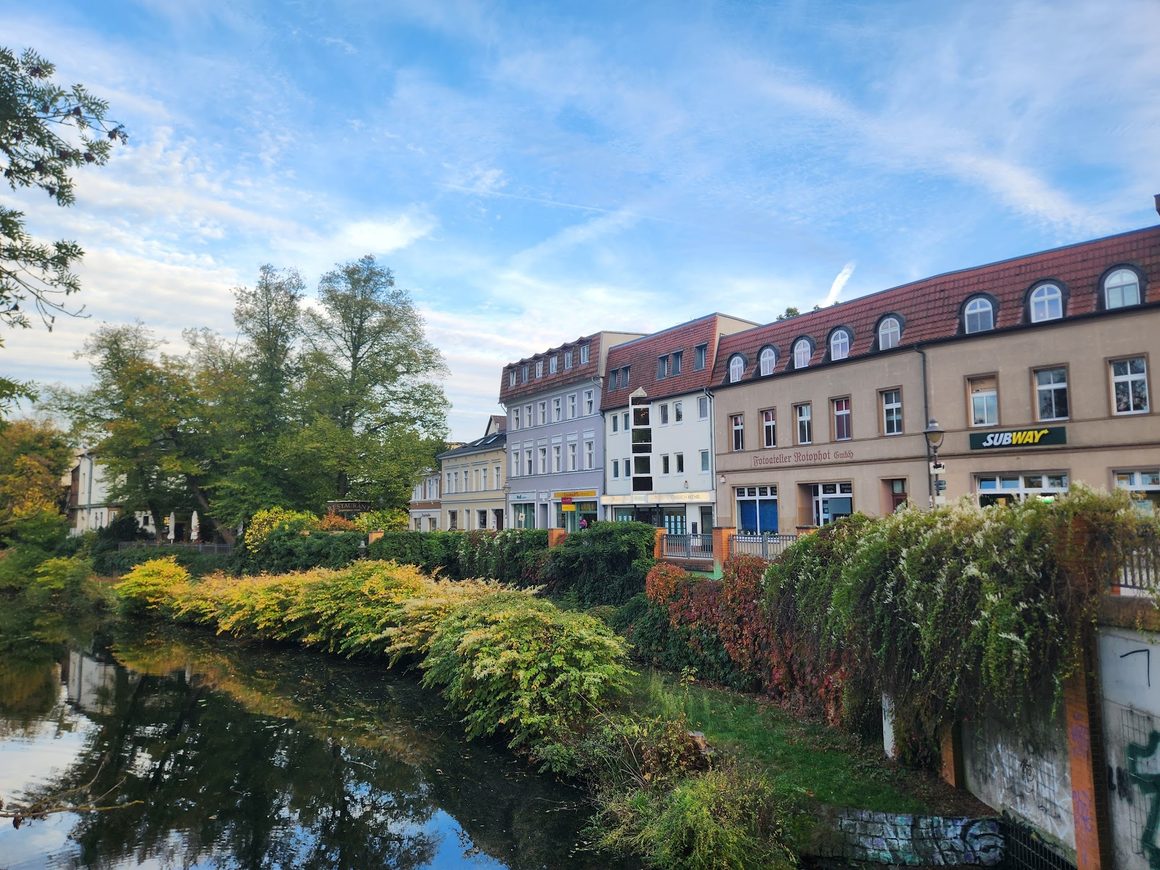
Lübbenau: the Ghost Town After Dark
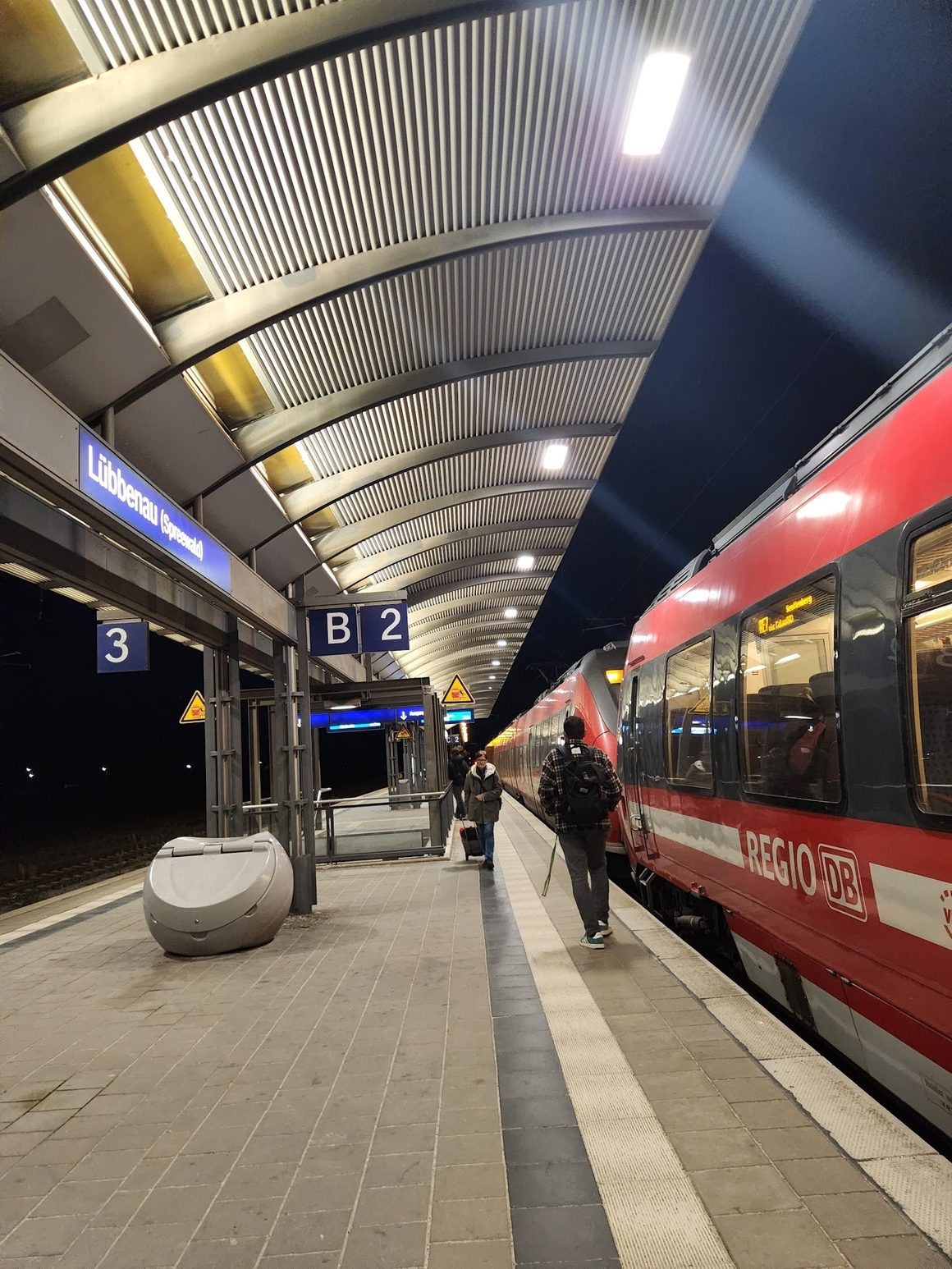
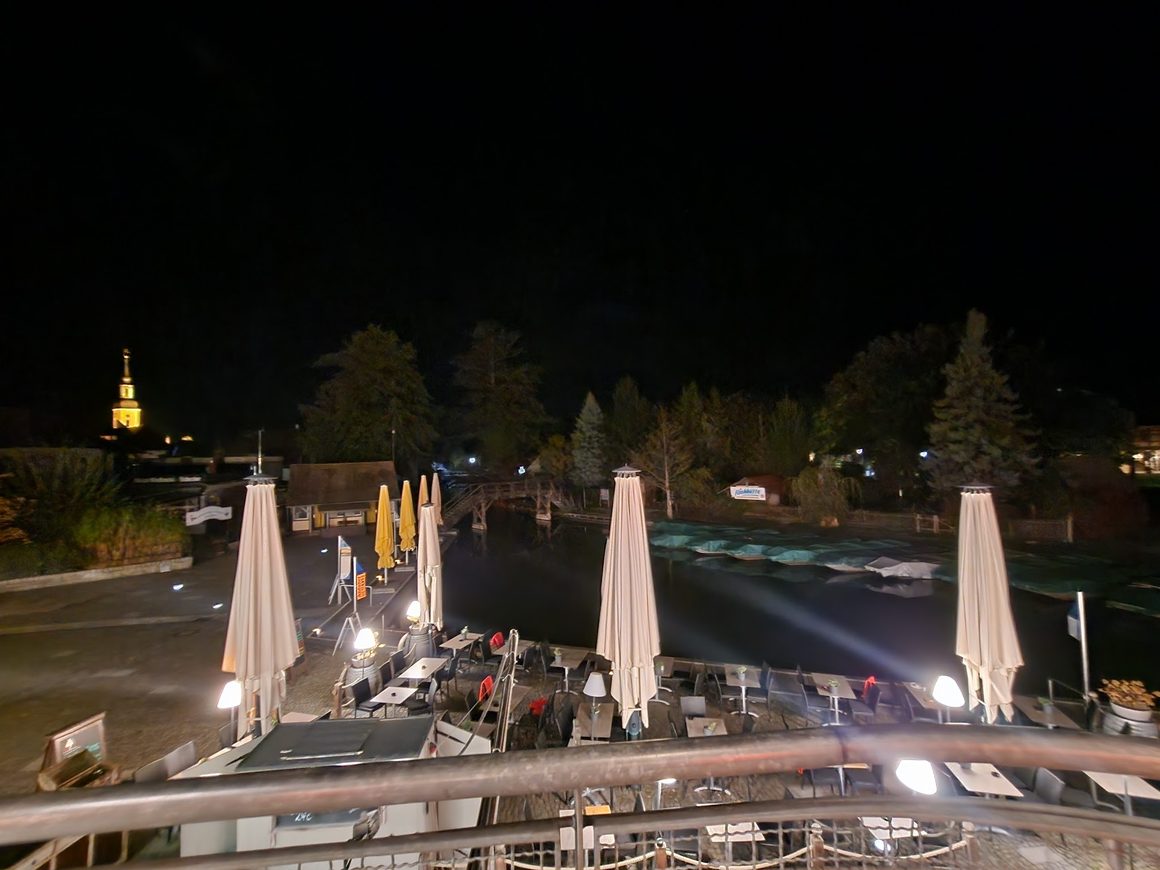
I arrived at Lübbenau at 7pm and the city, boasting about 15,000 residents, was already asleep. There was hardly anyone at the train station when my train pulled into the platform and the town was pin-drop silent. I would soon understand that being a tourist town, Lübbenau’s vivacity was tethered to the sun. Most of its foot traffic comes from Spreewald, the biosphere reserve that draws droves of daytrippers, as well as those who attend to them. But once the sun sets and the last canal boats dock, the daytrippers and workers vanish back to Berlin, Cottbus or other larger hubs, leaving behind stark quiet.
Here, I only managed to find two Cottbus residents who were returning from work. The first was a man who worked in Lübbenau and, unlike most, found the connection very good and reliable. The second was a woman who worked in Berlin two days a week and lived in Cottbus, but would trade Cottbus’s much cheaper rent instantly for an apartment in Berlin. For her, the time she would save was more precious than the price difference.
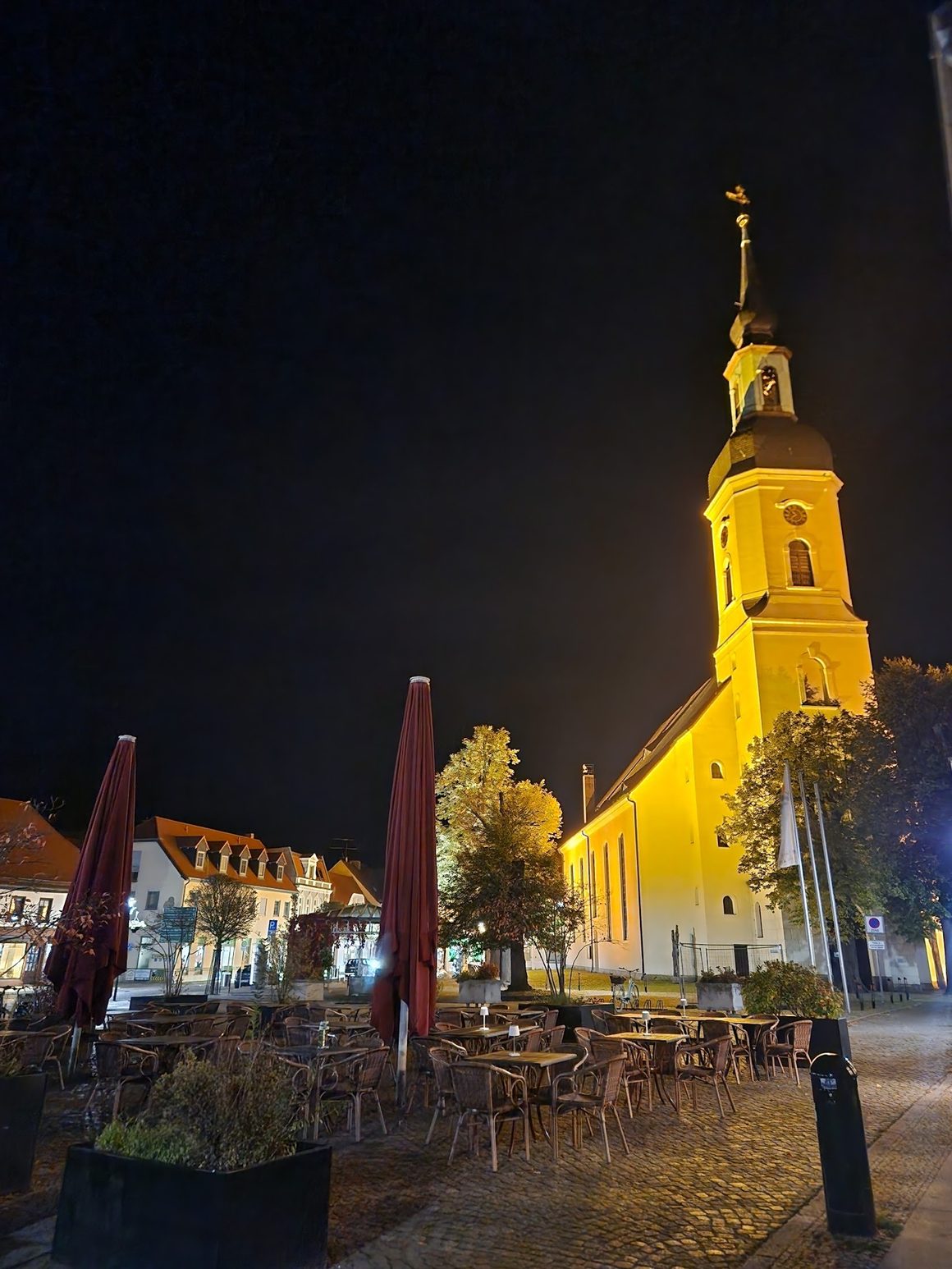
Walking farther into the city yielded an encounter with one woman who lived and worked in Lübbenau but whose husband regularly commuted to Berlin and equally found the train connections hectic and useful. Driving was also a lifesaver, only when necessary.
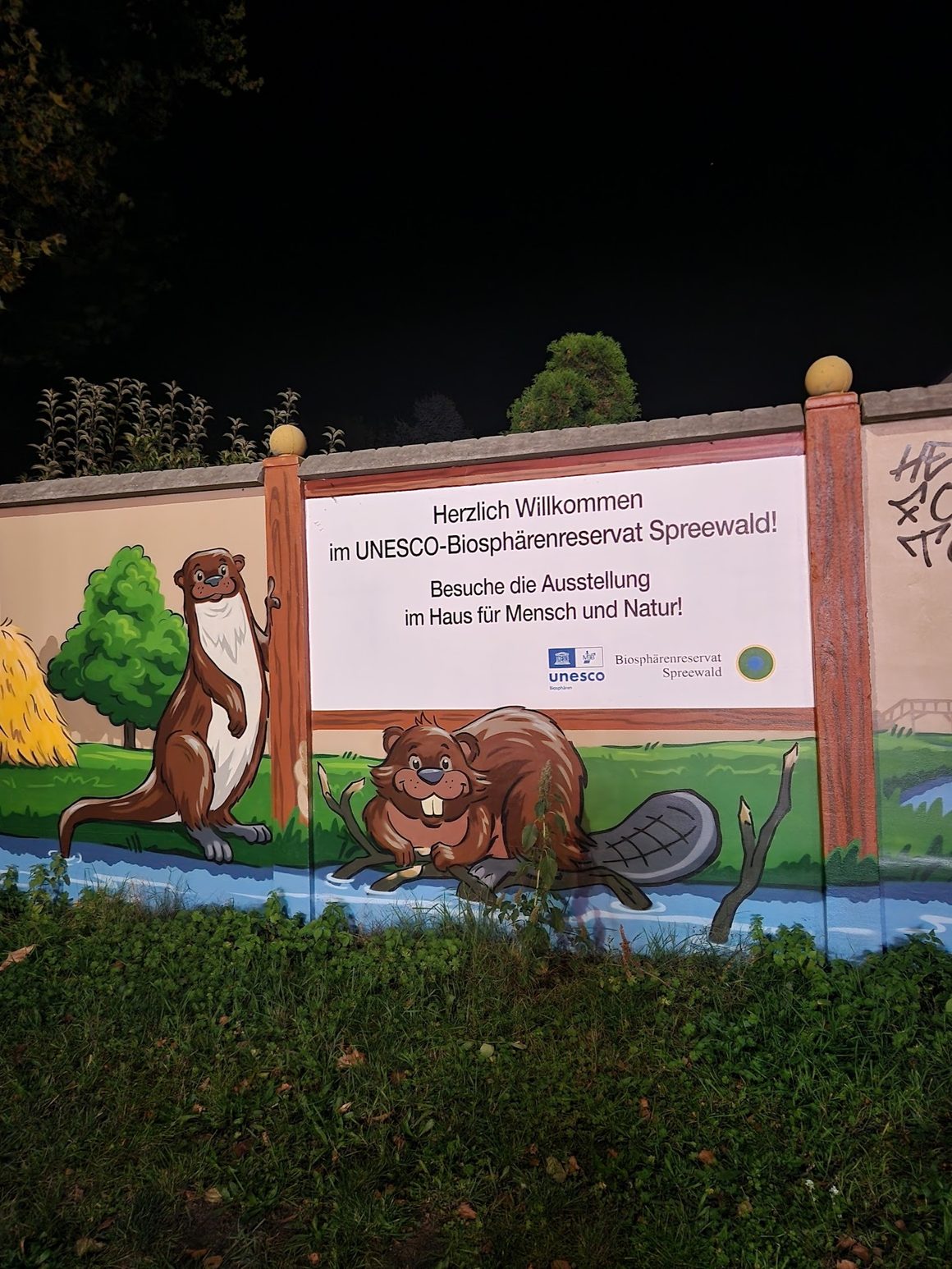
The last crop of people I met in the town were clearly tourists, an animated group happily chattering away at their long table in one of the couple restaurants open at that time (8pm). It seemed to me that everybody who needed to leave the town had already left, while the rest were stowed away in their houses or hotel rooms, or this restaurant.
Even Germans Demand Better Trains
While I initially set out to cover this story with the aim of highlighting how Germany’s railway availed a realm of economic (and otherwise) possibilities that Nigeria needed, the responses revealed that even this paradigm was far from utopic. Put together, the day’s conversations read like a checklist: delays, cancellations, missed connections and construction with no good substitute while it lasts. Remember the bicycle-riding Berliner I met in Königs Wusterhausen? I would find that this was a checklist he was very familiar with, as the business card he had shared with me revealed that he worked with Bahn für Alle, a campaign alliance for better rail.
The alliance’s concept paper, published on 20 September 2025, turns that checklist into demands. It wants 95% of trains on time, counting a train as late once it runs three minutes behind and counting cancellations and missed connections as failures, a standard that would have spared the schoolboy his few minutes of lateness every morning. It wants a regional train at least once an hour to every municipality of 5,000 people or more, and railway works carried out ‘under rolling wheels’, meaning while trains keep running, an arrangement that might have saved the Tropical Islands students their three-hour replacement bus rides. On price, it wants the Deutschlandticket cut from €63 to €50, with a €25 social rate for people on low incomes.
A Nigeria Where the Train Gets You to Work
Nigeria already has the rails to start with: modern lines link Lagos to Ibadan and Abuja to Kaduna, and the Red Line carries commuters inside Lagos itself, but their timetables seem to have been drawn with leisure travellers, rather than commuters, in mind.
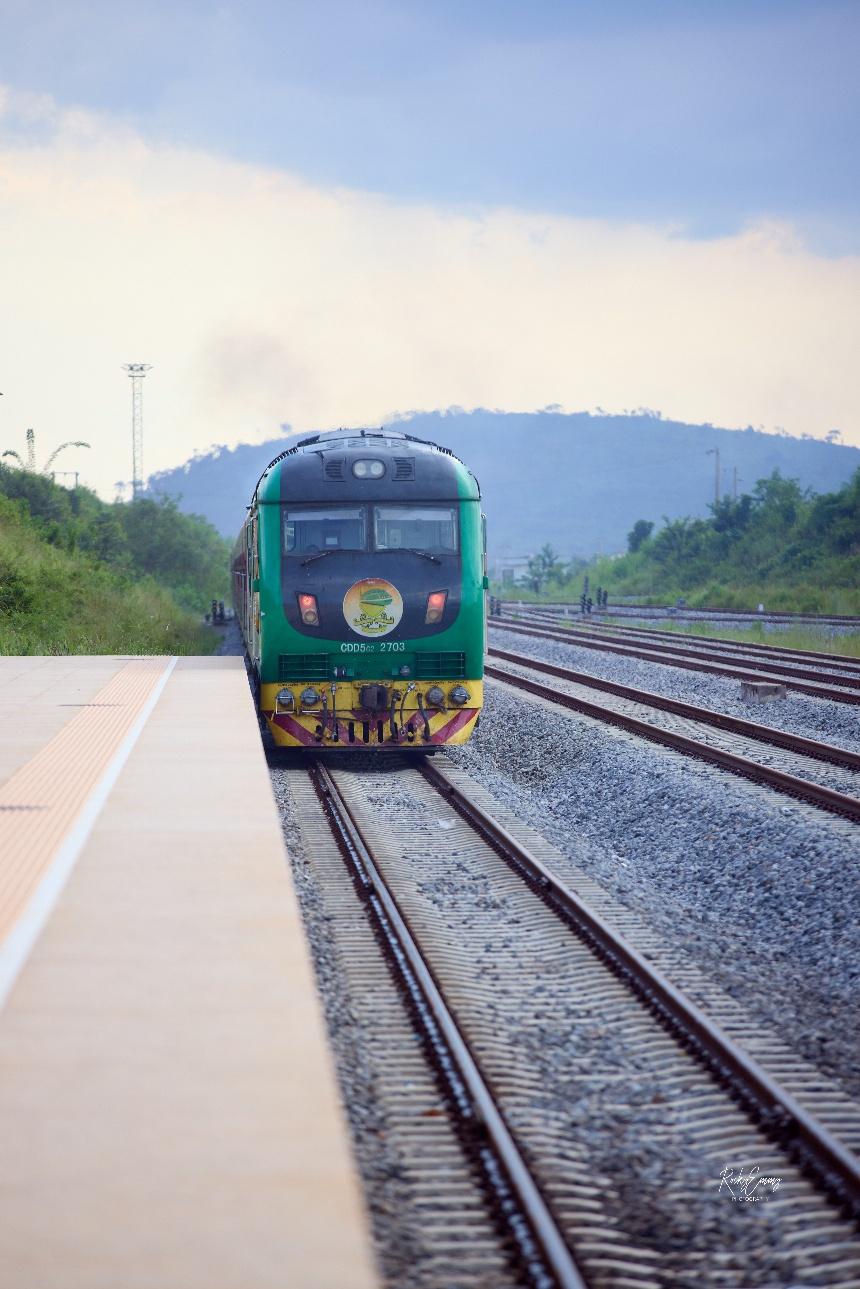
I have ridden the Lagos–Ibadan train, which covers 157 kilometres in about two and a half hours and stops at Abeokuta, Ogun’s capital, along the way. It normally runs two trains each way, at 8am and 4pm, with extra services on some days. But why run a morning train out of Ibadan at 8am, reaching Lagos at half past ten, and an evening train back at 4pm, when the workday typically runs from nine to five? Tickets are booked online, with booking opening about 48 hours before departure, and the NRC’s fares page lists no season or multi-trip pass. Moniya, the Ibadan terminus, sits on the edge of the city, 20 to 30 minutes from Dugbe, and a taxi into the centre costs ₦2,000 to ₦3,500, a far costlier last stretch than the bicycle that carried the Berliner to work.
The Abuja–Kaduna line, 200 kilometres between Idu, Kubwa and Rigasa, has had a rougher time. A bomb attack in 2022 and a derailment on 26 August 2025 left it short of rolling stock, trips took about three hours in January against roughly two and a quarter before, and the timetable that took effect on 6 March 2026 gives Tuesdays and Thursdays one train from each end, at 8:45am from Abuja and 2:30pm from Kaduna, with nothing listed for Wednesdays. On Mondays and Saturdays the only train out of Abuja leaves at 11am, which is hard to plan a working week around.
Inside Lagos, the Red Line comes closer. Its first phase runs 27 kilometres from Agbado, at the Lagos–Ogun boundary, to Oyingbo, and has charged fares since 15 October 2024, with the full journey costing ₦1,000 after a 30% cut in February 2025. The line has run nine trips a day since February 2025, three of them into Lagos in the morning, the first leaving Agbado at 6am, and the state says it will run up to 37 once the line is fully operational, having acquired 24 new coaches from China. Agbado is the western end, and a 2022 agreement between the Lagos and Ogun governments named Ijoko and Kajola as possible extensions into Ogun, which Governor Sanwo-Olu in April 2026 still described as under discussion.
Editor’s note: 234Drive contacted the Nigerian Railway Corporation (NRC) and the Lagos Metropolitan Area Transport Authority (LAMATA) for comment on the timetables, fares and extension plans discussed in this article. Neither had responded by the time of publication, and we will update the piece if they do.
Set against a minimum wage, the gap is wider than the fares alone suggest. A full-time worker on Germany’s €13.90 hourly minimum earns about €2,409 a month before tax, so the €63 Deutschlandticket takes 2.6 per cent of it. In Lagos, where the minimum wage is ₦85,000 a month, a daily Red Line return takes 52 per cent and a daily Lagos–Ibadan return 186 per cent, both over 22 working days.
Deutsche Bahn, for its part, built Fangschleuse station and twelve kilometres of new track around it in under eighteen months, and the commuters I met still blamed the works there for their delays. Between the complaints I heard in Brandenburg and Nigeria’s timetables, the list of what a commuter needs is short: trains that reach the city before the workday starts and leave after it ends, a monthly pass priced against what people earn, and track that reaches the towns where the rent is cheaper, which for Lagos means the extension into Ogun. That extension has been under discussion since the 2022 agreement, a period more than twice as long as the under eighteen months Deutsche Bahn needed to build Fangschleuse.
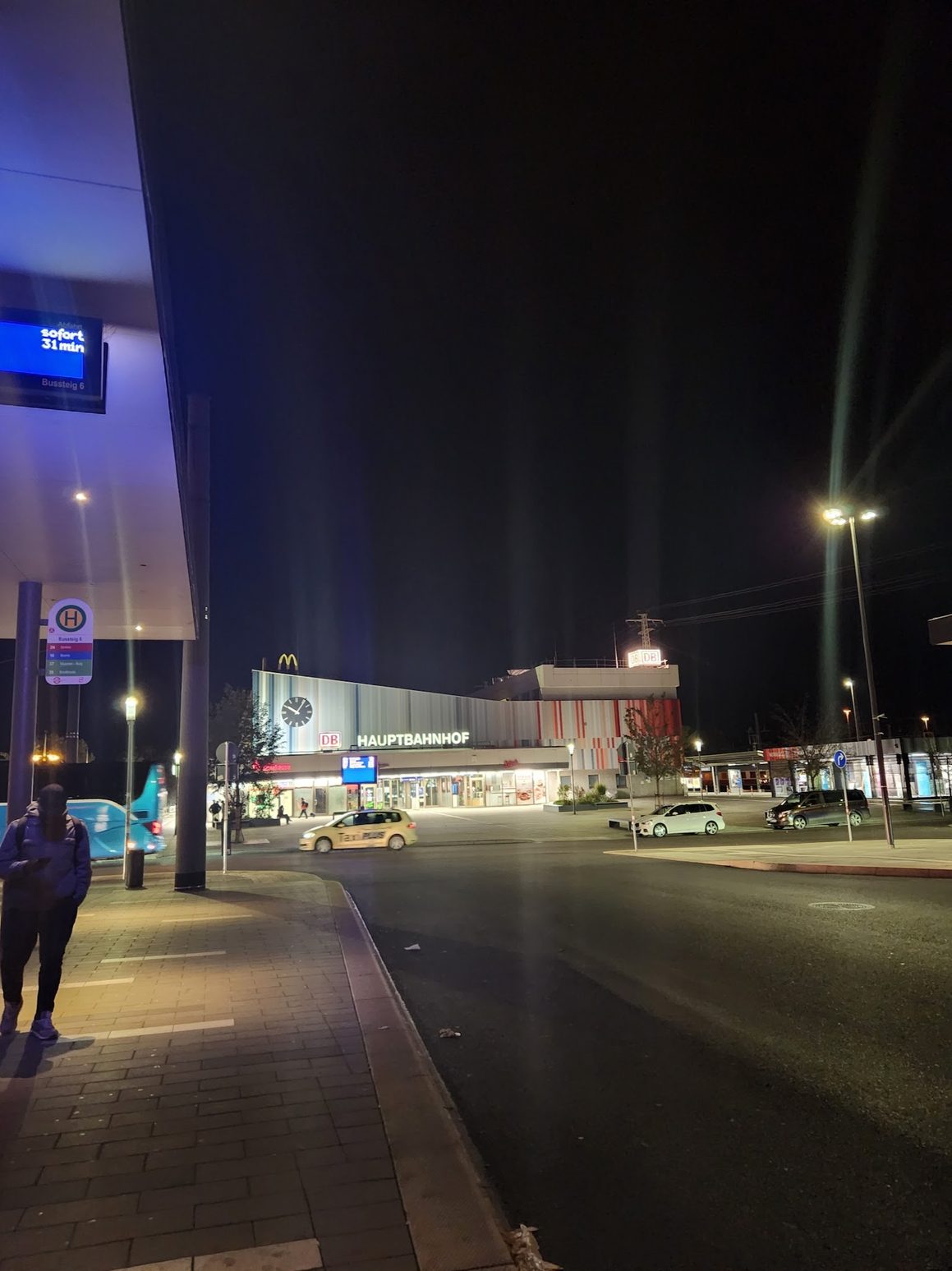
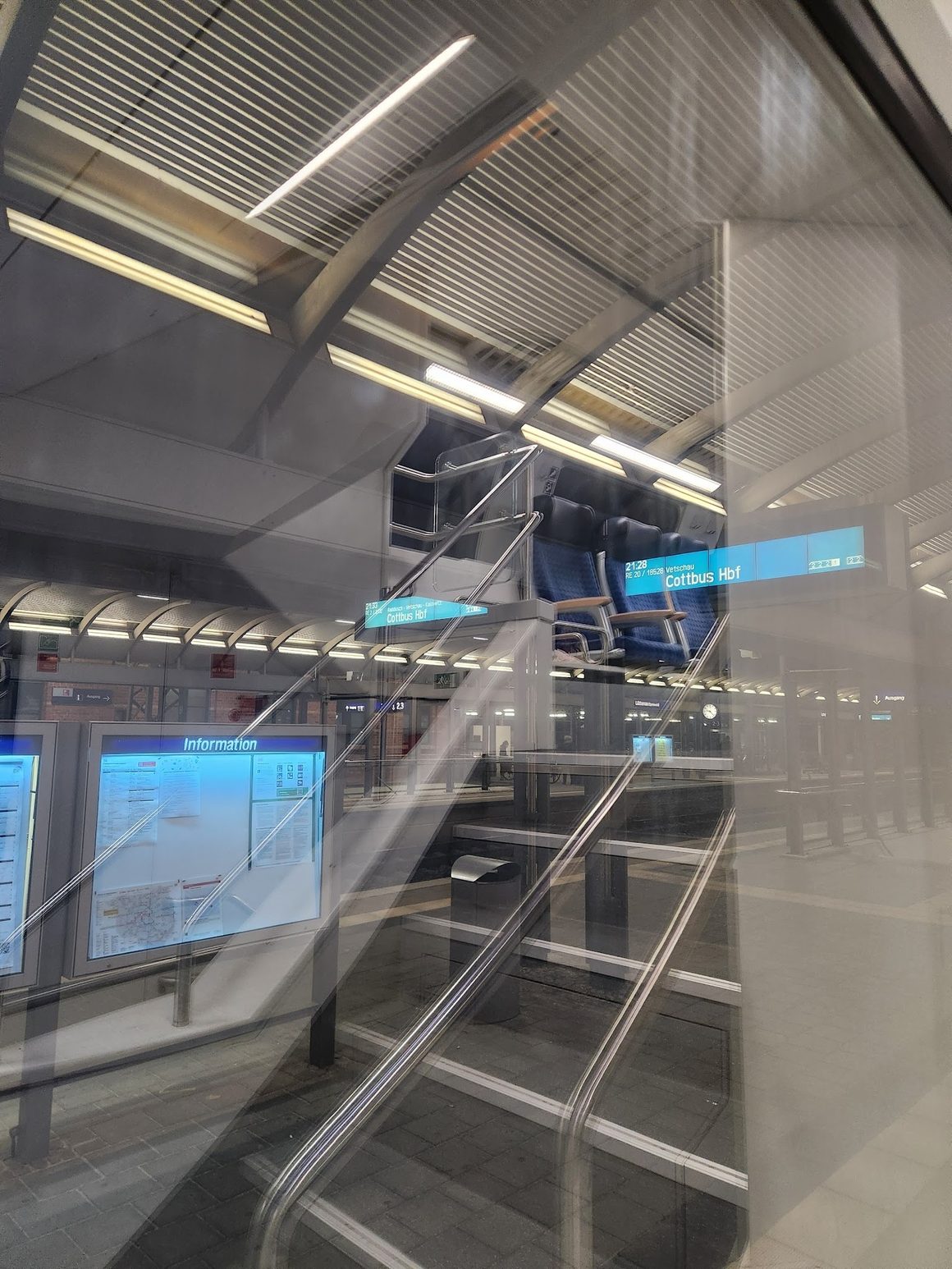
Waiting outside Cottbus Hauptbahnhof (main train station) for my bus back home.
My field trip around Brandenburg certainly reinforced this belief: Nigeria needs trains that mobilise its economy, and she needs them now.