
Living in Lagos means you absorb the mechanics of commercial transit by force. I know the rhythm of this city like the back of my hand. I know which side of the highway to stand on at Ikeja along during the evening rush, how to negotiate with a danfo conductor whose temper is flaring and the exact window when app-based ride-hailing fares will explode into surge pricing.
But stepping out of your primary domain and moving across the country strips away that automatic muscle memory. In recent times, I’ve been to cities like Enugu, Abuja and Jos, and they’ve forced me to unlearn the Lagos handbook and adapt to three completely different urban transport systems.
The Lagos Baseline

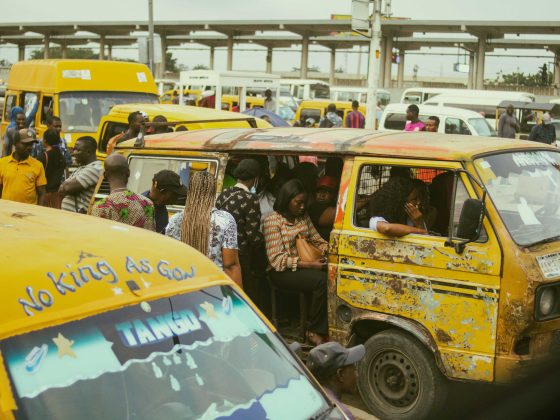
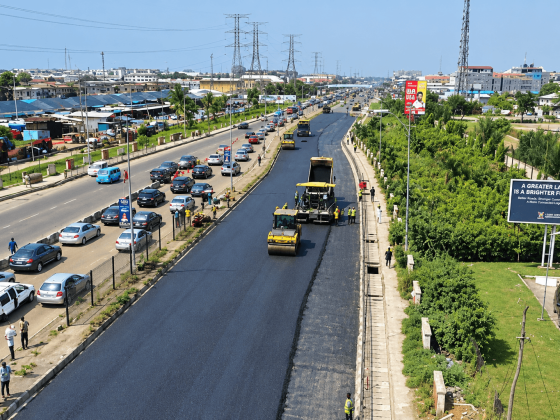
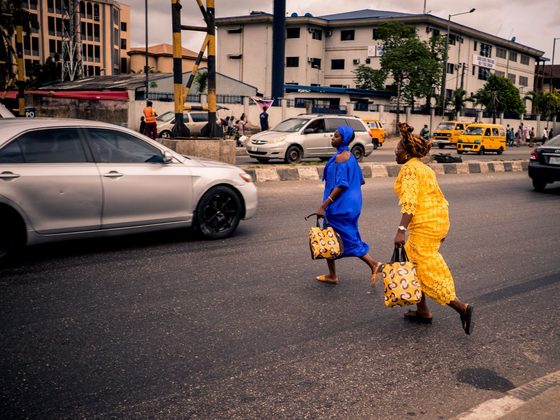
In my home base of Lagos, transportation is an exercise in controlled chaos. The entire transport ecosystem relies on the relentless movement of yellow commercial buses known as danfo and smaller—also typically yellow—minibuses called korope. These vehicles operate like capillaries, pumping millions of commuters through endless gridlocks from Oshodi to CMS, and from Ikeja down to Victoria Island.
Yet, Lagos maintains strict structural boundaries. If you watch traffic along major expressways, such as the Lagos-Ibadan expressway or the Lekki-Epe expressway, you will notice a glaring absence. Tricycles, popularly called keke, are officially banned from plying major expressways and highways in Lagos. They are relegated to inner streets and residential feeder routes.
Furthermore, the economics of app-based ride-hailing in Lagos operate on a completely different scale compared to other Nigerian cities. Booking a Bolt in Lagos often carries a significantly heavier financial penalty. This is driven squarely by raw supply and demand dynamics combined with crippling operating costs. With millions of desperate commuters trying to escape punishing traffic, surge pricing is a constant reality. Fuel prices, vehicle maintenance costs in gridlocked traffic and high platform commissions inflate ride-hailing fares to levels that make everyday commuting a luxury.
Behind this frantic movement lies a stark economic reality. In Lagos, transit costs consume an outsized percentage of a commuter’s daily wage. A typical blue-collar worker earning minimum wage or slightly above can easily spend 30 to 40 per cent of their daily income just navigating Danfo hops and Korope connectors to get to work and back. On the driver’s side, Danfo operators face a gruelling daily revenue target: high fuel costs, union (agbero) levies collected at almost every bus stop and vehicle lease repayments mean a driver must work 14 to 16 hours daily just to break even before earning a meagre personal take-home pay.
The Enugu Rhythm
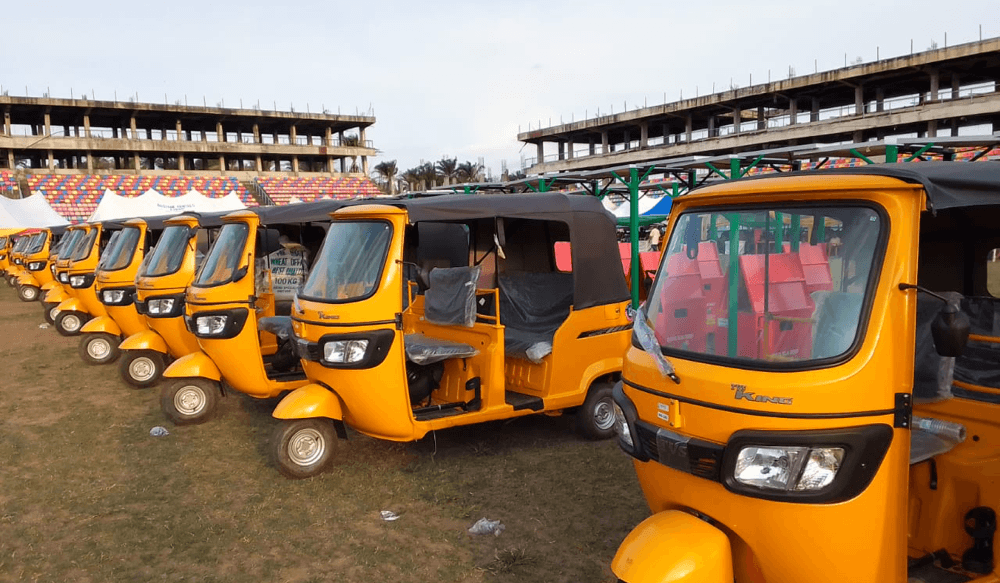
Moving east into Enugu presents an entirely different mobility landscape. If Lagos feels like a high-speed machine, Enugu feels like a city that breathes at a more deliberate, community-driven pace. In Enugu, public transport is dominated by minibuses, which locals universally refer to as shuttles, and an overwhelming presence of tricycles.
What immediately catches the eye of any traveller coming from Lagos is the sheer ubiquity of the keke. In Enugu, kekes do not respect expressway boundaries. You see them navigating major transit corridors and expressways with casual confidence, blending seamlessly with private saloon cars and delivery trucks.
This total reliance on tricycles has shaped local tech innovation. Keke culture is so deeply entrenched in Enugu that regional ride-hailing apps have integrated tricycles directly into their booking options alongside standard cabs. If you open a ride-hailing application in Enugu, you are just as likely to summon a verified keke as you are to book a saloon car.
Another feature of moving around Enugu is the concept of the keke drop. When you want to avoid the crush of public transport shared with half a dozen other passengers and heavy luggage, you simply flag down a keke and negotiate a private charter fee. Once you agree on a specific cash or digital amount with the driver, the tricycle becomes yours exclusively. It takes you directly to your exact doorstep without any additional passenger pickups along the way. It offers the privacy of a taxi at a fraction of the cost, making it the go-to transit mode for locals running urgent errands.
Economically, Enugu’s transit system mirrors the spending capacity of its working population. Thanks to the keke’s modest acquisition costs and low maintenance needs, operators keep fares reasonable while earning a steady daily wage. This balance prevents transit fees from becoming a crushing financial burden for civil servants, traders and students, allowing residents to navigate the city without surrendering a massive chunk of their daily income.
The Abuja Grid
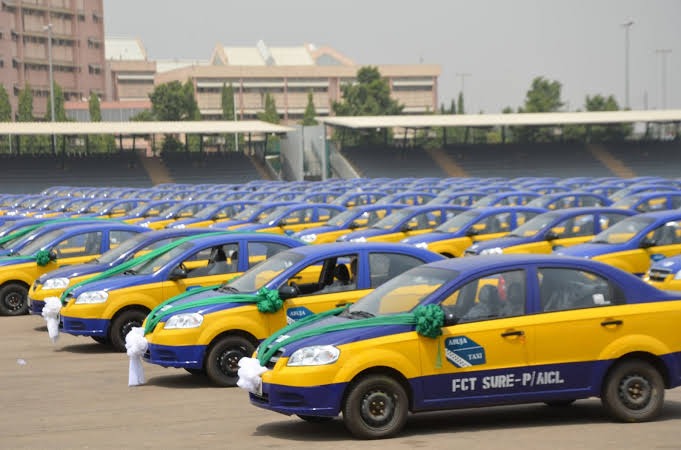
When you move north toward Abuja, the character of public transport changes once again. The Federal Capital Territory is defined by wide multi-lane highways, expansive roundabouts and meticulous urban planning. This architectural layout immediately dictates how people move.
Unlike Lagos with its swarm of danfos or Enugu with its sea of shuttles and tricycles, Abuja is predominantly a city of cabs. Unpainted and painted commercial taxis form the bedrock of everyday commuting across districts like Wuse, Garki, and Maitama. These cabs operate on flexible sharing models or charter arrangements, navigating the smooth roads of the capital’s major arterial roads.
While tricycles are present, they are largely restricted to specific suburban zones, satellite towns, and secondary corridors like Mararaba, Nyanya, and Kubwa, rather than dominating the main commercial arteries of the city centre. Moving through Abuja feels methodical compared to the chaos of my home base, yet it lacks the intimate, neighbourhood-level trundle that defines Enugu streets. Even app-based ride fares in both cities remain far more predictable than in Lagos, largely because drivers are actually moving rather than burning fuel in gridlocked traffic on a bridge.
The economics of Abuja’s transit reflect its high proportion of public sector workers, diplomats and corporate professionals. Shared cabs offer an affordable compromise, charging modest fares per seat along structured routes, while private charters appeal to the higher earning capacity of the city’s civil service and business elite. Operators benefit from reduced mechanical wear and tear on smooth roads, keeping maintenance overheads lower than in Lagos despite longer driving distances.
The Cold Terrain of Jos
When I travelled up to the Plateau, I noticed immediately how familiar the street transport felt. Just like in Enugu, the tricycle is the absolute pulse of daily movement in Jos. It doesn’t defer to larger vehicles, nor is it relegated to quiet suburban fringes. Instead, it seamlessly stitches together the city core with outlying residential and commercial routes down toward Bukuru, navigating steep inclines, tight turns and sloping inner-city roads where traditional buses struggle to run efficiently.
The parallel extends directly into how tech and private chartering work on the Plateau. Just like in Enugu, ride-hailing platforms operating in Jos have adapted to the local reality by embedding keke directly into their app interfaces alongside regular cars. If you open your phone at Old Airport Junction or around Rayfield, booking an app-tracked keke is as routine as calling a sedan. The informal ‘keke drop’ culture is just as alive here, and you can also easily charter a tricycle for a private, direct run to your destination without sharing space or making unscheduled stops.
Where Jos diverges, however, is in its operational tempo and local security rhythms. Unlike Enugu’s late-running streets or Lagos’s 24-hour hustle, Jos operates under strict early evening movement curfews for tricycles. Navigating the town on assignment meant constantly watching the clock, as the sea of keke thins out dramatically before dusk, leaving commuters to rely on shared taxis or plan their returns early. Yet, in terms of sheer accessibility and fare stability, getting around Jos relies on grounded local rates that mirror the affordable, community-driven transit style I first observed in Enugu.
The low-cost structure of keke transit in Jos directly matches the local economic baseline, catering to a population heavy with university students, agricultural traders and civil servants. A few hundred Naira can cover multi-kilometre trips across hilly terrain, making mobility accessible even on tight household budgets.
Regional Nuances Across the Map
Beyond these four hubs, every region in Nigeria has adopted a specific vehicle model tailored to its economic income and geography.
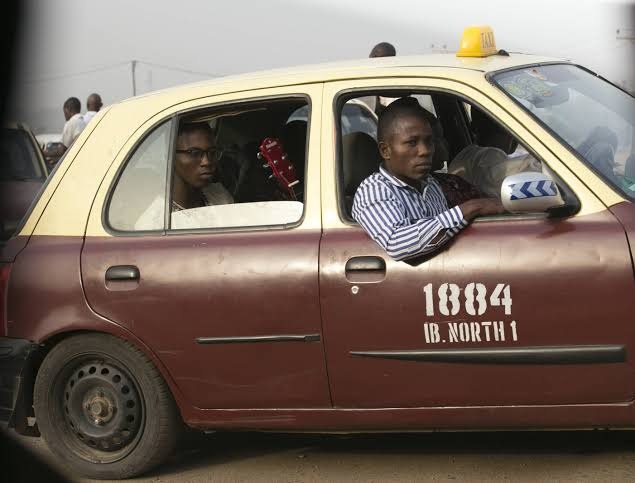
In Ibadan in Oyo State, I’ve heard about the red-and-yellow Nissan Micras. Compact, extremely fuel-efficient and capable of weaving through ancient inner-city alleys, the Micra operates as a high-density, low-fare shared taxi. Drivers run them on shoestring budgets, offering cheap fares that fit the modest daily income of local traders and students.
And in Benin City, we are presented with a completely different vehicle preference: the Toyota Yaris and Corolla hatchbacks dominate the shared taxi routes. Their choice could be driven by durability and fuel economy on mixed road surfaces. These regional variations prove that public transport in Nigeria is a precise mathematical formula that balances vehicle cost, fuel consumption, road infrastructure and local earning power.
The Journalist’s Notebook
Noticing the public transport situation across these state lines reinforced a clear reality that there is no single national template for Nigerian public transit. Lagos relies on high-capacity minibuses and rigid expressway restrictions to manage extreme human density. Enugu transforms the modest tricycle into an all-access, tech-integrated utility vehicle. Abuja depends on an orderly fleet of shared taxis navigating wide capital avenues, while Jos mirrors Enugu’s keke-first playbook while tailoring it to its unique terrain and local curfews.
Every city I step into has engineered its own survival strategy on the road, proving that the vehicle you hail tells you just as much about a city’s economy as the destination itself.
Covering the transport situation in these places has only sharpened my curiosity, as there is still so much of Nigeria’s automotive landscape left to document. I find myself looking ahead to future travels to cities like PortHarcourt, Kano, Sokoto and Calabar, wondering whether their streets will present entirely new mobility models or echo the familiar patterns I’ve documented in Lagos, Enugu, Abuja and Jos. Until then, I keep my notebook ready, watching how this nation continues to move.