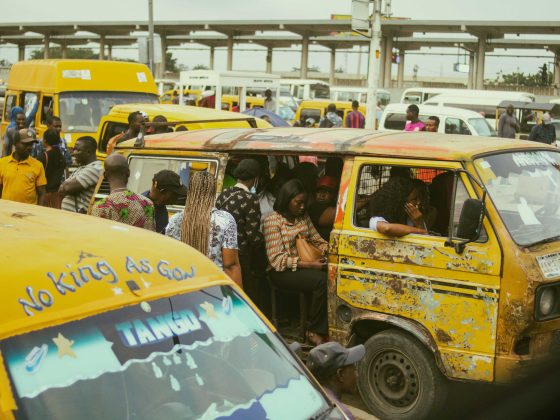

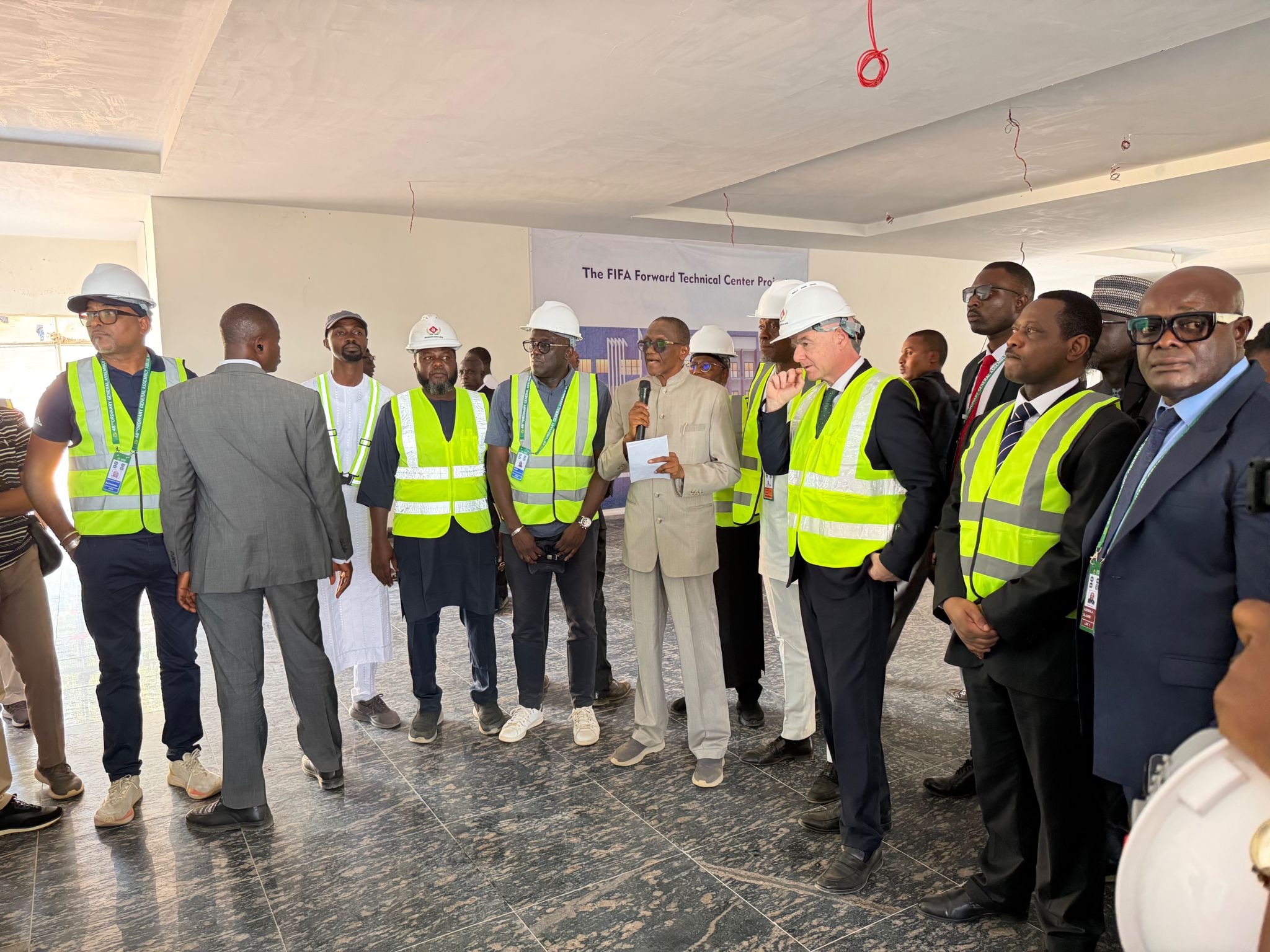
FIFA President Gianni Infantino gave Nigeria a blunt reality check this week after inspecting football facilities in Abuja and Warri. He said Nigeria is not ready to host the FIFA World Cup today, even while acknowledging that the country holds all the cards if it invests in core infrastructure like stadiums, hotels, airports and transportation.
His comments have reopened a conversation about Nigeria’s long-standing ambition to host major international sporting competitions. For a country with the world’s sixth-largest population, a strong football following and a history of producing some of the sport’s biggest names, the idea of bringing the World Cup home is understandably attractive. Nigeria has hosted the Africa Cup of Nations and staged FIFA youth tournaments across different parts of the country.
However, hosting the World Cup requires more than having enough stadiums to play football. It requires a transport system capable of moving thousands of people between airports, hotels, training grounds, stadiums, fan zones and other locations, often within tight schedules. It also requires those journeys to happen without bringing ordinary city movement to a standstill.
A World Cup Is a Transport Operation as Much as a Football Tournament
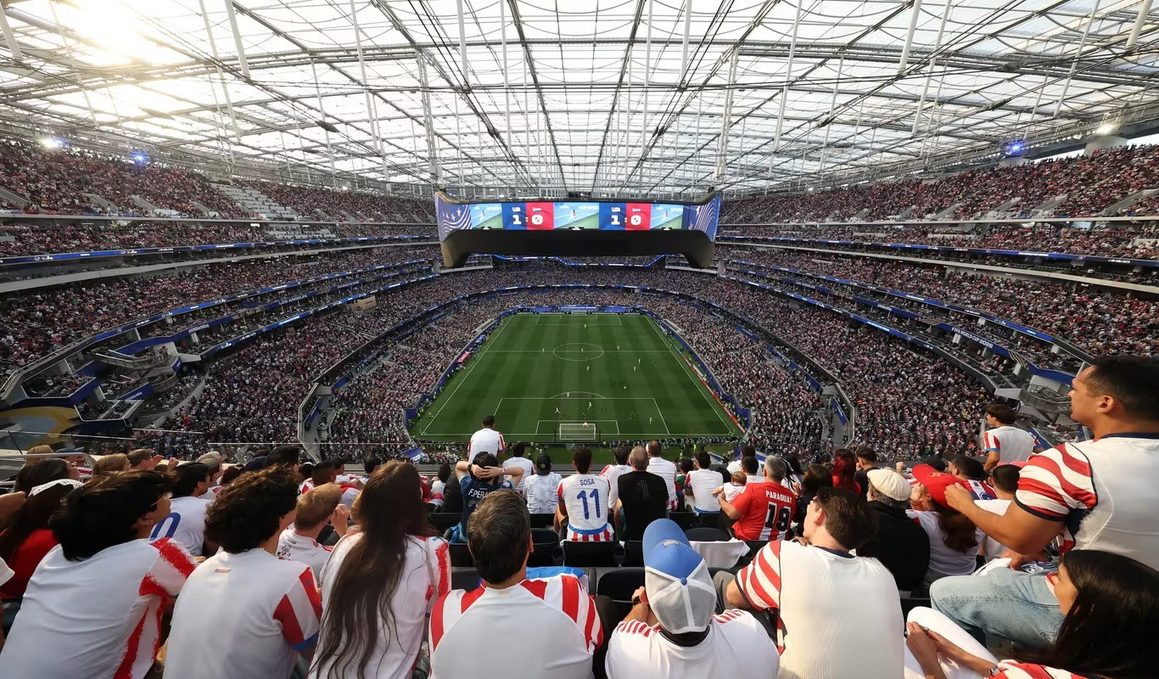
The 2026 FIFA World Cup, which concluded in July, offers a useful picture of what hosting the competition now involves. Canada, Mexico and the United States hosted the first 48-team edition across 16 cities, where teams played 104 matches over 39 days. FIFA recorded a cumulative stadium attendance of 6,810,966, averaging 65,490 spectators per match, while stadiums operated at 99.7 per cent capacity.
Those numbers represent attendance across matches, rather than 6.8 million distinct visitors. Even so, they show the volume of movement that a tournament of this size generates. Supporters travel between cities, teams move between training facilities and match venues, broadcasters transport equipment, and thousands of accredited workers operate across the competition.
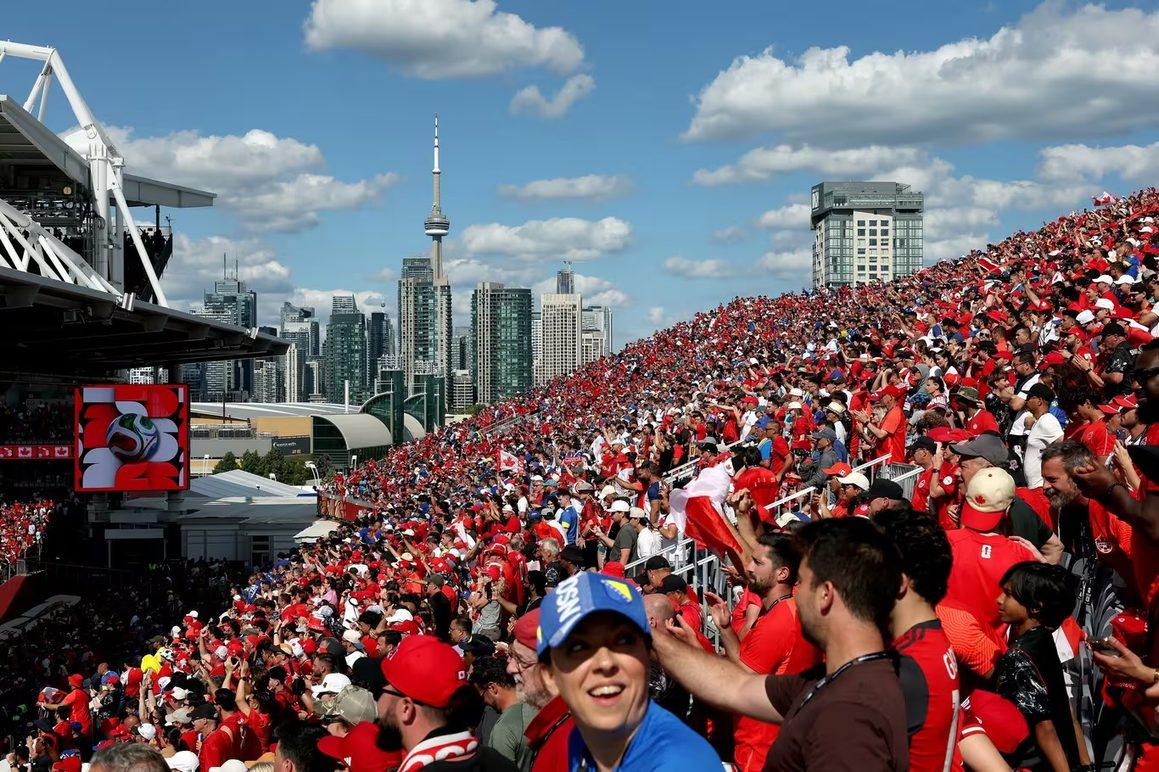
FIFA’s account of the 2026 tournament also recorded 645 official sites, 48 team base camps and more than 11,000 team movements. Nearly 300,000 accredited personnel supported tournament operations, alongside more than 43,000 volunteers and 73,700 accredited security personnel.
Organisers must therefore manage the movement of people and equipment as a major part of the event. A country hosting the tournament must plan for the journeys that happen before and after matches, including airport transfers, hotel shuttles, team transportation, media operations and the trips spectators make to unfamiliar parts of the city.
For Nigeria, this raises a couple of practical questions. How would supporters arriving at Murtala Muhammed International Airport get to hotels in Victoria Island, Ikeja or other parts of Lagos? How would people attending a match in Abuja travel from the airport to their accommodation and then to the stadium? What happens when thousands of spectators leave a venue at the same time and compete for space with residents returning from work?
These are ordinary transport questions, but a World Cup would multiply them across several cities and over a sustained period. The ability to move people efficiently would influence the experience of the tournament just as much as the quality of the stadiums.
Nigeria Has Hosted Major Football Tournaments Before
Nigeria’s history of hosting international football provides a useful starting point for this conversation. The country hosted the Africa Cup of Nations in 1980, when the Super Eagles won their first continental title on home soil. Twenty years later, Nigeria co-hosted the competition with Ghana in 2000, and the teams played the final in Lagos.
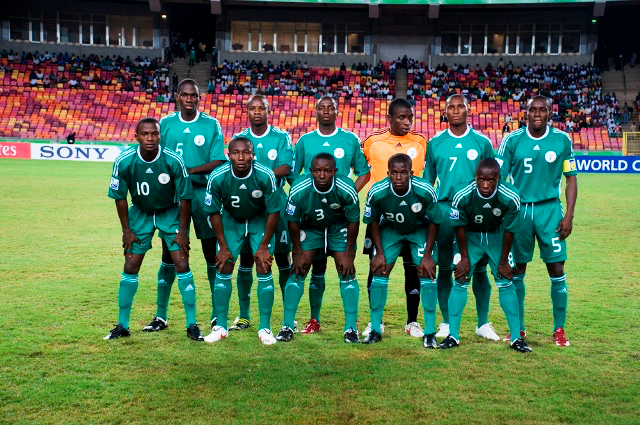
Nigeria also hosted the FIFA U-20 World Cup in 1999 and the FIFA U-17 World Cup in 2009. The latter brought 24 national teams to the country, and teams played matches across eight cities, including Abuja, Lagos, Enugu, Kano, Calabar, Ijebu-Ode, Kaduna and Bauchi. The Golden Eaglets reached the final before losing 1-0 to Switzerland at the National Stadium in Abuja.
These tournaments demonstrated that Nigeria could mobilise resources, prepare venues and welcome international teams. They also left behind useful experience in event organisation, security, accommodation and sporting infrastructure. However, the 2009 U-17 tournament also provides an important distinction. FIFA had raised concerns about delays in preparations during an inspection visit in May that year, giving some venues additional time to meet the required standards. The tournament eventually went ahead, but the experience showed that meeting hosting requirements involves more than announcing venues and preparing for opening day.
A senior men’s World Cup presents a different level of demand. The number of teams, matches, spectators, media organisations, commercial partners and support personnel is significantly greater. The expansion to 48 teams and 104 matches has made the modern tournament even more demanding. Nigeria’s previous hosting record should therefore be viewed as experience to build on, rather than proof that the country is already equipped for the next level.
Morocco Is Preparing Beyond the Stadiums

Morocco provides a useful African comparison because its preparations for the 2030 FIFA World Cup extend beyond the construction and renovation of football venues. The country will co-host the tournament with Spain and Portugal, and its infrastructure programme includes investments in railways, airports, roads and urban transport.
We previously examined part of this strategy by exploring Morocco’s plans to introduce electric buses, its partnership with the Korea International Cooperation Agency, and the wider effort to modernise public transport ahead of 2030. The project includes a $13 million agreement under which Morocco will procure 20 electric buses between 2025 and 2028 and provide technical training and maintenance support. Morocco has also outlined a broader ambition to acquire 7,000 new buses by 2030, with electric vehicles forming part of the planned fleet.
These developments are significant because they show how a major sporting event can become part of a wider transport strategy. The buses are not intended to serve only football supporters during the tournament. They are also expected to contribute to the everyday movement of residents after the competition has ended.
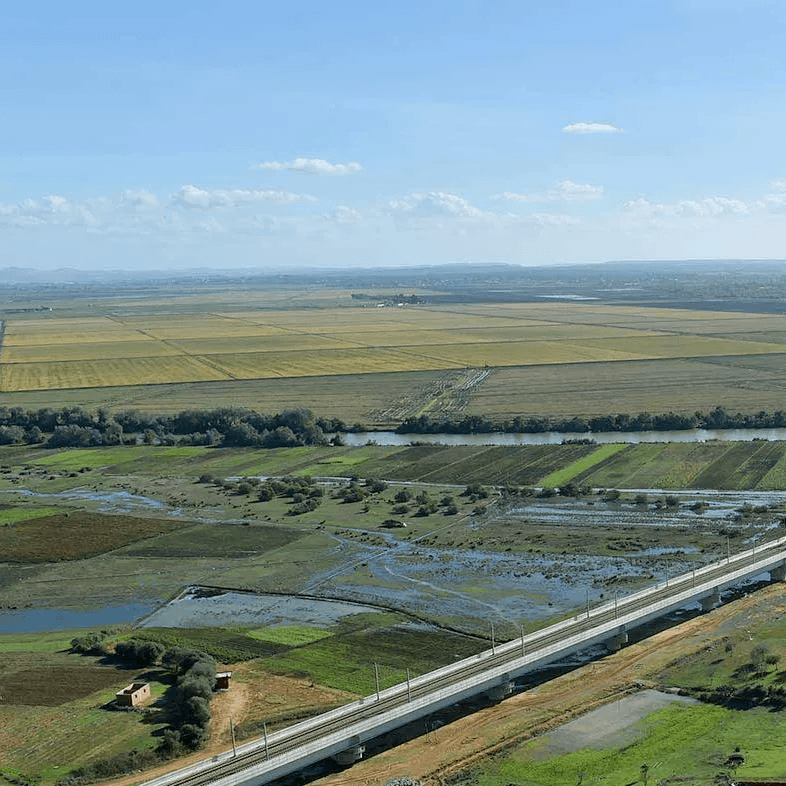
The country’s railway plans are equally important. Morocco’s Al Boraq high-speed rail service already connects Tangier and Rabat, with further expansion planned towards Casablanca and Marrakech. Its wider infrastructure programme includes regional and commuter rail improvements, airport upgrades, new roads and changes to urban transport networks.
An International Monetary Fund assessment published in March 2026 estimated that Morocco’s accelerated infrastructure investment programme for 2024 to 2030 would amount to approximately 190.3 billion Moroccan dirhams, equivalent to 11.9 per cent of its 2024 GDP. The programme covers railways, airports, roads, stadiums and urban and tourism infrastructure. The railway component accounts for the largest share of the planned spending, including high-speed and regional commuter networks. The programme will fund a new terminal in Casablanca and modernise five other airports.
Morocco’s preparations are not without challenges. Reporting during the 2025 Africa Cup of Nations highlighted concerns about stadium access, road congestion and the pressure a World Cup could place on conventional rail services. The Marrakech stadium, for example, experienced crowd-management difficulties because of its location and limited access routes. That is an important part of the comparison. Even a country with more developed transport infrastructure must consider how spectators will get to and from stadiums. Having a railway line somewhere in the city does not automatically mean that it serves the stadium or provides enough capacity for matchday crowds.
Morocco’s preparations offer Nigeria a useful lesson in the sense that the tournament must be considered as part of a connected transport system, rather than a collection of stadium projects.
Nigeria’s Railway Network Still Has a Long Way to Go
Rail transportation would be an important part of any Nigerian World Cup hosting plan, particularly if matches were distributed across several cities. It could reduce pressure on roads, provide predictable travel times and move large numbers of passengers between major urban centres.
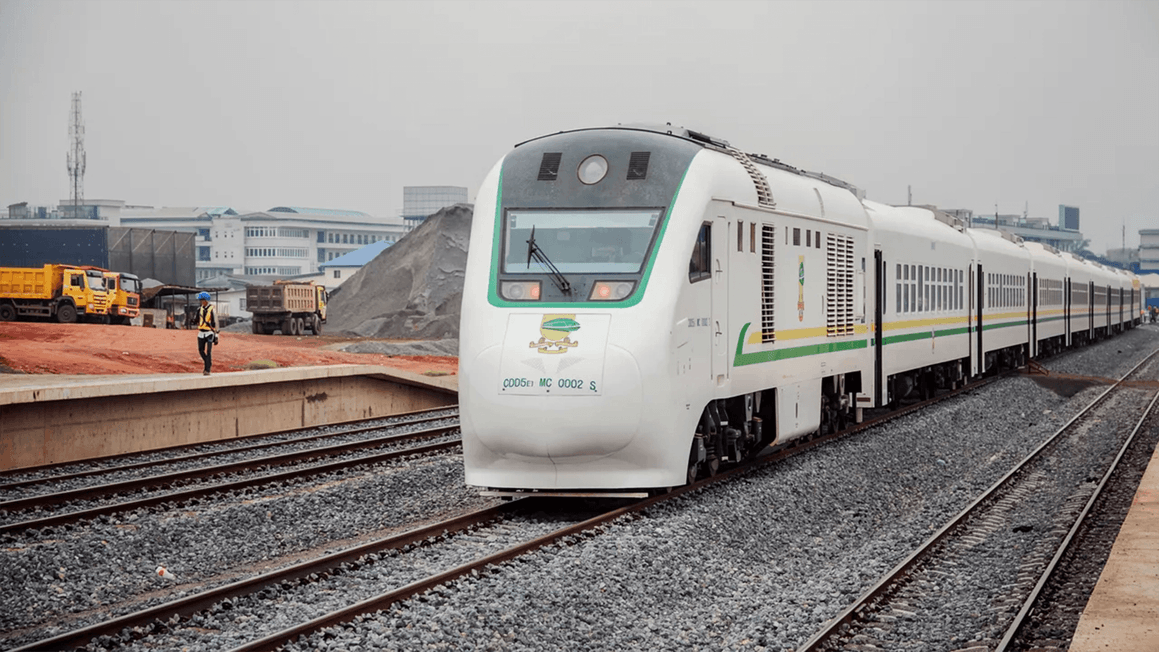
Nigeria has made progress in this area. The Nigerian Railway Corporation currently lists passenger services on the Lagos-Ibadan, Abuja-Kaduna and Warri-Itakpe corridors. These routes provide important connections and demonstrate the potential of rail transportation for both passengers and the wider economy.
However, the existence of these corridors does not yet amount to an integrated national passenger railway network capable of connecting all the major cities that might be considered for World Cup hosting. Consider a tournament involving Lagos, Abuja, Enugu, Port Harcourt and Kano. These cities are spread across different parts of the country, and their transport connections would need to support the movement of teams, officials, journalists and supporters. A passenger arriving in Lagos and travelling to another host city would need reliable connections, convenient schedules and sufficient capacity.
Railway services would also have to work alongside local transport systems. A passenger arriving at a railway station still needs a dependable way to reach a hotel, training facility or stadium. The same applies to people arriving at airports. Nigeria’s existing rail services are useful foundations, but the next stage would require more extensive connectivity, better integration with urban transport and a clear understanding of how the network would operate during a major international event.
The issue is also about reliability because the World Cup schedules are tightly organised. Teams cannot afford unpredictable delays when travelling to training sessions or matches, and spectators need confidence that they can reach venues and return to their accommodation safely. A transport system that works only under ordinary conditions may struggle when passenger numbers increase sharply.
Airports Are the First Point of Contact
International accessibility is another major part of the hosting equation. A World Cup brings visitors from different continents, including supporters, national teams, sponsors, journalists, broadcasters and other tournament personnel. Airports must be able to process increased passenger volumes while maintaining efficient connections to host cities.
Nigeria’s aviation sector already handles substantial passenger traffic. The Federal Airports Authority of Nigeria reported that domestic and international passenger traffic reached more than 18.8 million in 2025, representing an 11.9 per cent increase from the previous year.
This demonstrates the scale of the country’s existing aviation market, but a World Cup would introduce additional demands. Airports would need sufficient capacity for increased international arrivals, efficient immigration and baggage processing, reliable ground transportation and coordinated transfers to hotels and other destinations. The distance between an airport and a stadium or hotel is only one part of the problem. What matters is how long the journey takes, how predictable it is and how many passengers can be moved within a given period.
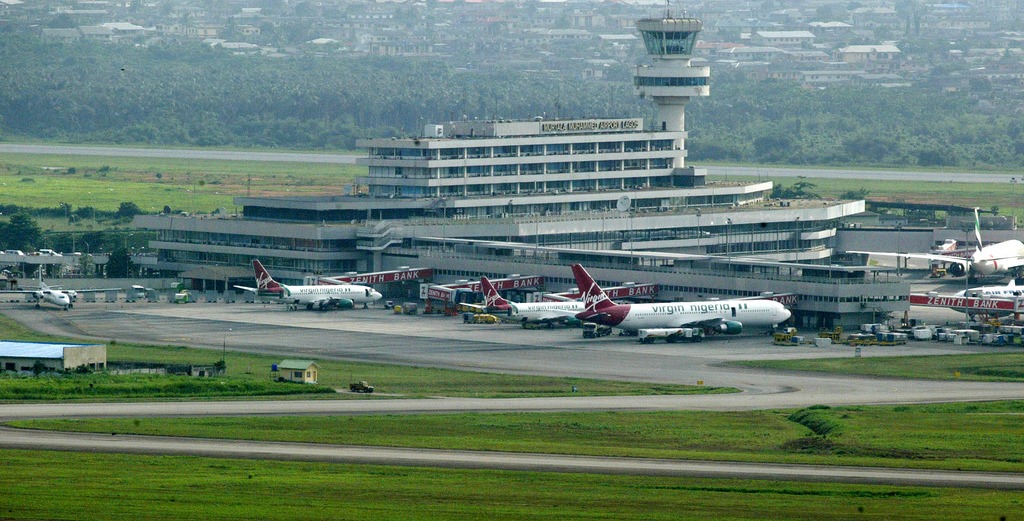
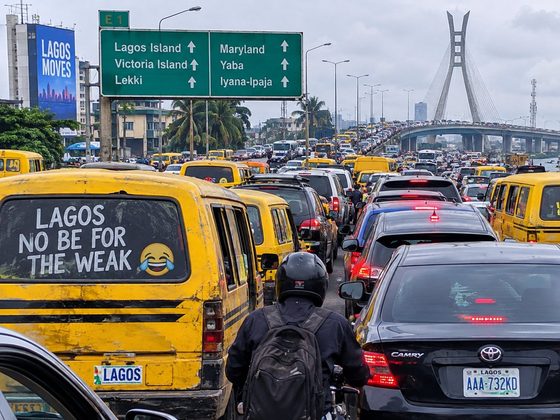
Let’s use Lagos as an example. Murtala Muhammed International Airport serves a city where road congestion can make relatively short journeys unpredictable. A visitor arriving for a match could spend a considerable amount of time travelling between the airport, accommodation and stadium, depending on the location and traffic conditions.
The same questions apply to other potential host cities. Airports must connect effectively with public transport, roads and intercity travel options. Expanding airport terminals without improving the transport links around them would leave part of the problem unresolved.
The Problem With Moving People Inside Nigerian Cities
Perhaps the most difficult part of Nigeria’s World Cup ambition would be urban mobility. International visitors would not spend the entire tournament inside stadiums or hotels. They would need to move around cities, visit restaurants, attend fan festivals, explore tourist attractions and travel between accommodation and match venues. This is where the everyday weaknesses of Nigerian urban transport systems become especially relevant.
Lagos has introduced the Blue and Red rail lines, while its BRT system, ferries and other public transport services provide different ways of moving around the city. Abuja also has a developing rail system and road network. Other major cities have their own public transport arrangements, although the availability and organisation of services vary.
These projects are important, but a World Cup would require more than the presence of individual transport options. The different services would need to function as part of a coordinated system, with clear routes, reliable schedules, convenient transfers and adequate passenger capacity. For example, a supporter arriving at a hotel in Ikeja should be able to understand how to get to a stadium without relying entirely on private taxis. A fan travelling from the mainland to an event on the Island should have predictable alternatives to sitting in traffic. The same principle applies to Abuja and every other proposed host city.
Public transport would also need to operate around match schedules. Games can take place in the afternoon or late at night, and spectators may leave stadiums after conventional working hours. Transport services would have to accommodate these movements, including late-night departures and the management of large crowds at stations and bus terminals. Nigeria’s transport system already struggles with many of these issues during ordinary periods. The World Cup would make them more visible and increase the consequences of poor coordination.
What Would Nigeria Need to Get Right?
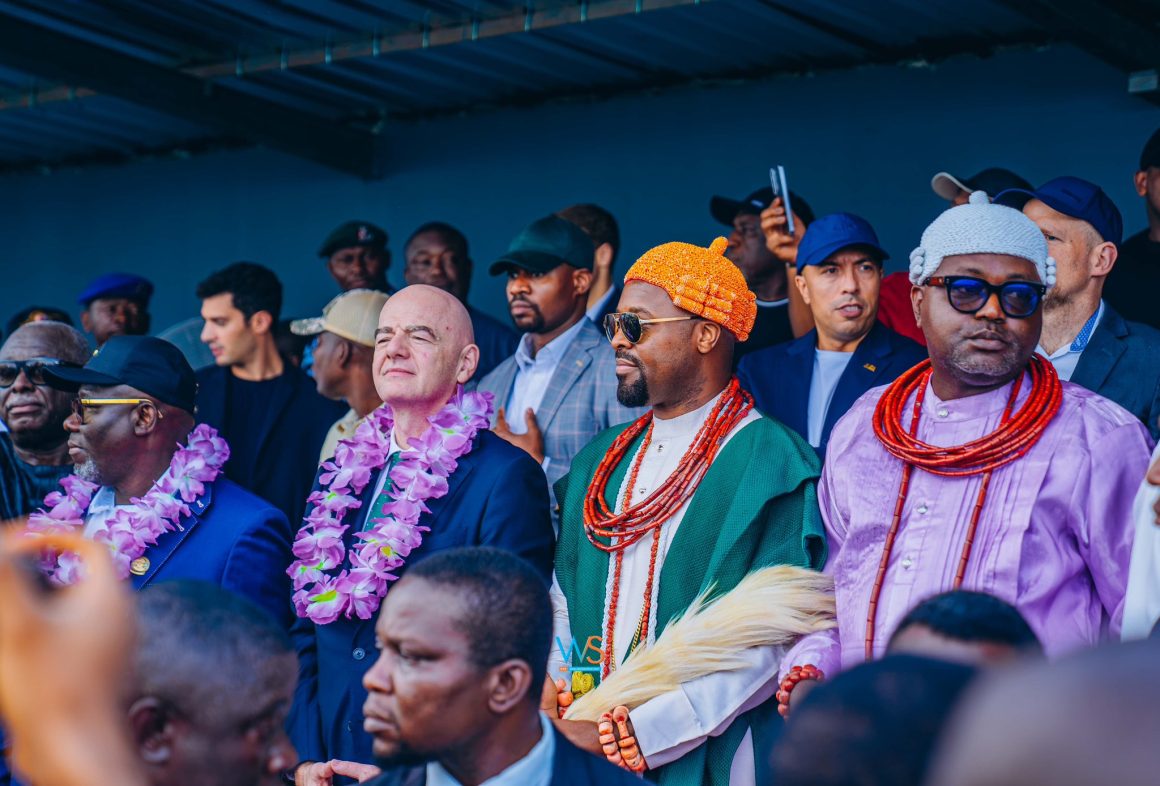
Infantino’s comments point towards the scale of work required before Nigeria can seriously pursue the hosting ambition. The country would need to identify the cities capable of hosting matches, assess their existing infrastructure and determine what additional investment would be required. This includes stadium access, road capacity, airport connections, expanded rail services and public transport systems that can move large crowds safely and reliably.
The challenge would also involve coordinating these systems. Federal and state governments, transport agencies, aviation authorities, railway operators, private transport companies and security agencies would need to work towards a shared plan. Roads, railways, buses and airports must connect in ways that make movement between hotels, stadiums, training grounds and other tournament locations predictable. This would require clear delivery timelines, adequate funding, proper maintenance and a realistic plan for managing traffic and crowds around match venues.
Nigeria has a foundation to build on. Its football culture, commercial activity and experience hosting the AFCON and FIFA youth tournaments demonstrate its capacity to attract and organise major sporting events. However, a senior men’s World Cup would demand a much higher level of preparation, particularly in the movement of people across several cities over an extended period.
For us at 234Drive, the transport question extends beyond the possibility of hosting a tournament. Better rail connections, reliable public transport, efficient airports and safer roads are already necessary for Nigeria’s growing cities and economy. The country does not need to wait for FIFA hosting rights to justify these investments.
The World Cup lasts a little over a month. The infrastructure developed in preparation for it would have to serve Nigerians long after the competition ends. Whether Nigeria can turn its hosting ambition into a coordinated, long-term transport programme is ultimately a more important question than whether it can stage the tournament itself.