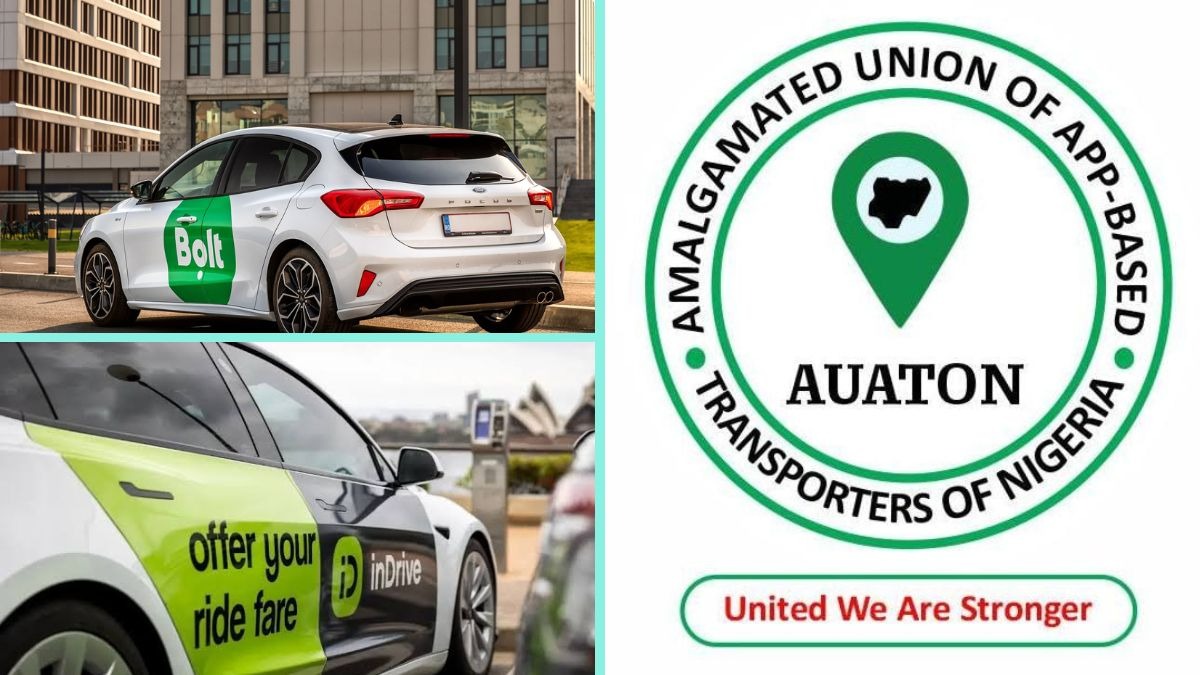
When the Amalgamated Union of App-Based Transporters of Nigeria (AUATON) called an indefinite strike by drivers using Bolt and inDrive, it escalated a long-running dispute over fares, commissions and operating costs. They expected the uproar to fade and drivers to return to work within days.
But drivers say they have reached a breaking point. After paying for fuel, platform commissions, repairs and other daily expenses, many are left with too little to justify staying on the road. This is not posturing, because many drivers now spend more to stay on the road than they earn from driving.
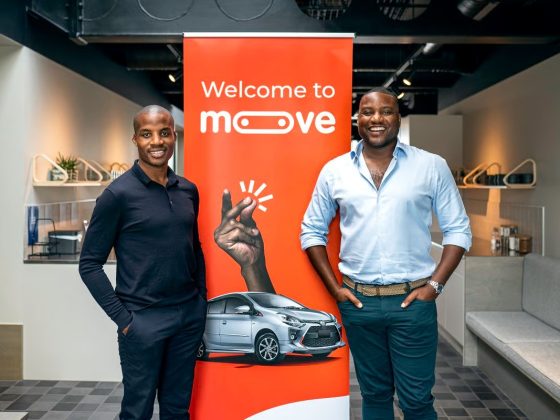
Coming just weeks after Uber’s exit from the Nigerian market and Moove’s sweeping fleet liquidation, the ongoing strike exposes an uncomfortable truth. The traditional Silicon Valley gig economy model, built on cheap fuel, subsidised credit and smooth roads, has collided head-on with the brutal economic architecture of contemporary Nigeria and shattered.
The Ledger of a Lagos Working Day
Strip away the corporate communications and the tech-firm rhetoric about empowering independent contractors, and look strictly at the daily financial sheet of an average e-hailing driver navigating the Lagos mainland.
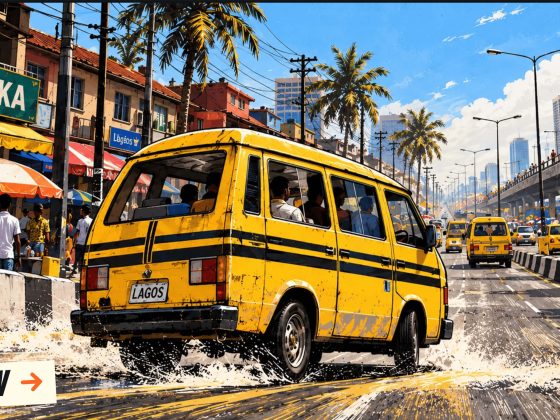
Assume a driver pulls a 12-hour shift, waking before dawn to beat the gridlock from Ikorodu or Sango-Ota to Victoria Island. Before a single naira reaches the driver’s pocket, the costs begin to pile up. Persistent petrol price hikes keep pump prices elevated, and a full day of navigating bumper-to-bumper traffic and completing trips burns through thousands of naira, often consuming a staggering share of gross earnings before midday.
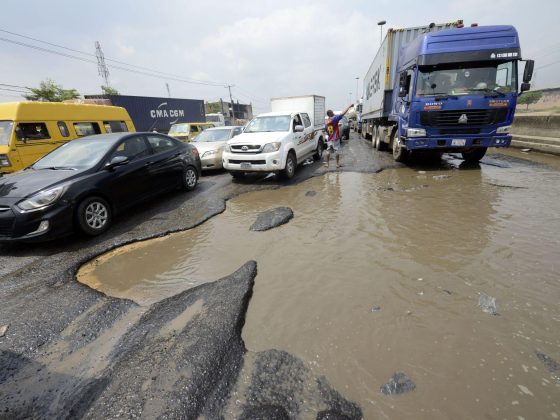
Bolt and inDrive then take their cuts through direct commissions and transaction fees, extracting their share regardless of whether the driver has spent two hours trapped in an unpaved, cratered bottleneck around Idi-Oro or along the Lagos-Abeokuta Expressway. The roads impose another penalty: every pothole struck on broken federal asphalt translates directly into a mechanic’s bill. Suspension repairs, frequent tyre replacements caused by jagged stone edges and accelerated engine wear mean vehicle maintenance is no longer a scheduled quarterly expense but a weekly emergency.
When you subtract fuel, platform commissions, data subscriptions and routine maintenance from a day’s gross ride revenue, the net return left for the driver is often less than the daily wage of a casual labourer.
The Monopoly Squeeze
The timing of this industrial action makes the stakes infinitely higher than previous driver protests.
For years, Lagos riders and drivers operated within a crowded ecosystem split among multiple competing multinational platforms. When Uber packed up its Nigerian operations after 12 years, thousands of stranded drivers and riders flooded Bolt and inDrive.
Instead of enjoying a windfall of high-value trips, drivers found themselves caught in a compressed duopoly. With fewer apps vying for market share, drivers had less leverage to negotiate rates that kept pace with soaring inflation and foreign exchange volatility. inDrive’s peer-to-peer bidding model and Bolt’s rigid commission structures both failed to absorb the massive, daily spikes in the cost of living.
When expenses outpace revenue to the point where working a full month leaves a driver unable to afford basic vehicle replacement parts, stopping the cars isn’t an act of rebellion. It is simple arithmetic.
What Happens When the Last Apps Go Dark?
As the strike takes hold across key transit nodes from Ikeja to Lekki, the standoff presents an existential threat to urban mobility in Lagos.
Platform operators like Bolt have expressed willingness to hold dialogue rounds and listen to driver grievances. Yet, roundtable talks cannot alter the fundamental macro-economic crisis facing the country. Fixing the gig economy in Nigeria requires more than cosmetic fare adjustments or temporary promotional bonuses.
Until app operators reckon with the true cost of vehicle depreciation on broken roads, hyper-inflated fuel prices and fair revenue splits, the digital taxi model in Nigeria will remain a high-speed race to the bottom. For now, the cars parked quietly along Lagos streets send an unmistakable message: you cannot run a modern transport network on broken math.