
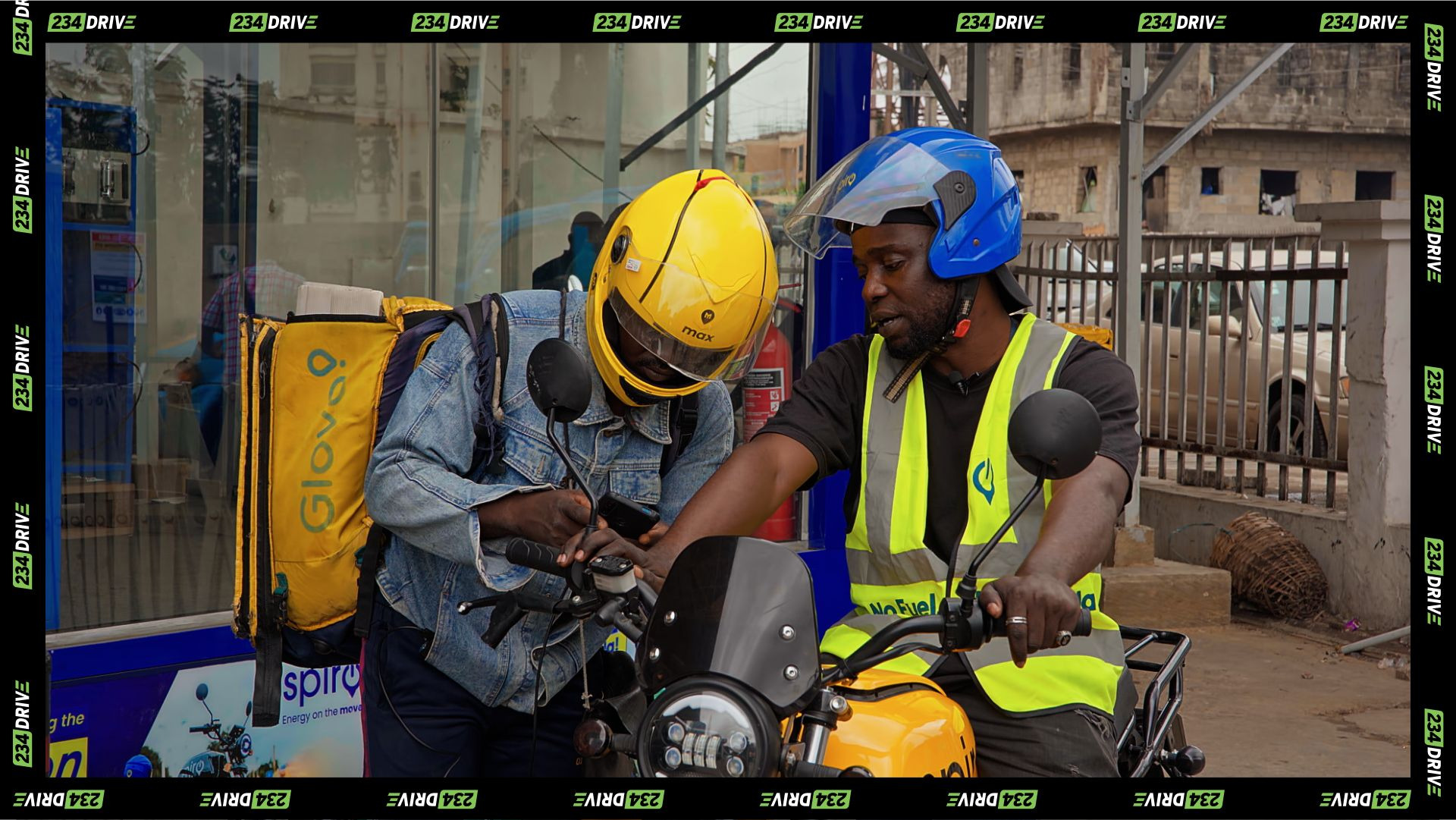
The first thing I noticed about the electric bike that delivered my food was how little there was to notice. The rider arrived, handed over the food and left, much like any other delivery rider would. There was nothing dramatic about the experience, except that the motorcycle itself was electric, which meant the sound of an engine was missing from what would otherwise have been an ordinary food delivery.
The delivery fee, however, looked the same as the delivery fee I always pay. I didn’t think much about it in the moment, but over time it began to raise the bigger question about the growing shift towards electric mobility in Nigeria. If an electric motorcycle can cost less to operate than a petrol-powered one, what happens to the savings when that motorcycle is being used to deliver something to you?
The obvious assumption is that cheaper energy should eventually mean cheaper delivery. But apparently, that’s not the case.
The Aesthetic of Efficiency
To understand what the electric bike represents, it is not enough to see it as a cheaper substitute for the petrol-powered motorcycle. In the hands of logistics companies, delivery platforms and fleet operators, it has also become a statement about the kind of business they want to appear to be.
For a logistics startup or venture-backed food platform, deploying a fleet of custom e-bikes sends several messages at once. It suggests that the company is modern enough to invest in new infrastructure, environmentally conscious enough to care about emissions and disciplined enough to reduce its exposure to Nigeria’s unstable fuel prices. Those signals matter in a market where companies are constantly trying to impress investors, attract corporate partners and win the trust of customers who associate new technology with better service.
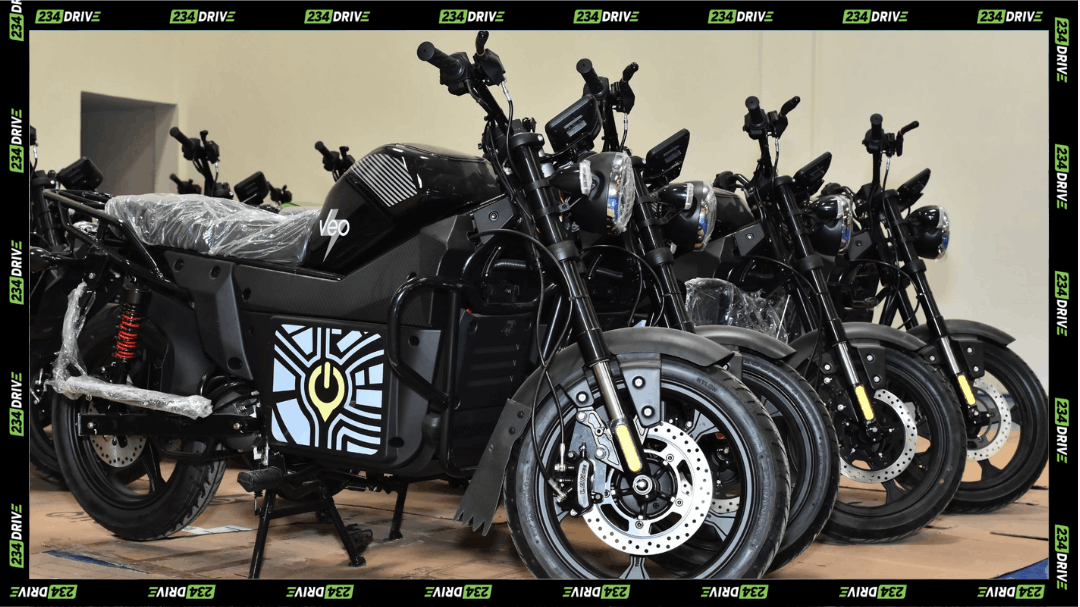
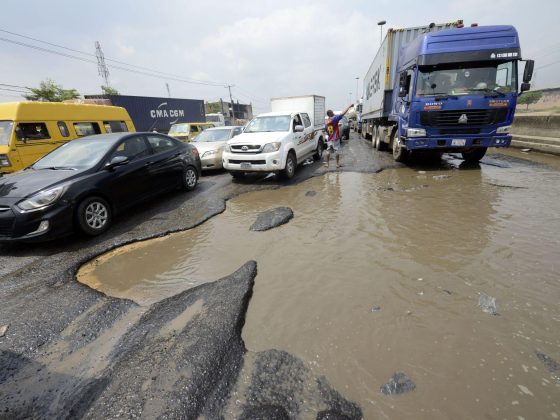
The financial case is even more persuasive. A petrol-powered dispatch rider can spend several thousand naira on fuel in a single day. At current prices, that may mean roughly ₦10,000 to ₦15,000 before accounting for engine oil, routine servicing, worn-out parts and the repairs that come with navigating Nigeria’s roads. Multiply that cost across dozens or hundreds of riders, and fuel becomes one of the largest recurring expenses in a delivery operation.
An electric bike, operating on a centralised battery-swap network, eliminates petrol entirely, bringing daily energy costs down to a fraction of that figure. In a normal, competitive market, a 50 percent drop in core operational costs would trigger a price war, forcing companies to cut delivery fees to win over customers. But this is Nigeria and the prices of things hardly ever drop. Instead, those cost savings simply stop at the corporate ledger.
The Great Margin Capture
For the customer waiting at the door, green technology comes down to two practical questions: How quickly will the order arrive and how much will it cost? People do not order a package because they want to reduce emissions. They order because they need something delivered quickly at a price they can afford.
So where does the money saved on fuel go? Mostly, it stays with the company. This is the argument logistics operators tend to make when pressed on pricing. When Fez Delivery raised its own base price by 23 percent in 2024, CEO Seun Alley was upfront that the company was ‘taking serious blows to keep operations running’ and trying to ease customers into the adjustment rather than raise fees all at once. The logic operators lean on is that without cost-saving measures like electric bikes, price increases like that one would have been steeper still.
That argument is understandable, but it does not necessarily feel like savings to the person paying the bill. A price that has not increased is difficult to experience as a benefit, especially when wages have not kept pace with the cost of living.
What we are seeing is margin capture. The operator keeps the difference between the old cost of running the service and the new, lower cost of powering it. Those savings can improve profits, recover the substantial cost of importing lithium batteries and charging equipment, and provide protection against future economic shocks.
The electric bike may be cheaper to operate, but that does not mean the customer is paying less. For now, the technology is doing more to protect the company’s margins than to reduce the price of delivery.
The Same Thing Is Happening With Lagos’s CNG Buses
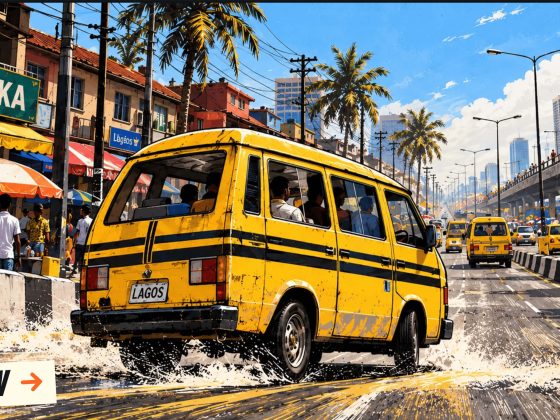
This isn’t unique to delivery bikes. The Federal Government has promoted compressed natural gas buses as a cheaper alternative to petrol for public transport, and certain routes, including corridors like Ajah to Victoria Island, now run CNG buses instead of the petrol ones that used to serve them. Commuters on those routes have continued paying the same fares, and in some cases higher ones, despite the switch to a fuel source that costs operators significantly less to run.
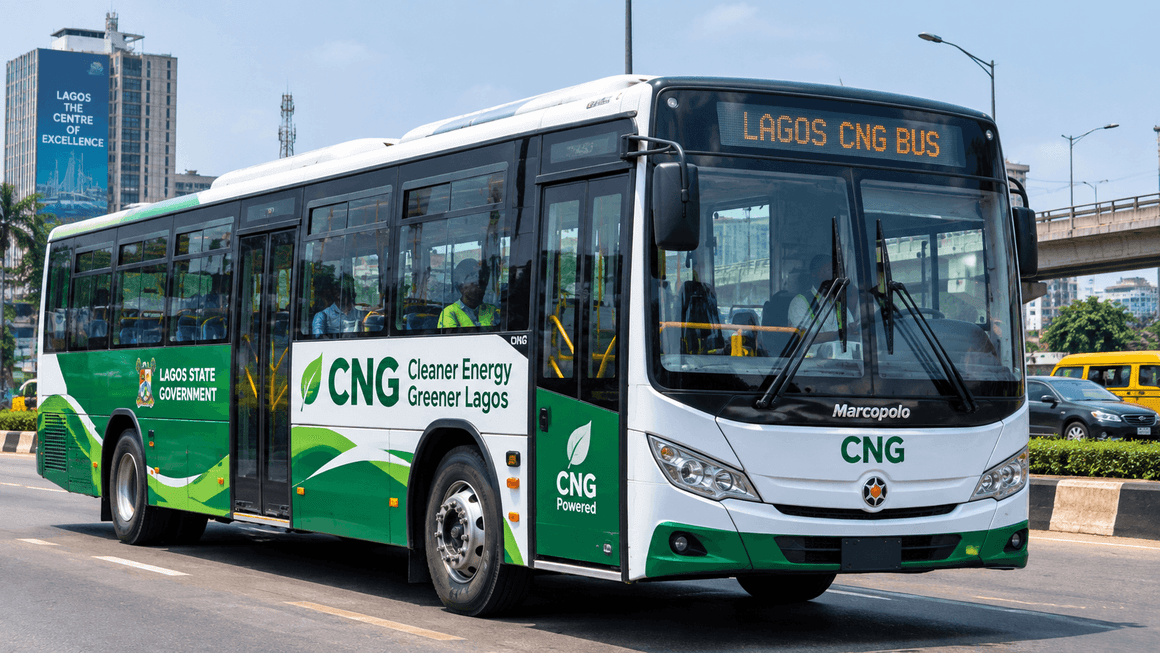
If a bus that costs less to fuel is charging the same price as one that doesn’t, the commuter feels zero benefit from the cheaper fuel source unless that savings actually gets passed down to them through a lower fare. Right now, on both the bus routes and the delivery apps, that passing down doesn’t appear to be happening.
Unmasking the Silent Revolution
The electric delivery bike is undeniably impressive engineering, and for a country wrestling with high energy costs, it offers a real blueprint for economic survival. But we should be clear-eyed about who this revolution actually serves. Right now, the e-bike is a win for logistics platforms trying to protect their margins, a win for startup founders pitching green metrics to international investors and a win for riders who spend less time queuing at filling stations.
For the everyday Nigerian customer opening their wallet, however, the revolution remains strictly aesthetic. Until logistics platforms use their cheap kilowatt-hours to actually reduce the bill at checkout, that quiet, high-tech motorcycle pulling up to your gate isn’t a sign of lower prices. It’s just a very expensive piece of corporate PR that you are continuing to subsidise.