
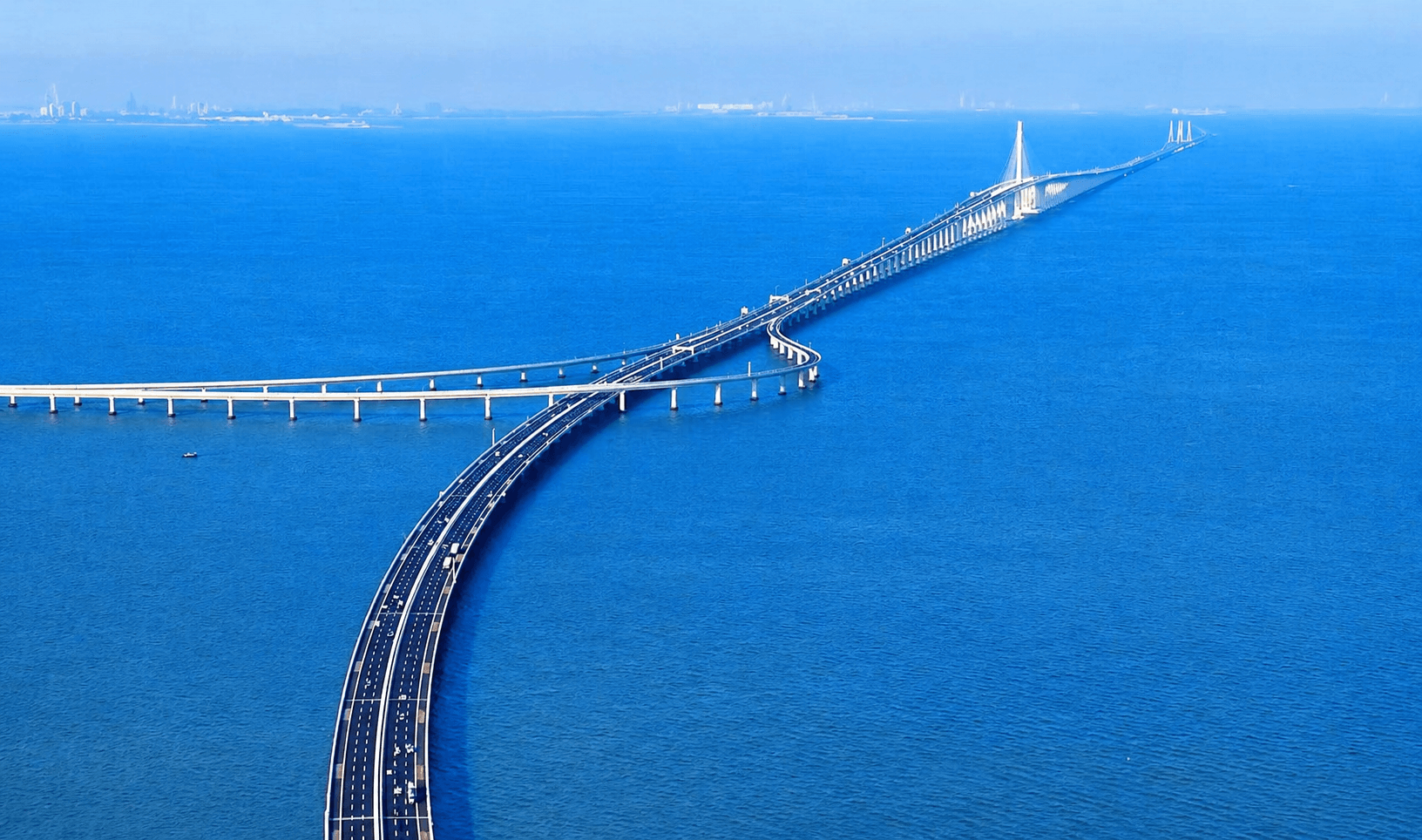
The Federal Ministry of Works has defended its decision to alter the route alignment of the Lagos-Calabar Coastal Highway, shifting sections of the corridor inland to connect directly with the existing East-West Road.
The realignment, which affects Sections 4A and 4B of the coastal highway, comprising 27 kilometres in Ogun State and approximately 40 kilometres in Ondo State, has generated public debate and formal petitions from regional stakeholders.
Geotechnical Challenges and the 100-Meter Pit Dilemma
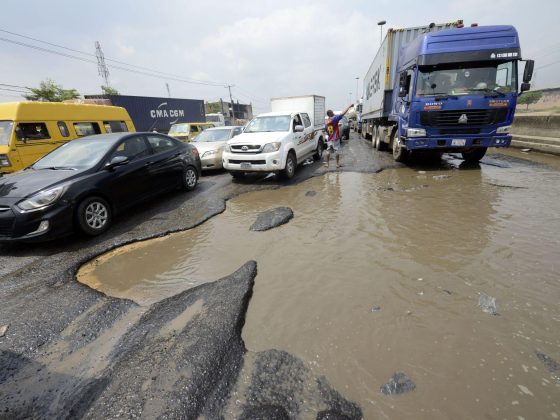
Addressing the controversy, Minister of Works David Umahi stated that the route modification was necessitated by severe geographical and engineering constraints along the original coastal path. According to the ministry’s geotechnical surveys, the initial alignment traversed terrain with pits exceeding 100 metres deep, and lacked stable foundational sharp sand for spans up to 300 metres.
Umahi noted that constructing a rigid concrete highway across such unstable terrain without local sand resources would have substantially inflated project costs and created long-term structural vulnerabilities.
‘You want me to pass through a terrain that you have over 100 metres of pits deep, and I have no defined sharp sand to 300 metres, and you expect the cost of one kilometre to be the same cost with a road passing through normal terrain?’ Umahi asked during an official briefing.
To navigate these obstacles, the ministry executed an engineering detour, redesigning the corridor to link into the East-West Road via the Ondo-Edo axis. The ministry reported that filling operations utilising over 10 metres (30 feet) of sharp sand are nearly complete on the adjusted route. Furthermore, federal authorities confirmed that sections of the East-West Road integration are being elevated by about two metres to protect the carriageway against anticipated climate change and flood levels.
Community Backlash and Petitions to Abuja
The route adjustment has drawn strong opposition from regional groups, notably the Ilaje Omuro Community Connect (IOCC). The organisation submitted formal petitions to President Bola Tinubu and the National Assembly, requesting an independent engineering assessment, a comprehensive cost audit and transparent public documentation regarding the alignment shift.
Local stakeholders within the coastal Ilaje communities of Ondo State argue that the diversion bypasses settlements originally slated to benefit from the economic and infrastructural integration associated with the national project. Their petition calls for legislative oversight to ensure that coastal populations receive fair consideration in national infrastructure planning.
In response to the public scrutiny, Minister Umahi stated that the administration welcomes legislative oversight while maintaining that the technical decision was necessary.
‘I am aware of petitions against me saying I diverted the Ondo section. I welcome that. That is how it is supposed to be because we are serving the public. You are subject to public scrutiny,’ Umahi stated. ‘But the important thing is whether you are doing the right thing or the wrong thing. We have no regret for decisions taken in Ondo.’
As construction advances across multiple regional phases, including active works in Akwa Ibom, Cross River and the Lekki corridor, the ongoing discourse highlights the operational tension between difficult geotechnical realities and regional equity in public works.