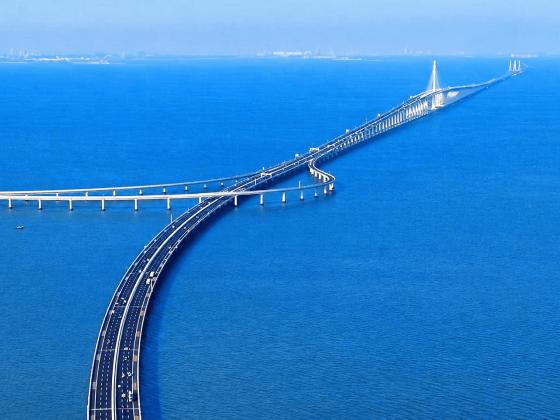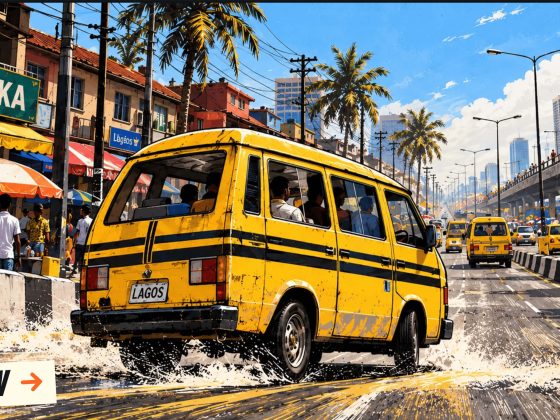
Lagos State Governor Babajide Sanwo-Olu and Minister of Works David Umahi say the Lagos-Calabar coastal highway did not cause the recent flooding in parts of Lagos.
Instead, they attribute the flooding to the days of heavy rain, the state’s coastal setting, blocked drains and weather conditions already predicted across Nigeria. The officials spoke after chatter on social media blamed the flooding in several communities on the ongoing highway construction.
State and Federal Officials Reject Claims Linking Coastal Highway to Lagos Flooding
Umahi revealed that President Bola Tinubu ordered an inspection of the Lagos-Calabar coastal highway after social media reports blamed the project for flooding in parts of Lagos. The minister visited Governor Babajide Sanwo-Olu on Monday alongside members of the National Assembly.
He rejected the claims, noting that flooding had affected several parts of Nigeria, not just Lagos. According to the Minister of Works, weather agencies had already forecast flooding in at least 22 states.
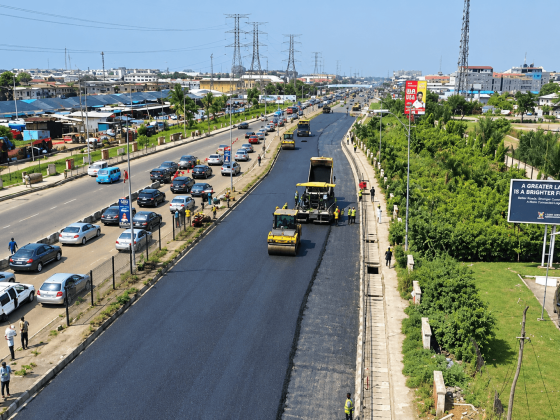
The coastal highway, Umahi explained, was designed above flood level to withstand ocean surges and protect the corridor for the next 20 to 30 years. Rather than worsening flooding, he said the project was helping to reduce flood risk around the area.
He added that some of the affected communities were already swampy before construction started. Buildings erected below approved flood levels, he argued, would remain exposed during heavy rainfall, whether or not the highway existed.
The minister also said the Federal Government would work with Lagos State on additional drainage infrastructure and service roads along the corridor. Some structures may be removed to create space for the work, but affected residents would be engaged before any action is taken.
Sanwo-Olu posited that flooding in Lagos must be viewed through the state’s coastal reality. Lagos occupies less than 0.4% of Nigeria’s landmass, while water covers about one-third of the state.
The governor noted that heavy rainfall can temporarily overwhelm drains, although floodwater often recedes after some time. He pointed out that some social media users are resharing images taken at peak flooding to exaggerate the current situation.
Sanwo-Olu also blamed blocked drainage channels and indiscriminate waste disposal for worsening urban floods. The state, he said, would continue enforcing environmental rules, including its ban on styrofoam, while expanding cleaning and drainage protection measures.
Federal Government Orders Dredging of Kuramo Lagoon to Ease Lagos Flooding
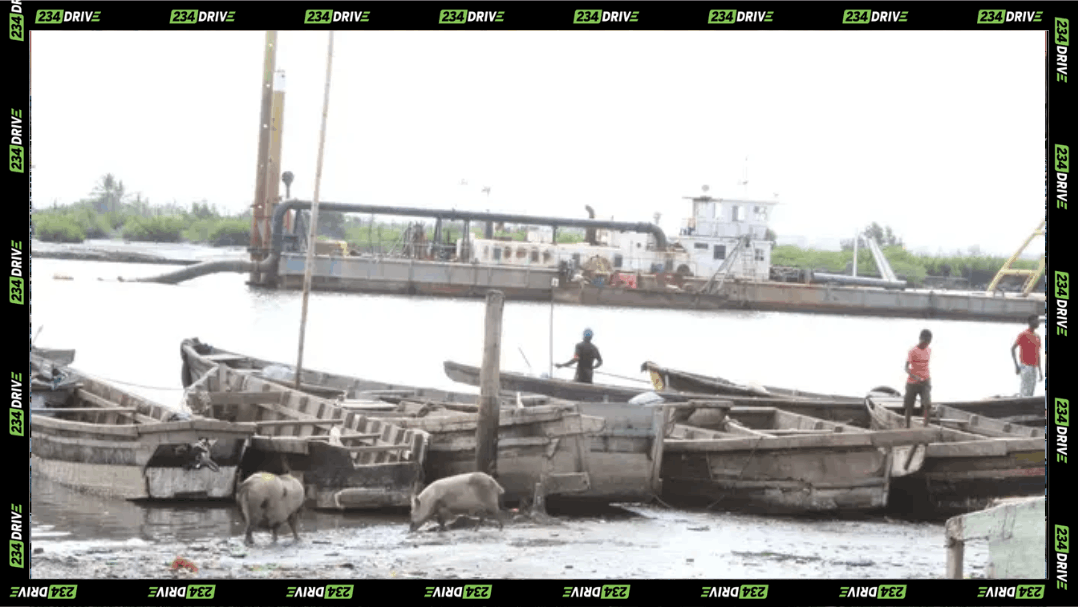
The Federal Government has ordered the dredging of Kuramo Lagoon after inspections showed that residents had illegally reclaimed parts of the water body with sand, weakening its role as a major flood collection point under Lagos State’s drainage master plan.
Minister of Works David Umahi said the blocked lagoon could no longer receive and channel floodwater properly, making nearby communities more vulnerable during heavy rainfall. He revealed that the Surveyor-General of the Federation had placed a warning sign at the site to stop further encroachment, while dredging would remove the sand deposits and restore the lagoon’s natural flow.
The minister emphasised that lasting solutions to current flooding problems would require more drainage work, service lanes and, in some cases, the removal of buildings obstructing natural waterways.