
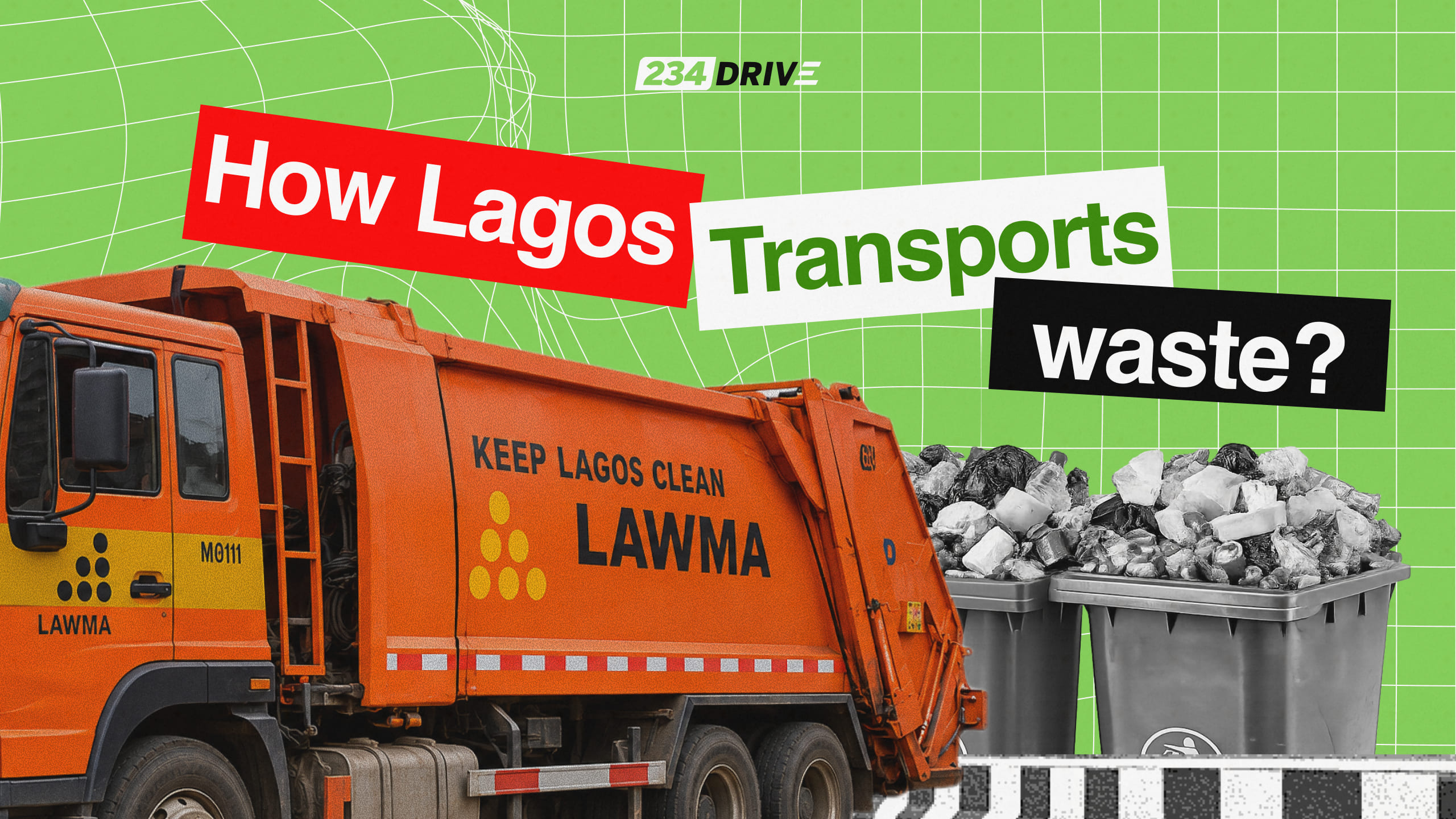
Despite generating roughly 13,000 tonnes of waste every day, Lagos has only a fraction of the refuse trucks needed to move it. Here’s why the city’s growing refuse crisis is, at its core, a logistics failure.
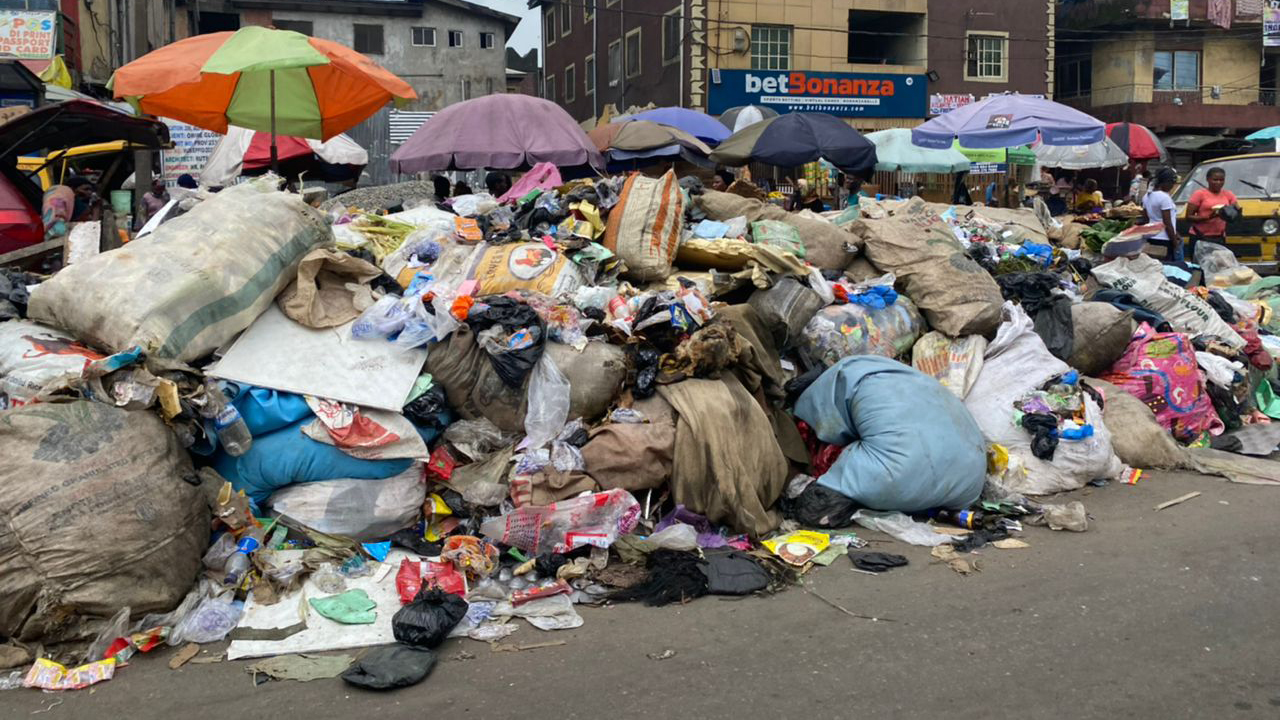
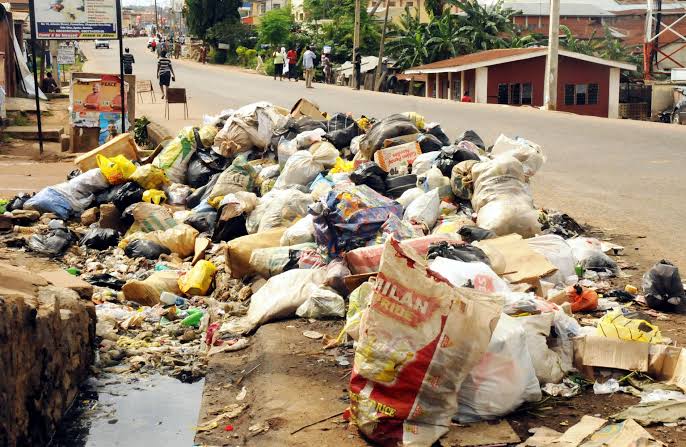
Drive through almost any part of Lagos and you’ll likely come across it: an overflowing heap of refuse sitting beside a major road, under a bridge or at the entrance of a neighbourhood.
For many residents, the recurring question, both in real life and on social media, is, ‘Why hasn’t LAWMA cleared this?’
To answer that question, we have to first understand how Lagos moves its waste.
The PSP Model: Lagos’ Outsourced Waste Fleet
In 1997, LAWMA introduced the Private Sector Participation (PSP) scheme to improve waste collection across the city.
Rather than purchasing thousands of government-owned trucks, the state licensed private operators to provide collection services.
Today, about 400 PSP operators serve different communities across Lagos.
Each operator invests in refuse trucks, employs drivers and waste collectors, and is assigned specific routes and neighbourhoods.

For residents, the process is straightforward.
After paying monthly waste management fees through LAWMA, each property is assigned to a licensed PSP operator based on its location. The operator is expected to collect household waste at least once every week.
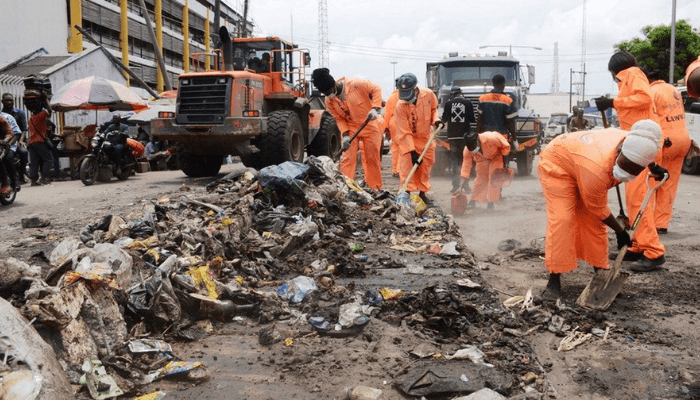
Beyond residential collection, these same operators also clear refuse from markets, public spaces and roadside collection points before transporting it to LAWMA’s Transfer Loading Stations (TLS), Material Recovery Facilities (MRFs) or one of the state’s principal disposal sites.
On paper, the model is efficient but Lagos produces more waste than its fleet can handle. This is why the PSP Operator that is meant to show up once a week only shows up once a month.
According to Lagos State Commissioner for the Environment and Water Resources, Tokunbo Wahab, Lagos generates approximately 13,000 tonnes of municipal waste every day.
Moving that volume requires an enormous transportation effort.
Industry estimates indicate that clearing 13,000 tonnes daily would require roughly 2,000 refuse trucks operating consistently across the state.
Lagos has nowhere near that number.
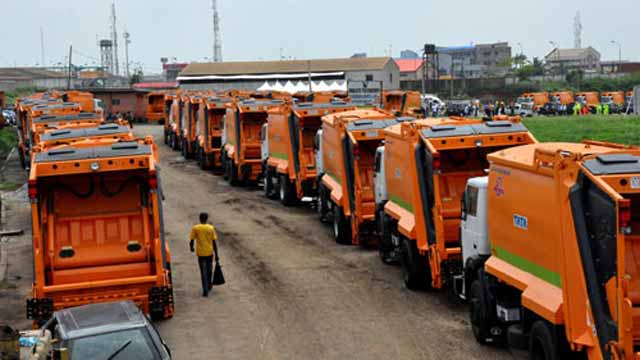
Current estimates suggest that only about 400 PSP trucks are actively serving communities, while LAWMA operates approximately 77 additional trucks responsible for transferring waste from collection sites to final disposal facilities.
In practical terms, Lagos is operating with a deficit of roughly 1,500 refuse trucks.
That shortage helps explain why some residents who are supposed to receive weekly waste collection sometimes wait three or even four weeks before their PSP operator arrives.
By then, overflowing bins often spill onto roadsides, illegal dumping increases, and temporary refuse points become permanent eyesores.
The World’s Biggest Cities Move Waste Differently
Interestingly, Lagos is not unusual in the amount of waste it generates; cities like New York and London process similar daily volumes.
The difference lies in transportation infrastructure.
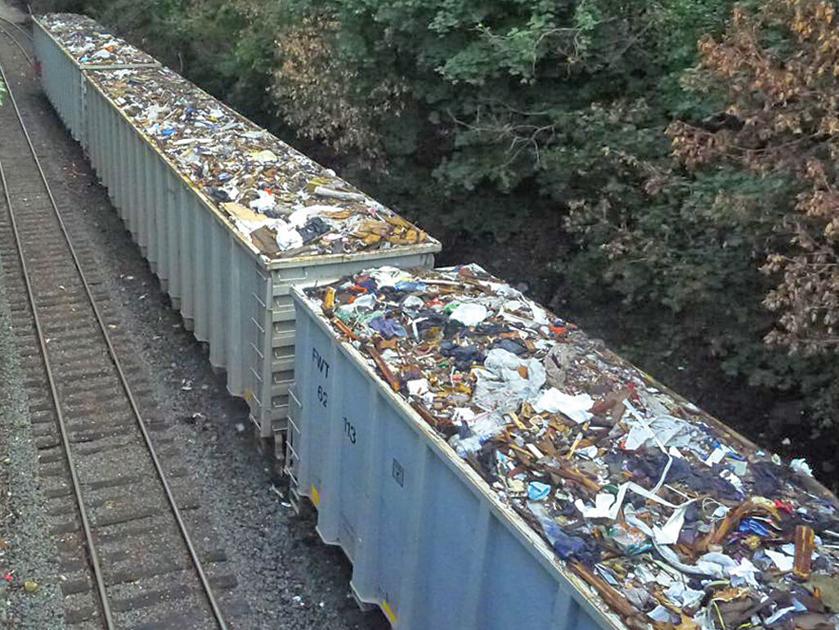
Rather than relying almost entirely on conventional refuse trucks, these cities supplement road transport with extensive transfer stations, rail freight systems, waste-to-energy facilities, advanced recycling centres and sophisticated fleet management technologies that optimise routes and reduce turnaround times.
Some urban areas even use underground pneumatic waste collection systems that transport refuse through sealed pipelines directly to processing centres.
The result is simple.
Waste spends far less time sitting on the streets.
Lagos, meanwhile, still depends largely on ageing diesel-powered trucks navigating some of Africa’s busiest roads. Frequent breakdowns, rising operating costs, traffic congestion and limited fleet availability all reduce the amount of waste that can be moved each day.
A 1997 Solution in a 2026 City
When the PSP model was introduced nearly three decades ago, Lagos was a much smaller city. Its population was lower. Its traffic was lighter.
Its daily waste generation was significantly less than what it is today.
Since then, Lagos has expanded into one of the world’s fastest-growing megacities, but its waste transportation infrastructure has struggled to scale at the same pace.
The result is a logistics system operating under constant pressure.
The overflowing refuse seen along Lagos roads is not the root problem. It is the final, visible stage of a much larger transportation challenge.
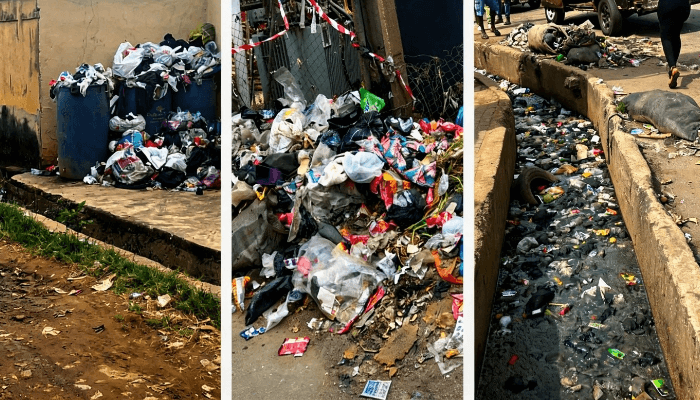
When waste is not moved quickly enough, drainage channels become blocked, increasing the risk of flooding during heavy rains.
Roadside refuse reduces the efficiency of road corridors, contributes to traffic disruption and creates environmental and public health risks for surrounding communities.
As Lagos continues to grow, solving its waste problem will require more than cleaner streets.
It will require investment in transportation infrastructure; more refuse trucks, smarter route planning, modern transfer facilities, better fleet maintenance, cleaner vehicle technology and data-driven logistics systems capable of moving thousands of tonnes of waste every single day.