
Nigeria’s Centre of Excellence is working to introduce special vehicle number plates for persons with disabilities (PwD) and those who support their daily movement.
The plan aims to make affected vehicles easier to recognise and help users move through the state with fewer access barriers. State officials have started the required discussions and say the proposed system will strengthen inclusion while giving the disability community clearer recognition on Lagos roads.
Agencies Begin Work on Disability-Friendly Vehicle Plates
The Lagos State Office for Disability Affairs presented the proposal during a visit to the Motor Vehicle Administration Agency. Both agencies discussed how to create and introduce a vehicle identification system that meets the needs of persons with disabilities.
Explaining the plan, MVAA Permanent Secretary Abdulrasheed Muri-Okunola noted that the special plates would make affected vehicles easier to recognise and support smoother movement across the state.
He also linked the proposal to Governor Babajide Sanwo-Olu’s goal of building ‘A Greater Lagos That Leaves No One Behind’.
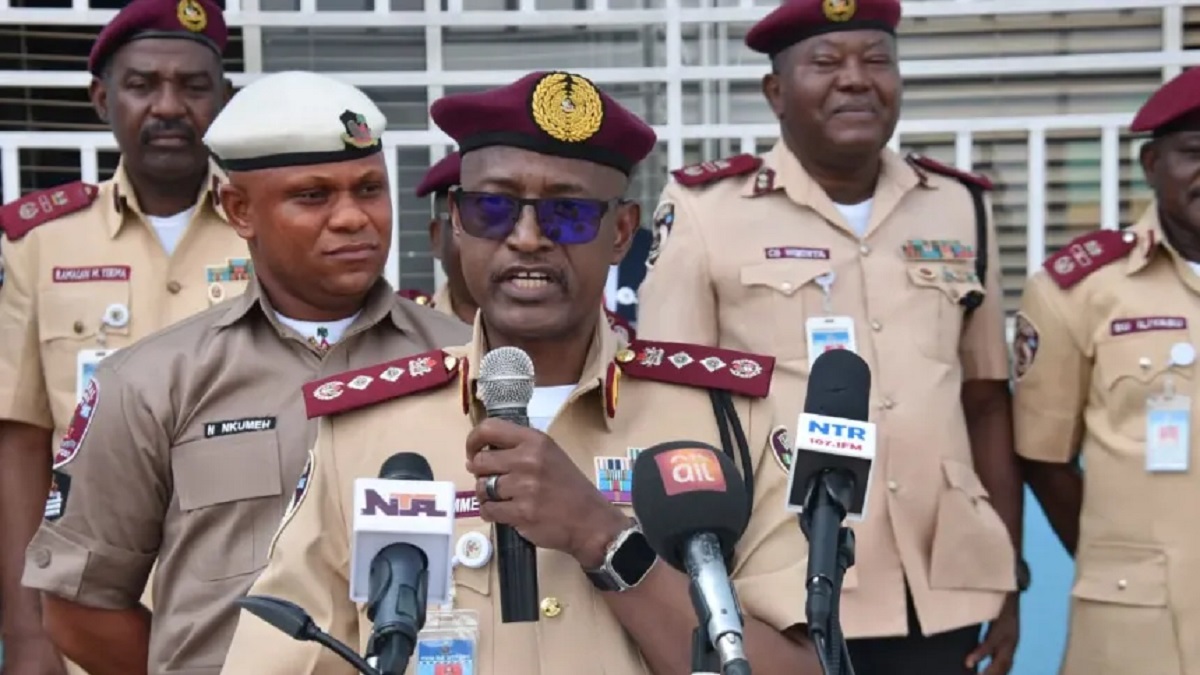
Muri-Okunola revealed that the MVAA had already opened talks with the Federal Road Safety Corps (FRSC), which manages number plate standards across Nigeria. The agency will now begin the required paperwork and work closely with LASODA on the next steps.
LASODA General Manager Adenike Oyetunde-Lawal explained that the plan should cover people across all recognised disability groups. Parents of children with disabilities and caregivers should also qualify where necessary.
According to Oyetunde-Lawal, the plates would make vehicles connected to the disability community easier to identify. This could help officials recognise users who need extra support in parking spaces and other mobility situations.
The agencies have not announced when the plates will become available or how people will apply. They have also not confirmed whether the scheme will include reserved parking access or other road benefits.
The proposal supports the Lagos State Special People’s Law, which created LASODA to protect the rights of persons with disabilities and reduce discrimination. Senior officials from both agencies attended the meeting and agreed to continue working towards the introduction of the plates.
Pushing for Better PwD Transport in Nigeria
An estimated over 35 million people in Nigeria live with some form of disability, according to global prevalence estimates applied to the country’s population. For many of them, getting from one place to another is still shaped by barriers that most commuters do not have to think about.
Limited accessible transport, high costs, and a lack of consistent support from drivers and transport operators often turn routine trips into difficult, sometimes exhausting experiences. In some cases, passengers in wheelchairs still rely on being physically lifted into buses, while others face long delays, inconsistent fares, and little to no assistance once they are on the road.
These everyday realities are part of what 234Drive highlighted in the article ‘Inaccessible by Design’, drawing attention to how mobility challenges affect independence, dignity, and access to opportunity for PwDs across the country.
While the recent proposal alone will not resolve the wider structural issues in the system, it shows action taken toward addressing a mobility experience that has too often been overlooked.